

How to do double color anodizing?
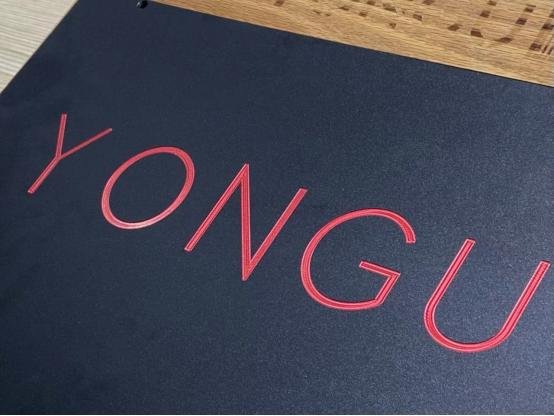
Have you ever seen an aluminum alloy product that looks like this: one with a red logo on a black background, or one with blue text on a silver bottom? Such a process that displays two or more colors on the same aluminum part is double-color anodizing. It can not only improve the appearance of products, but also enhance the wear resistance and insulation properties of metal. It is a popular technology in today's electronic products, auto parts and high-end decoration fields.
Three core advantages of double-color oxidation
The anodized film has a porous structure from the beginning, just like a sponge that absorbs water. Such a structure causes the oxide film to have super adsorption capacity and can tightly hold various pigments, lubricants and even resins. Engineers take advantage of this feature to fill the holes with dyes of different colors, making the surface of aluminum products not only diverse in color, but also simultaneously improving protective performance and wear resistance.
Normally, aluminum is a good conductor of electricity. However, after anodizing, the oxide film formed on its surface will transform into an insulating layer, which can prevent short circuits in the circuit and avoid the accumulation of static electricity. This film has special uses in electronic equipment such as mobile phone casings and computer panels. The insulating ability of the oxide film has allowed aluminum products to successfully replace some traditional insulating materials.
Only 660 degrees Celsius is the melting point of pure aluminum, yet the anodized film can withstand temperatures up to 1500 degrees Celsius. And the thermal conductivity of the oxide film is much lower than that of pure aluminum, which shows that heat is difficult to transfer through the film layer. It is this dual advantage of heat resistance and insulation that makes the performance of double-color alumina parts far superior to ordinary aluminum materials in high-temperature environments, such as parts around the engine and radiator casings.
Masking method: paint with precision like painting

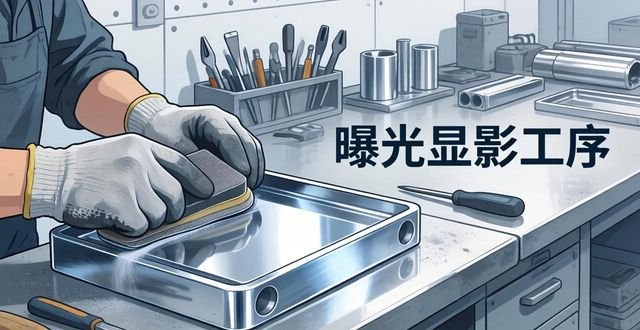
The key concept of the shading method is to implement protective measures first and then dispose of them. The workers first polish the entire aluminum shell until it is as clear as a mirror, and then use an exposure and development process to spray a layer of photosensitive ink on those areas that need to retain the first color, such as the location of the product logo. This layer of ink plays the role of covering a specific area with a layer of protective clothing to ensure that the area will not be disturbed by subsequent processes.
The next step is to sandblast the area without ink protection. The purpose is to create a rough surface to enhance adhesion. Then the entire workpiece enters the first anodizing tank to generate an oxide film and is dyed with the first color. Finally, the holes are sealed and fixed. At this time, the ink at the logo is washed away, and the anodized surface treatment of the aluminum rivet welding parts is exposed. The exposed area is then anodized and dyed for a second time, so that two completely different color landscapes can be obtained. This technology is already extremely mature in 3C electronic product foundries in Shenzhen and Dongguan.
Removal method: first do the base color and then partially renovate
Another logic is followed by the removal method: first paint the whole thing, then deal with the areas that need to be changed and then do it again. The aluminum alloy is first oxidized and colored, and the sealing step is completed. There is a small link here that is more critical: the first oxidation must use acid-resistant dyes. And the oxide film thickness needs to be controlled between 15 and 20 microns.
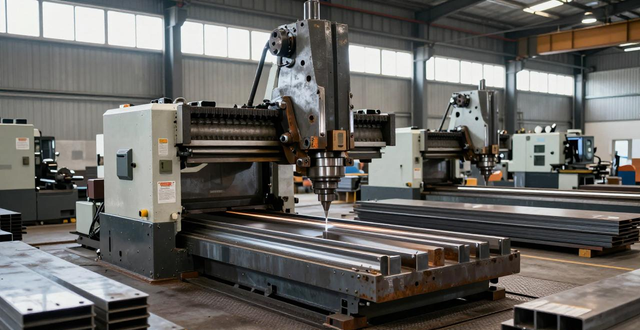
Then, only those areas that should show the second color are machined. For example, a CNC milling machine is used to mill away the oxide layer on this tiny part of the surface to reveal a new aluminum substrate. The area is then thoroughly cleaned to remove grease, followed by a second anodizing and staining process. The sealing process needs to be carried out in a neutral sealing agent in the range of 70 to 90 degrees Celsius for 10 to 30 minutes. An auto parts supplier in Shanghai uses this method to produce panels with red characters on a black background. The durability test of the product successfully passed the 1,000-hour salt spray test.
Closed processing: the key link that determines success or failure
What makes closure so important? The reason is that the porous structure of the anodized film is extremely weak when it is not sealed. Moisture, salt and pollutants in the environment can easily penetrate into the holes, causing the dyeing pigment to lose. The oxide film quickly becomes stained and gradually moves towards the corrosion stage. Workpieces that are not well sealed will most likely be declared scrapped in just a few days.
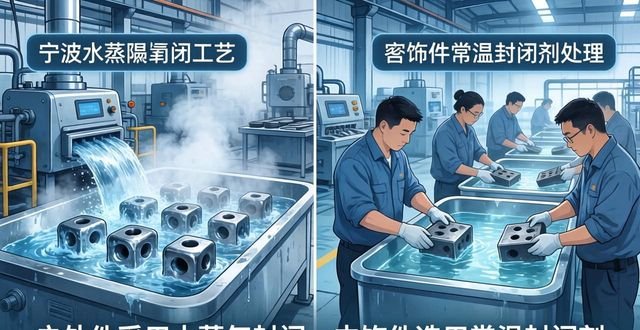
The principles of sealing treatment are mainly divided into three categories. The first category is sealing with hot water or water vapor, which uses the volume expansion generated by the hydration reaction of the oxide film to block the pores. The second category is sealing with inorganic salts, which generates precipitates adsorbed on the pore walls through the hydrolysis reaction of salt. The third category is organic Material sealing, such as immersing in grease, wax or resin, and using these substances to physically fill the micropores. In actual production, an anodizing factory in Ningbo will select a method based on the product use. Outdoor parts are sealed with water vapor, and interior parts use room temperature sealant.
Common application scenarios and operational difficulties
The most typical application of two-color anodizing is the aluminum alloy panel with red characters on a black background. The first method is to first oxidize the entire panel to black and seal it, and then use a CNC machine tool to remove the oxide layer corresponding to the position where the red writing is to appear. How to do double-color anodizing? , thereby exposing the aluminum substrate, which is eventually oxidized and dyed red. The second method is to deal with the red area first, apply anti-acid ink on the parts where the red color is to be retained, and then perform the overall black oxidation. Since the area protected by the ink will not be corroded by sulfuric acid, the red area will naturally be left.
In actual operation, the most difficult thing to control is the edge accuracy. If the masking ink coating is uneven, or the machining and milling depth is different, jagged or smeared edges will appear at the intersection of the two colors. The quality of sealing directly determines whether it can withstand the erosion of the second sulfuric acid bath. Engineers from a surface treatment company in Guangzhou revealed that the yield rate of their products has increased from the initial 60% to the current 92%, mainly relying on optimizing sealing parameters and introducing automatic spraying equipment.
What do you think of the new products that double-color anodizing technology may be used in in the future? Feel free to share your opinions in the comment area, like and bookmark it so that more people can see this interesting craft.





暂无评论内容