Autor: hfc87

  • How To Control Machining Errors? 4 Types Of Process System Errors + 2 Major Analysis Methods, A Complete Summary Of Useful Information

    How To Control Machining Errors? 4 Types Of Process System Errors + 2 Major Analysis Methods, A Complete Summary Of Useful Information

    How to control machining errors? 4 types of process system errors + 2 major analysis methods, a complete summary of useful information

    Be wary of congenital defects in machine tool equipment

    When many machining masters encounter an out-of-tolerance situation, their first reaction is to change tools and adjust parameters. In fact, they have not identified the root cause at all.

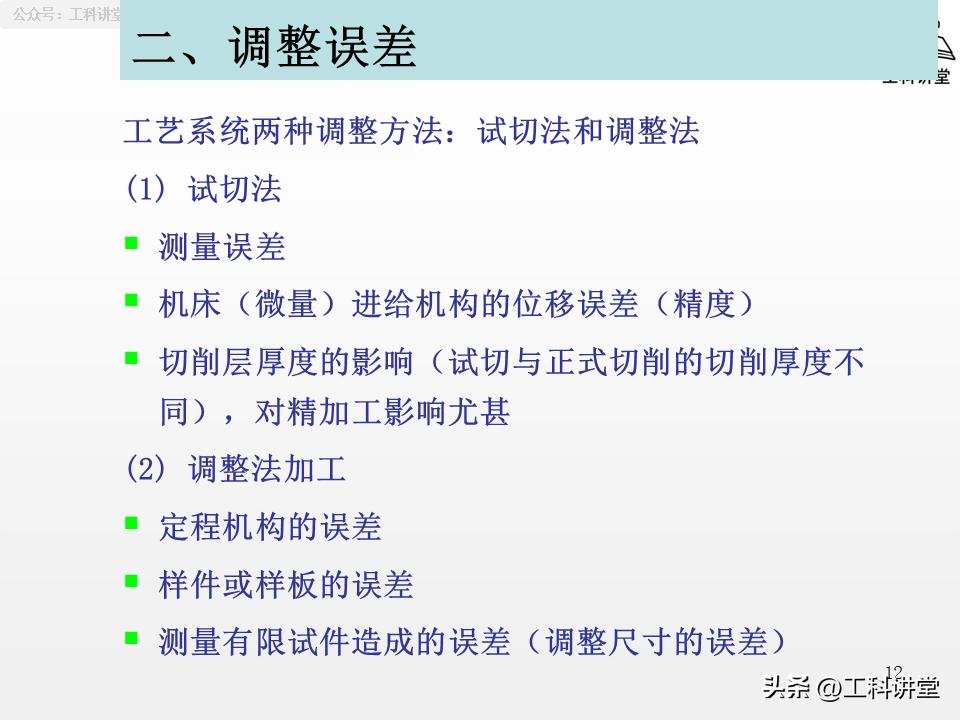
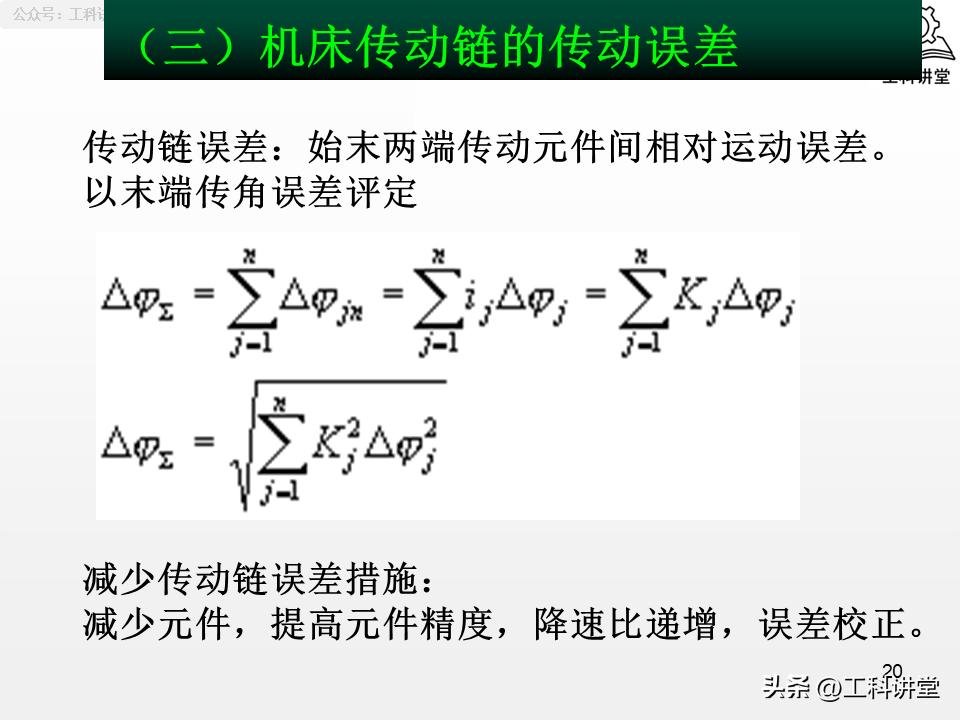
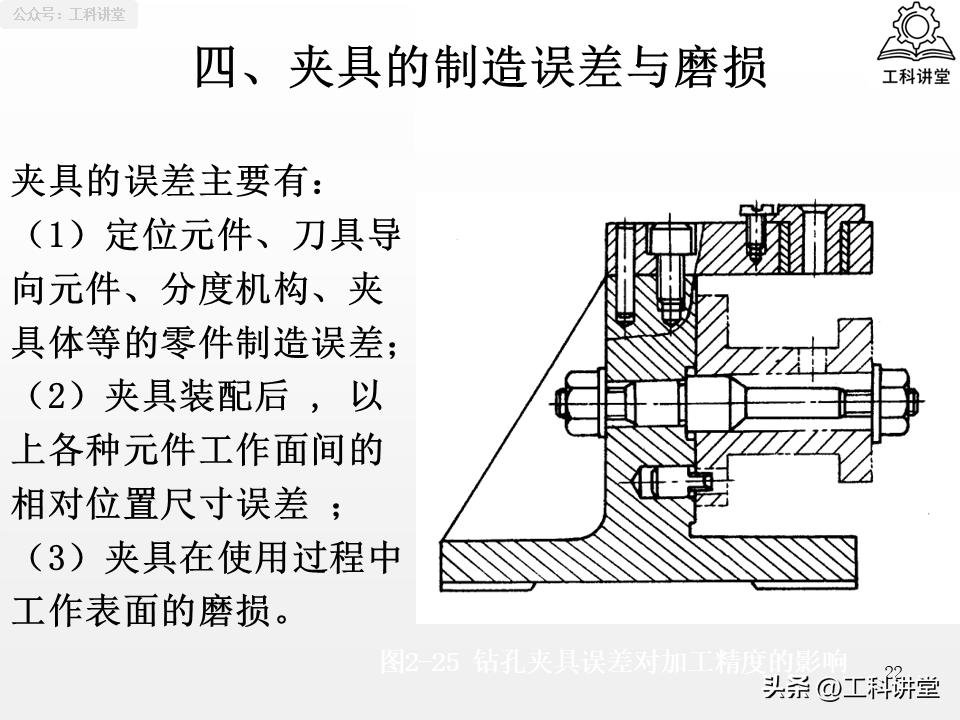
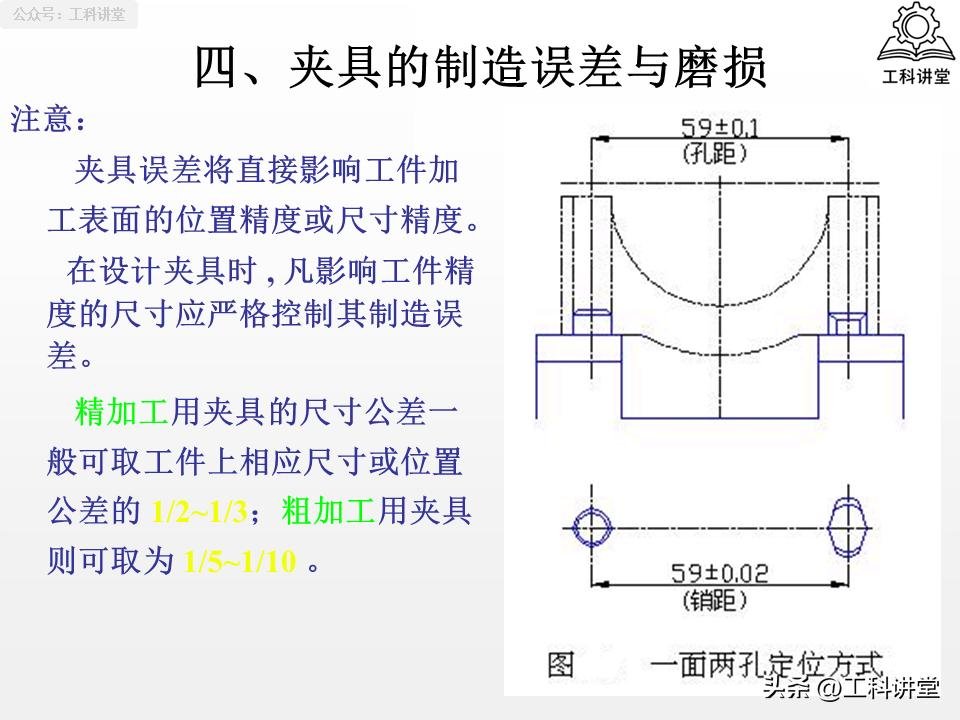
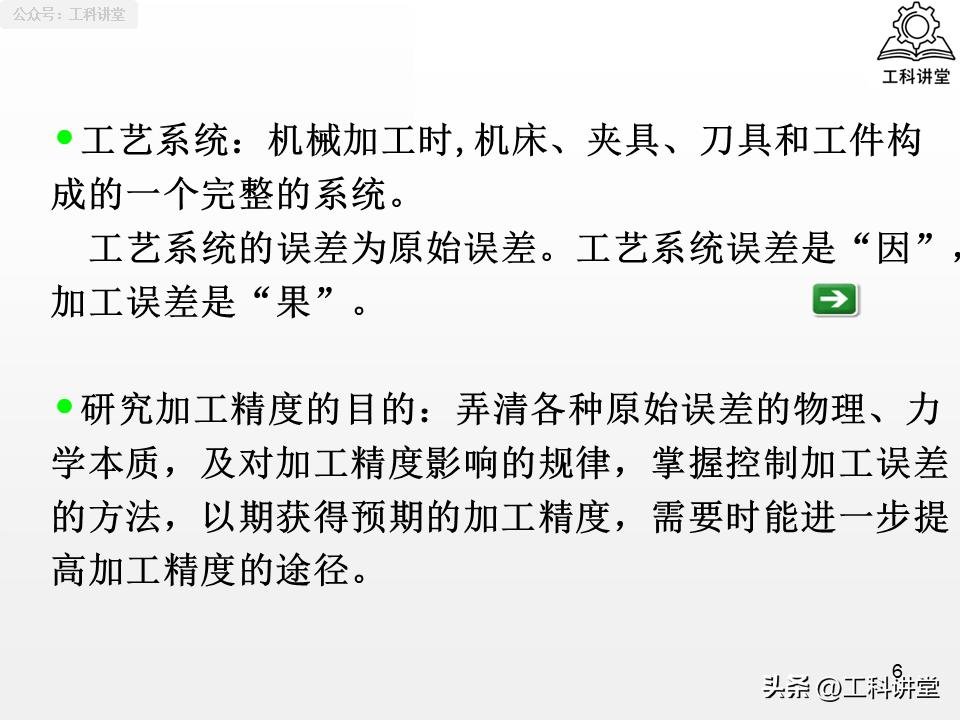
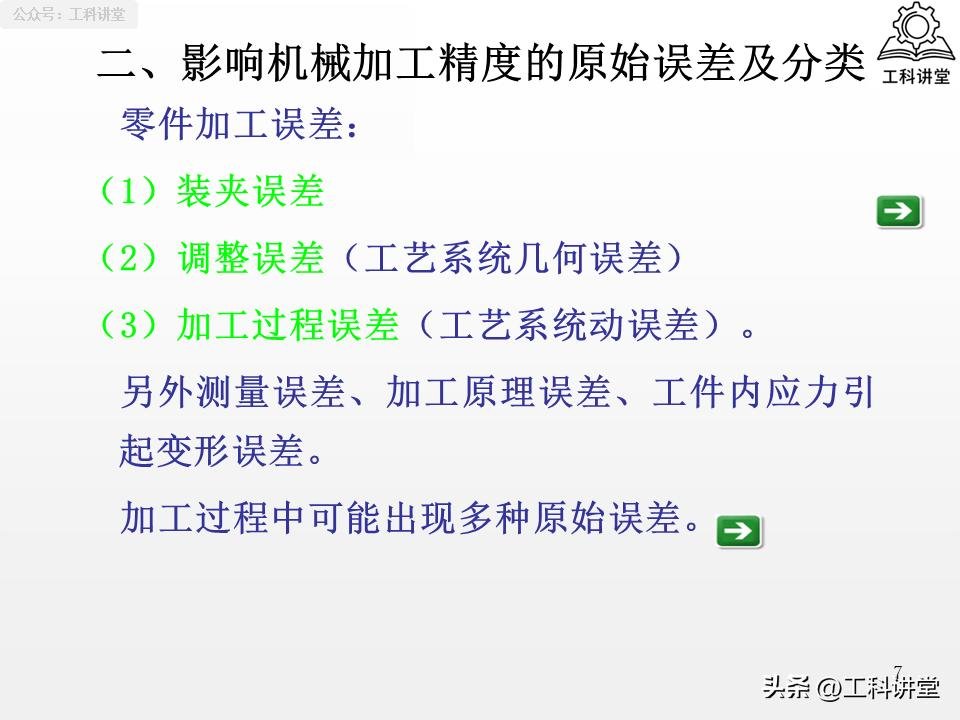
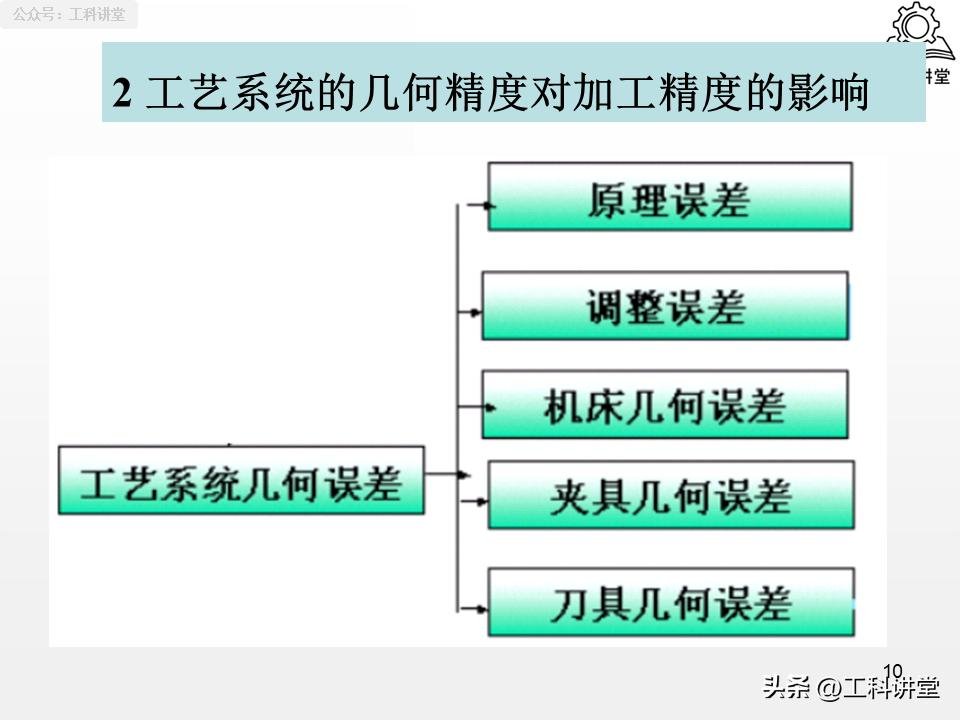
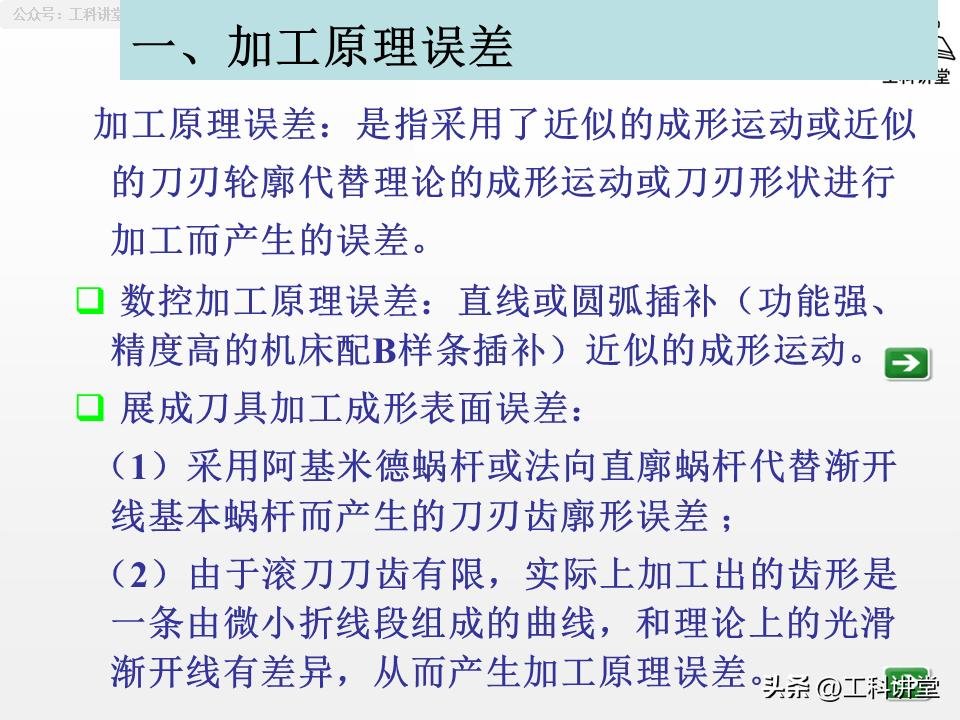
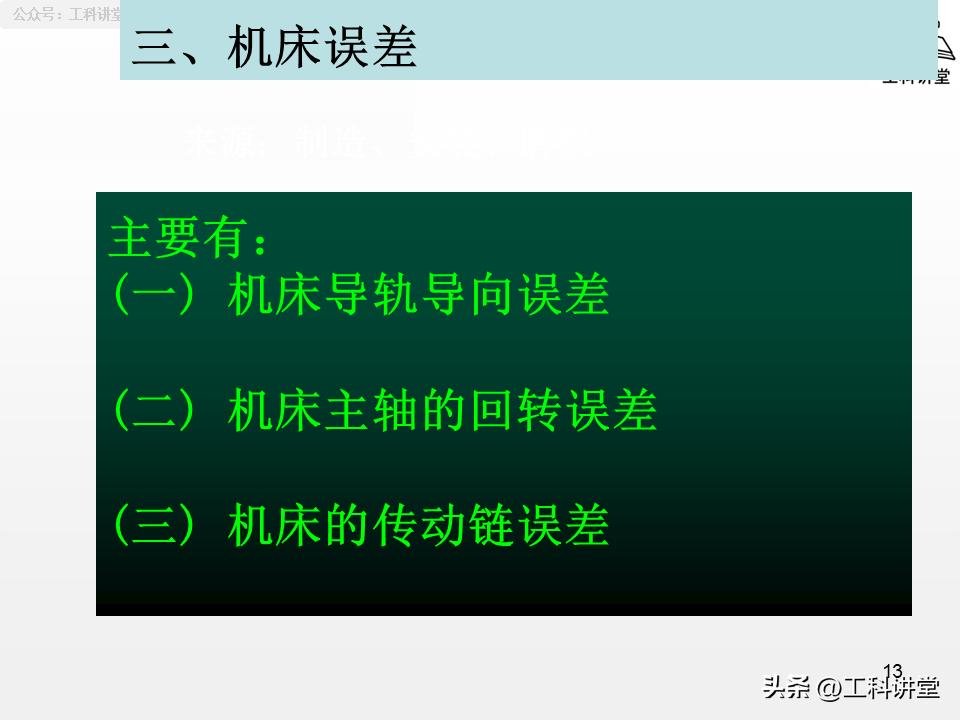
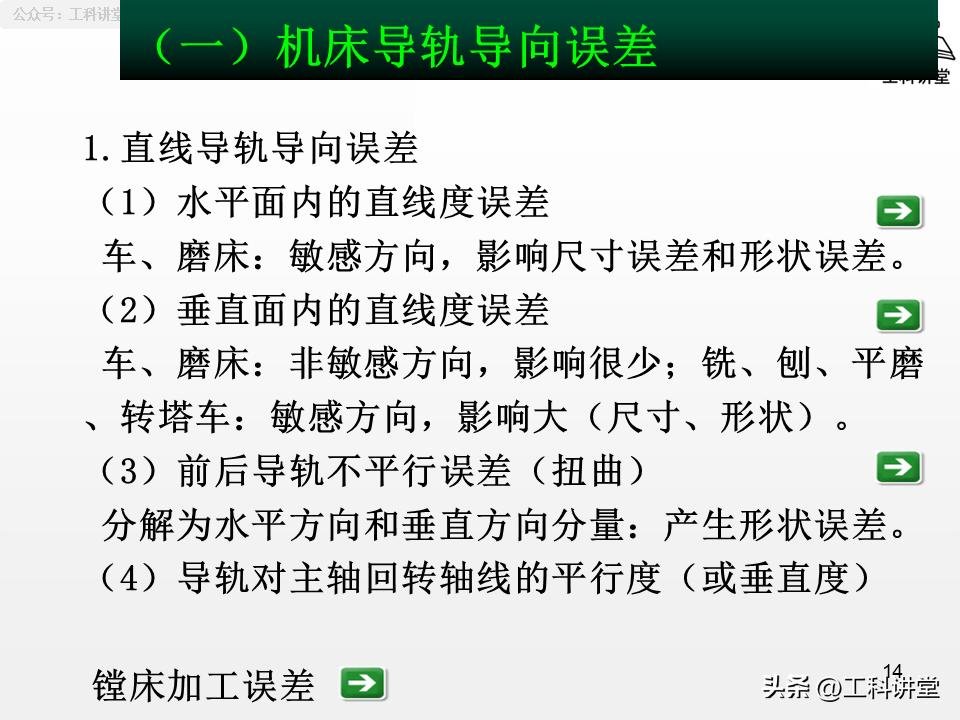
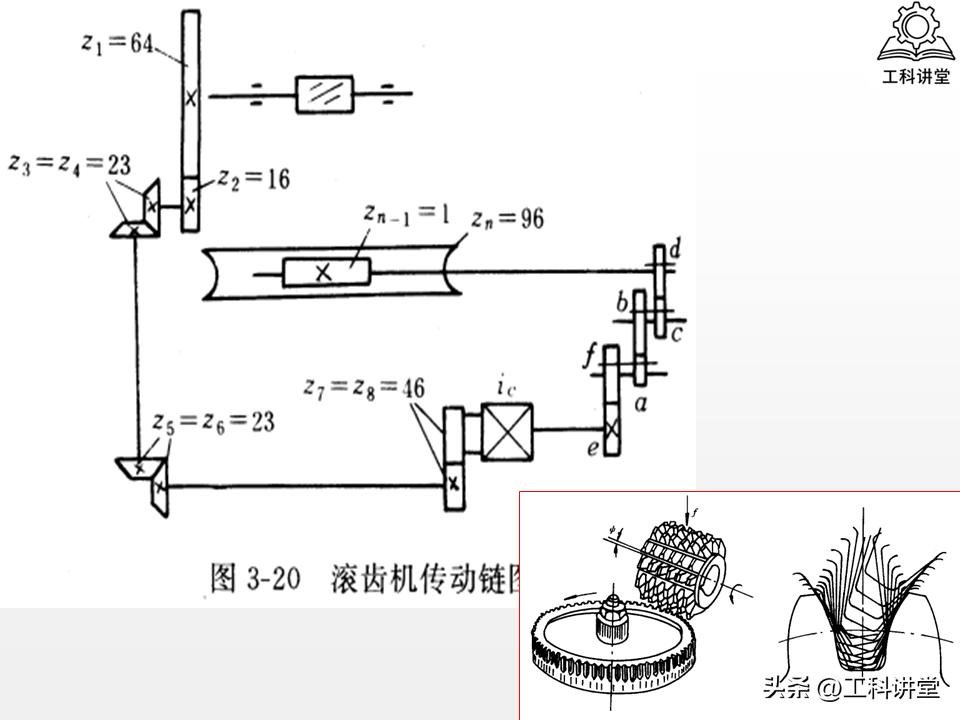
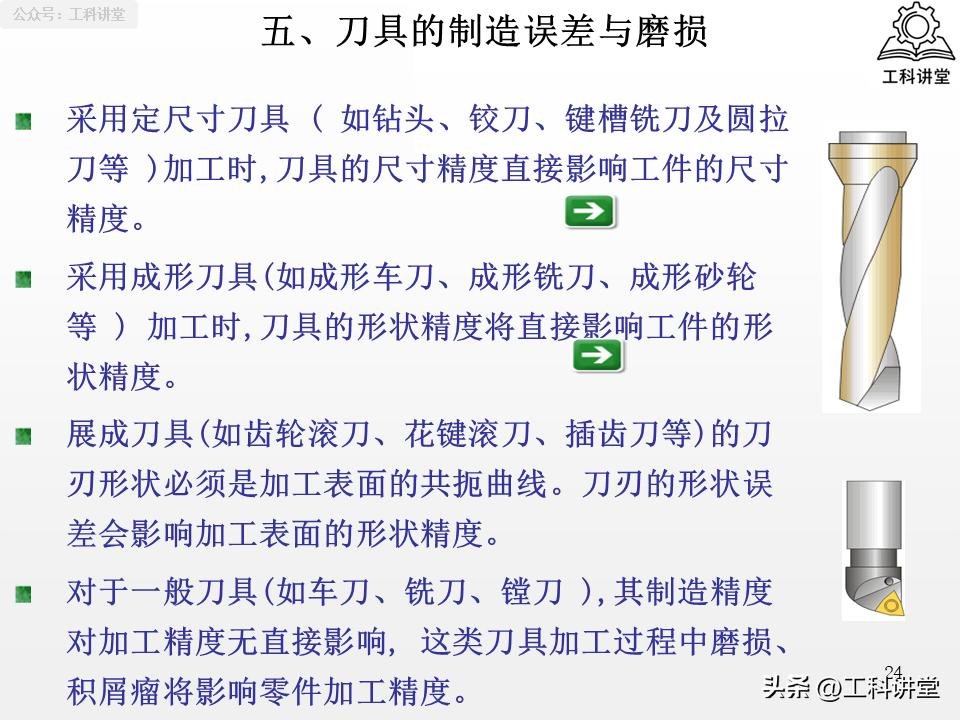
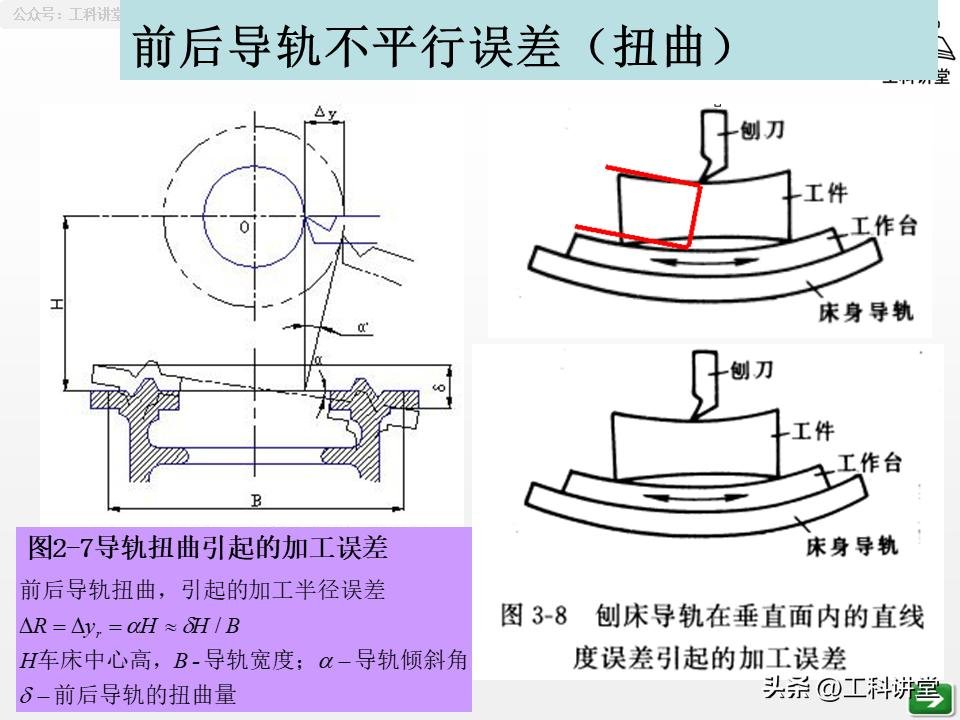
    The geometric error of the process system is an innate problem. There are deviations in the manufacturing of the machine tool itself, deviations in the manufacturing of the fixture itself, and deviations in the manufacturing of the tool itself. Errors will be introduced in the installation process, and wear will occur with long-term use. These problems will be transmitted to the parts.

    In particular, we must pay attention to the repeated positioning accuracy of the fixture. The root cause of the dimensional instability that occurs during mass production in many factories lies in the deviation of the position of the fixture during repeated clamping operations.

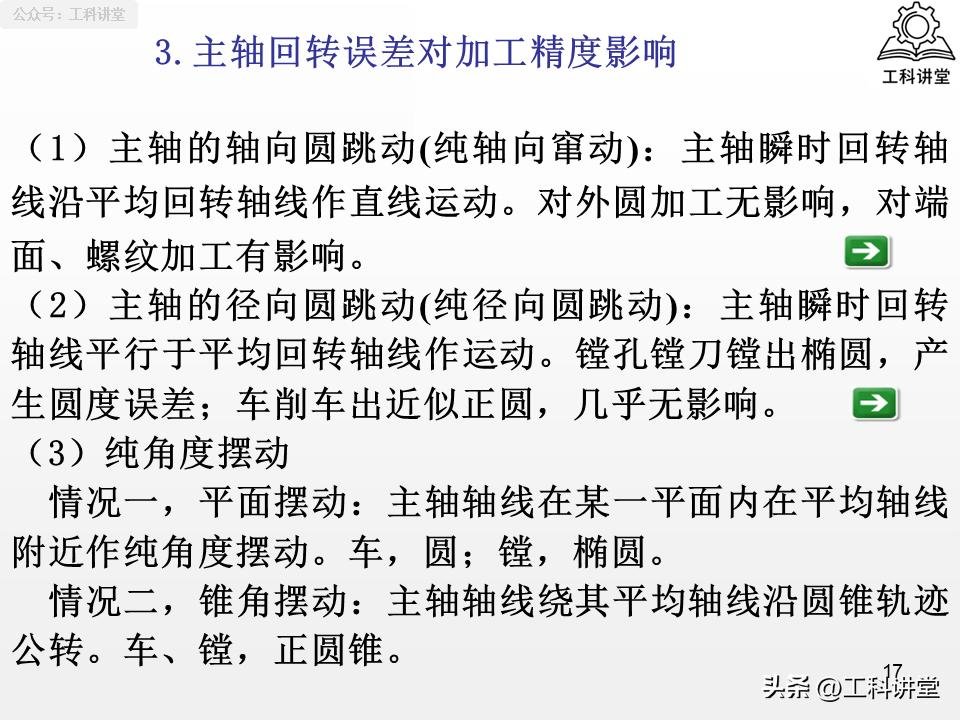
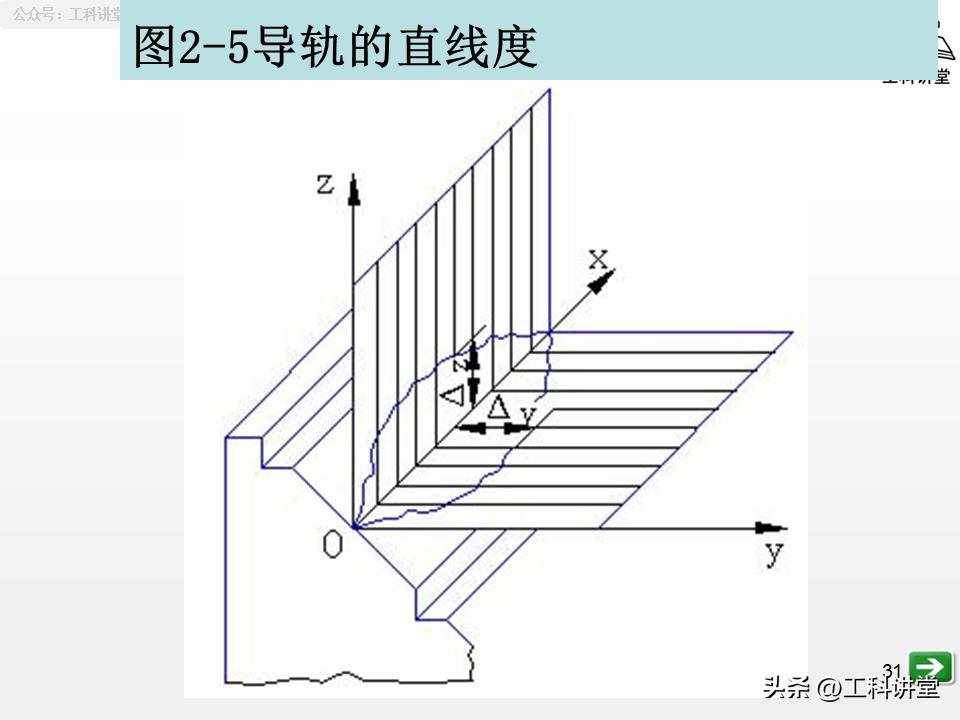
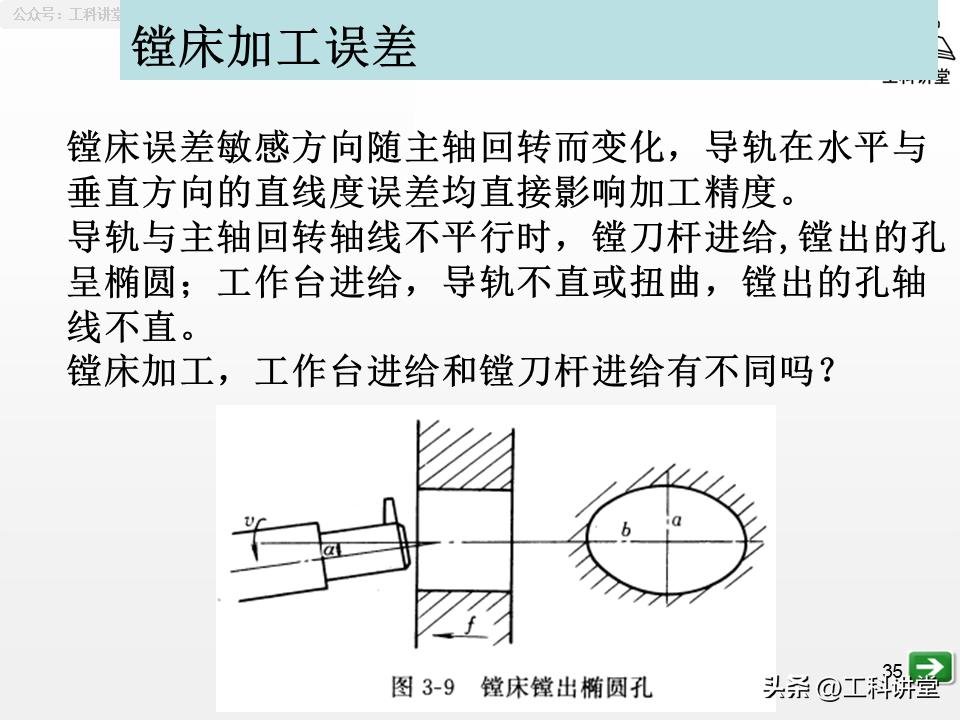
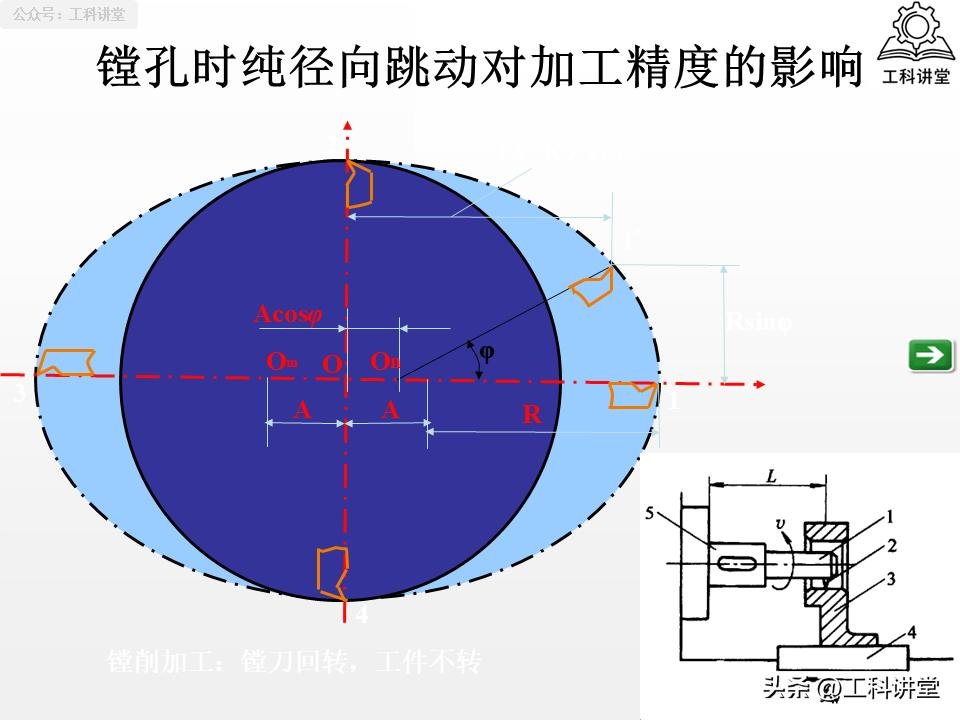
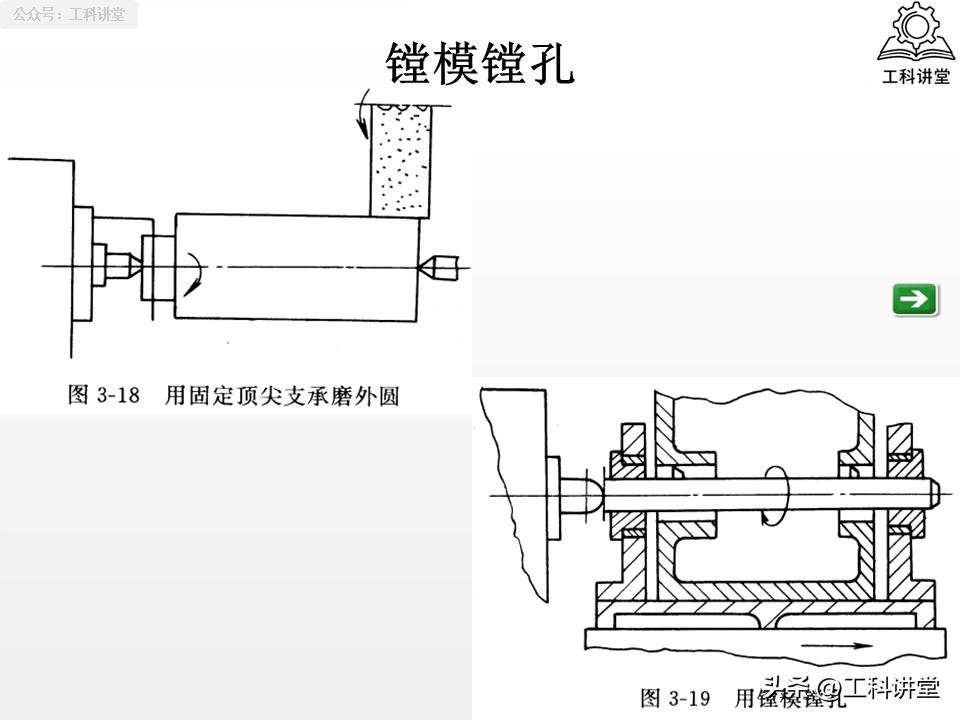
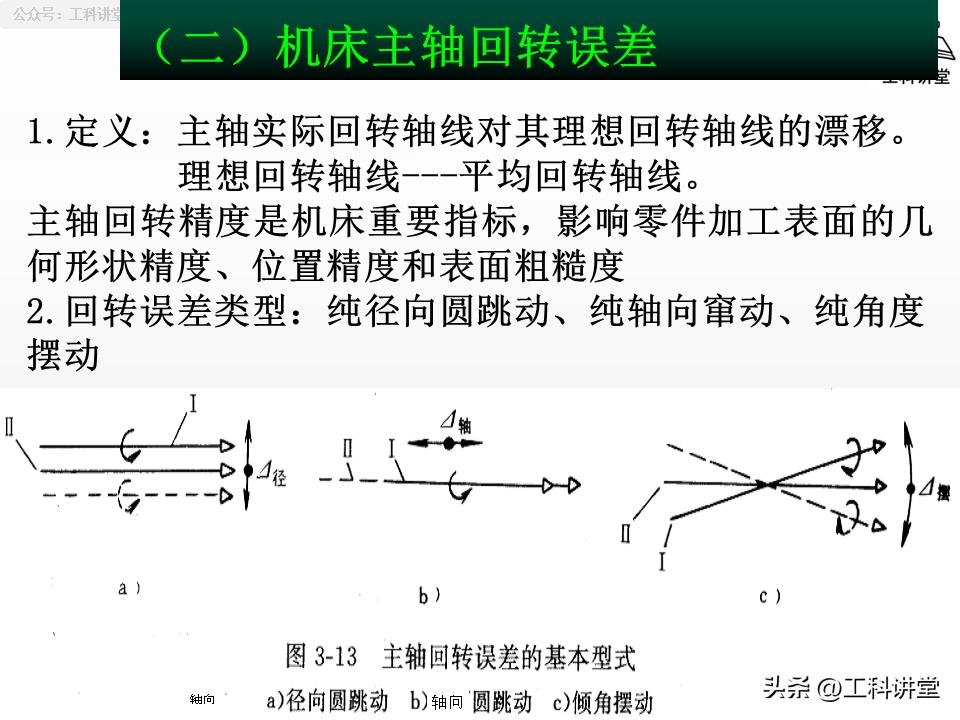
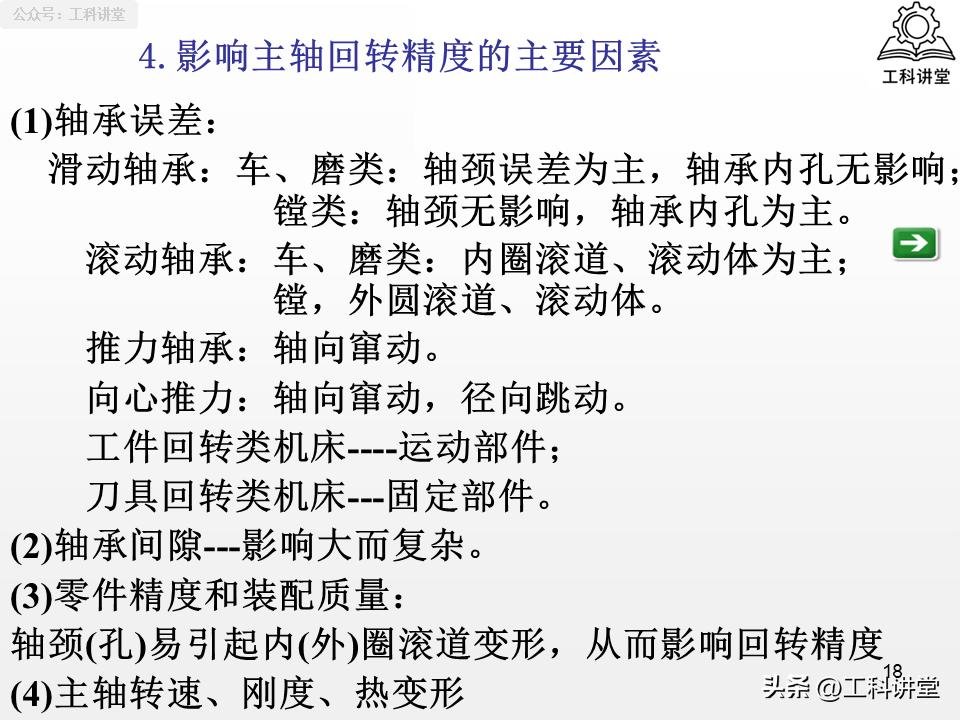
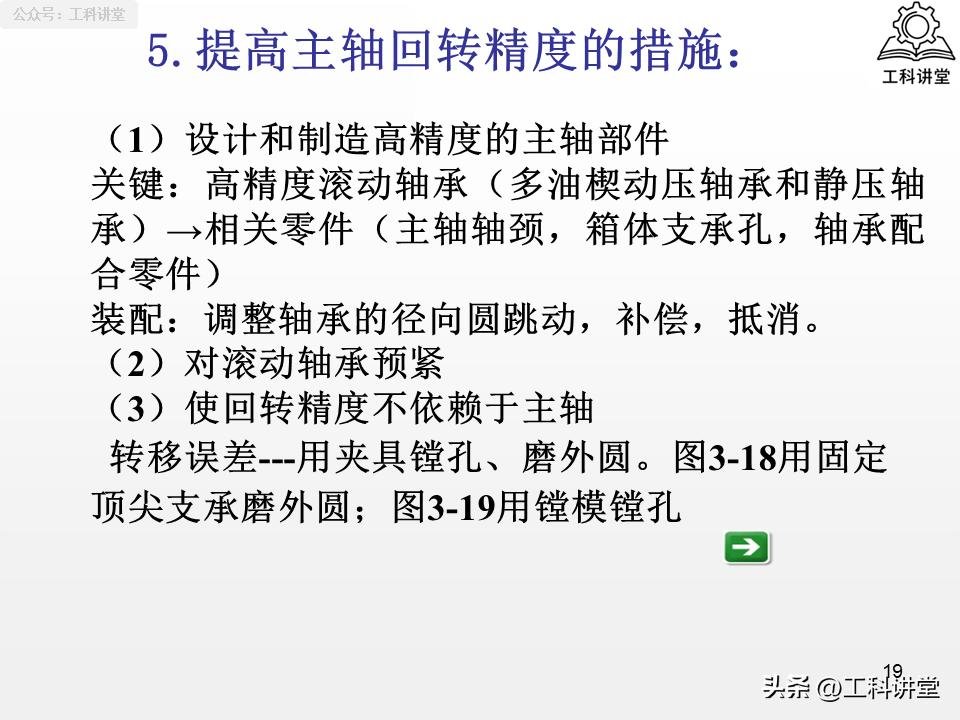
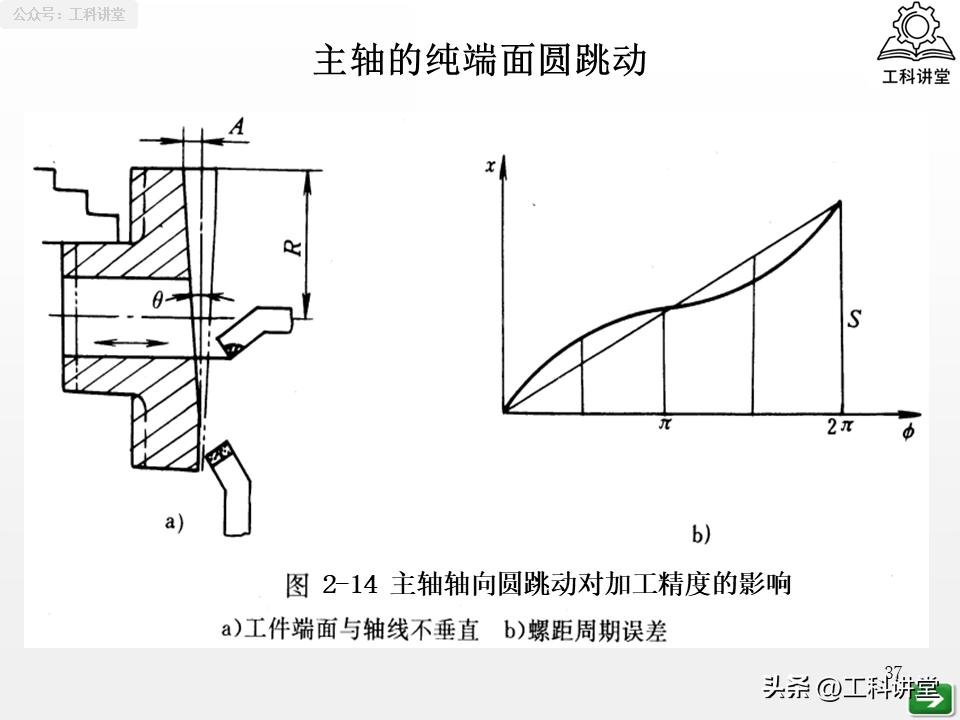
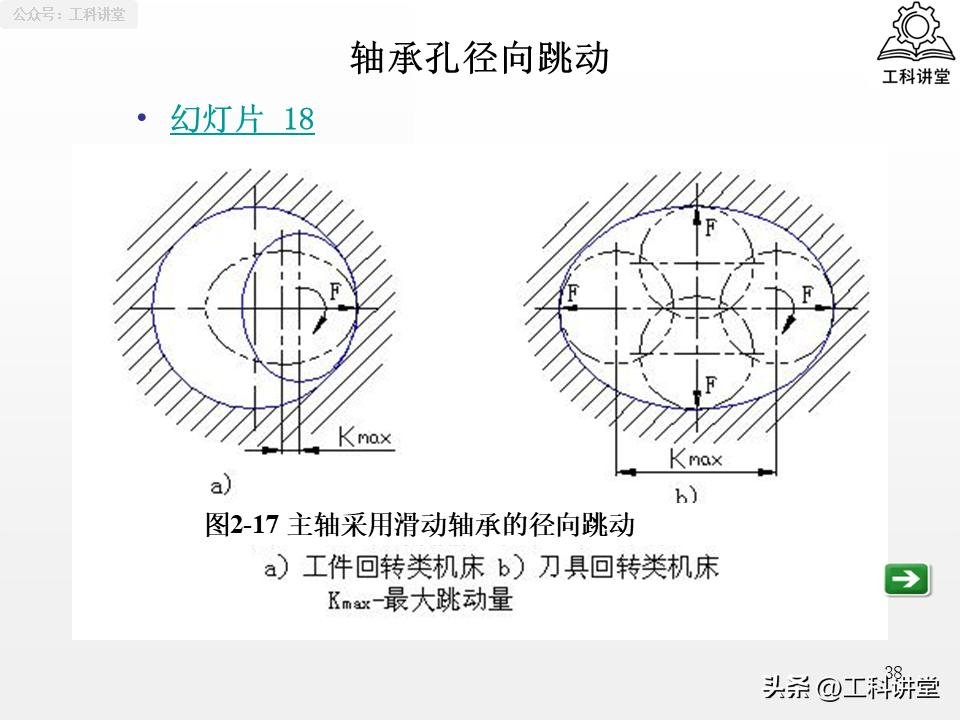
    Although the spindle rotation has jumps, it is a very hidden problem. It is often ignored during daily inspections of the equipment. The guide rails are worn and there are gaps in the transmission chain, which will directly affect the geometric tolerance. The method to ensure the accuracy of boring processing is to calibrate the accuracy regularly. This is the first line of defense for controlling errors.

    Clamp cutting and don’t let your knives fall apart

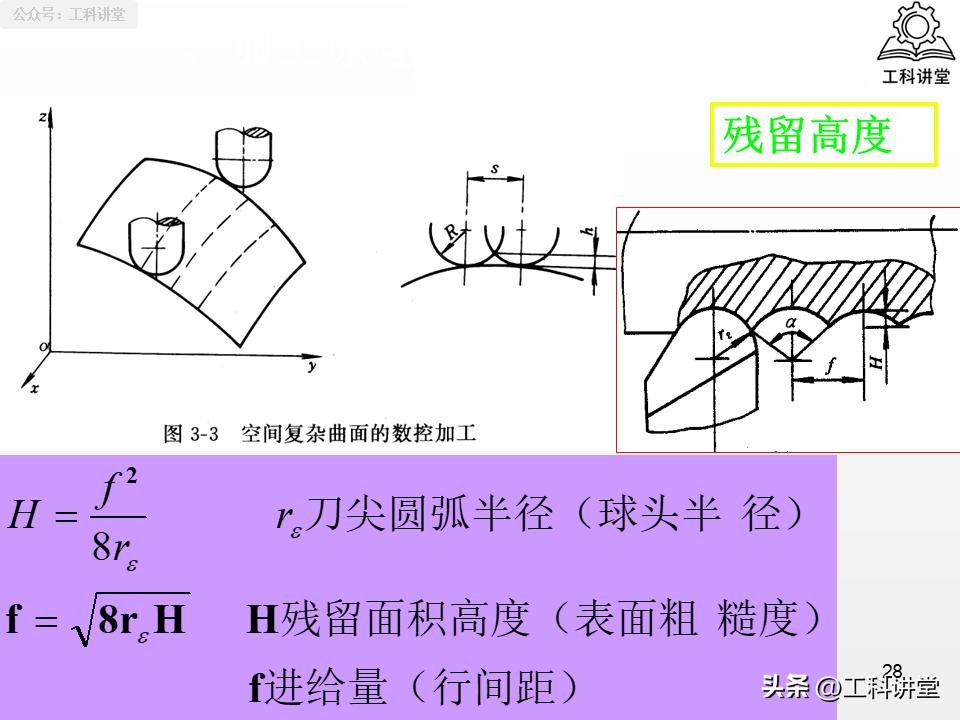
    When processing thin-walled parts, the "cutting tool" phenomenon is almost an inevitable problem that will be encountered. When processing slender shafts, how to ensure the accuracy of boring processing , the "cutting tool giving" phenomenon is also almost an inevitable problem. The clamping force will cause elastic deformation of the process system, and the cutting force will also cause elastic deformation of the process system.

    Once deformation occurs, the actual position of the tool will deviate from the theoretical set position, which will inevitably cause the part size to exceed the tolerance range. This type of dynamic error based on specific conditions is particularly significant on structures with insufficient rigidity.

    The key point of this solution is to improve the overall rigidity of the system, optimize the distribution of clamping points, and add auxiliary supports to share the force when necessary.

    The adaptation of cutting parameters is very important. Excessive cutting amount will increase the deformation. Only by selecting the feed and depth of cut reasonably and using a stable clamping plan can the dynamic error be minimized.

    Thermal expansion and contraction are the number one killer of accuracy

    In the field of precision machining, the impact of thermal deformation on accuracy is often ranked first. When the machine tool is running, its friction will generate corresponding heat, and the cutting process is also continuously heating.

    What is even more troublesome is that the ambient temperature of the workshop changes at any time. The superposition of these factors will cause the entire process system to expand and contract with heat, causing the relative position of the tool and the workpiece to change.

    工艺系统误差分析_机械加工误差控制_镗削加工精度保证方法

    There are many operators who proceed directly to processing after turning on the machine and never preheat the equipment. As a result, the first piece inspection is completely a qualified boring machining accuracy guarantee method . However, when the second piece is processed in batches, deviations begin to occur.
    机械加工误差控制_镗削加工精度保证方法_工艺系统误差分析

    镗削加工精度保证方法_机械加工误差控制_工艺系统误差分析

    机械加工误差控制_工艺系统误差分析_镗削加工精度保证方法

    The key reason is that the thermal deformation that occurs after the spindle temperature rises is not taken seriously. When performing precision boring, it is necessary to achieve a sufficient thermal balance for the equipment. The temperature control of the workshop environment must also keep up with the rhythm, and thermal deformation must be properly controlled from the root cause.
    镗削加工精度保证方法_工艺系统误差分析_机械加工误差控制

    机械加工误差控制_工艺系统误差分析_镗削加工精度保证方法

    Internal stress relief is often forgotten
    机械加工误差控制_工艺系统误差分析_镗削加工精度保证方法

    机械加工误差控制_工艺系统误差分析_镗削加工精度保证方法

    工艺系统误差分析_镗削加工精度保证方法_机械加工误差控制

    镗削加工精度保证方法_工艺系统误差分析_机械加工误差控制

    There are some parts that are completely qualified when measured immediately after processing. However, when measured again after being stored for a while, deformation occurs. Such problems often originate from the residual stress existing inside the workpiece.
    机械加工误差控制_镗削加工精度保证方法_工艺系统误差分析

    机械加工误差控制_镗削加工精度保证方法_工艺系统误差分析

    机械加工误差控制_工艺系统误差分析_镗削加工精度保证方法

    After the blank is cast, forged, heat treated, and even in the previous cutting process, internal stress has accumulated to varying degrees, but it is only temporarily locked by the material structure.
    工艺系统误差分析_镗削加工精度保证方法_机械加工误差控制

    工艺系统误差分析_镗削加工精度保证方法_机械加工误差控制

    After the processing is completed, these stresses will slowly be released and distributed again, and then the parts will be deformed. Most of the cases where box-like parts are out of tolerance after storage fall into this situation.
    镗削加工精度保证方法_机械加工误差控制_工艺系统误差分析

    镗削加工精度保证方法_机械加工误差控制_工艺系统误差分析

    工艺系统误差分析_机械加工误差控制_镗削加工精度保证方法

    The solution is to strictly separate rough machining and finishing machining, and subject key parts to aging treatment to completely release the internal stress in advance so that subsequent dimensions can be stable.
    机械加工误差控制_工艺系统误差分析_镗削加工精度保证方法

    镗削加工精度保证方法_机械加工误差控制_工艺系统误差分析

    工艺系统误差分析_机械加工误差控制_镗削加工精度保证方法

    Use sensitive direction method for single piece out-of-tolerance
    机械加工误差控制_工艺系统误差分析_镗削加工精度保证方法

    工艺系统误差分析_镗削加工精度保证方法_机械加工误差控制

    镗削加工精度保证方法_机械加工误差控制_工艺系统误差分析

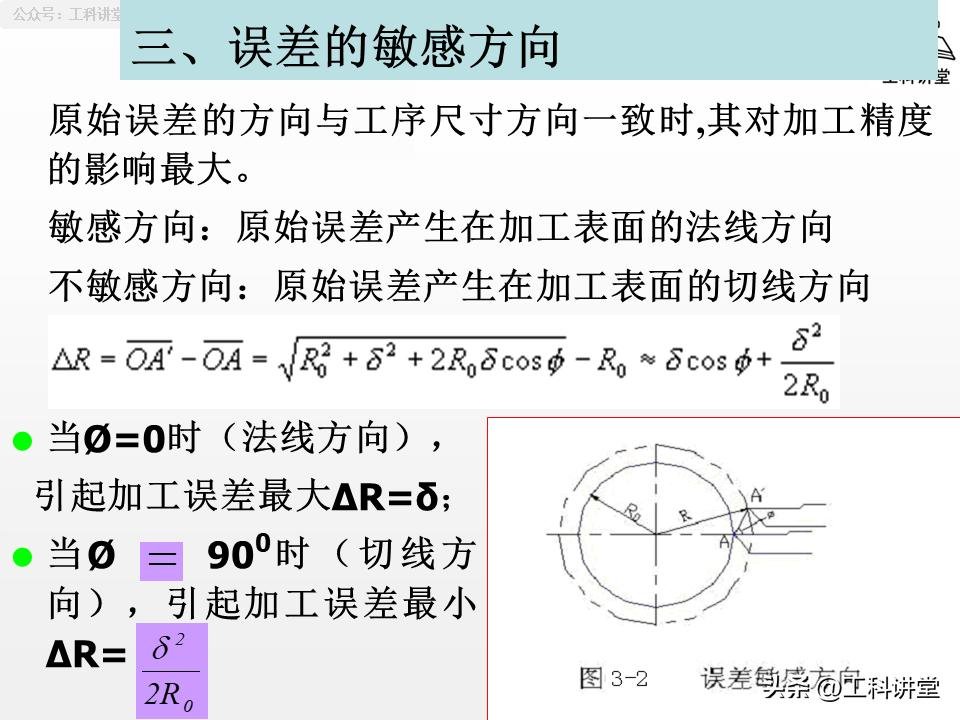
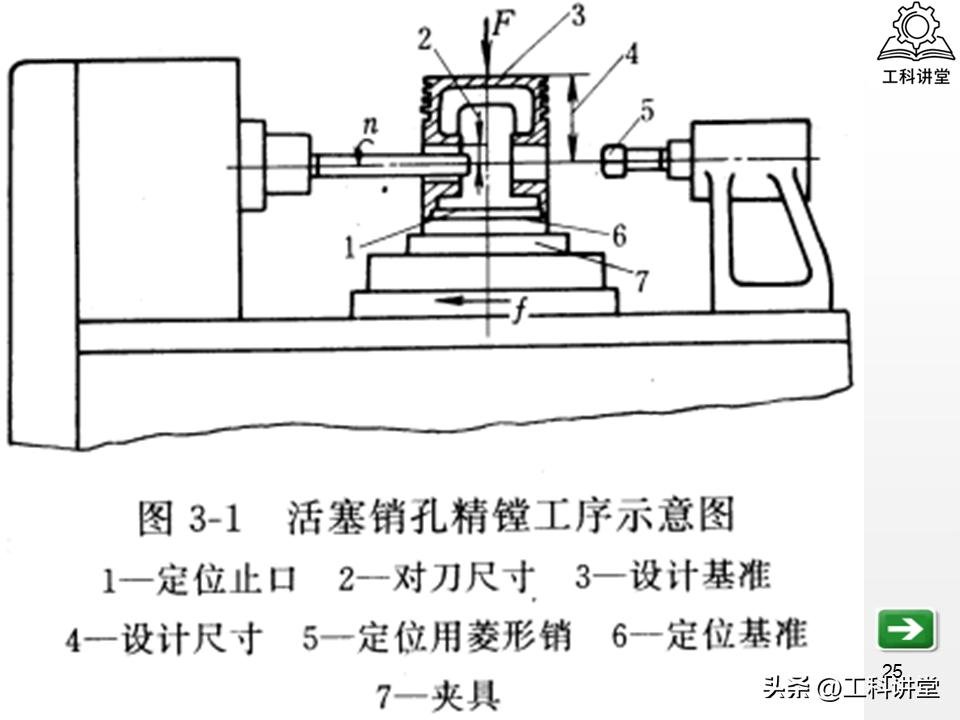
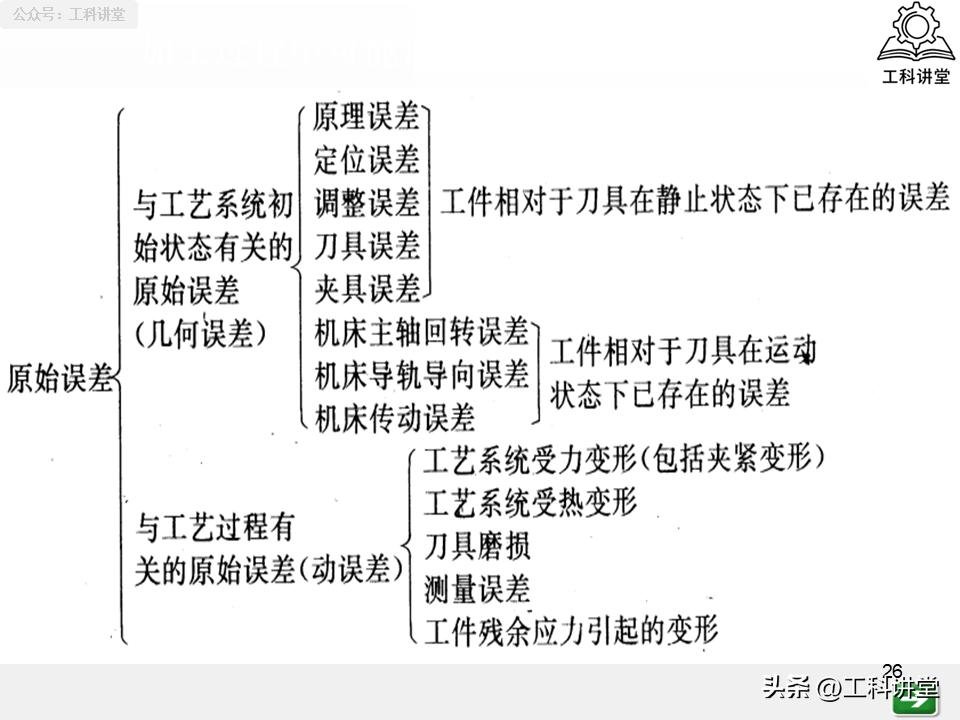
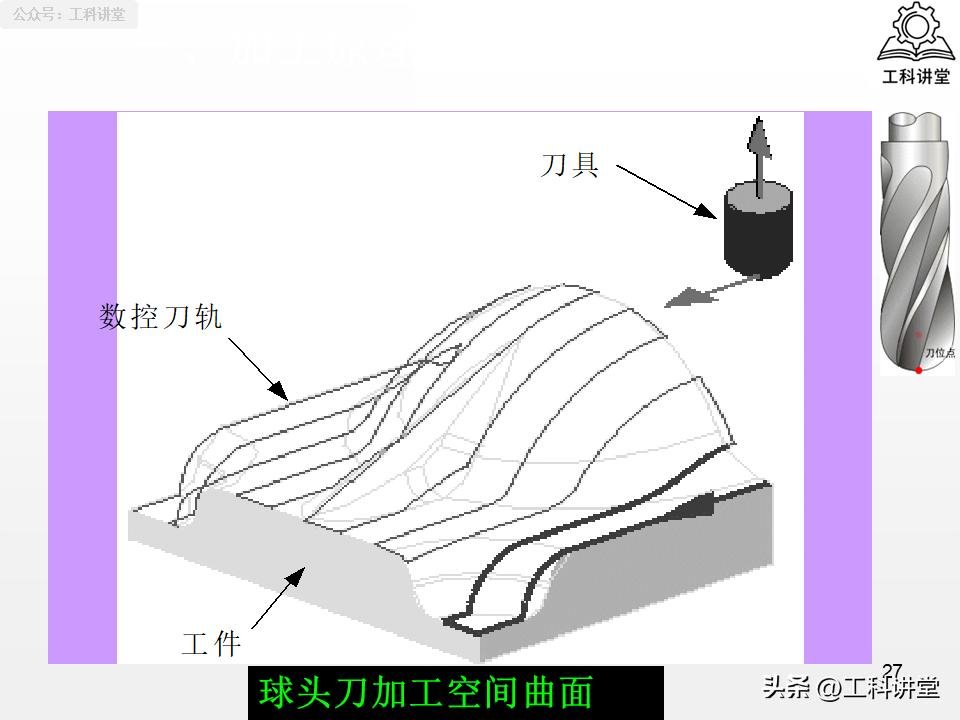
    When encountering a sudden out-of-tolerance situation in a single piece or small batch production, the single factor analysis method is the most practical troubleshooting method, and its core is to find the error-sensitive direction.
    机械加工误差控制_镗削加工精度保证方法_工艺系统误差分析

    镗削加工精度保证方法_机械加工误差控制_工艺系统误差分析

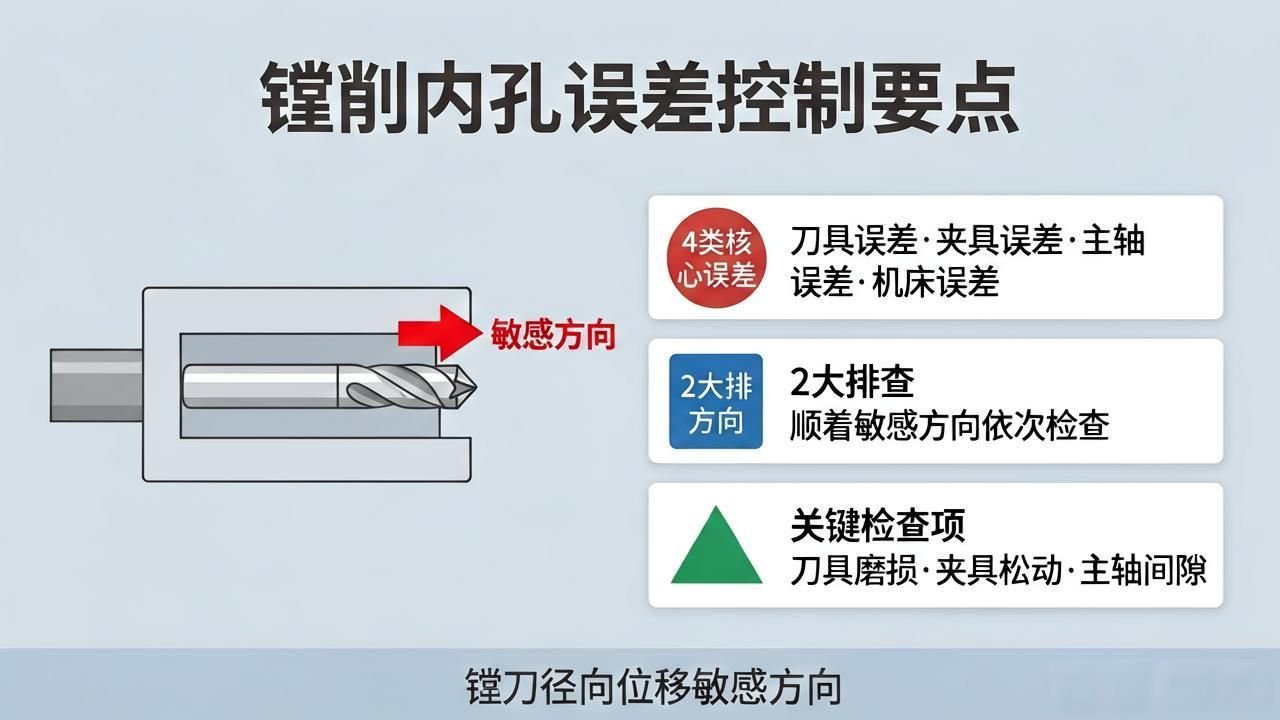
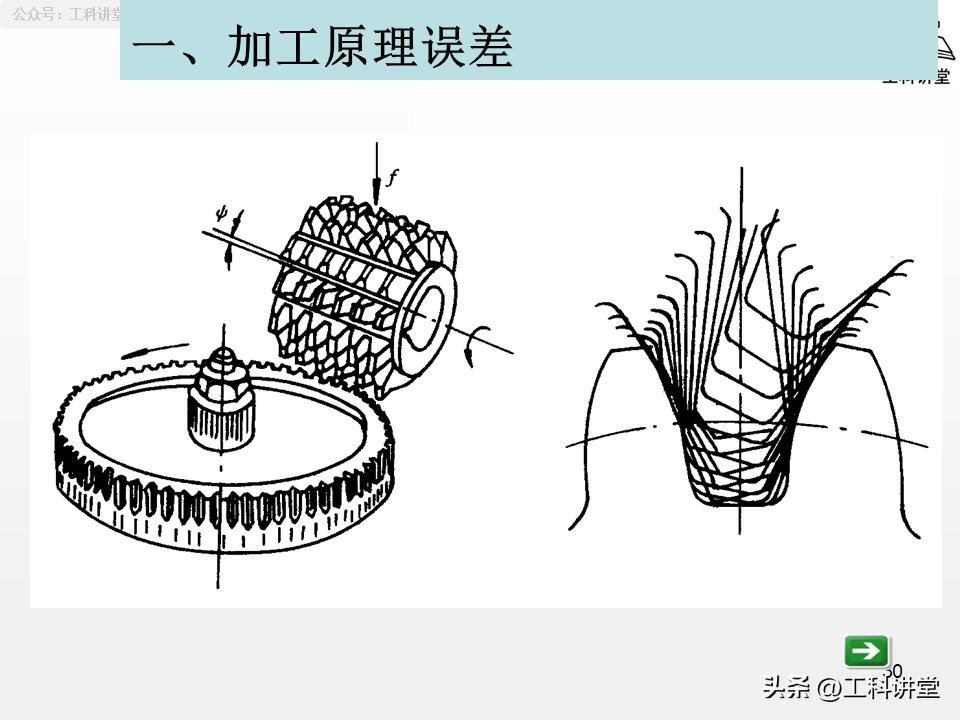
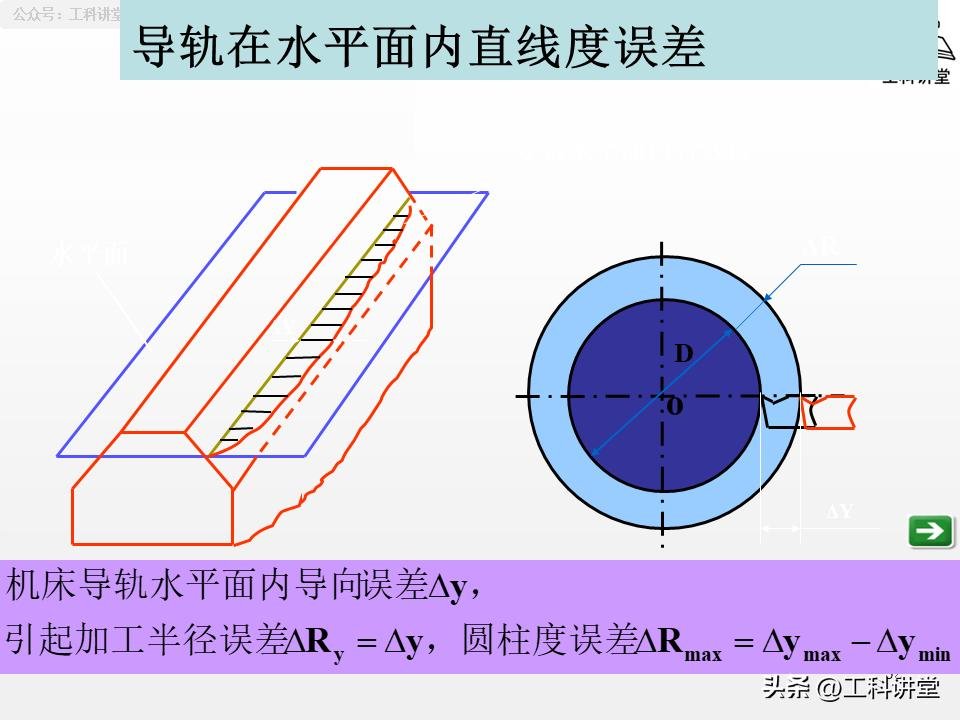
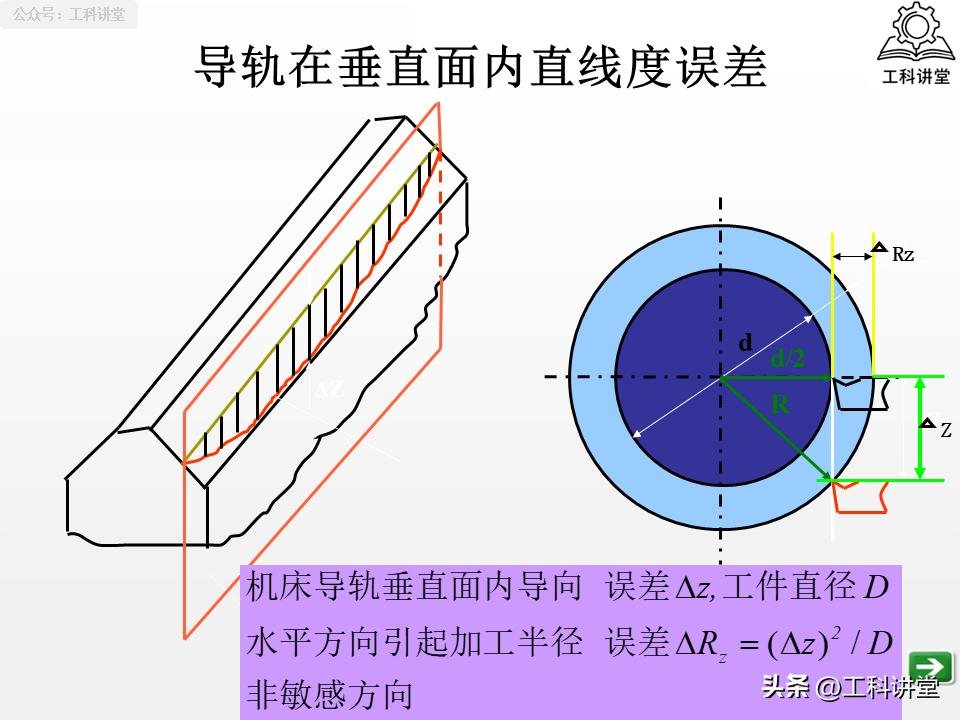
    As far as the positive normal direction of the machined surface of the part is concerned, the error-sensitive direction is this. Any displacement made in this direction will be reflected on the final size without any reduction, forming corresponding results.
    工艺系统误差分析_机械加工误差控制_镗削加工精度保证方法

    工艺系统误差分析_机械加工误差控制_镗削加工精度保证方法

    镗削加工精度保证方法_工艺系统误差分析_机械加工误差控制

    镗削加工精度保证方法_工艺系统误差分析_机械加工误差控制

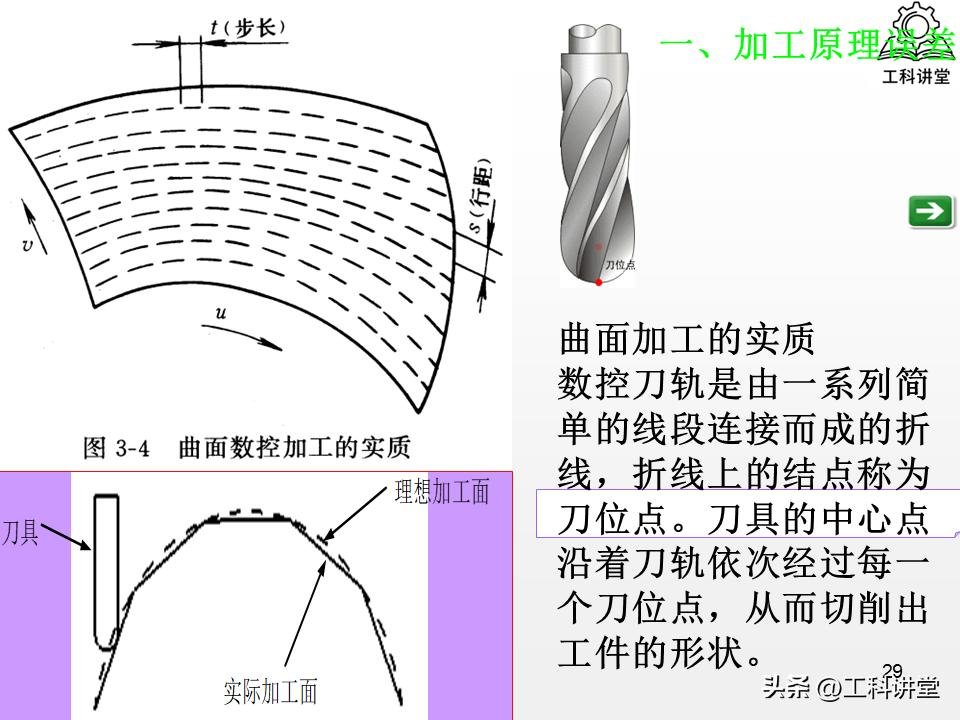
    Taking the boring of internal holes as an example, the direction of the radial displacement of the boring tool is the sensitive direction. When encountering an out-of-tolerance situation in the hole diameter, you can follow this direction to check the tool wear, whether the fixture is loose, and problems such as spindle clearance.
    机械加工误差控制_镗削加工精度保证方法_工艺系统误差分析

    镗削加工精度保证方法_工艺系统误差分析_机械加工误差控制

    镗削加工精度保证方法_机械加工误差控制_工艺系统误差分析

    This method can quickly identify key contradictions, prevent wasting time on large-scale inspections, and is particularly suitable for rapid response to unexpected quality problems on site.
    工艺系统误差分析_镗削加工精度保证方法_机械加工误差控制

    机械加工误差控制_镗削加工精度保证方法_工艺系统误差分析

    Mass production must rely on statistics
    工艺系统误差分析_机械加工误差控制_镗削加工精度保证方法

    机械加工误差控制_工艺系统误差分析_镗削加工精度保证方法

    工艺系统误差分析_机械加工误差控制_镗削加工精度保证方法

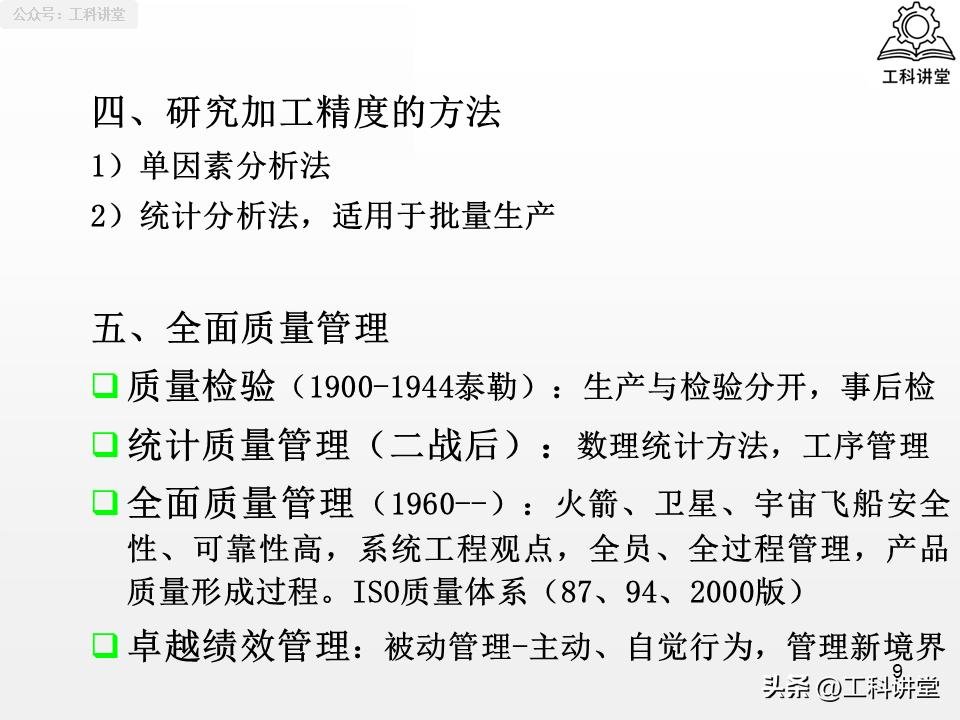
    When large-scale batch processing is carried out, it is no longer enough to rely on the experience of a single piece to make judgments. At this time, it is necessary to rely on statistical analysis to control the development trend of quality.
    机械加工误差控制_镗削加工精度保证方法_工艺系统误差分析

    镗削加工精度保证方法_工艺系统误差分析_机械加工误差控制

    机械加工误差控制_工艺系统误差分析_镗削加工精度保证方法

    Record the dimensions of the workpieces produced in the same batch of processing, and then draw the distribution curve and control chart. In this way, you can clearly see whether the error is systematic or random.
    工艺系统误差分析_镗削加工精度保证方法_机械加工误差控制

    镗削加工精度保证方法_机械加工误差控制_工艺系统误差分析

    If all the data tilts to one side, it means that it is a systemic reason such as machine tool debugging and tool length fixing, and it needs to be recalibrated.
    机械加工误差控制_工艺系统误差分析_镗削加工精度保证方法

    工艺系统误差分析_机械加工误差控制_镗削加工精度保证方法

    If the data dispersion exceeds the tolerance zone, it is mostly due to random errors caused by uneven blank margins or fluctuations in material hardness. At this time, the quality of the incoming materials must be improved from the source.

  • Sharing Of Methods And Steps For Soldering Using An Electric Soldering Iron

    Sharing Of Methods And Steps For Soldering Using An Electric Soldering Iron

    Sharing of methods and steps for soldering using an electric soldering iron

    Basic understanding of soldering iron

    In electronic manufacturing, the soldering iron is one of the most commonly used tools. It is mainly used to melt the solder and secure the electronic components to the circuit board. It consists of three parts: a handle, a heating element and a soldering tip. It is heated by electricity to achieve the temperature required for soldering.

    There are two types of soldering irons commonly seen on the market, one is a constant temperature soldering station and the other is an external heating type. Among them, the constant temperature soldering station has a stable temperature and is suitable for precision welding; the external heating type has the characteristics of simple structure, relatively cheap price and is suitable for general purposes. When making a selection, you need to make decisions based on actual welding needs.

    Preparation before welding

    Before carrying out welding operations, the first thing is to prepare the work surface properly and ensure that its surface is stable and clean so that the workpieces for welding can be placed stably. At the same time, it is also necessary to prepare auxiliary tools such as solder wire, tweezers, solder absorbers, and wet sponges so that they can be used at any time during the entire soldering process.

    Equally important is safety protection. You must wear goggles to prevent high-temperature solder from splashing and injuring your eyes. You must also keep the work area well ventilated to avoid inhaling the smoke and dust generated by soldering. If you weld for a long time, it will have an impact on your health.

    Detailed explanation of welding operation steps

    白铁铆焊件如何做防锈处理(刷漆)_焊接步骤详解_电烙铁使用方法

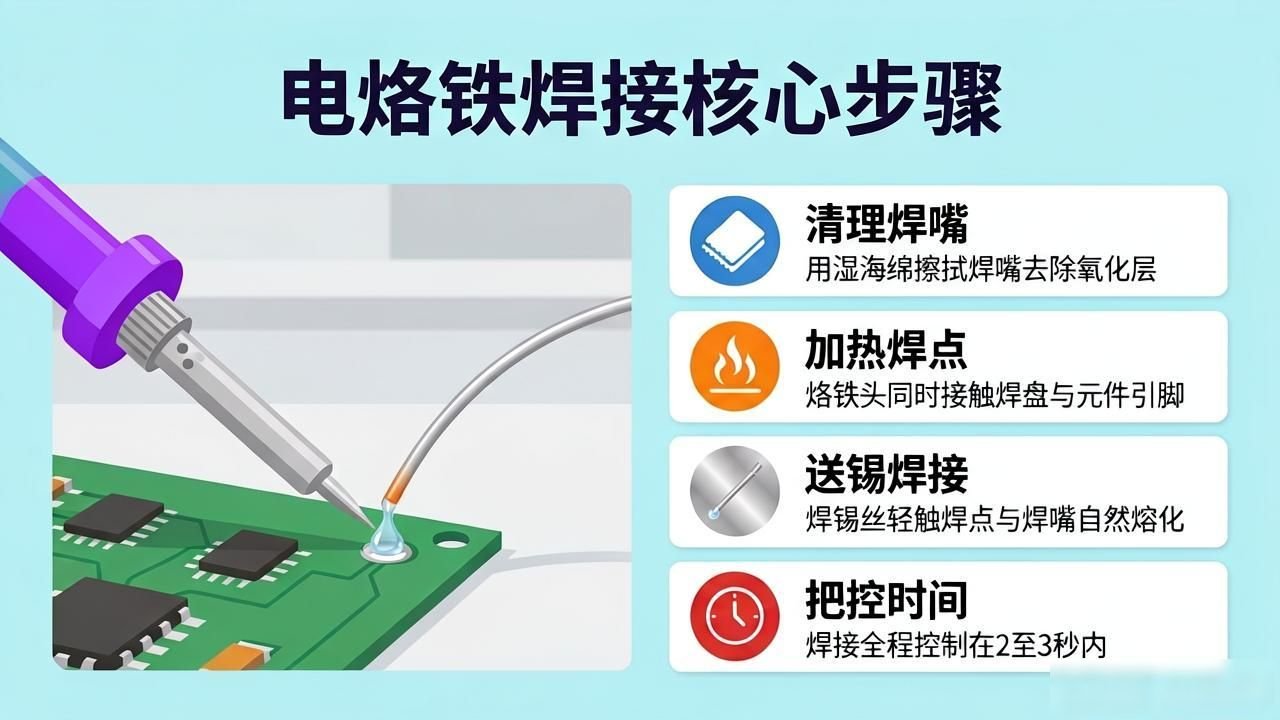
    When welding, you must first clean the welding tip to a clean state, then heat the solder joint, and then let the solder wire touch the solder joint and the welding tip, so that the tin used for welding melts in a natural state and flows toward the welding place. You need to focus on controlling the time it takes for welding. Generally, welding is completed within the range of two to three seconds to prevent components from being damaged.

    After removing the solder wire, remove the soldering iron. This is when the soldering is completed. Next, wait for the solder joint to cool and solidify on its own. Do not touch it with your hands, nor blow air to speed up the cooling of the solder joint. After it has cooled down, check whether the solder joints are full and bright, and whether there is any weak solder or tin connection.

    Safety precautions when welding

    It is important to note that when using a soldering iron, you must prevent burns. The unused soldering iron must be placed on a special stand and kept away from flammable items such as paper and cloth. Keep your hands steady during the welding process to prevent uneven solder joints due to shaking.

    Do not overheat the soldering iron. If the temperature is set too high, it will damage the components and accelerate the oxidation of the soldering tip. When welding, just touch the solder joint lightly and do not use excessive pressure to compress the solder. This way, the solder can flow and spread naturally, and the effect will be better.

    Cleaning and maintenance of welding tips

    电烙铁使用方法_焊接步骤详解_白铁铆焊件如何做防锈处理(刷漆)

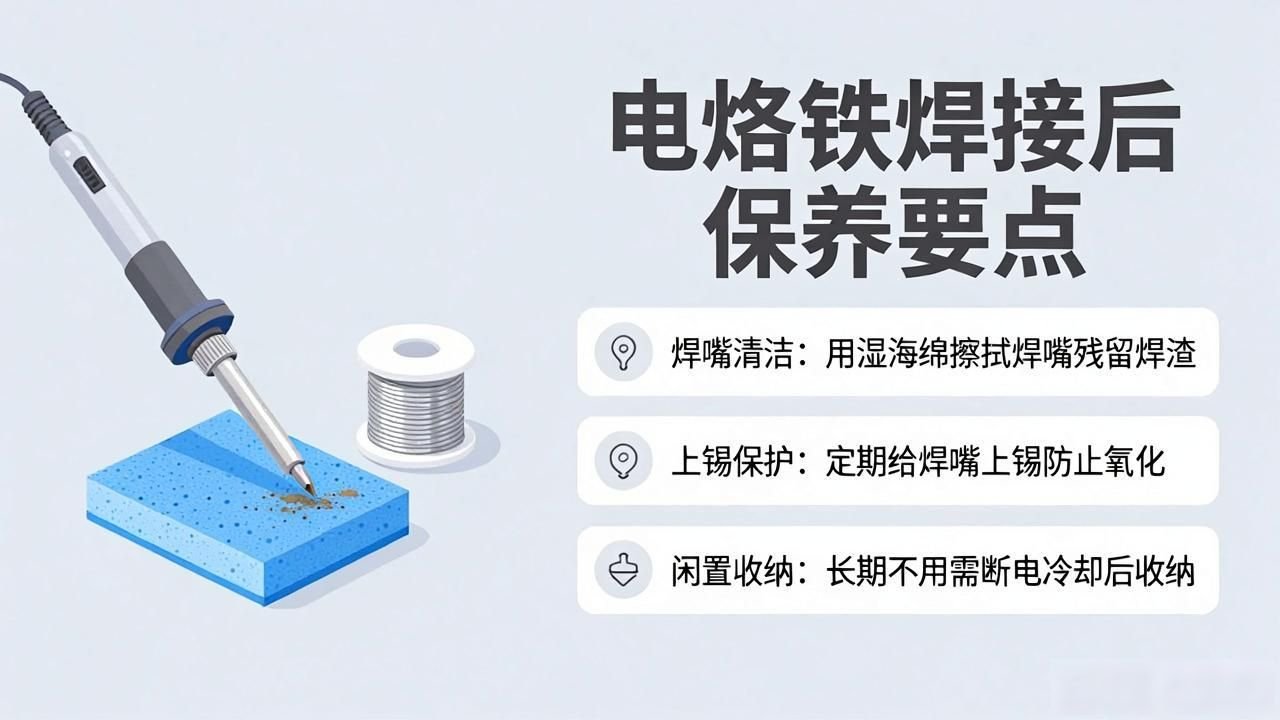
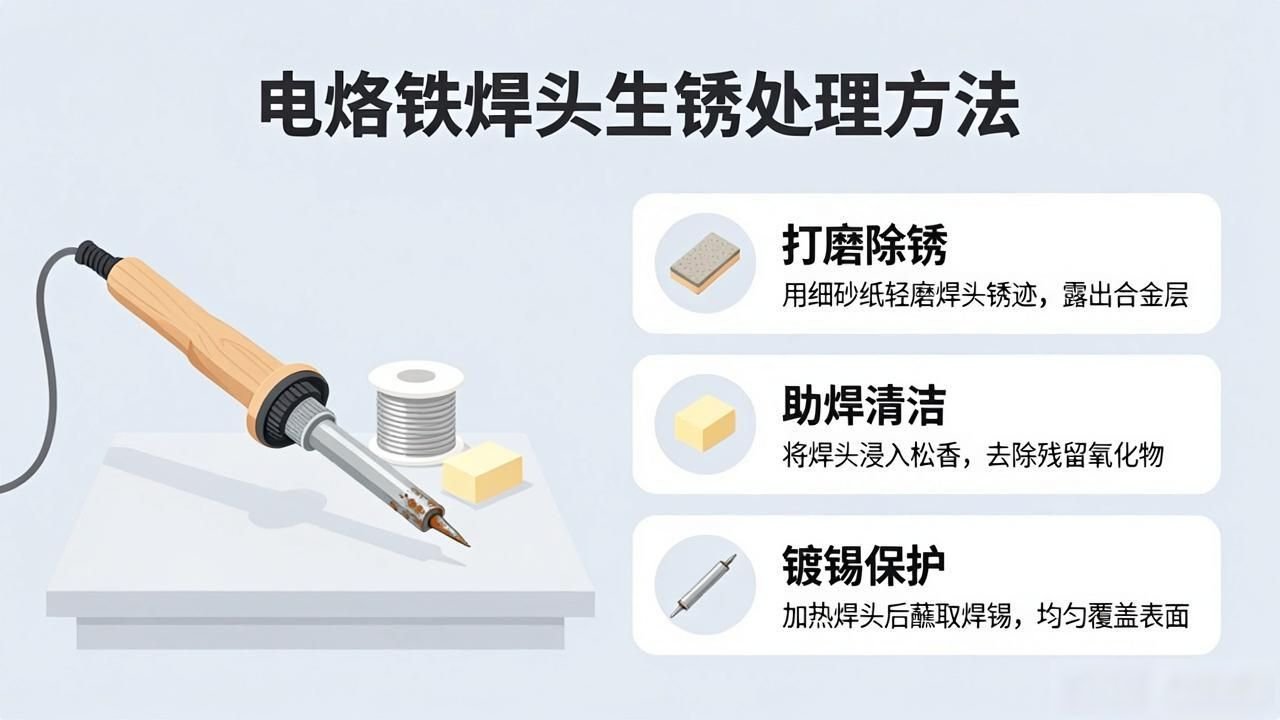
    How to perform anti-rust treatment (painting) on ​​tinplate riveted weldments after each welding? The welding nozzle needs to be cleaned immediately and the remaining welding slag should be wiped with a wet sponge. It is necessary to implement tin protection measures for the soldering tip regularly, which can prevent it from oxidation and extend its service life. For a soldering iron that has not been used for a long time, you should unplug it from the power source and wait for it to cool down completely before storing it.

    Once you notice that the welding tip is rusty or the oxidation is extremely serious, you should immediately replace it with a new one. The welding tip is a consumable item. Maintaining good usage practices can make the welding effect more stable and reliable. During storage, place it in a dry area to prevent moisture from affecting the next use.

    Common welding problem solutions

    How to perform anti-rust treatment (painting) on ​​tin rivet weldments when there is a weak solder during welding? The situation may be caused by the temperature not meeting the requirements or the welding time being too short. To reheat the solder joint, first add a small amount of solder and then melt it again, so that the solder can fully wet the pads and pins. If tin connection occurs due to too much solder, you can use a solder suction device to remove the excess solder.

    The surface of the solder joint is rough and dark, which indicates that the degree of oxidation is extremely severe or the temperature is too high. It is necessary to check the quality of the solder, lower the soldering temperature appropriately, and ensure that the operation is within the appropriate temperature range. For precision components, it is recommended to use a constant temperature soldering station with adjustable temperature to perform soldering.

    What kind of problems have you encountered during the welding process? Welcome to share your experience, like and bookmark this article so that more novices can avoid such detours!

  • It Is The Same Gantry Boring And Milling Machine. Why Is The Machining Accuracy So Different? The Key Lies In These Three Points

    It Is The Same Gantry Boring And Milling Machine. Why Is The Machining Accuracy So Different? The Key Lies In These Three Points

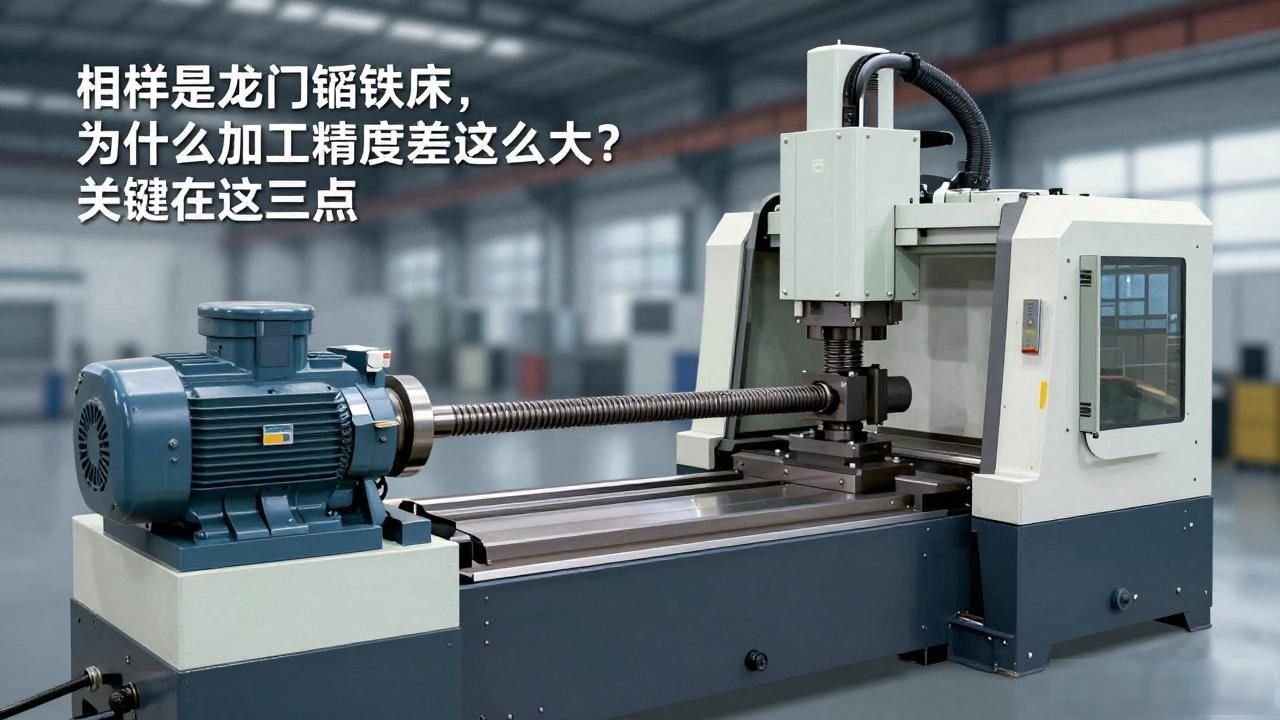
    The same gantry boring and milling machine is also a gantry boring and milling machine. Why is the machining accuracy so different? The key lies in these three points. Why is the processing accuracy so different? The key lies in these three points

    The method to ensure the boring processing accuracy of machine tools with similar parameters, but the processing results are completely different. The method to ensure the boring processing accuracy . What is the problem?

    When many factories purchase CNC gantry boring and milling machines, they will be attracted by the parameters given by the sales. The bed size, stroke range, and spindle power of the same model are basically the same. However, after they are actually put into production, some can stably process high-precision parts, while others frequently have dimensional deviations. This is not a matter of luck, but an essential difference in the inherent design of the equipment.

    Structural rigidity of bed and beams

    When boring large workpieces, the tool is subjected to long-lasting cutting force. If the machine bed and beam are not thick enough according to the structure, or the cast iron is not mixed to a certain proportion, the equipment will produce slight deformation when it bears the force. Such deformation may not be noticeable in a single machining process. However, as the processing time continues to accumulate, The dimensional accuracy of the workpiece will gradually develop in a direction that deviates from the design drawing requirements.
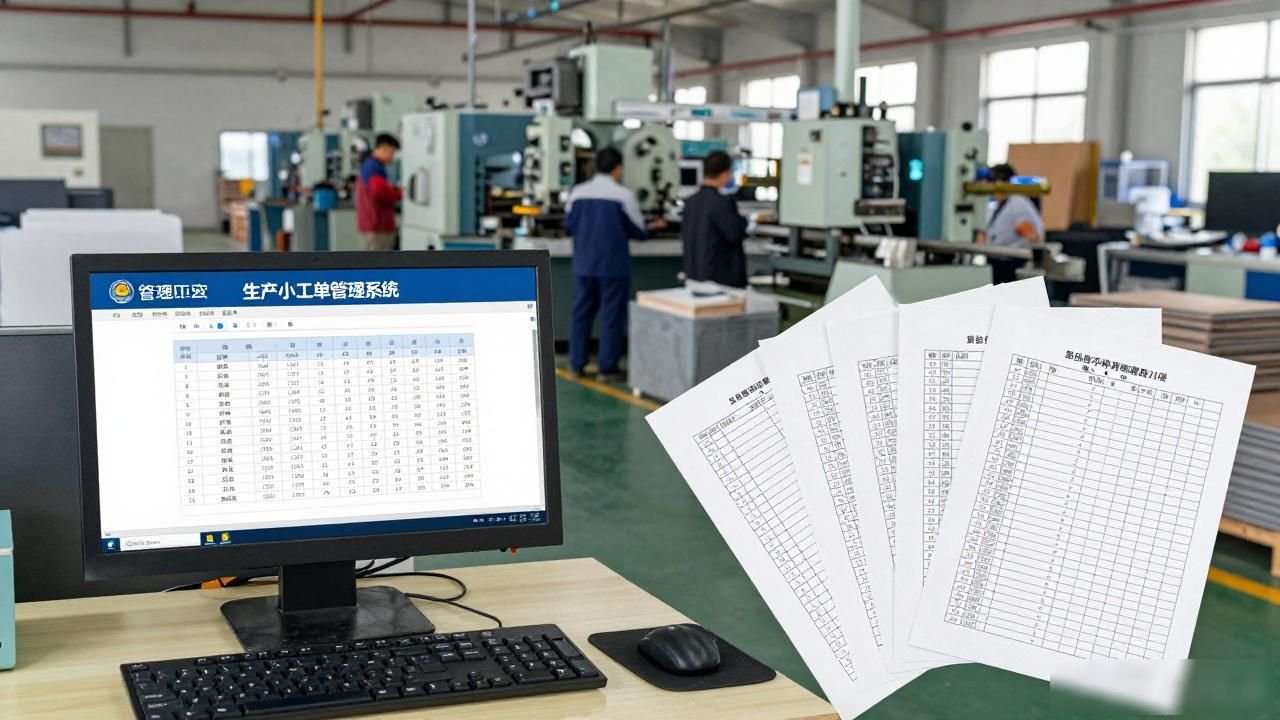
    In order to reduce costs, some manufacturers will take measures such as reducing the wall thickness of the bed or reducing the specific number of reinforcing ribs. This approach can lower prices in the short term, but in the long term, equipment with insufficient rigidity is prone to vibration during the fine boring process, and it is difficult to ensure the consistency of hole diameters. When purchasing, you need to pay attention to the bed construction process and structural design, not just the surface size.

    Matching of transmission system

    传动系统匹配性优化_镗削加工精度保证方法_数控龙门镗铣床刚性结构选择

    Many purchasers have a misunderstanding that the bigger the motor power, the better. In fact, the quality of the transmission system depends on the overall mutual matching between the motor, screw, reducer and other components. If the motor torque is too large but the screw support stiffness is insufficient, resonance will occur during high-speed operation, resulting in reduced positioning accuracy.
    A transmission system that meets the requirements must be comprehensively calculated based on the processing load and stroke range. Appropriate acceleration settings can keep the equipment in a stable state during rapid movement, avoiding overshoot due to emergency stops and starts. When a mismatched system is used for a long time, the screw and guide rails will wear out faster, and the precision life of the equipment will be significantly shortened.

    Thermal deformation control ability

    During the working process, components such as the motor, spindle, and hydraulic system of the CNC gantry boring and milling machine will generate heat. There is thermal expansion in large components. Although it is small, for high-precision boring, thermal deformation of a few tenths of a millimeter is enough to cause the workpiece to be scrapped. For equipment that lacks thermal balance design, the accuracy will drop significantly after a period of time after starting up.

    Special thermal deformation control requires thermal analysis during the design stage, including rationally arranging the location of heating components, adding cooling channels, selecting materials with low thermal expansion coefficients, etc. Some high-end models are also equipped with a temperature compensation system that monitors temperature changes in various parts of the machine tool in real time and automatically corrects the processing coordinates to ensure accuracy and stability during long-term processing.

    Maintenance of accuracy of spindle system

    The core component of boring processing is the spindle, and the processing quality of the hole is directly affected by its accuracy. The high-quality spindle uses high-precision bearings and undergoes strict preloading to maintain radial and axial stability during long-term high-speed operation. An important indicator of spindle quality is thermal elongation.

    Some cheaper models use ordinary spindles, and their performance is acceptable during short-term test operations. However, after continuous processing for several hours, the radial runout will increase due to the increase in spindle temperature. As a result, the roundness and position of the boring hole will exceed the tolerance range. When making a selection, you should focus on the spindle brand, bearing grade, and thermal elongation compensation design. These are extremely critical factors to ensure boring accuracy.

    Control system and compensation technology

    镗削加工精度保证方法_数控龙门镗铣床刚性结构选择_传动系统匹配性优化

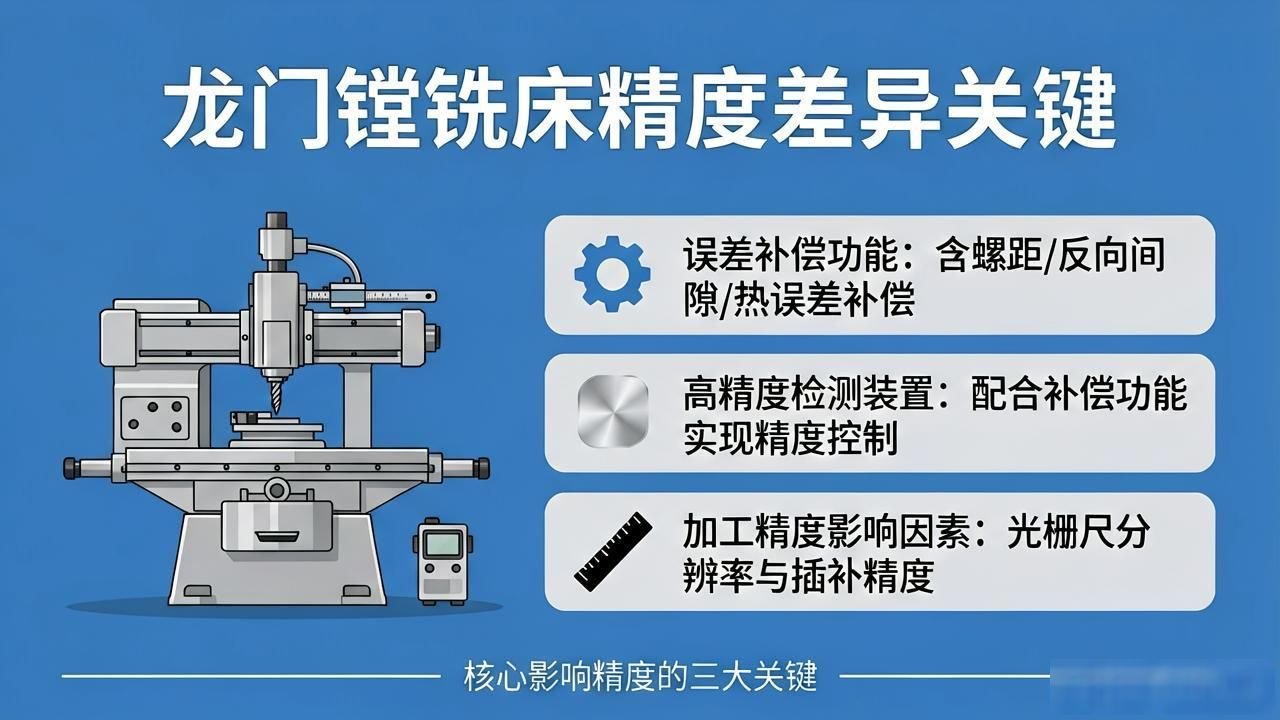
    A modern CNC system with multiple error compensation functions, including pitch error compensation, backlash compensation, thermal error compensation, etc. These compensation functions must be realized with high-precision detection devices. The final actual processing effect will be affected by the resolution of the grating ruler and the interpolation accuracy of the system.

    Although some equipment has a compensation function as standard, the actual compensation effect is limited due to the lack of accuracy of the detection components or the simplicity of the compensation algorithm. A mature control system can study the error patterns of the equipment and continuously optimize the compensation parameters, so that the equipment can still maintain the factory accuracy level after running for several months, which is difficult to achieve with low-priced models.

    The importance of long-term accuracy stability

    When purchasing a CNC gantry boring and milling machine, you can't just look at the detection data when it is just turned on. The real test of equipment quality is the ability to maintain accuracy after three months, half a year later, and even one year later. If a machine tool is well designed, it can continuously output stable processing results under various working conditions. This is the production tool that enterprises really need.

    Investing in large-scale processing equipment is a considerable expense. When making a choice, long-term stability and after-sales technical support must be placed in a more critical position than the initial price. So what kind of equipment is good? Only equipment that can continuously guarantee the accuracy of boring processing can bring long-term economic benefits to the company, thereby avoiding many losses caused by frequent rework and scrapped workpieces.

    Have you ever experienced a decrease in accuracy of the CNC gantry boring and milling machine you are currently using after a long period of use? You are welcome to share your experience in use in the comment area. If you find this article useful, please like it and forward it to more friends in need.

  • Ruihao's Damping And Shock-absorbing Tool Holder Solves The Problem Of Vibration In New Energy Housing Processing And Enables Precise And Efficient Mass Production.

    Ruihao's Damping And Shock-absorbing Tool Holder Solves The Problem Of Vibration In New Energy Housing Processing And Enables Precise And Efficient Mass Production.

    Ruihao's damping and shock-absorbing tool holder solves the problem of vibration in new energy housing processing and enables precise and efficient mass production.

    Is the boring accuracy of aluminum alloy shell always unstable? Damping and shock-absorbing tool holder helps you solve vibration problems

    New energy housing processing is facing severe challenges

    The new energy automobile industry is developing rapidly. Against this background, the processing requirements for core components such as motor casings, electronic control casings, and reducer casings are becoming increasingly demanding. These components are developing in the direction of thin walls, deep cavities, and complex cavities. This poses a test to machining accuracy and machining efficiency. The application proportion of aluminum alloy materials continues to increase, making the cutting process more complex.

    The traditional processing method exposes obvious shortcomings when dealing with long overhang operations. It also shows great shortcomings when performing deep cavity operations. The vibration problem runs through the entire processing process and directly affects the product qualification rate. Many manufacturing companies are therefore in a dilemma. Ruihao damping and shock-absorbing tool arbors solve the vibration problem of new energy housing processing and enable precision and efficient mass production. It is necessary to ensure accuracy and control costs. Traditional means, It has been difficult to meet market demand.

    Deep cavity boring vibration tool is a common pain point in the industry

    The difficulty of processing is determined by the staggered structure of multiple cavities inside the housing. Thin wall thickness and poor rigidity are common characteristics of aluminum alloy castings. The overhang length of the tool often reaches more than 6 times the diameter. In this situation, the cutting force changes drastically, which can easily cause resonance phenomena. The surface roughness Ra value exceeds the standard, and the coaxiality and flatness are difficult to meet the standards, which has become a common problem.

    镗削加工精度保证方法_阻尼减震刀杆_铝合金铸件加工

    Many factories have to reduce cutting parameters in exchange for stability. Reducing rotational speed and depth of cut directly results in longer processing time for a single piece, lowering the overall utilization rate of equipment. Accelerated blade wear also causes tool costs to rise. Many companies have abandoned some high-precision orders for this reason, and their competitiveness has gradually weakened.

    There are special requirements for cutting aluminum alloy materials

    Materials such as ADC12 and A356 that can be used for aluminum alloy casting have the characteristics of good thermal conductivity and high viscosity. During the cutting process, this type of material can easily generate built-up edge, which will affect the quality of the machined surface. When under specific working conditions of intermittent cutting, the force endured by the tool will be unbalanced, and the tool tip will bear impact load at a relatively high frequency.

    For aluminum alloy materials, the selection of cutting parameters requires comprehensive consideration. The appropriate rotation speed, appropriate feed and appropriate depth of cut can effectively reduce the source of vibration. However, it is impossible to fundamentally solve the problem by simply adjusting parameters. Especially in complex working conditions such as deep cavity operations, more professional tools are needed to provide support.

    Traditional tool holders cannot meet accuracy requirements

    It is an objective fact that ordinary tool holders lack rigidity during long overhang operations. The cutting vibration is transmitted to the workpiece surface through the tool holder, thereby forming visible vibration marks. These vibration marks often appear in key parts such as bearing holes and mounting surfaces, which directly affect assembly quality and product performance.

    Traditional solutions are mostly achieved by increasing the diameter of the tool holder or shortening the overhang length. However, these practices will limit the processing range, making it impossible to meet the processing needs of complex cavities. Some companies even switch to welded tool holders. Although the rigidity has been improved to a certain extent, the flexibility and versatility have been greatly reduced.

    铝合金铸件加工_镗削加工精度保证方法_阻尼减震刀杆

    Damping and shock-absorbing technology brings fundamental changes

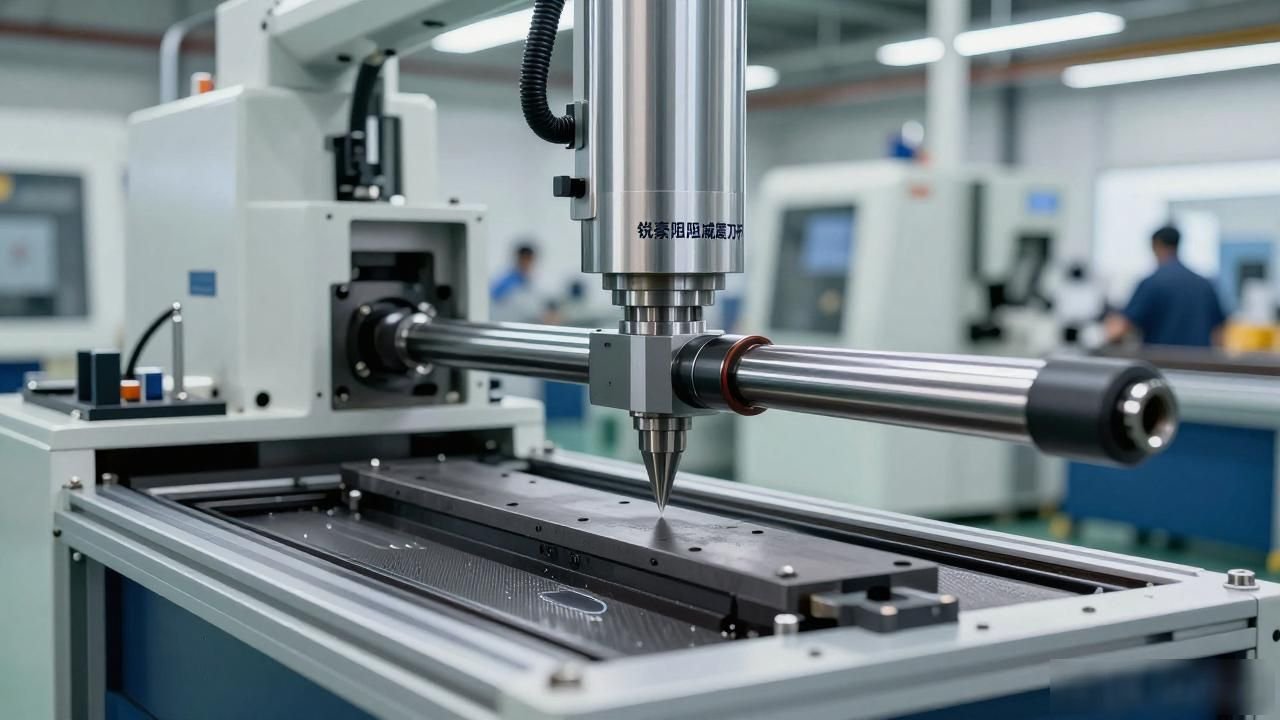
    Applying the principle of tuned mass damper provides a new idea for the vibration problem. A high-density damping weight is built into the tool holder, which is suspended and supported by elastic elements, and combined with the damping medium to form a passive vibration absorption system. This design can greatly improve the vibration suppression capability without changing the external dimensions of the tool holder.

    When vibration occurs in cutting, the damping block will generate an inertial force in the opposite direction to the vibration direction. This reverse force can effectively absorb and offset the vibration energy and suppress the occurrence of resonance. It has been verified through practical application that the stability of the tool in long overhang conditions has been significantly improved after using this technology.

    Improvement of processing efficiency is supported by data

    After applying the damping and shock-absorbing tool holder, the surface roughness Ra value can be reduced by at least 30%. Important parts such as bearing holes and mounting surfaces must be stable and can meet micron-level precision requirements. Form and position tolerance indicators such as coaxiality, flatness, and position can all meet the assembly standards of new energy casings, thereby significantly reducing secondary grinding and repairs.

    The processing efficiency is also significantly improved, and the cutting parameters can be increased by 30% to 50%. The service life of the blade is extended, thereby reducing the cost of consumables, and the overall utilization rate of the equipment is also increased. Special optimization of the aluminum alloy material of the new energy housing and the deep cavity structure gives the tool holder strong adaptability to working conditions, and can be customized with different overhang lengths and connection methods according to needs.

    During the processing of new energy vehicle casings, have you ever encountered the problem of unstable accuracy due to vibration? Welcome to the comment area to share your experience and solutions.

  • What To Do If The Soldering Iron Tip For Soldering Circuit Boards Is Rusty?

    What To Do If The Soldering Iron Tip For Soldering Circuit Boards Is Rusty?

    What to do if the soldering iron tip for soldering circuit boards is rusty?

    白铁铆焊件如何做防锈处理(刷漆)_处理氧化层助焊剂_焊接电瓶接线端子

    Surface treatment before welding is critical

    When welding tinplate rivet weldments, the oxide layer displayed will have a very serious impact on the welding quality. If welded directly, the solder joints will be very fragile and prone to breakage or falling off. Therefore, surface preparation must be done before welding.

    Be sure to use sandpaper carefully to carefully polish the welded part until the original color of the metal shows through. This specific step is extremely important, especially for riveted weldments that have been stored for a long time, and there is usually an oxide film on the surface. After the grinding is completed, the oil dirt and impurities can also be removed, thereby making the subsequent welding work smoother.

    Be particular about flux selection

    Rosin is an excellent flux for rust-proofing (painting) tinplate rivet weldments . Its price is affordable and its effect is stable. How to perform anti-rust treatment (painting) on ​​white iron rivet weldments used in electric soldering irons over 100 watts? Melt the rosin and apply it to the welded parts. Rosin can remove the oxide layer and prevent re-oxidation during welding.

    焊接电瓶接线端子_白铁铆焊件如何做防锈处理(刷漆)_处理氧化层助焊剂

    Before welding, the wires or rivets must be tinned. The so-called tinning is to coat the surface with such a thin layer of tin. After this step is actually completed, it will become quite easy to carry out the formal welding work. At this point, the solder can spread evenly and form a strong connection point.

    Key points of welding operations

    After placing the tinned components in the soldering position, the soldering iron must carry sufficient amount of solder. It must be kept stable when starting to solder, and do not move in a hurry. Release the components only after the solder has completely solidified.

    When welding, if the time continues for too long, it will easily lead to damage to the components or cause virtual welding. For larger welding areas, a higher power soldering iron can be used, and the general recommendation is 40 to 60 watts. For small area welding, you can use about 30 watts to weld the circuit board. What should you do if the soldering iron tip of the circuit board is rusty? This is enough to ensure the welding quality without burning the surrounding components.

    Anti-rust treatment cannot be ignored

    After the welding is completed, the surface of the tinplate rivet weldment is still very easy to rust. The simplest way to prevent rust is to paint. Choosing an anti-rust primer will give you the best results. Before painting, make sure the welding area is clean and there is no welding slag or rosin residue.

    After the primer is completely dry, you can apply another layer of topcoat, which not only prevents rust but also has a beautiful effect. For rivet welding parts used outdoors, the recommendation is to choose paint with good weather resistance. Inspect it once a year. If you notice any damage to the paint surface, repair it in time. This can greatly extend the service life.

    Tips for different welding scenarios

    处理氧化层助焊剂_白铁铆焊件如何做防锈处理(刷漆)_焊接电瓶接线端子

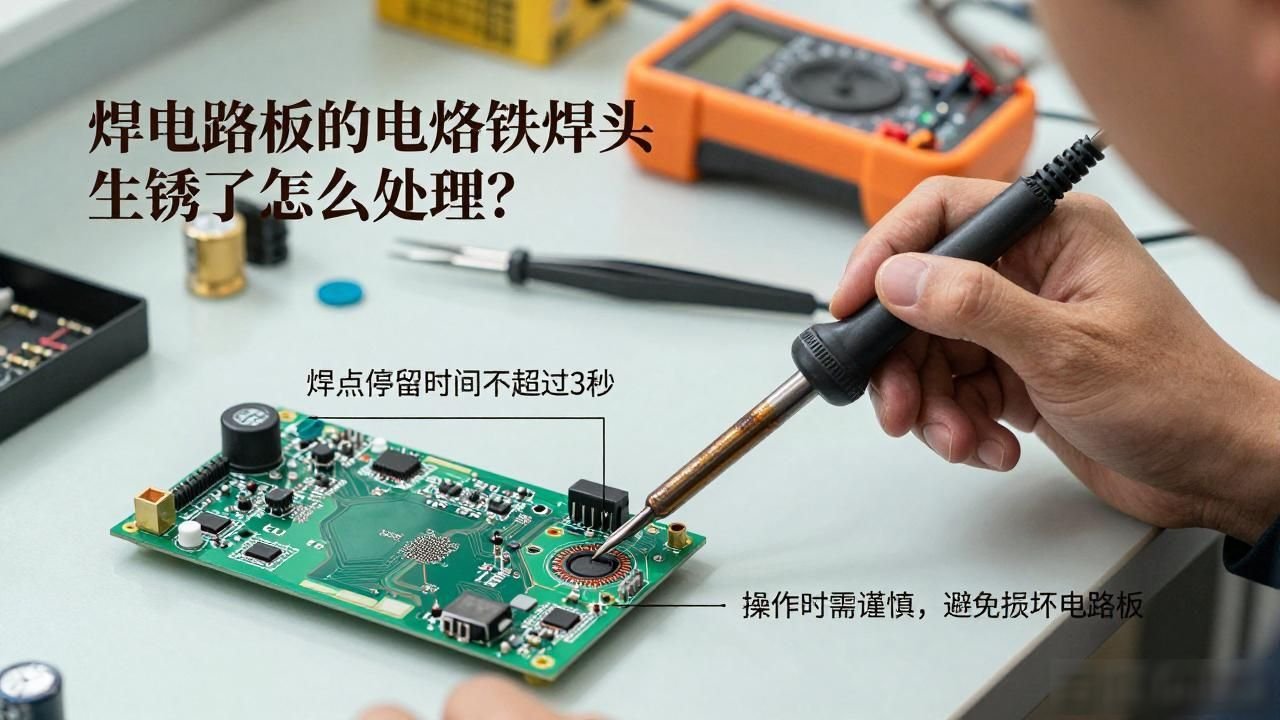
    When engaging in the operation of soldering circuit boards, you need to be extremely cautious. It is most appropriate to control the power of the soldering iron at about 30 watts. If the power is too high, the copper foil on the circuit board will be burned, causing damage that is impossible to repair based on the existing condition. Moreover, the time spent on welding must also be short, and each soldering point should not stay longer than three seconds.

    When soldering alligator clips or other large joints, higher temperatures and more solder are required due to the large contact area. At this time, you can use a soldering iron of more than 60 watts, and make sure that the welding part is fully heated before adding solder, so that a reliable connection can be formed.

    Frequently Asked Questions and Solutions

    The common phenomenon of welding easily falling off is mostly caused by poor surface smoothness or insufficient welding heat. When encountering this kind of situation, first use sandpaper and do some polishing. After confirming that the unique luster of the metal is revealed, continue to weld.

    It is not something that happens occasionally. The appearance of the solder joints appears to be normal but in fact it is not firmly connected. This problem of false soldering will appear from time to time. Increase the amount of solder used and extend the time required for welding so that the solder can fully penetrate into the welded part. This is the solution. After welding, you can test how the tinplate rivet weldments are rust-proofed (painted) by gently pulling them with your hands to verify whether the connection is firm.

    Have your tinplate rivet weldments been poorly welded, unable to be firmly combined, or rusted? How did you solve this problem? You are sincerely welcome to share your experience and knowledge in this area in the comment area!

  • Carbon Dioxide Shielded Welding Wire Types Literature

    Carbon Dioxide Shielded Welding Wire Types Literature

    Carbon dioxide shielded welding wire types literature

    Holding a certificate to work is the bottom line

    Only operators with electric welding licenses are allowed to work. This is an ironclad rule. If you use a welding gun without a certificate, it will not only violate the regulations but may also cause an accident. When regulatory authorities conduct an inspection, the first thing they do is to check the operating certificate. If a company hires undocumented personnel, all responsibility will fall on the management if something goes wrong. Therefore, if someone wants to learn secondary welding, he must first obtain a certificate, which is a certificate for entering this field.

    At present, it is relatively simple to obtain a welder certificate. Find a formal training institution, sign up, and carry out theoretical study and practical training. You can usually get the certificate in half a month. Be sure not to get a fake ID. Once it is discovered, it will really cost you more than you gain, and it will delay your work and have an impact on your credit record.

    Gas flow must be accurate

    The flow rate of carbon dioxide gas has a direct impact on the quality of welding. When the flow rate is too small, the shielding gas cannot achieve full coverage, and the weld seam is prone to pores due to oxidation. When the flow rate is too large, the air flow will be turbulent and air will be drawn in. Under normal circumstances, it is recommended to control the flow rate at fifteen to twenty liters per minute.

    After opening the gas bottle, first adjust the flow knob and wait until the flow meter stabilizes before proceeding with welding. The gas supply switch needs to be turned to the "welding" position to ensure a continuous supply of gas. When carrying out the inspection, you must first confirm whether there is air leakage in the air pipe and whether the joints are loose. If these details are not handled well, there will definitely be problems with the welding work.

    Solid wire and flux cored wire

    CO2焊接操作步骤_二氧化碳保护焊操作规程_二保焊实心焊丝和药芯焊丝铆焊区别

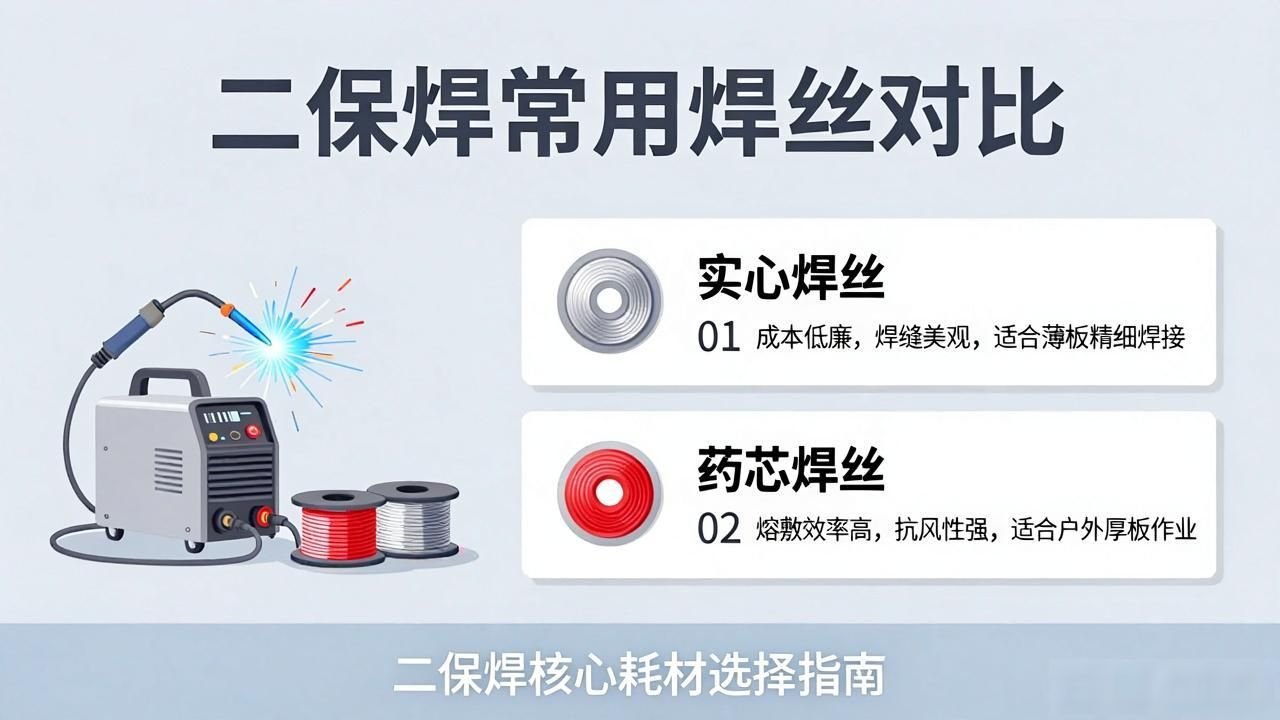
    Solid welding wire and flux-cored welding wire are the two most commonly used materials for secondary welding. Solid welding wire is low-cost and the welded seam shape has beautiful features and is suitable for thin plate welding and precision work. Flux-cored welding wire has higher deposition efficiency and strong wind resistance, and is suitable for outdoor operations and thick plate welding.

    When considering welding wire selection, several factors need to be taken into consideration, namely the thickness of the workpiece; the location of the welding; and the surrounding environmental conditions. For thin plates, 0.8mm solid welding wire should be used for welding; for medium and thick plates, 1.0 or 1.2mm solid welding wire should be used for welding. In outdoor environments with windy conditions, flux-cored wire should be considered first. The wire feed wheel must also match the wire diameter, otherwise, the wire will easily get stuck or the wire feed will be blocked and not smooth.

    How to adjust welding parameters

    When welding, the current and voltage must match. If the current is too high, the weld will be too wide, and if the voltage is too high, spatter may easily occur. Typically, for 1.0 mm solid wire, adjust the voltage to 18 to 22 volts when using 100 to 140 amps. For 1.2mm wire, use 140 to 180 amps and 22 to 26 volts.

    The position of the switch for arc closing must be selected based on actual needs. The arc closing function can prevent arc craters from appearing at the end of the weld, thereby reducing the risk of cracks. The operation of the welding gun switch also has corresponding tips. When it is pressed, it is the arc starting state, when it is released, it is the normal welding state. Press it again to enter the arc closing mode, and finally release it to stop the arc. Once you are familiar with this process, you can improve your work efficiency.

    The finishing touches after welding cannot be missed

    CO2焊接操作步骤_二氧化碳保护焊操作规程_二保焊实心焊丝和药芯焊丝铆焊区别

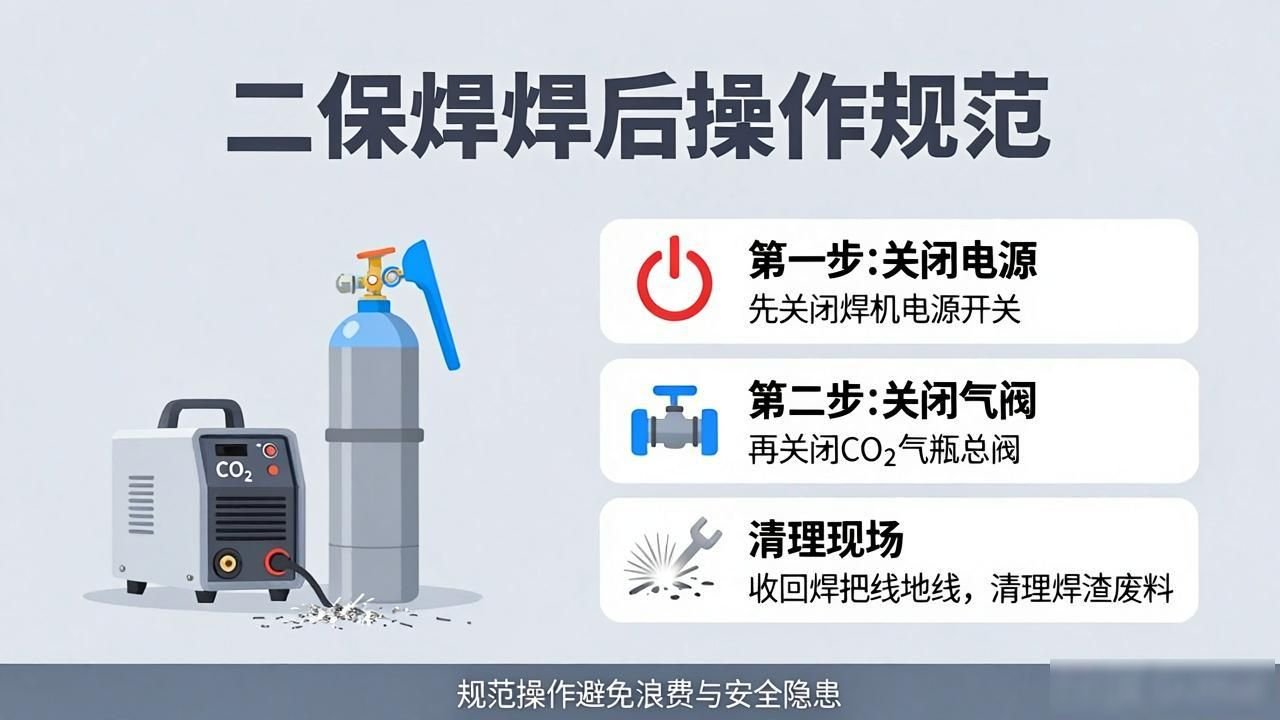
    After the welding work is completed, first turn off the power switch, and then turn off the main valve of the CO2 cylinder. This is a basic operation category. However, when many people leave directly after welding, the gas valve is still open. This not only causes a waste of gas, but also poses safety risks. It is necessary to retract the welding wire and ground wire, arrange the tools properly, and clean up the welding slag and waste materials on site.

    Clean the dust inside the welding machine no less than once a week. Use an air compressor or oxygen to blow away the dust accumulated in the machine core, and clean the debris in the air inlet and air outlet. If the cleaning work is not carried out for a long time, the accumulation of dust will lead to poor heat dissipation, accelerate the aging of components, and shorten the service life of the equipment. Regular maintenance can make the machine more durable.

    Operating regulations to ensure safety

    There is only second-level welding that is simple to operate, but it covers many safety hazards. Strong light radiation can cause damage to the eyes, flying sparks can easily cause fires, and carbon monoxide and ozone are harmful to the human body. Therefore, protective equipment must be worn completely. Masks, gloves, and labor protection shoes are all indispensable.

    When welding, you need to choose an environment with good ventilation. For confined spaces, forced ventilation must be implemented. When multiple people are working at the same time, attention should be paid to arc flash protection and boards with shielding functions should be installed. Once an abnormality is detected in the equipment, the machine should be stopped immediately and inspected, and it must not be allowed to run with malfunctions. Safety is not a trivial matter, and procedures are by no means just a decoration. Only by operating in strict accordance with the regulations can the work be completed safely.

    During actual welding, have you ever encountered problems with porosity or large spatter? Please leave a message to share your own experience and solutions.

  • Breakthrough In Livestock Finance: Live Mortgage And Technological Empowerment

    Breakthrough In Livestock Finance: Live Mortgage And Technological Empowerment

    Breakthrough in livestock finance: live mortgage and technological empowerment

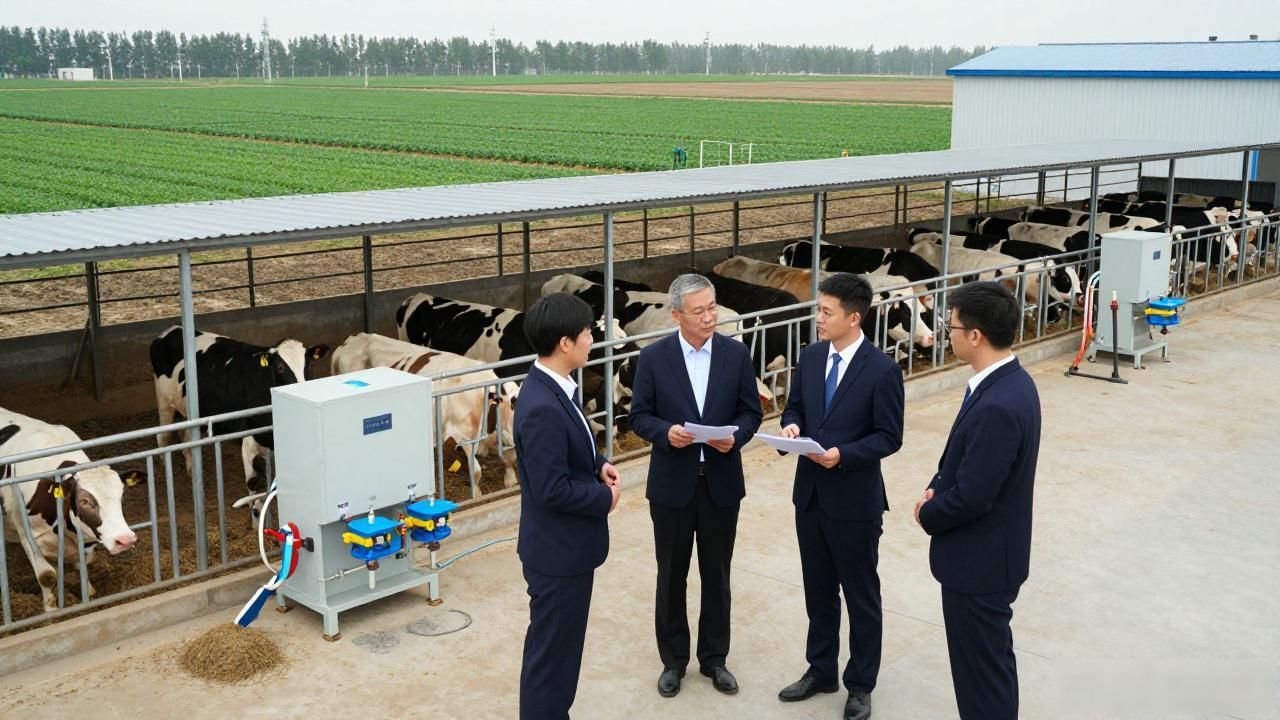
    In recent years, the state has continuously increased its support for the animal husbandry industry, and the dividends brought by the policy have obviously focused on the beef cattle field, the mutton sheep field, and the dairy industry. Moreover, in addition to direct subsidies, credit support is also increasing simultaneously. Those farms that meet the corresponding conditions can basically realize all the new loans they should borrow.

    The policy that brings the greatest benefit to farmers is the interest subsidy policy. For newly applied loans for breeding operations with a term of more than one year, the upper limit of the interest subsidy ratio provided by the government is 70% of the LPR for the same period. When each interest subsidy is calculated individually, the upper limit will not exceed 2%. This major policy was officially implemented in July 2026 and lasted until June 2030. This period is a full five years.

    New breakthrough in living asset mortgage

    The biggest pain point for farmers in the past was that pens were not qualified collateral, and banks did not recognize cattle and sheep as live animals. Many large-scale breeding farms could not raise a penny of funds despite clearly having a large number of livestock. This old problem has been stuck in the industry for more than ten years.

    At present, many financial institutions have broken the old rule that "living bodies are not considered assets" and have specially built a new financing system for the animal husbandry industry. Every cow and every sheep can wear a smart ear tag or collar, and the location and health data will be synchronized to the background in real time.

    Implementation of full-chain financial services

    畜牧惠农政策_肉牛肉羊奶产业信贷支持_机加工企业融资渠道

    Banks abandoned the blanket, indiscriminate approach to lending and instead went deep into the pastures to explore real demand. For short-term working capital loans needed to buy seedlings and feed, long-term fixed asset loans needed to build pens and upgrade equipment, and project loans needed to expand the production capacity of slaughtering and processing plants, corresponding products are available for each link.

    Currently, many bank account managers are on a regular basis going to the countryside. They will go to their homes to check the number of livestock and housing conditions, and then establish exclusive credit files for farmers. When the information is submitted online, if everything goes well, a million-level loan will be available within three days, without even having to go to the county seat.

    Smart supervision resolves risks

    As far as live mortgages are concerned, the biggest difficulty lies in post-loan supervision. Cattle and sheep can run away, get sick, and may have accidents. In the past, manual monitoring was completely relied on, and the cost was very high. Today, there are technical solutions to this problem, and the smart supervision platform has been online and put into operation.

    This platform integrates various technical means such as electronic ear tags, AI inspections, and satellite remote sensing, and can be adapted to various scenarios such as free-range breeding, captive breeding, and grazing. Data from the bank and the agricultural sector are interconnected in real time. Once an abnormal situation occurs, a pop-up alert will be issued as soon as possible, thereby predicting risks in advance.

    Simultaneous upgrade of insurance services

    肉牛肉羊奶产业信贷支持_机加工企业融资渠道_畜牧惠农政策

    Credit support alone is not enough. Breeding industry insurance is also being upgraded in accordance with policy requirements. Insurance institutions are required to shift their original focus from competing on price and insured amount to competing on services. They not only carry out underwriting work based on the actual value of cows, but also develop more new types of insurance.

    At present, insurance types such as fattening insurance, breeding stock insurance, multiple-birth sheep breeding insurance, and price insurance are gradually being promoted. At the same time, loans and insurance are bundled with each other. Once an epidemic or natural disaster occurs, losses can be minimized. This provides reassurance to both farmers and banks.

    Households in difficulty will not have their loans cut off

    For those farmers who are currently experiencing temporary operating difficulties, the policy clearly states that arbitrary loan extraction measures, loan suspensions, and loan limit restrictions are not allowed. In the future, we will gradually advance the work related to the confirmation of farm rights and start building a trading platform for livestock assets.

    This shows that those dead assets that seemed illiquid in the past can be revitalized and transformed into living money that can be circulated in the future. As long as financial institutions and farmers follow the direction guided by the policy and rely on practical innovation to solve problems, good things that benefit farmers can be truly implemented.

    Within the area where you stay, has the loan situation related to livestock farming become easier to apply for recently? We sincerely look forward to sharing your experience in the comment area.

  • How To Solve The Three Cores Of Order-based Production Management?

    How To Solve The Three Cores Of Order-based Production Management?

    How to solve the three cores of order-based production management?

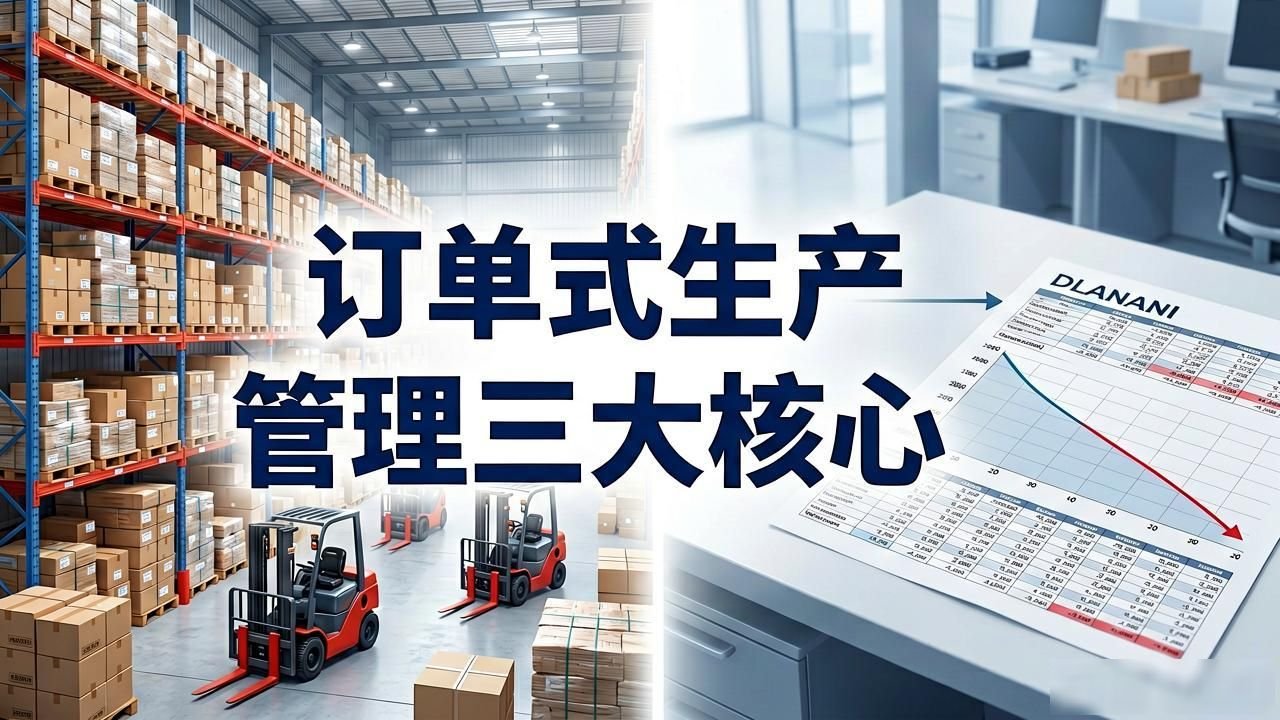
    Many machinery factories accepted small batch orders, but the delivery deadlines were repeatedly delayed. Customers continued to press for orders, and there were even customer losses. In the end, when the reasons were investigated, it was difficult to clearly explain!

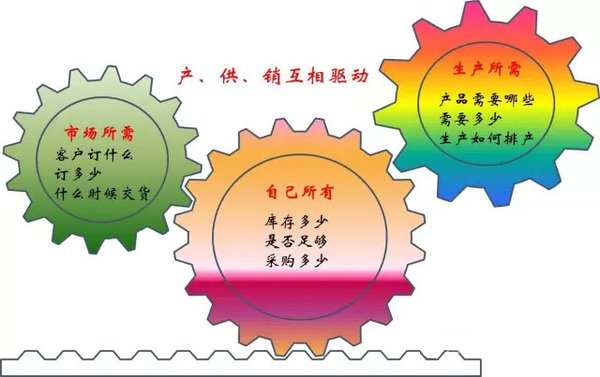
    In fact, the key to the problem is not at the production site, but whether the materials can be matched, whether the inventory data is accurate, and whether the production schedule is reasonable and appropriate. If these three things are not sorted out clearly, then the order will never be able to keep up with the progress.

    以销定产订单式生产管理_配套供应库存管理_小批量机械加工订单管理

    When the order comes, calculate the materials first

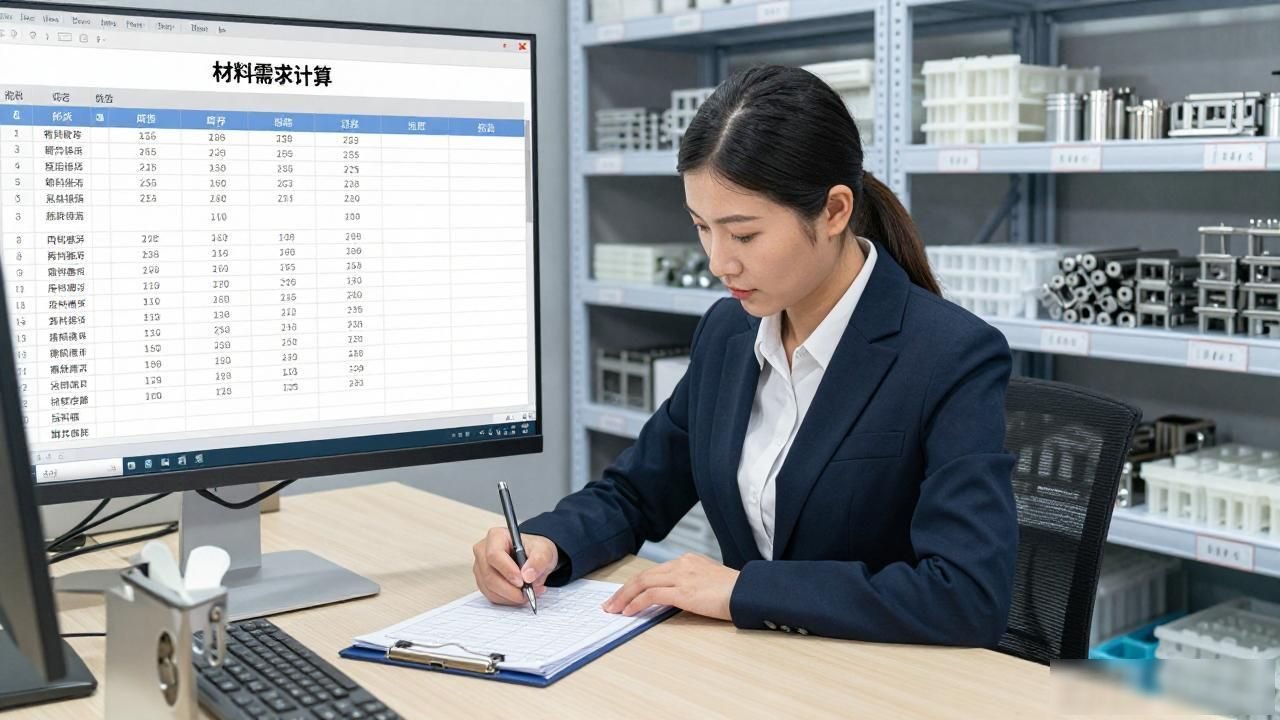
    After receiving a custom processing order, you must first figure out what raw materials are required, what are the specifications of each material, what is the quantity, and what are the specific material requirements. For example, if we are processing a batch of hydraulic valve bodies, we need No. 45 steel bars, seals, bolts, etc., and there is no way to assemble any of them.

    Many companies act based on experience, and the resulting lists of materials are very different. The procurement situation is either over-purchasing, resulting in a backlog, or under-purchasing, resulting in work stoppages waiting for materials. Accurately calculating the required quantity is the first and most critical step.

    以销定产订单式生产管理_小批量机械加工订单管理_配套供应库存管理

    Whether there is enough inventory needs to be accounted for

    小批量机械加工订单管理_配套供应库存管理_以销定产订单式生产管理

    After calculating the material requirements, you have to look at what you have in your warehouse and what you still lack. How much the existing inventory can satisfy and how much needs to be purchased for the gap must be calculated clearly one by one.

    For some companies, the inventory records show the presence of goods, but in fact these have been booked by other orders, or there is a delay in the inventory data, and it is discovered that there are no goods until the materials are picked up, which directly causes the production line to stop running. Only by having a clear grasp of available inventory in real time can this embarrassing situation be prevented.

    Production capacity scheduling must be reasonable

    After the materials are prepared and the inventory is sufficient, you still need to consider whether production can be completed on time. Each order has a delivery date, and the production plan should be arranged according to the actual production capacity of the workshop and the process cycle.

    Just like a batch of parts, the process includes turning, milling, heat treatment and grinding. The total construction period is set to be ten days. However, the customer requires delivery in only seven days. In this case, the production sequence needs to be adjusted, or outsourcing is considered. Once the production schedule is unreasonable, no matter how advanced the equipment is, it will not be able to meet the delivery date.

    It’s embarrassing that the supporting facilities can’t keep up.

    Many companies think that the shortage of materials is just a minor problem and will be fine once they get busy. However, this idea is becoming increasingly difficult to implement. The supporting equipment failed to keep up, causing the production line to be intermittent, causing workers to idle, causing equipment to idle, resulting in a significant drop in efficiency.

    What’s more serious is that some companies, in order to catch up with progress, frequently perform line changes, and repeatedly switch back and forth on large equipment for small batch orders. However, this increases downtime and debugging costs. In the end, the delivery date cannot be maintained.

    小批量机械加工订单管理_配套供应库存管理_以销定产订单式生产管理

    It's a headache if the package is too fast

    小批量机械加工订单管理_以销定产订单式生产管理_配套供应库存管理

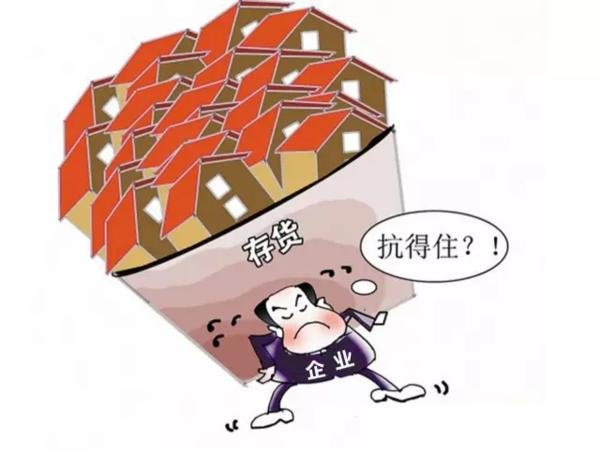
    Lack of materials has disadvantages, as does too fast a matching speed. Materials arrive early and are then backlogged in the warehouse, which takes up funds and storage space, resulting in a decrease in turnover rate and an impact on cash flow.

    For those raw materials that take up a lot of capital, such as metal materials, the backlog of inventory is not something to be thankful for. Leaving it for a long time will not only increase the cost, but may also lead to scrapping due to rust and oxidation. This is really not worth the gain.

    Balancing supply and demand relies on management

    配套供应库存管理_小批量机械加工订单管理_以销定产订单式生产管理

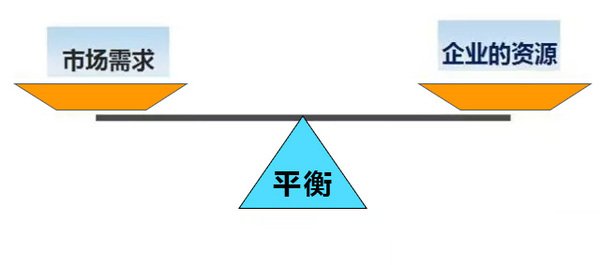
    When in the sales-based production mode, the balance between market demand and corporate resources is a core problem. At this time, a comprehensive management system must be built, starting from order review and evaluation, to material demand planning, to inventory control and adjustment, all the way to production arrangement and scheduling. The entire process must be connected to data.

    The focus of the management plan given by the Finance and Trade official website is to use information tools to solidify this entire set of processes, so that each order, from the time it is accessed until it is delivered, can have a verifiable basis and an amount of data to rely on, so as to achieve a stable and gradual improvement in order delivery capabilities.

    Within the scope of order management for small-scale machinery processing, what is the most troublesome problem for your company at the moment? You are welcome to leave a message in the comment area to start a discussion. Like it and forward it to more peers!

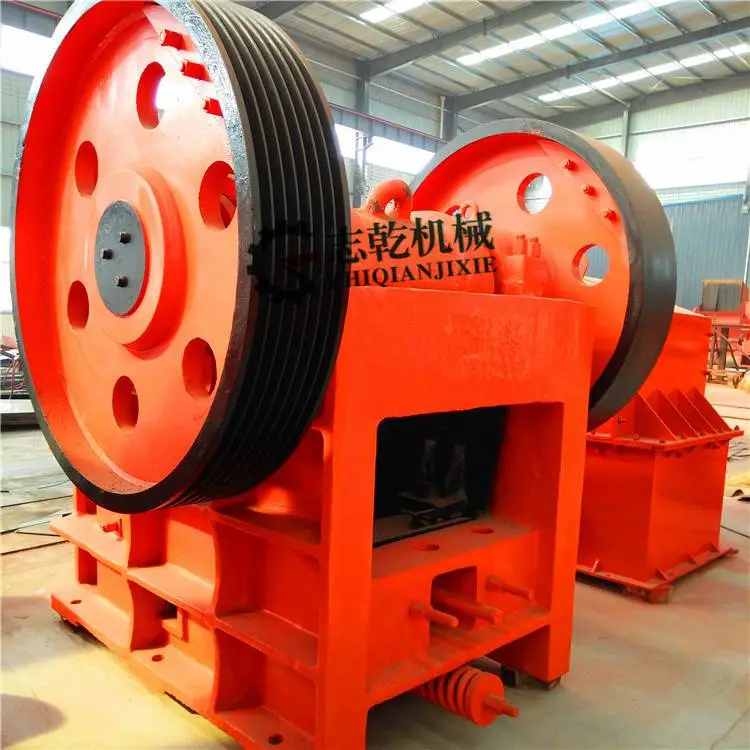
  • Crocodile Crusher Small Jaw Crusher High Calcium Jaw Crusher Output

    Crocodile Crusher Small Jaw Crusher High Calcium Jaw Crusher Output

    Crocodile crusher small jaw crusher high calcium jaw crusher output

    Frame welding inspection and reinforcement

    Crocodile Crusher Small Jaw Crusher High Calcium Jaw Crusher Production

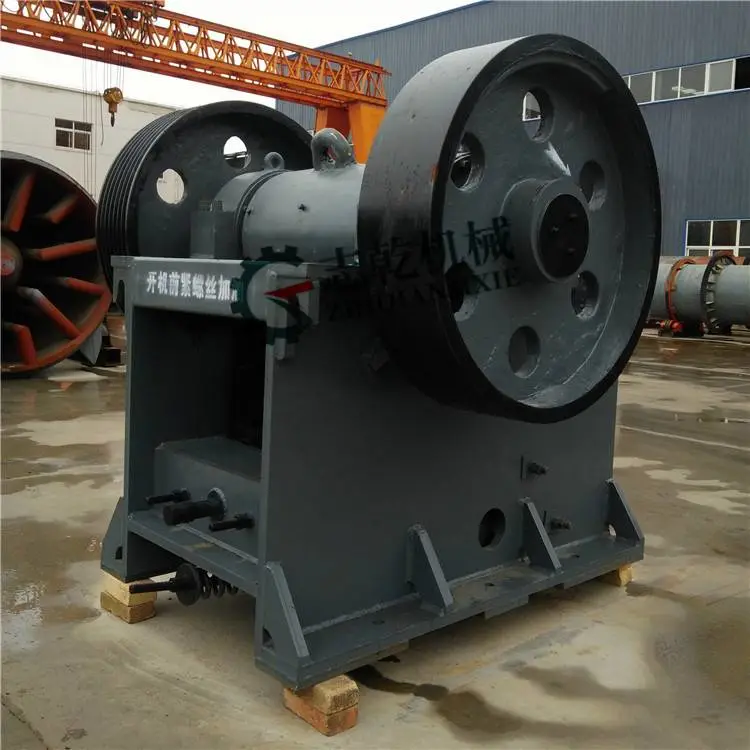
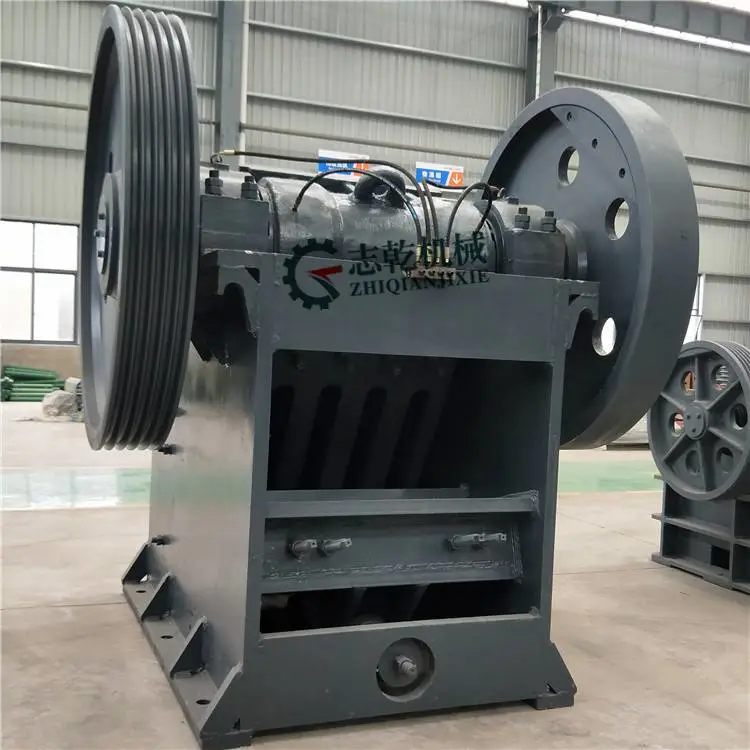
    As the skeleton of the jaw crusher, the frame will withstand the impact and vibration of materials for a long time, making its welds prone to cracks. In a sand and gravel plant in the south, during an inspection in June 2024, it was discovered that there was a PE-600×900 crusher with a small crack in the main weld in the lower part of the frame. The length of the crack was about 150 mm. It was not dealt with in time at that time. After two weeks of operation, the crack extended to 1,200 mm, causing the frame to deform. Eventually, the production line was forced to shut down for three days for emergency repairs, causing direct economic losses of more than 80,000 yuan.

    During daily maintenance, you must regularly inspect all welded parts of the frame, focusing on the surroundings of the feed inlet, where the eccentric shaft bearing seat is fixed, and the welds connecting the bottom support ribs. Once a crack is found, it must be polished and cleaned immediately, and E5015 electrodes are used for repair welding. After welding, it needs to be cooled slowly to prevent secondary cracking. Most of the small jaw crusher frames are made of welded steel plates. It is recommended to conduct a comprehensive flaw detection every 3,000 hours of operation. The large cast steel frames should be inspected once a quarter, and any problems discovered and how they were dealt with should be recorded.

    Jaw plate wear replacement standards

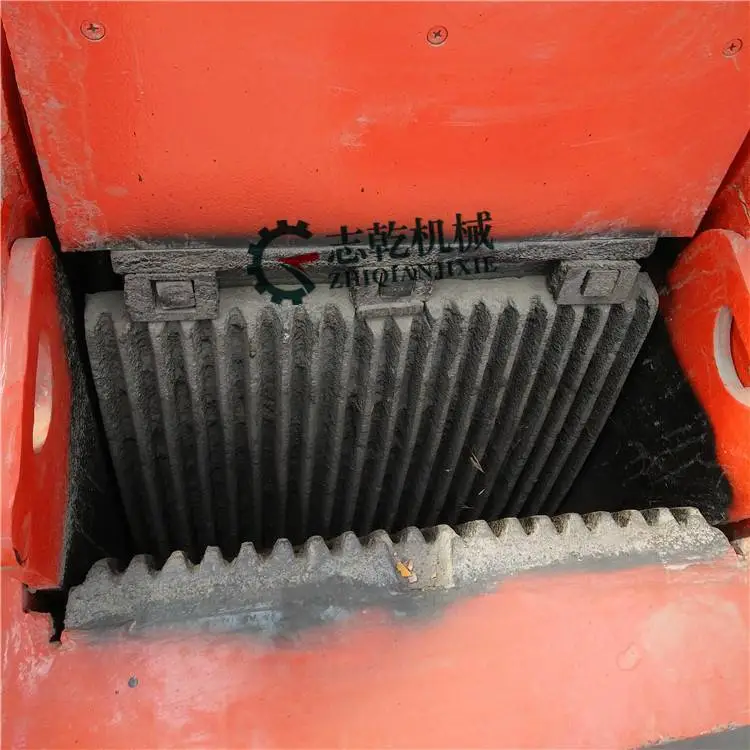
    The consumable jaw plate is in direct contact with the material. The wear of the fixed jaw plate and the movable jaw plate directly affects the crushing efficiency and product quality. There is a stone factory in Shandong. Its operation data in 2024 shows that when the jaw plate tooth shape is worn to two-thirds of the original height, the output is reduced by about 18%, the power consumption is increased by 12%, and the finished grain shape is also significantly worse. After the factory promptly replaced the jaw plate in accordance with regulations, All indicators have returned to normal, and the production cost per ton of stone has been reduced by about 3 yuan.

    When inspecting the jaw plate, you must use a caliper to measure the remaining thickness. Once the tooth tip wear exceeds 15 mm, you must consider replacing it. Before installing the new jaw plate, be sure to clean the surface of the jaw bed and check whether the fixing bolt holes are deformed. The bolts are made of grade 12.9 high-strength material and the torque must be tightened evenly. The contact surface between the jaw plate bead and the jaw plate must be smooth and close, and the wedge iron must be tight and not loose. Generally speaking, the service life of the fixed jaw plate is 4 to 6 months. Since the impact of the movable jaw plate is stronger, the service life is about 3 to 5 months. The specific situation depends on the hardness of the material and the feed size.

    Eccentric shaft bearing lubrication and maintenance

    颚式破碎机主要部件_小型砂石厂常用破碎机的日常铆焊保养_颚式破碎机工作原理

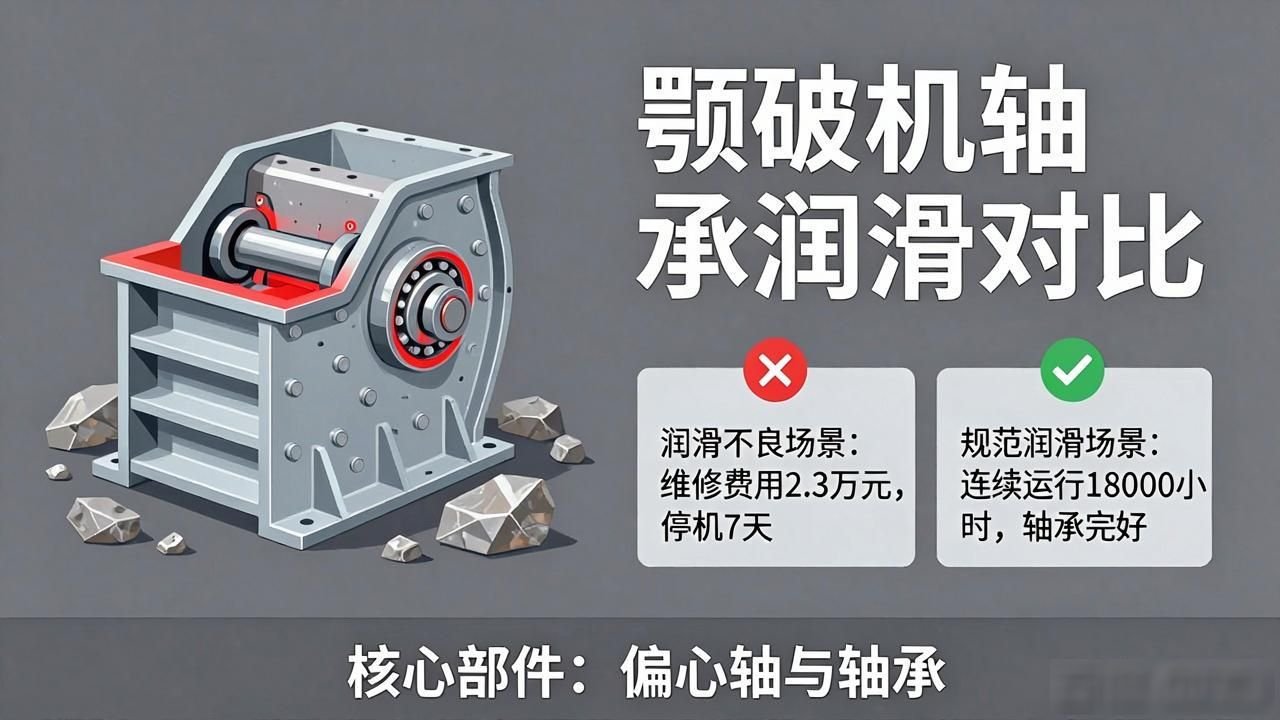
    The eccentric shaft is the core transmission component of the jaw crusher. The lubrication state of the bearing directly determines the operating life of the equipment. A return visit record from a mining machinery factory in Henan in 2024 shows that a customer's eccentric shaft bearing burned out due to poor lubrication. The repair cost was as high as 23,000 yuan, and production was resumed after 7 days of shutdown. Under the same working conditions, another piece of equipment strictly implemented the lubrication system and ran continuously for 18,000 hours, with the bearings intact.

    Lubricating oil maintenance must meet such requirements. In the centralized lubrication system, the oil level and oil pressure must be checked once a week. Manual lubrication points must be filled with grease once every shift. The temperature of the babbitt bearing should not exceed 70 degrees Celsius under normal circumstances. It will feel hot when touched by hand, but it is suitable to stay there for a short time. In winter, use NLGI No. 2 lithium-based grease, and in summer, you can use NLGI No. 1 or 2. The lubrication pipeline must be cleaned every six months and all lubricating oil must be replaced. If the bearing gap exceeds 0.3 mm, it must be adjusted or replaced in time.

    Maintenance of discharge port adjustment device

    Among the adjustment devices that control the particle size of finished products, although the wedge-type adjustment structure is simple, it is prone to powder accumulation and stagnation. In Chengdu, Sichuan, there is a machine-made sand factory. Its production records in the spring of 2024 show that after the jaw crusher outlet of the factory was adjusted from the original 80 mm to 60 mm, the stone powder accumulated at the rear thrust plate support was not cleaned in time. After three months, the adjusting screw became rusty and could not move. It was eventually forced to stop and clean it before the normal adjustment function could be restored.

    During daily use, the surface of the adjusting wedge should be cleaned of stone powder and impurities every week, especially the gasket gap between the rear thrust plate support and the frame. When adjusting the discharge port, both wedges must move synchronously to avoid deflection that would cause the movable jaw and the fixed jaw to become out of center. Carry out lubrication work on the adjusting screw and nut parts, and check whether the screw has bending deformation every quarter. When small equipment is adjusted by adding or removing gaskets, the gaskets must be combined in two specifications: 0.5 mm and 1 mm. After adjustment, the fixing bolts must be tightened to prevent loosening.

    Flywheel balance detection and correction

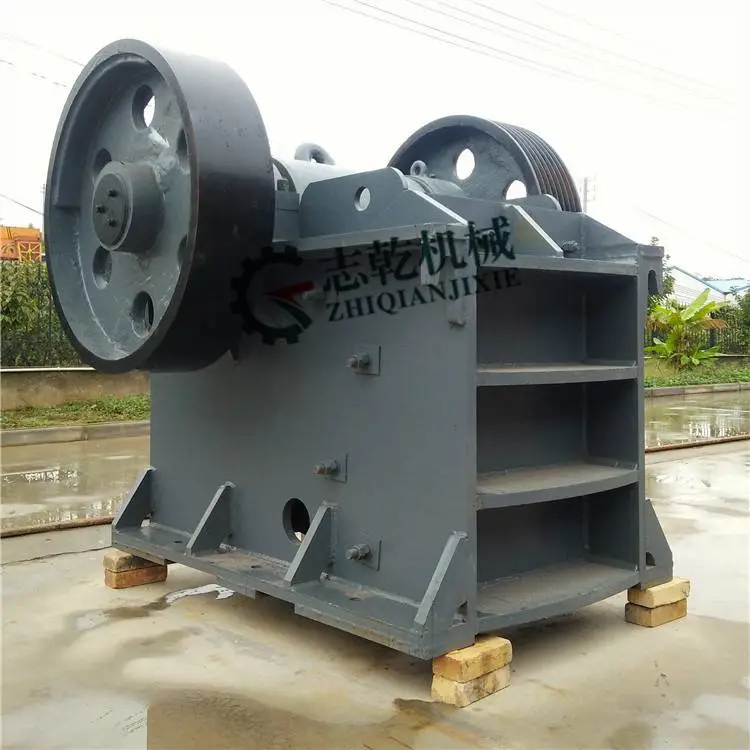
    The flywheel stores energy to keep the crusher running smoothly. If the balance is not optimal, it will cause severe vibrations in the equipment. There is a sand and gravel company in Chenzhou, Hunan. During an equipment inspection in August 2024, it was discovered that the vibration value of a PE-900×1200 jaw crusher reached 4.5 mm per second, which far exceeded the standard value of 2.5 mm per second. After some investigation, it was finally confirmed that three bolts on the pulley on the side of the flywheel were loose, and the balance weight was removed, causing the static balance to be destroyed. After tightening the bolts and adding a weight, the vibration returned to normal.

    Crocodile Crusher Small Jaw Crusher High Calcium Jaw Crusher Production

    小型砂石厂常用破碎机的日常铆焊保养_颚式破碎机主要部件_颚式破碎机工作原理

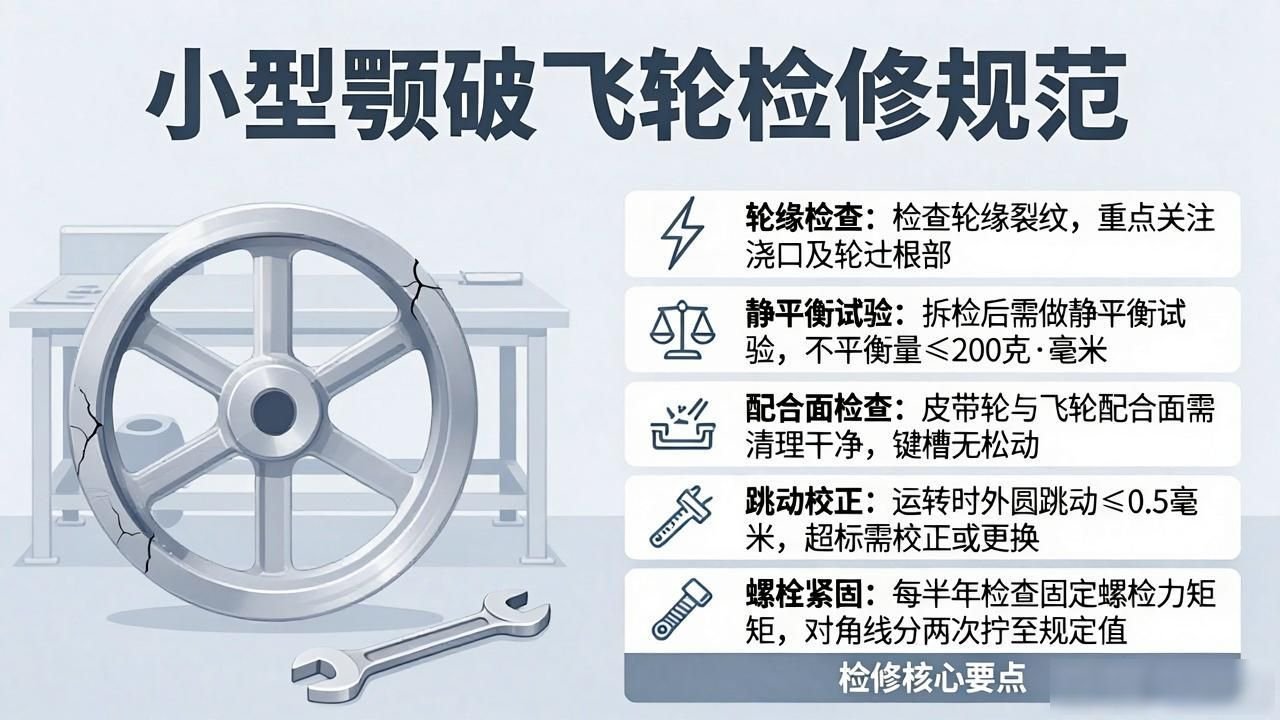
    When performing flywheel maintenance, it is necessary to check the rim for cracks, especially the gate area of ​​the cast flywheel and the spoke roots. After disassembling and inspecting the flywheel and reassembling it, a static balance test must be performed. The allowable unbalance amount shall not exceed 200 g·mm. The mating surfaces of the pulley and flywheel need to be clean, and the keyway must fit tightly without looseness. The cylindrical runout of a flywheel in normal operation should be less than 0.5 mm. If it is found to exceed the standard, it must be corrected or replaced in time. Check the tightening torque of the flywheel fixing bolts every six months and tighten them diagonally twice to the specified value.

    Lubrication pipeline system maintenance

    Crocodile Crusher Small Jaw Crusher High Calcium Jaw Crusher Production

    The lubrication system of the jaw crusher is like its blood vessels. Only when the pipelines are kept unobstructed can reliable oil supply be ensured to each friction part. There is a cement factory in Huangshan, Anhui Province. When the raw material workshop equipment was overhauled in 2024, it was discovered that the oil return pipeline of the jaw crusher thin oil station was extremely blocked. A large amount of colloid sediments adhered to the inner wall of the oil pipe. It took two shifts to clean the oil return pipeline, and all aging sealing rings were replaced at the same time. If the fault is not discovered in time, it may cause the bearing to burn due to dry friction.

    Crocodile Crusher Small Jaw Crusher High Calcium Jaw Crusher Production

    For daily maintenance of the lubrication system, the oil level in the oil tank should be checked every shift to ensure that it is within the marked range. The oil temperature cannot exceed 60 degrees Celsius, and the oil pressure needs to be stable between 0.15 and 0.3 MPa. Every 1,000 hours of operation, it is necessary to take samples to test the oil quality. If the acid value rises or the moisture exceeds the standard, the oil needs to be replaced in time. Pipe joints should be tightened once a month. Once oil leakage is found, seals should be replaced immediately. Clean the filter element every 500 hours and replace it with a new one every 2000 hours. Before starting in winter, the lubricating oil should be preheated to above 10 degrees Celsius before starting the machine to prevent poor lubrication caused by excessive viscosity.

    Crocodile Crusher Small Jaw Crusher High Calcium Jaw Crusher Production

    Have you done regular riveting and welding maintenance on the small jaw crusher used in sand and gravel factories? Have you encountered similar types of failures with your related equipment? Welcome to the comment area to share your experiences and lessons learned!

  • Production Small Work Order Management System, Small Processing Factory Management Software

    Production Small Work Order Management System, Small Processing Factory Management Software

    Production small work order management system, small processing factory management software

    For small processing plants, their orders are scattered and the number of personnel is relatively limited. The traditional ERP system is so complicated that it cannot be operated at all. Many bosses are suffering from headaches because of this situation. The actual situation is that there is no need to build a complicated system. A work order system specially designed for small processing plants can solve the problem.

    Clear positioning, dedicated to serving small factories

    企丰小工单管理系统_小型加工厂ERP替代系统_小批量机械加工订单管理

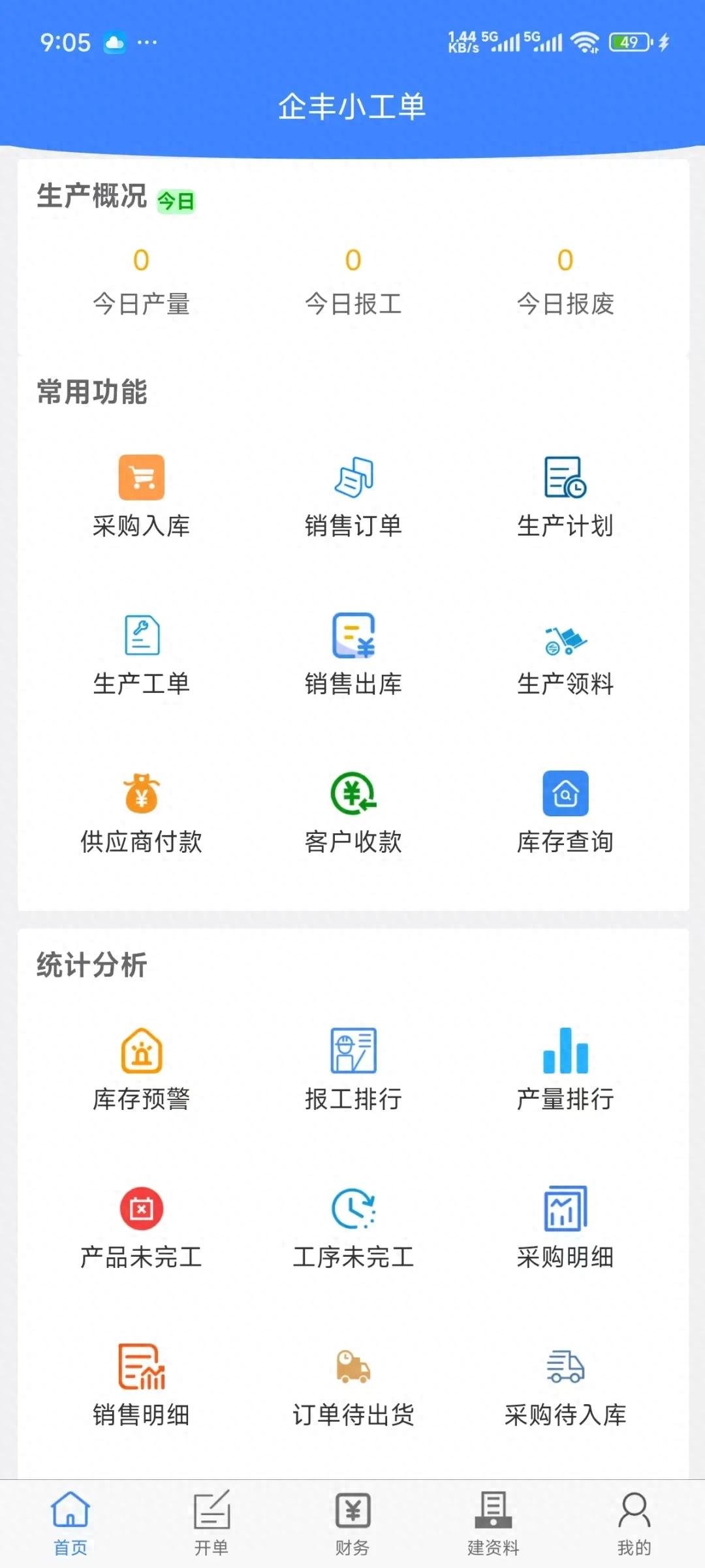
    Because traditional production ERP systems have complex functions and troublesome operations, small processing plants often cannot afford professionals to maintain and implement them. The Qifeng Small Work Order Management System was born in this context. It is specially optimized and designed to meet the management needs of small processing plants.

    The key feature of this system is that it is easy to operate and easy to get started, and there are no complicated configuration steps. The boss or manager only needs to plan the process route of the product first, and then directly generate a small production work order when receiving the customer order. The entire process is clear and clear.

    Scan the QR code to report for work, saving time and worry

    Employees in the production process can use the WeChat applet on their mobile phones to scan the QR code to report for work at any time. This function greatly simplifies the traditional manual entry method in the past. In the past, production clerks had to spend time recording the workload of each worker. Now they only need to scan the QR code to process it.

    After scanning the QR code to complete the work reporting operation, the system will collect and integrate the data on its own, directly reducing the labor costs incurred by production clerks who rely on manual entry of piece-rate wages. The entire process is simple and efficient for small-batch machining order management , which does not occupy too much of employees' working time and is not prone to errors.

    Payroll calculation is done with one click

    小批量机械加工订单管理_企丰小工单管理系统_小型加工厂ERP替代系统

    After the work order is reported, the system automatically calculates the piece rate wages, which avoids errors that easily occur during manual accounting. In the past, clerks had to manually collect data from various reports, but now it is all automated.

    With the help of scanning the QR code to report work statistics window, it can be directly converted into a piece-rate wage report with one click, which greatly reduces the probability of clerks making errors when manually entering piece-rate wages. This function is quite practical for small factories that frequently perform wage calculations.

    小批量机械加工订单管理_小型加工厂ERP替代系统_企丰小工单管理系统

    The Qifeng Small Work Order APP allows employees to check their piece rate wages and at the same time know their work records and production progress at any time through their mobile phones. In this way, both parties can have a basis for verification when paying wages, thereby preventing unnecessary disputes caused by data errors.

    All purchasing, selling and stocking functions are available

    This system is not just a simple work order management tool, it also has complete purchase, sale and inventory management functions. Material procurement can be managed uniformly here, finished product warehousing can also be managed uniformly here, and product sales can also be uniformly managed and controlled in this system, without the need to purchase a separate set of purchase, sale and inventory software.

    It covers the management of debts from suppliers and customers, and the financial transactions of small factories can be clearly recorded. For small factories with frequent capital flows, such an integrated management method is really cost-effective.

    Flexible and diverse deployment methods

    企丰小工单管理系统_小型加工厂ERP替代系统_小批量机械加工订单管理

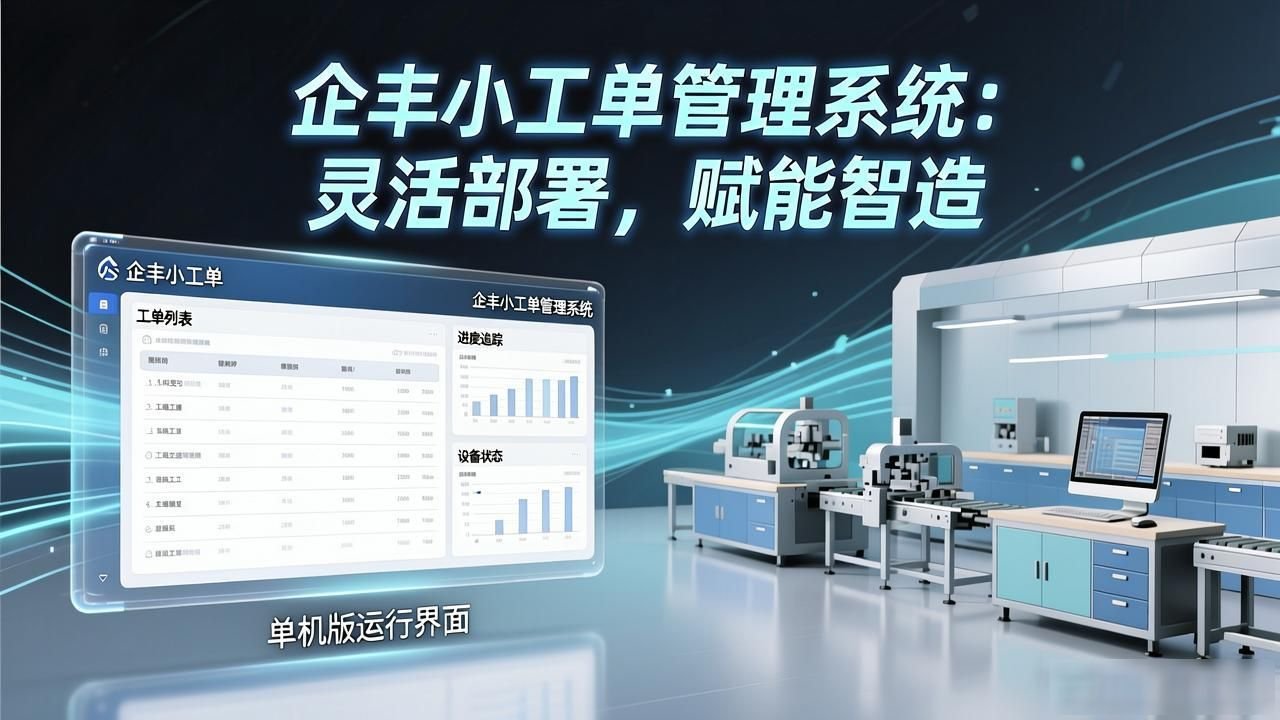
    Qifeng Small Work Order Management System provides a variety of options at the installation and deployment level, which can be flexibly configured according to the actual situation of the factory. It can be run as a stand-alone version and is suitable for smaller-scale workshop-style factories.

    It is also possible to carry out privatized deployment of local area networks. The servers used to store data are within the company, which has higher security. It also supports cloud deployment. As long as there is a network, you can access the system at any time and anywhere, making management work more convenient.

    You can scan the QR code on your mobile phone to report for work, and you can also scan the QR code on your computer to report for work. After logging in by themselves, employees can lock the process and carry out small-batch machining order management , or clerks can scan the QR code to report work. Both modes can meet different management needs.

    Applicable to a wide range of industries

    Its application range is extremely wide, and it is involved in various types of manufacturing scenarios, such as using it to manage production and material machining, auto parts, new energy industries, including electronics factories, etc. This model is very suitable for small batch and multi-variety production situations, and is quite effective in improving management efficiency.

    The system currently provides a 30-day free trial opportunity, so small factories can experience it first before deciding whether to purchase it. The price of the entire system is very cost-effective. You can have complete management functions for as little as 1,000 yuan. For small processing plants with limited budgets, the entry barrier is very low.

    What is the biggest management problem that your small factory is currently facing? You are welcome to share your experience in small batch machining order management in the comment area. If you find this article useful, remember to like it and share it with more peers!