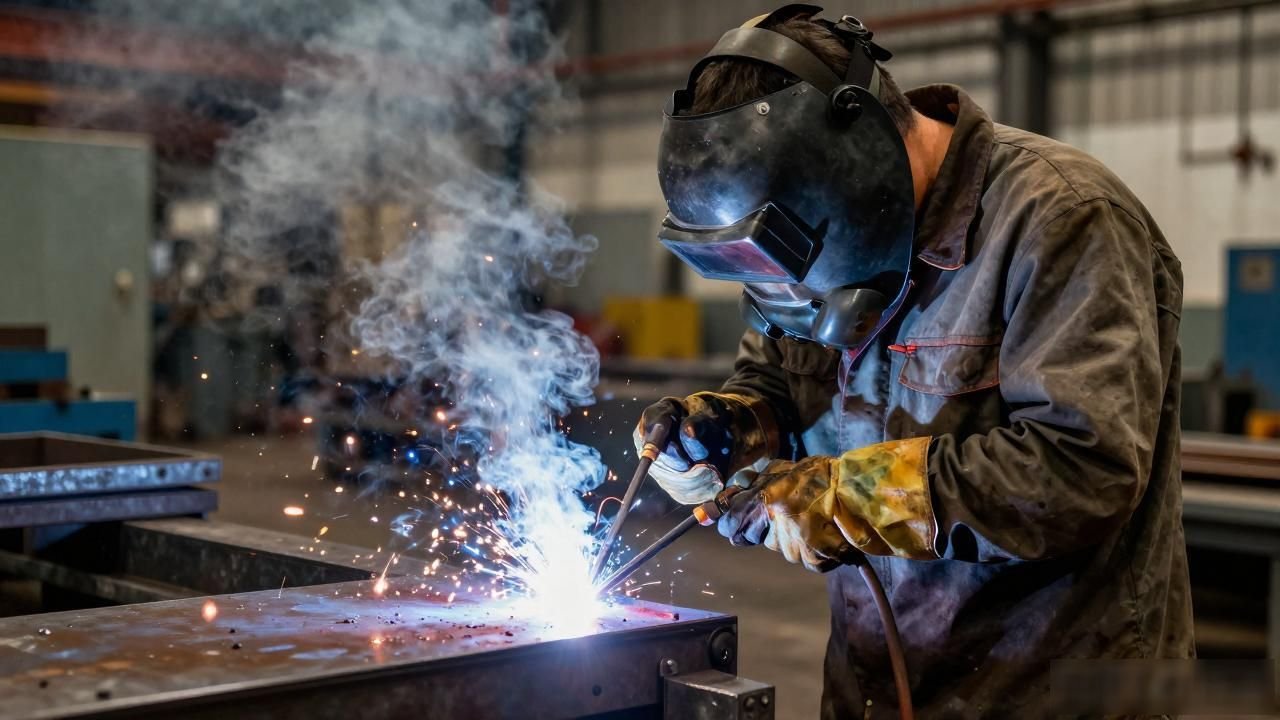


Riveters exposed to occupational hazards
Noise and vibration harm the body
Riveting operations are inseparable from the riveting guns and air compressors used for the operation. These equipments produce extremely high levels of noise during operation. If you work in this environment for a long time, your hearing will slowly decrease. In severe cases, you may suffer from occupational noise deafness.
Workers' arms will be injured by vibrations from tools. When using rivet guns and pneumatic tools, the vibrations will be transmitted along the arms to the wrists and elbow joints. Over time, the fingers will become numb and painful, and the muscles will become weak.
Radiation hazards and hidden risks
When working with a rivet gun, electromagnetic radiation will be produced. If it is exposed to it for a long time, it may have an impact on the nervous system and immune system. Although it is not as obvious as other hazards, this potential impact is worthy of attention.
If you are doing welding work, the ultraviolet rays in the arc light will be more dangerous. It can cause eye burns, thereby causing electro-optical ophthalmia, and can also make the skin red and blistered. Therefore, it is very important to protect your eyes and skin.
Smoke and dust poisonous gas are most harmful to the lungs

During welding operations, high temperatures will expose the welding rods and metal to melted riveters, exposing riveters to occupational hazards, thereby producing a large amount of smoke. These smokes contain harmful substances such as iron oxide, manganese oxide, and silicon dioxide. When workers inhale them, they are prone to metal fume fever, causing symptoms such as fever, chills, and fatigue.
The nitrogen and oxygen in the air affected by the welding arc will react, thereby generating carbon monoxide and nitrogen oxides. Carbon monoxide will cause hypoxia in the human body, and nitrogen oxides will irritate the respiratory tract, and in severe cases can cause pulmonary edema.
Dust accumulation causes disease
When grinding metal surfaces, a large amount of dust will be generated. When nails are processed, a large amount of dust will also be generated. These dust particles are extremely small and float in the air. Workers can easily inhale them. In the long run, the accumulation of these dust in the lungs can cause pneumoconiosis or chronic obstructive pulmonary disease.
Workers suffering from this disease often cough and have shortness of breath, and their breathing becomes increasingly difficult. Some people only notice the problem after they retire, when lung damage is already extremely difficult to recover from. Precaution is more important than subsequent treatment.
Protective measures must be in place
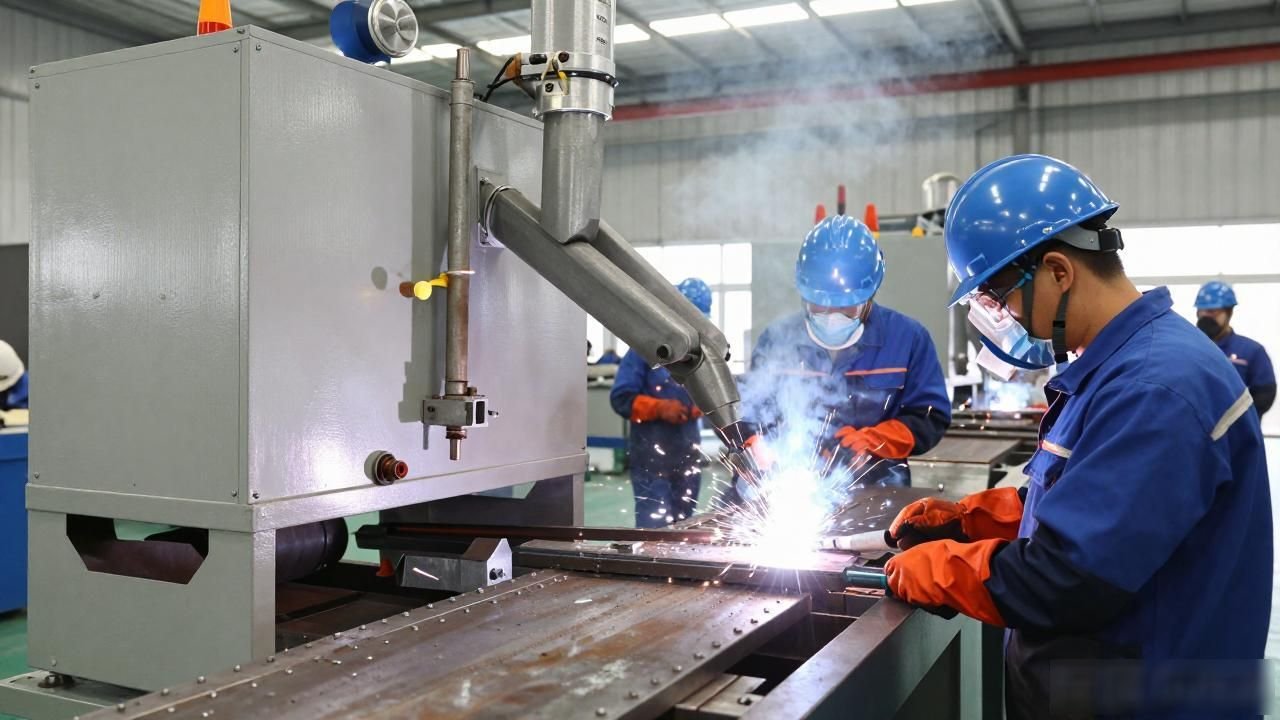
In order to reduce noise transmission and environmental protection and labor protection measures during metal riveting and welding processing , companies should install noise reduction equipment and be equipped with local exhaust devices to remove smoke and dust in a timely manner. These engineering control measures can reduce hazards from the source.
Workers must wear masks to prevent dust from entering the respiratory tract, ear defenders to protect ears, and glasses to protect eyes. Personal protective equipment is the final line of defense and must not be ignored just to save trouble. It is also important to conduct regular inspections and replace protective equipment.
Physical examination and monitoring are essential
Riveters are required to undergo regular occupational health examinations. Hearing tests can detect early hearing damage. Pulmonary function tests can assess the condition of the respiratory system. Once a problem is discovered, intervention measures should be taken as early as possible to prevent the condition from getting worse.
Enterprises need to optimize their work processes to reduce workers' exposure to multiple hazards at the same time as much as possible. For example, make reasonable arrangements for the sequence of welding and grinding, and give workers adequate rest time. Only through the coordinated efforts of multiple parties and measures can we effectively protect the health of workers.
What kind of occupational disease prevention measures does your unit have and how effective are they? You are welcome to share your experience in the comment area.






暂无评论内容