

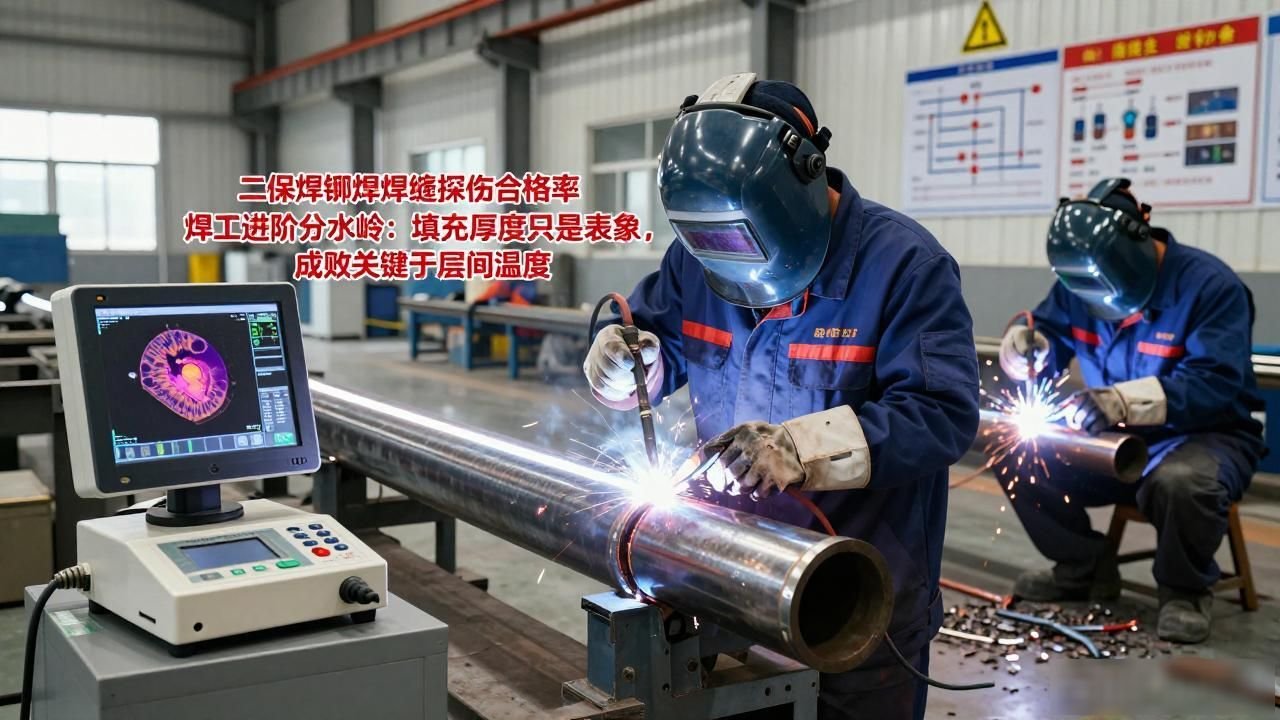
Secondary welding riveting welding seam flaw detection qualification rate watershed for welders to advance: filling thickness is just an appearance, the key to success or failure lies in the interlayer temperature

Welding Quality Control
The thicker the weld meat, the stronger the weld? This is misleading
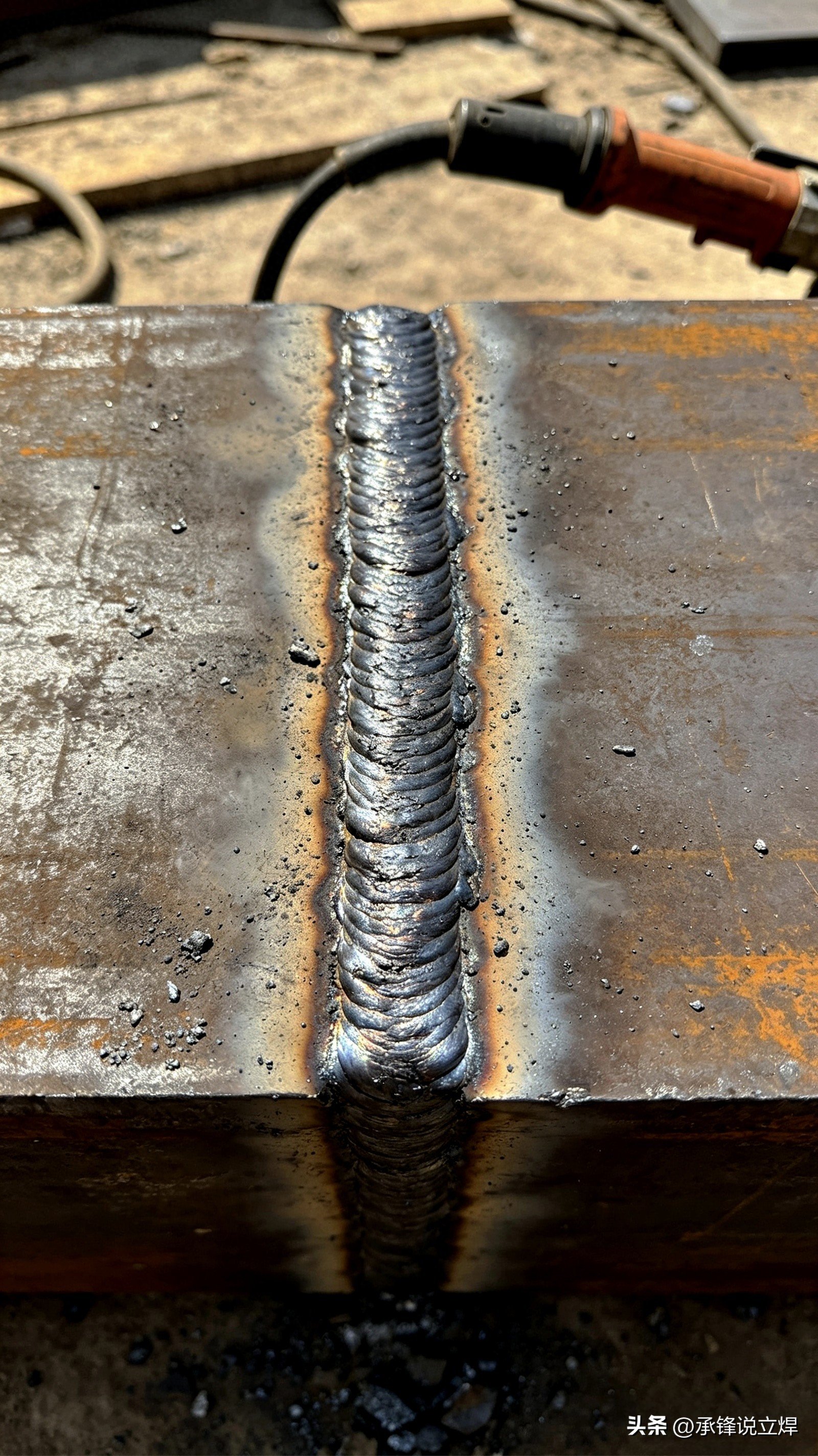
Many people who have been working as welders for decades are trapped in this misunderstanding. They believe that adding more cladding will make the weld stronger and stronger. Whenever there is a problem in flaw detection, they will desperately increase the number of filling layers. However, the final result is that the welding condition becomes worse and worse. From the outside, the weld appears to be quite thick, but after taking photos, it was discovered that it was full of pores and slag inclusions. This kind of approach that only pursues the surface form not only causes a waste of materials, but also delays the construction period. This is obviously a typical direction deviation.
Having been engaged in this field for more than thirty years, I have seen many people encounter setbacks in this area. Really good people never increase the amount of materials at will, but study the rhythm of heat dissipation in each layer. Heat accumulates at the bevel and cannot be dissipated. The crystals will become coarser and the strength will be reduced. The strength of the weld is not supported by the thickness of the material, but is controlled by appropriate heat input.
The interlayer temperature is the hidden key
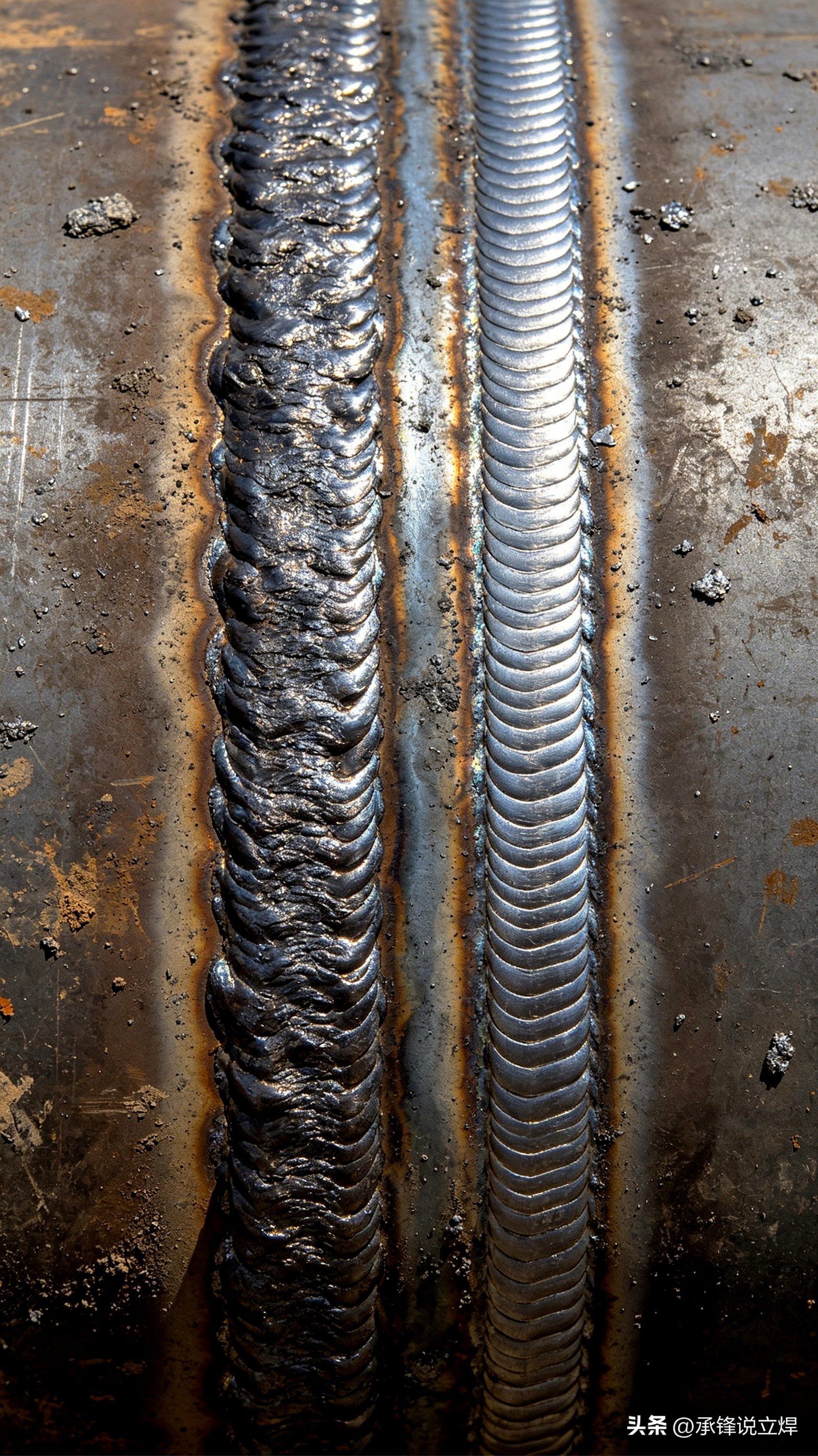
There are things that can be used to repair the appearance, but the internal damage caused by the high temperature cannot be seen at all; defects such as coarse grains and hidden stress are hidden deep in the weld; after the radiographic inspection or ultrasonic inspection report is issued, the entire weld must be planed out and remade. Spending time and materials is not important, but delaying the construction period and resulting in compensation are the real damage to the vitality.
Many welders are not aware that continuous welding will cause heat to accumulate over and over again. This is fine for thin plates. However, due to the slow thermal conductivity of thick plates, the heat cannot be dissipated at all. Once the interlayer temperature exceeds the standard, the metal structure will be destroyed. This kind of damage cannot be detected by the naked eye. It can only be detected by equipment, but by the time it is detected, it is already too late.
Temperature control at different locations should be flexible
Flat welding seems to be the easiest to operate, but heat accumulation will still occur during continuous cladding. After each welding, you have to pause for heat dissipation until the color changes from red to dark before starting the next level of welding operation; vertical welding is more prone to corresponding problems. In this situation, high-temperature molten iron will flow downward. If the heat input is not effectively controlled, collapse will occur, so the operation must be performed in thin layer mode and quickly. At the same time, the amount of single wire feeding is reduced, so that the molten pool can be maintained in a stable state.
Because the heat is concentrated at the bottom, it is easy to pile up meat on the lower edge of the horizontal welding. Disperse the heat source and weld in multiple thin layers so that the molding can be even. Since the heat dissipation conditions of overhead welding are the worst, the molten pool is easy to fall downwards, and may even burn through directly. We can only use thin-layer slow welding and strictly control the dwell time of each pass to ensure that the back molding will not collapse.
Four Bad Habits Are Ruining Your Welds
Many welders try to save trouble. After completing a welding process, you do not wait for the temperature to drop before continuing to weld. This rush-for-success habit seems to be very efficient from a short-term perspective. However, the time required for subsequent repairs far exceeds the little time and energy saved before. In addition, some people perform single-layer welding. It is also common for the plate to be welded extremely thickly, causing the heat input to seriously exceed the standard range, and even the plate is baked to a red color and still needs to be welded to increase the current to forcibly melt the groove. This is undoubtedly a wrong behavior, because doing so will only make the heat more concentrated.
Another problem is that everyone works at the same pace, and no parameters are adjusted whether it is flat welding, vertical welding or overhead welding. In addition, there is the problem of slacking off in the finishing stage. The control is quite good at the front, but in the last few strokes, it is rushed to finish the work, causing the temperature to soar, resulting in micro-cracks and pores. As a result, all the previous efforts have been in vain, and even if the flaw is detected, it still cannot pass, which is really a pity.
The standard approach is actually very simple
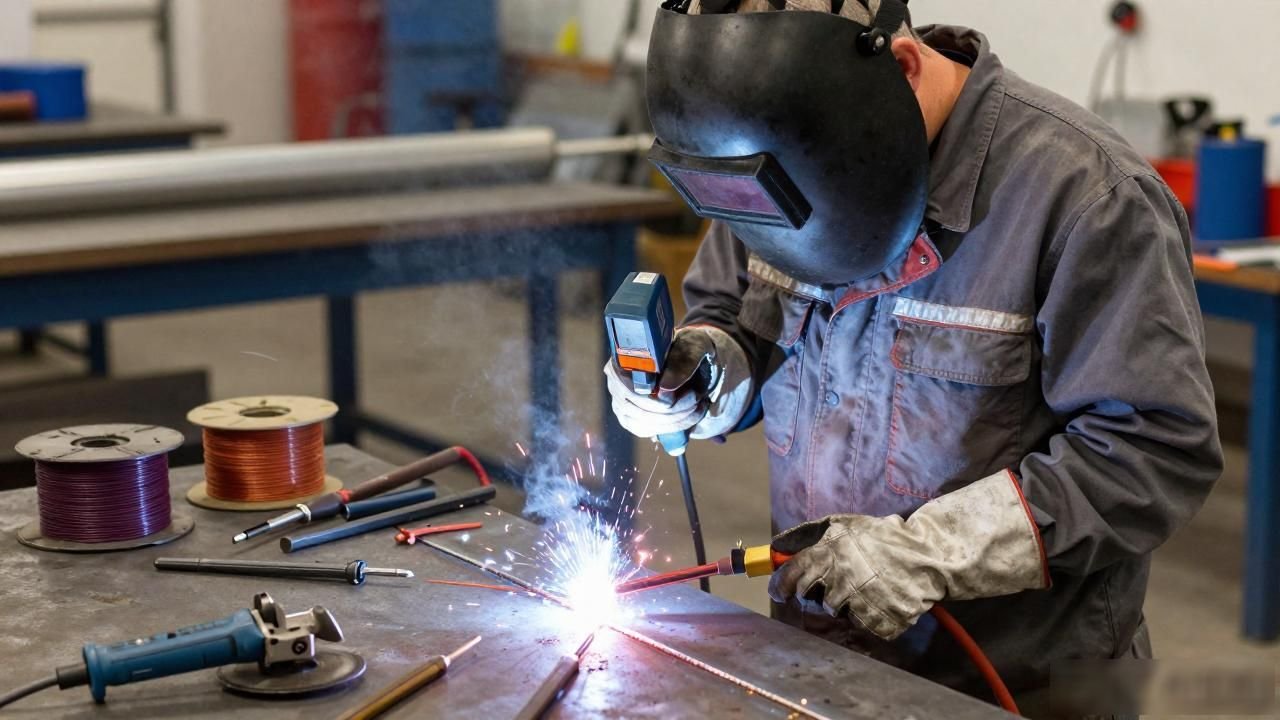
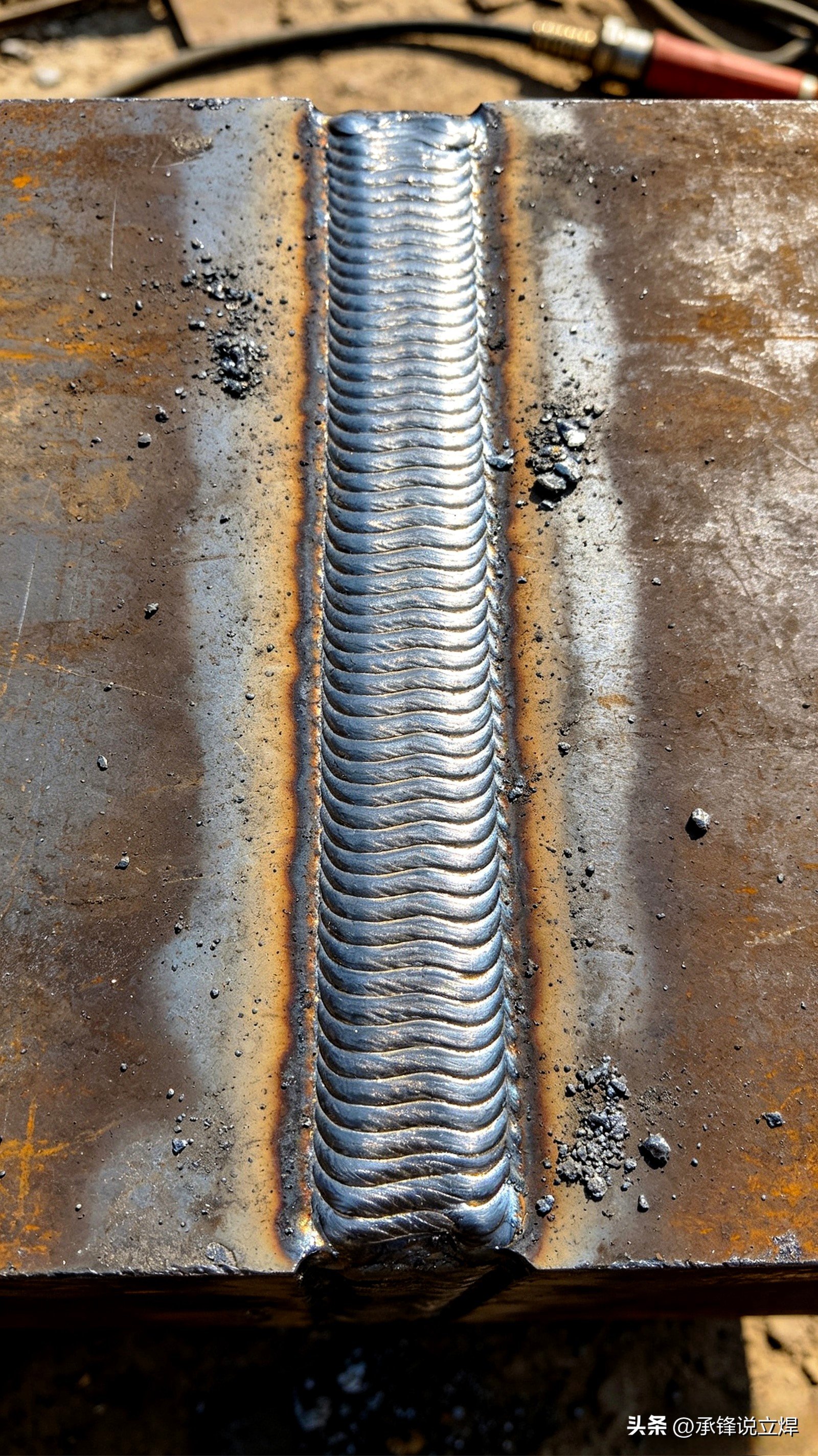
There is only one requirement for qualified interpass temperature control, which is to wait for the red color of the previous welding pass to fade, and then continue welding after the temperature drops. This is not a waste of time but gives the metal tissue the time it needs to recover. Continuous welding may seem fast, but it actually creates conditions for rework. Welders who truly understand the knowledge and skills of the welding industry know that controlling the temperature is actually controlling the welding quality. It seems that a slower welding method is used, but in fact it is buying time for the final good welding effect and avoiding repairs. In terms of overall progress, controlling the temperature slowly is truly efficient.
If welders want to break through such bottlenecks in their skills, they have to get out of the mindset of relying on brute force to practice hard. What ordinary welders compete with is operating speed and filling thickness, while welders with mature flaw detection level compete with temperature management and welding rhythm. Once such underlying logic is found, various defects caused by overheating will naturally be reduced. Repeated exercises are more effective than replacing them with a correct method.
Only by letting go of obsession can you improve your pass rate
Many workers weld for more than ten hours a day, but their skills are still stuck. The problem is not that you don’t practice enough, but that you keep repeating the wrong actions. It is impossible to truly appreciate the significance of interlayer temperature without discarding the idea that thicker weld meat is stronger. The pass rate of flaw detection cannot be improved, and about 80% of it is due to this problem. The pass rate of flaw detection of second-level welding, riveting and welding is a watershed for welders to advance: the filling thickness is only superficial, and the key to success or failure lies in the interlayer temperature, thus causing it.






暂无评论内容