

tiny meaning
What are tiny parts
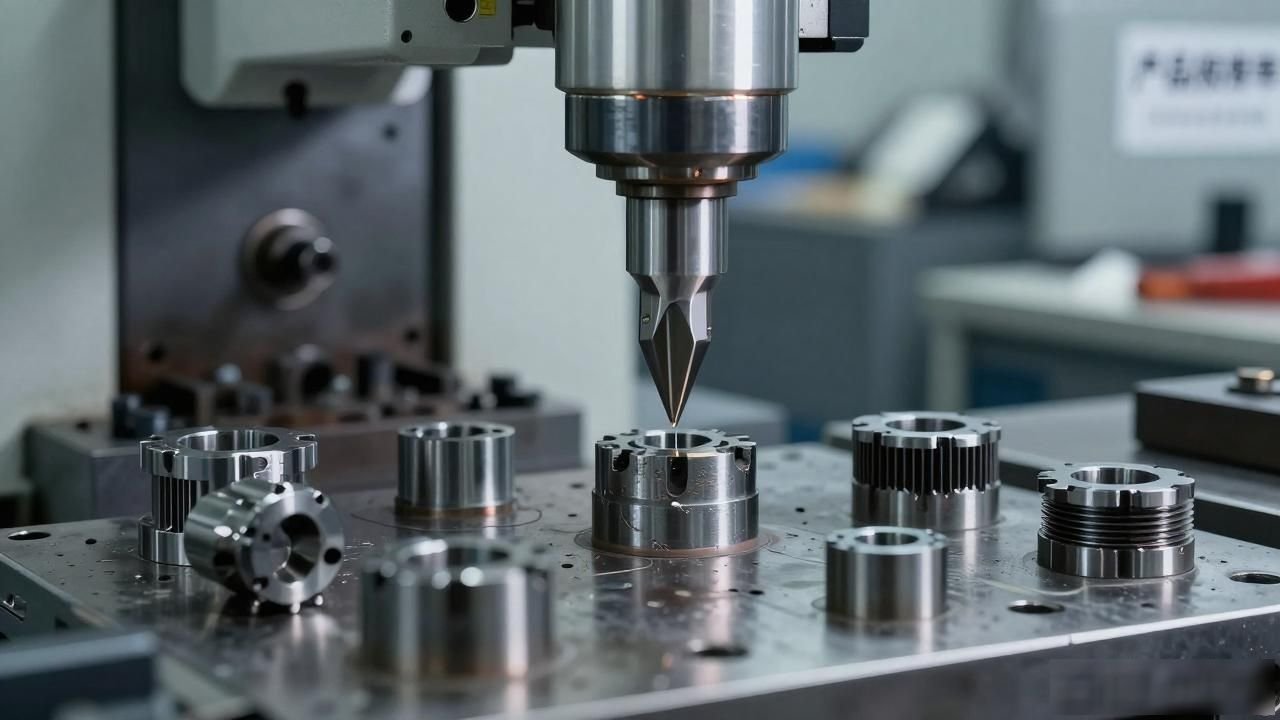
Parts with extremely small size and extremely high precision requirements are called micro parts, which are generally millimeter or even micron-level parts. In modern industry, although they are small in size, they are the key to the normal operation of the entire mechanical equipment.
From medical devices to aerospace, from electronic products to automobile engines, tiny parts are found everywhere. For example, the micro sensors in mobile phones and the fine structures on heart stents cannot be supported by high-precision processing technology.
Technology evolution history
Domestic processing of micro parts started relatively late, and can be traced back to the 1980s at the earliest. At that time, it mainly relied on imported equipment, and the processing accuracy was difficult to reach the international advanced level. The real big progress was after 2010. With the widespread use of CNC machine tool technology, domestic equipment has gradually caught up.
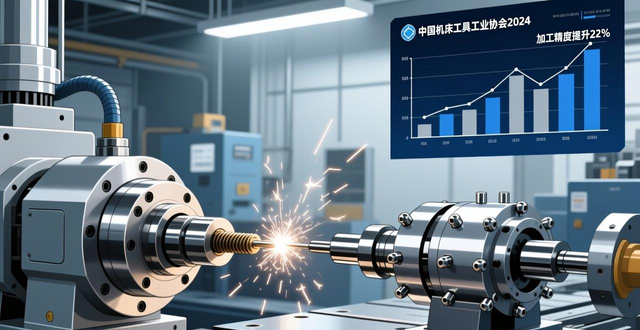
By 2023, the accuracy of domestic small parts processing can already reach the level of 0.001 mm. In the Yangtze River Delta region, the number of precision manufacturing companies has exceeded 500 as a result of the development trend of micro parts processing technology . Its annual total output value has exceeded the 200 billion yuan mark, and it has become the most important industrial cluster in the country.
Current technical difficulties

The most troublesome problem faced when processing extremely small parts is how to ensure that the accuracy remains stable. During the processing of materials, thermal deformation will occur, and tool wear will directly affect the surface quality. These extremely small factors will all lead to an increase in the scrap rate of the product.
At present, the average yield rate in the industry is only about 75%, which means that nearly a quarter of the products have to be reworked or scrapped . In the field of high-end medical devices, this ratio must be controlled at more than 90%, otherwise it will not pass certification.
Emerging technology applications
Laser processing technology has made great progress in recent years. By 2024, many domestic companies have begun to use ultra-fast laser micro-machining technology to perform operations. Compared with traditional methods, the processing speed has increased to three times as much as the original method, and the accuracy has improved by two orders of magnitude.
In the field of micro parts, 3D printing technology has also shown extraordinary potential. Metal additive manufacturing can form extremely complex micro structures in one go. It eliminates the multiple processes required in traditional processing . The development trend of micro parts processing technology greatly shortens the original production cycle and reduces manufacturing costs.
Industry development trends
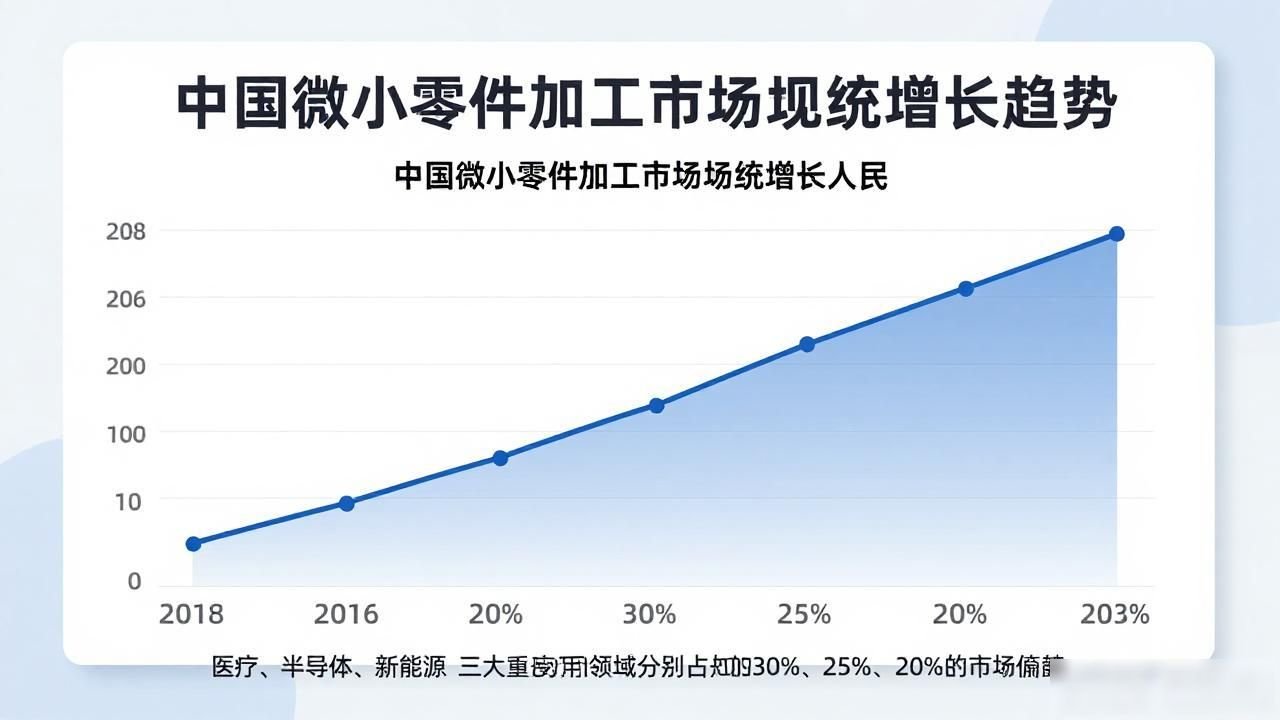
According to industry forecasts, by 2026, the market size of China's micro parts processing will reach 300 billion yuan, with an average annual growth rate of more than 15%. Among the three major fields of medical care, semiconductors, and new energy, the medical field, semiconductor field, and new energy field, rather than other areas, will become the main growth points. They occupy 30%, 25%, and 20% respectively.
It is small and medium-sized enterprises that are accelerating the process of technological upgrading. During the first half of 2025, more than a thousand companies related to micro parts processing were added across the country, and the proportion of specialized and special new companies reached 40%. This shows a clear trend of the industry developing in the direction of high quality.
future development direction
In the future, the processing of micro parts will focus more on green manufacturing. The use of traditional cutting fluids will cause environmental pollution. Dry machining and minimum quantity lubrication technology are becoming mainstream choices. This transformation can not only reduce costs, but also comply with increasingly stringent environmental protection requirements.
Another important trend is intelligence. With the introduction of AI visual inspection and data analysis systems, the processing process can achieve real-time monitoring and automatic compensation, reducing human errors to a minimum. It is estimated that in five years, the market share of intelligent processing equipment will exceed 60%.
The processing of fine and tiny parts may not seem conspicuous on the surface, but it is actually directly related to the competitiveness of the entire manufacturing industry. Think about it, which kind of tiny parts will have the fastest growing demand in the future? You are welcome to share your opinions in the comment area. If you think it is useful, then like and forward it!






暂无评论内容