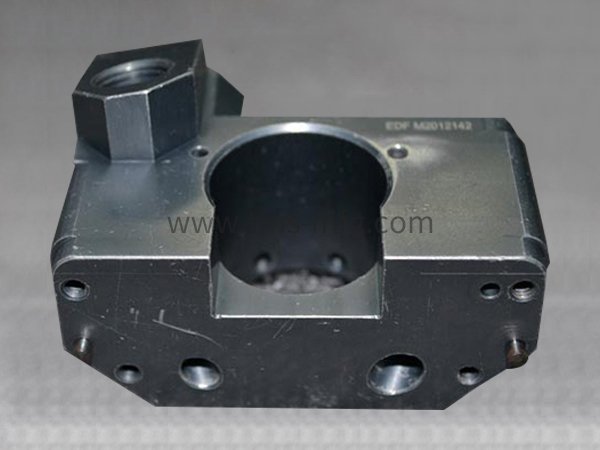


Let’s briefly talk about what factors generally determine the cost of precision parts processing?
Raw material costs vary greatly
![图片[1]-Let’s Briefly Talk About What Factors Generally Determine The Cost Of Precision Parts Processing?-Dalian Fuhong Machinery Co., Ltd](/wp-content/uploads/2026/08/1786557902611_0.jpg)
For the processing of precision parts, the cost gap has already arisen in the first step. There are extremely significant differences in the prices of raw materials of different materials. The prices of metal materials such as stainless steel, titanium alloys, and nickel-based alloys are not low, and the prices of high-performance engineering plastics are also on the high side.
Raw materials, their specifications and quality levels will also affect the quotation. The cost of raw materials with high precision and high purity is higher. There are some special materials that require import operations. These specially imported raw materials with long procurement cycles and large price fluctuations will be directly reflected in the final quotation.
The difficulty of processing determines the number of steps
The complexity of the part structure has a direct impact on the difficulty of processing. The more complex the structure of the part, the more processing steps are required, the longer it takes, and the more resources such as manpower and equipment are consumed.
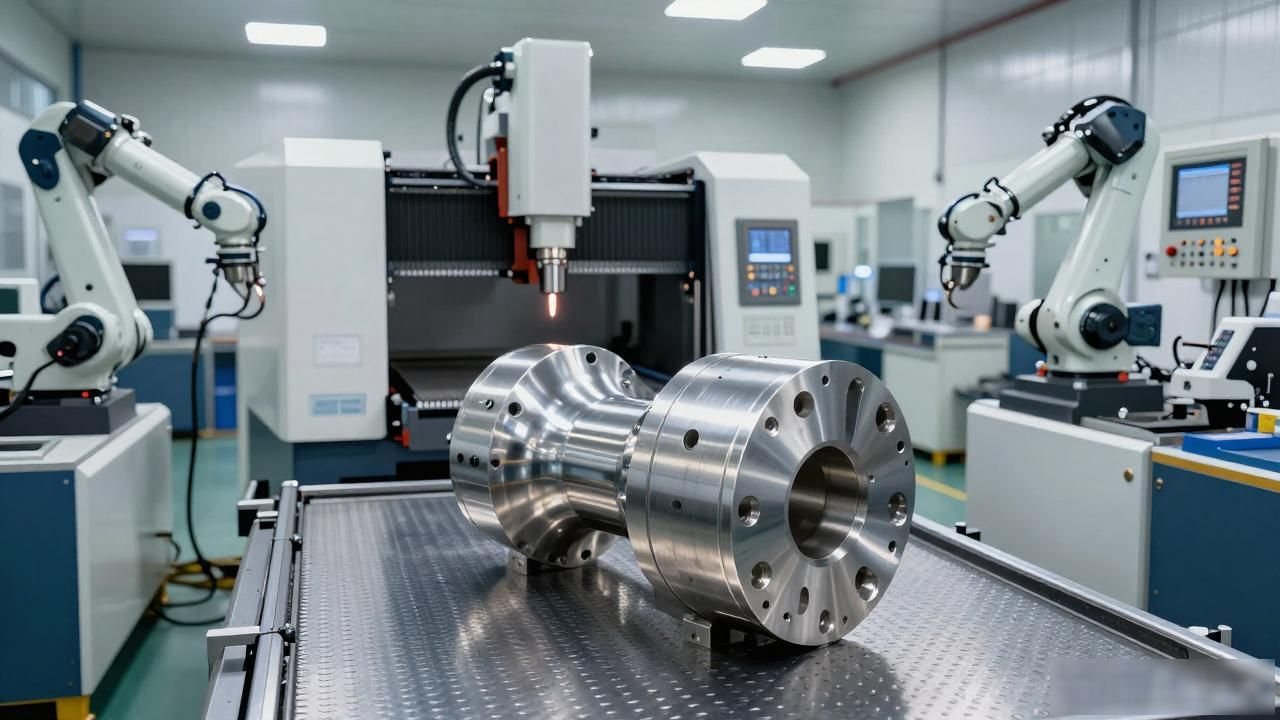
Features such as complex curved surfaces, tiny apertures, and deep grooves often require special processes such as multi-axis machining or electric discharge machining. Not only is the equipment investment huge, but the operation is also very difficult, and the cost naturally increases.
The higher the precision required, the more difficult the processing will be. Micron-level or even nano-level precision requires more precise equipment, more professional technology and a lower scrap rate. Aerospace parts are a typical example.
Prices vary widely for different processes
What has a greater impact on cost is the choice of processing technology. Traditional cutting is relatively mature and low-cost, and can meet the processing of parts with general precision requirements. However, this method is insufficient for parts with complex shapes or high-precision requirements.
Special process equipment such as electric discharge machining, laser machining, electrolytic machining, etc. requires huge investment and relatively low processing efficiency. However, it can achieve goals that are difficult to achieve in terms of structure and precision requirements of traditional processes, and the cost will also increase.
A lot of investment in equipment and tools
High-precision processing equipment that is already priced at a high level, such as five-axis machining centers and precision grinders, can easily cost hundreds of thousands or even millions. The cost of daily maintenance and energy consumption is also not a small amount, and these costs are allocated to each part.
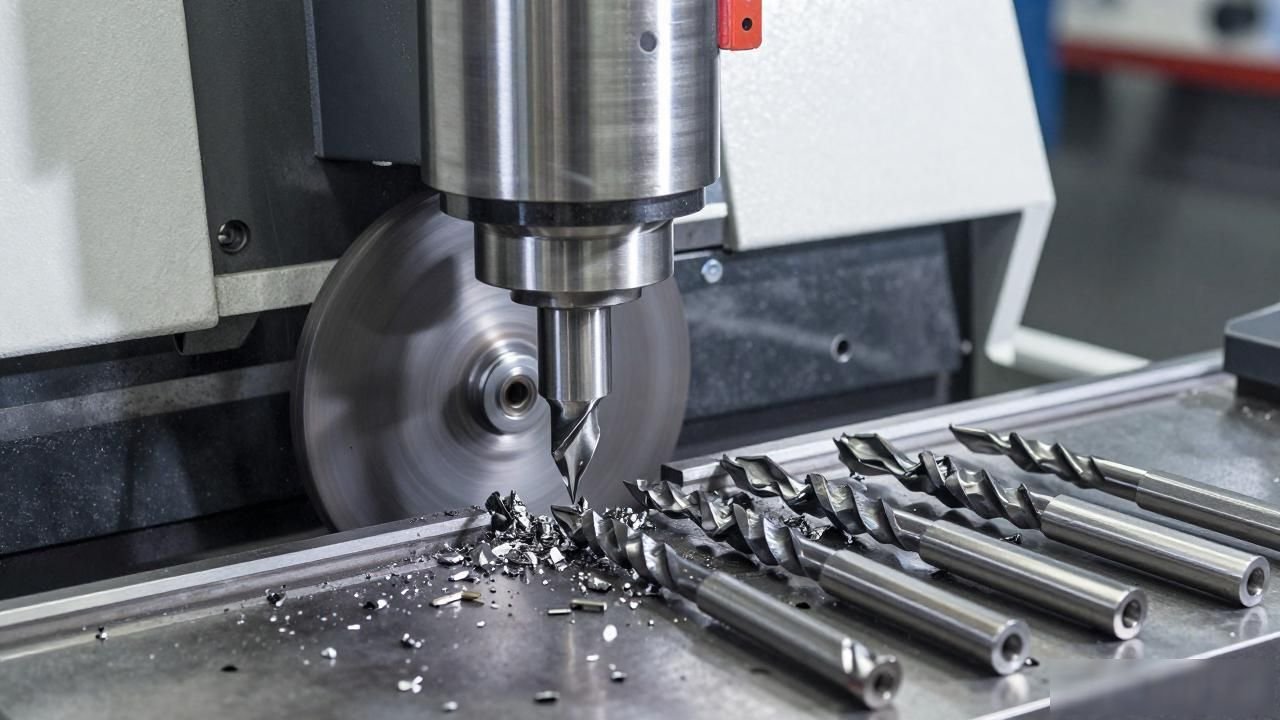
High precision requirements for processing also lead to high requirements for cutting tools. Carbide cutting tools and diamond cutting tools are very expensive and need to be replaced frequently depending on the materials used for processing and the accuracy requirements. The loss of cutting tools is an important part of the hidden costs.
Labor and inspection costs account for a high proportion
Engaging in precision parts processing requires skilled operators and process engineers. These professional talents are paid relatively high salaries, and they invest a lot of time and energy in programming, debugging, monitoring and quality inspection, which makes the labor cost account for a large proportion.
Quality inspection also cannot be ignored. Precision measuring equipment such as coordinate measuring machines and optical projectors are quite expensive. In this case, the application of non-destructive testing technology also increases the cost. The labor costs of inspection managers and the extension of production time will push up the total price.
Volume effect affects unit price
For unit costs, production batch size is a key factor. Under mass production conditions, equipment utilization is very high, mold and fixture costs will be diluted, workers become skilled in operation, the scrap rate is low, and unit costs drop significantly.
On the contrary, in small batch production, the fixed cost shared by each part is higher, and the cost of equipment debugging time and model change are not easy to amortize. Many manufacturers charge prices for small batches of precision parts that are significantly higher than those for large batches, which is a manifestation of economies of scale.







暂无评论内容