
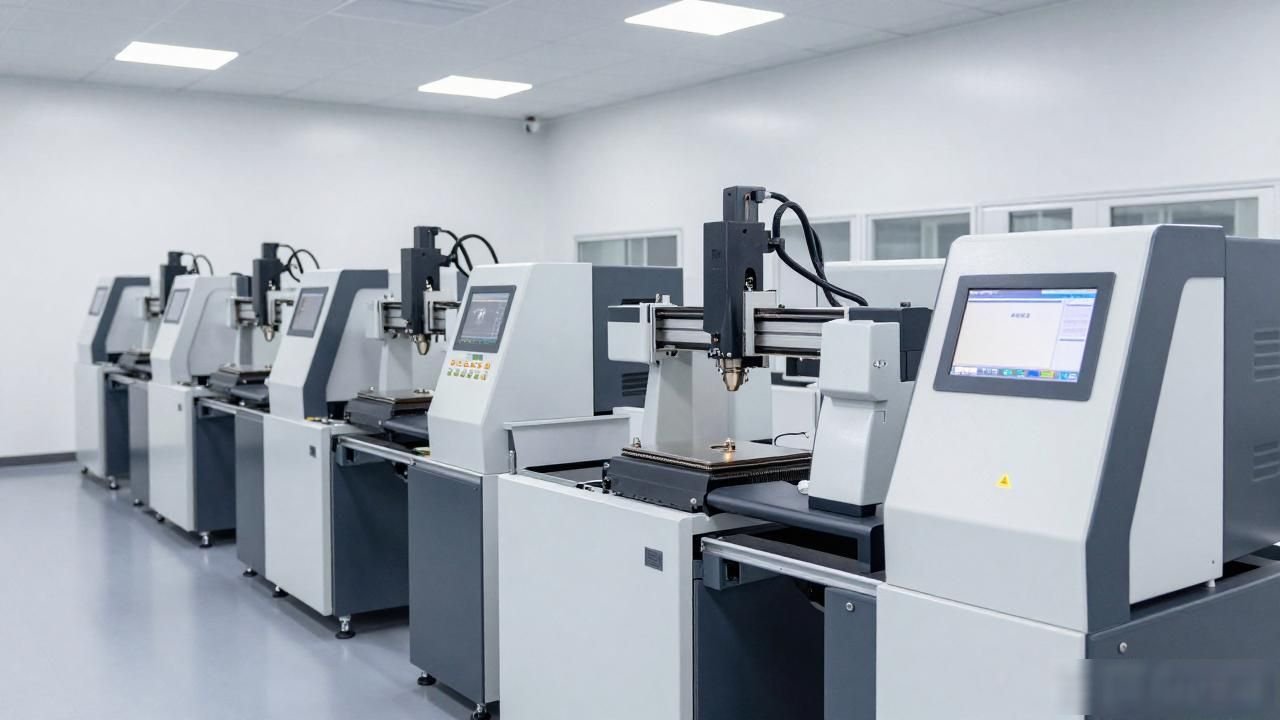
Can precision parts processing be used to process tiny parts?
How small can precision machining be?
Precision parts processing uses high-precision equipment and technology to precisely process metals or non-metals to produce parts that meet size and tolerance requirements. Parts on the millimeter level or smaller are generally called micro parts.
In the field of electronics, such parts are widely used. In the field of communication, such parts are also widely used. In fields such as medical treatment, such parts are also widely used. With the continuous development of science and technology, the demand for tiny parts has been increasing year by year, and precision processing companies have to face such a challenge.
Equipment and technical requirements
Only high-tech equipment and skilled technology can process tiny parts. The company has an integrated platform that integrates design, manufacturing, development, and production, and has a technical team with many years of production experience.
The processing of tiny parts often uses high-precision CNC machine tools, laser cutting machines, and micron-level processing equipment. These equipment can achieve high-precision and high-efficiency processing to ensure the accuracy of part dimensions. Equipment maintenance and debugging are also very important.
The particularity of the processing technology

The technology used in machining tiny parts is different from ordinary precision machining. In order to ensure quality, advanced technologies such as electric discharge machining and ultrasonic machining are often used.
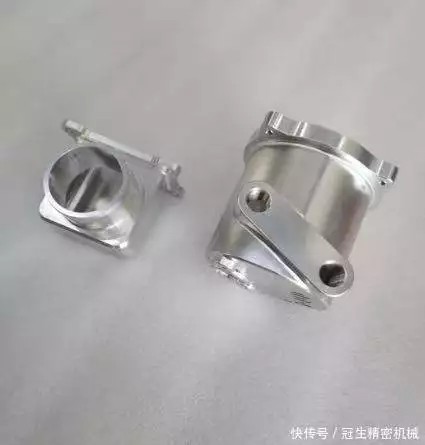
These processes can achieve high-precision processing without causing damage to the material. From the selection of raw materials, to the monitoring of the processing process, to the final inspection of the finished product, every link needs to be strictly controlled without slacking off on any detail.
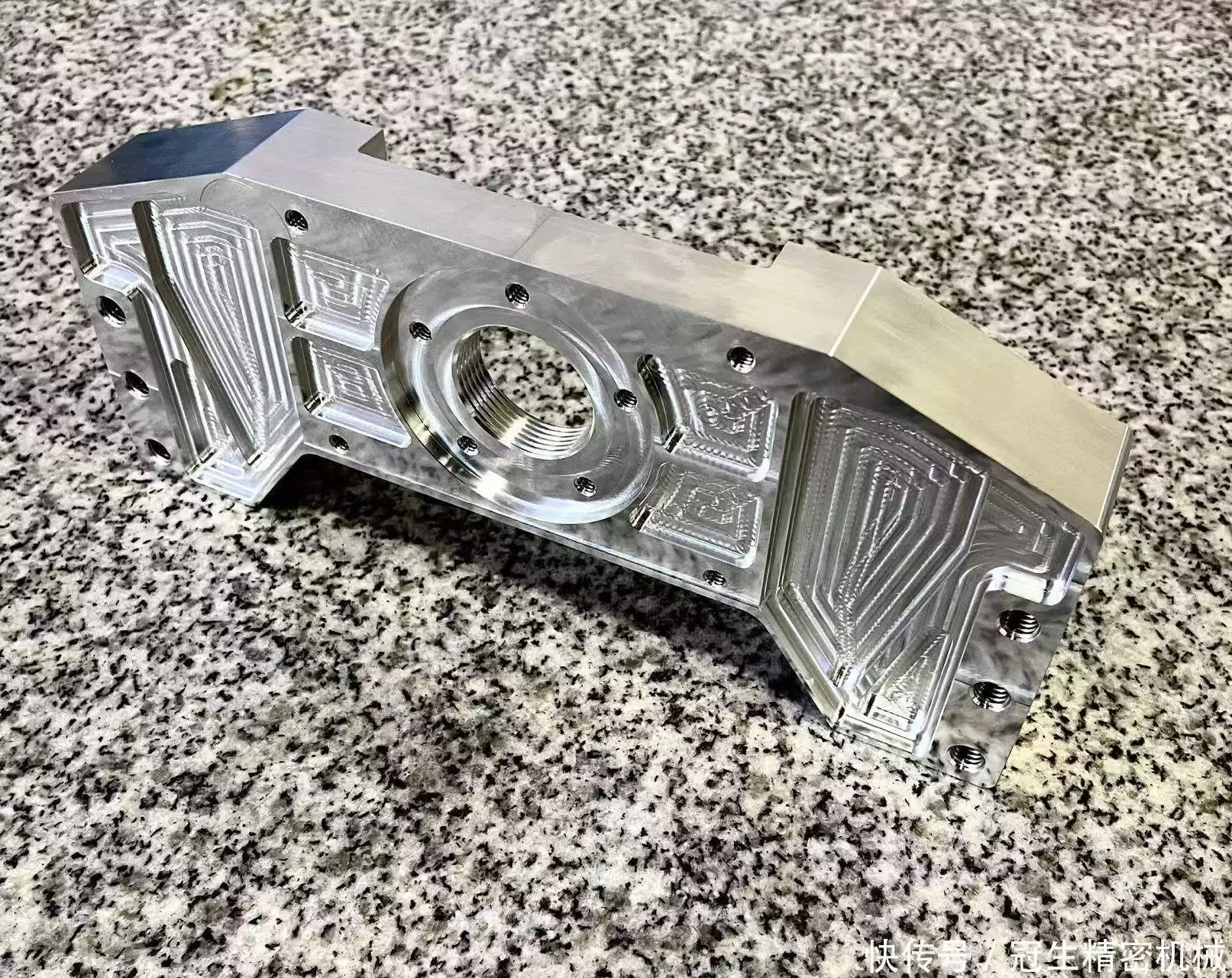
Quality management system

To ensure the quality of tiny parts, the key is to establish a complete quality management system. From the time raw materials enter the warehouse to the time the finished product leaves the warehouse, the entire process is traceable.
Every product must undergo rigorous testing before leaving the factory to ensure that dimensions, tolerances and surface quality all meet standards. Customers can customize testing standards according to their needs.
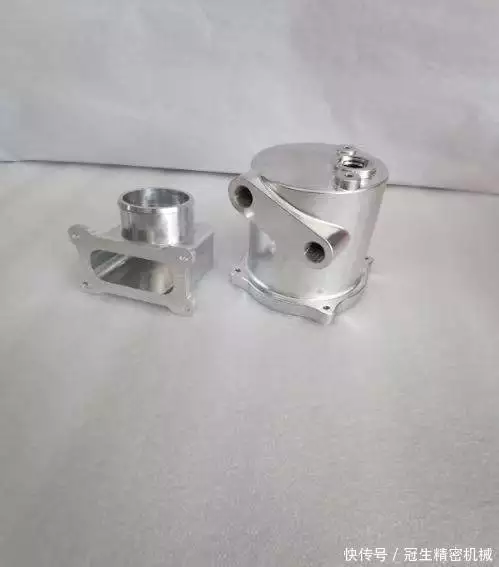
Wide range of applications
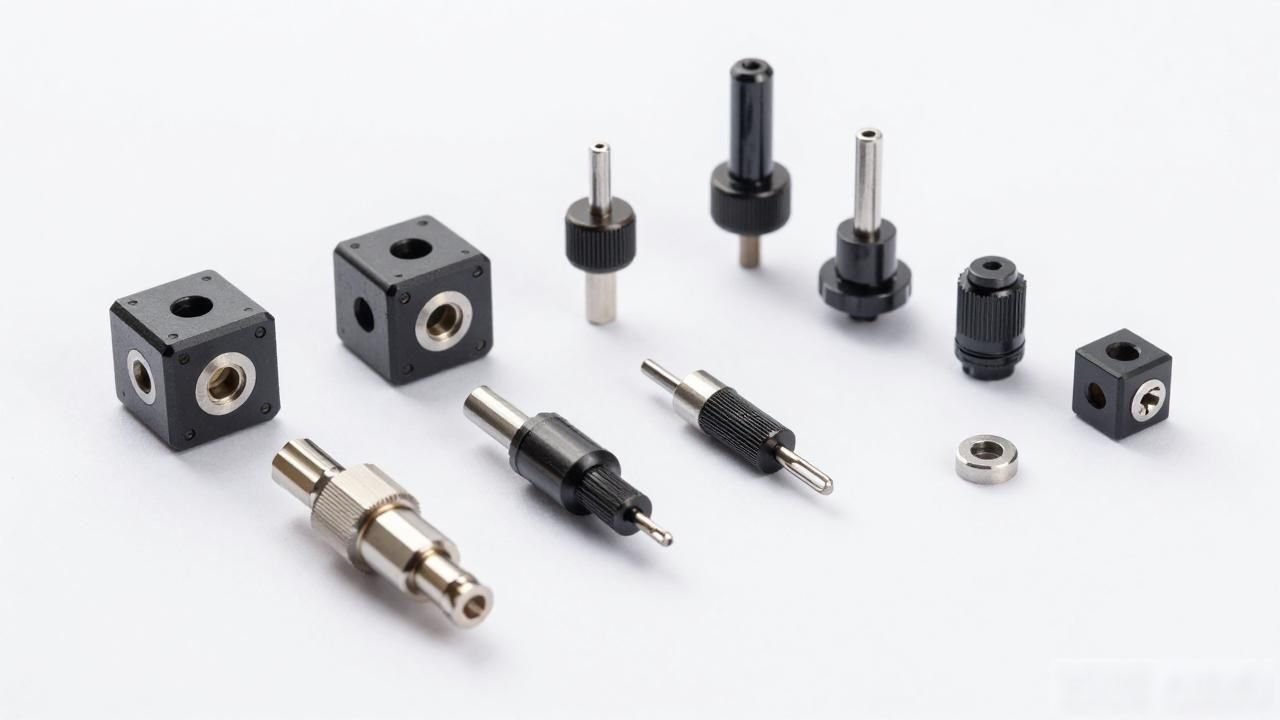
Micro connectors, switches and other parts are required by the electronics industry. These parts have a direct impact on equipment performance. Many key components in medical devices are very small in size and require particularly high precision.
In the field of security accessories, a large number of tiny parts are used, the same is true in the field of auto parts, and the same is true in communication accessories and other fields. The company can provide single-piece processing services, and the company can also provide small-batch processing services to meet individual needs.
future development direction
New materials are constantly emerging, new technologies are constantly emerging, and the processing technology of tiny parts will continue to be upgraded. Higher precision will become possible, and more complex structures will also become possible.
As market competition becomes more and more intense, companies must achieve the goal of continuously improving technical standards and service quality. By optimizing production processes, they can reduce production costs and provide customers with services that are more in line with high-quality requirements.
The processing of small parts is absolutely possible. The key point lies in the relevant technology and supporting equipment. Has your company ever encountered the demand for processing small parts? I look forward to sharing your experience in the comment area.
Schreibe einen Kommentar
Du musst angemeldet sein, um einen Kommentar abzugeben.