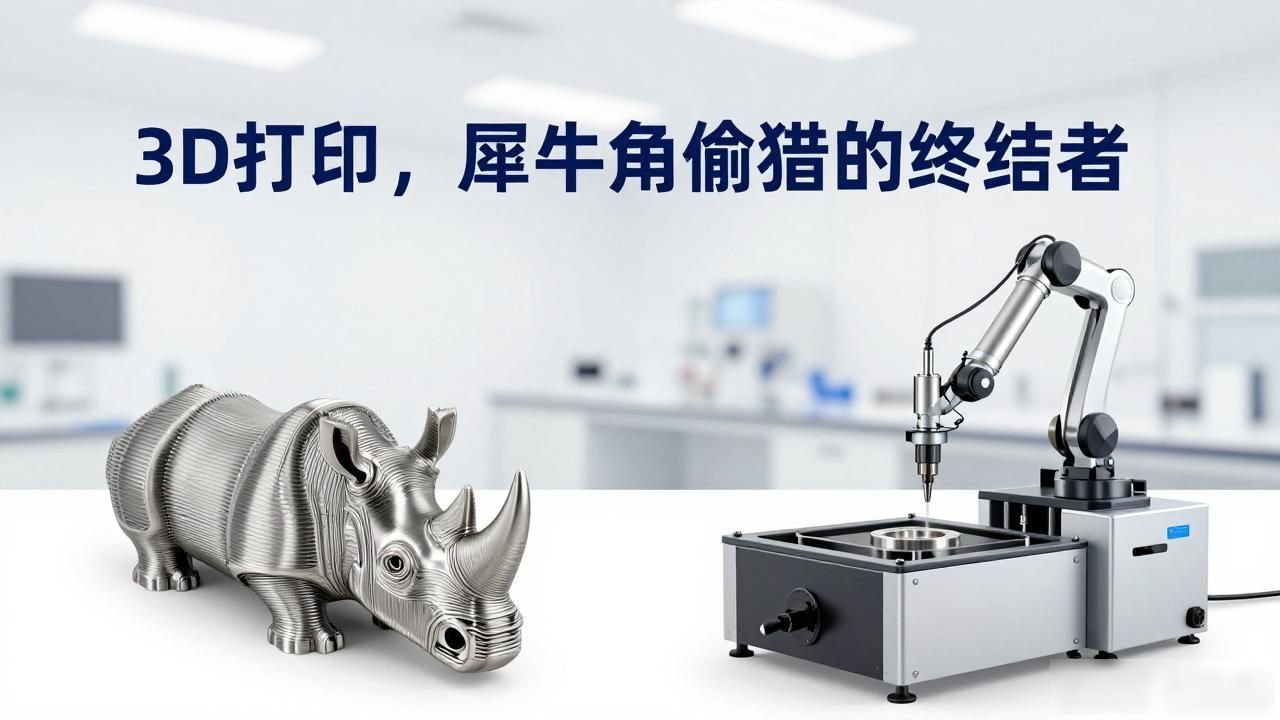
3D printing 3D printing, the end of rhino horn poaching, the end of rhino horn poaching
Limitations of home printing
Industrial technology with a history of twenty years is now quietly entering ordinary people's living rooms. Many people think that just buying a machine will enable them to perform magic. In fact, this is just the first step. Most of today's household tools can only handle plastic wire, and the strength of the models produced has limitations.
Metal printed threshold
If you want to truly subvert the factory, you must be able to print metal. Because of its lightweight and high strength, titanium alloy has become the preferred material for high-end manufacturing. However, it is extremely difficult to achieve this on a small home machine. To achieve this requires extremely high temperatures and complex support structures, which ordinary users simply cannot operate.
Pain points of surface treatment

Even though parts made of titanium alloys can be punched, the surfaces are often rough and stressed. Parts used directly are prone to breakage or corrosion. At this time, surface treatment technology becomes the key. It plays a decisive role in the durability and aesthetics of parts, and is a bridge between printing and practicality.
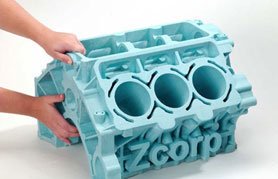
Comparison of traditional craftsmanship
CNC machine tool cutting is what traditional titanium alloy processing relies on, and it has a lot of waste and high costs. 3D printing is additive manufacturing, which results in almost zero waste. However, combining the two is the key. Only by planning and layout based on post-printing processing can we make up for the inherent shortcomings of additive manufacturing and make metal parts reach industrial-grade standards.
Desktop factory dream
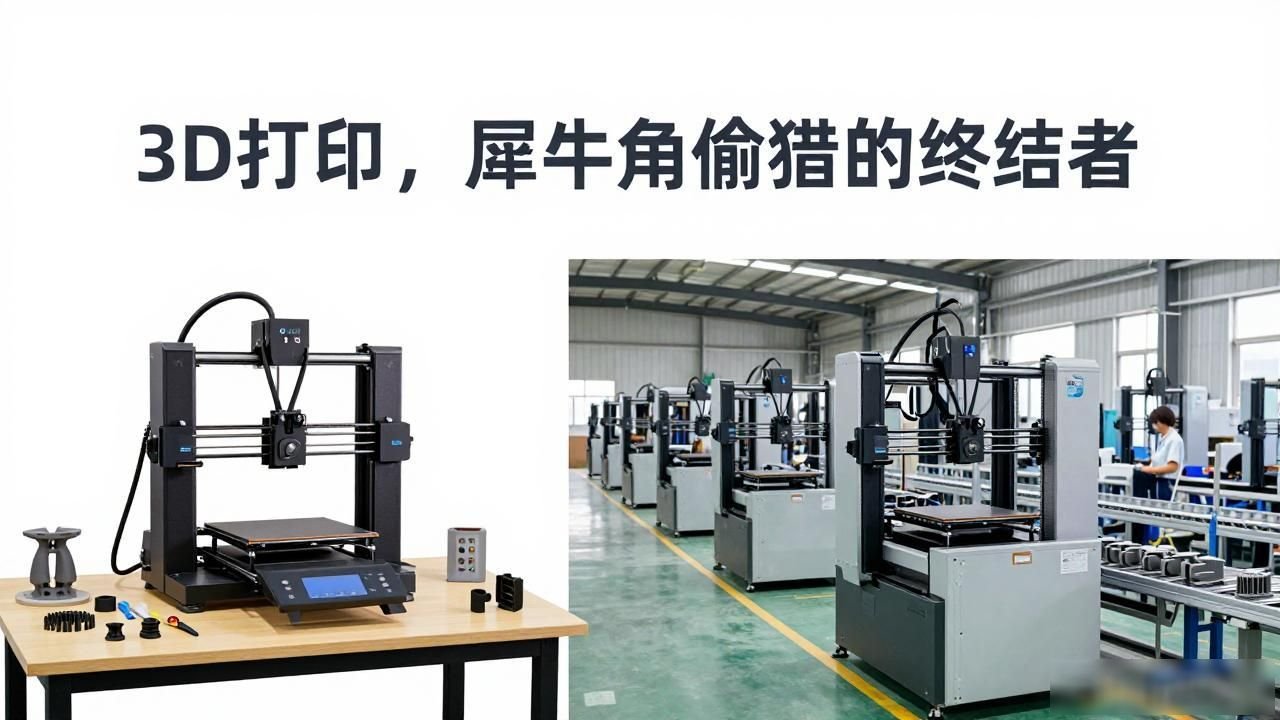
When everyone can produce their own customized parts on a small table, the traditional supply chain will be reshaped. However, this does not mean that this situation will be completely replaced. In fact, they will complement each other and use printing to meet personalized needs. Large-scale standard parts will still be produced by factories. This hybrid model is the norm in the future.
future challenges
To achieve this vision, it is necessary to break through the problems in material science and process control, especially the standardization of titanium alloy post-processing. Only by establishing complete industry standards can 3D printing truly enter daily production. Are you willing to try printing metal tools yourself?
Schreibe einen Kommentar
Du musst angemeldet sein, um einen Kommentar abzugeben.