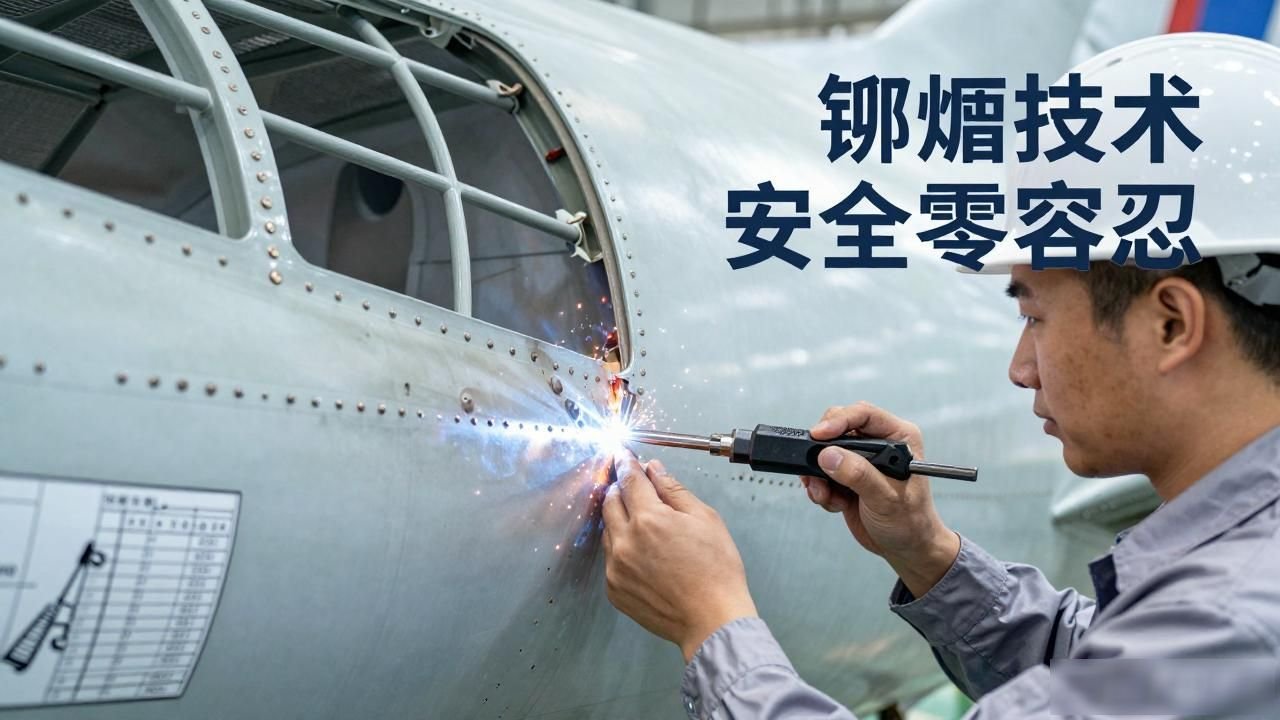


What is riveting welding?
Nieten is not just simple splicing
Many people think that riveting is about nailing parts together. In fact, this work pays attention to precision. It uses rivets to connect metals and requires heating and pressure. This traditional process is low-cost and fast, and is very popular in factories.
Don't just look at the rough appearance on the surface. In fact, there are many ways inside. The quality of the connecting part will directly play a decisive role in the service life of the product, so the temperature and pressure must be strictly controlled. Regardless of whether you are dealing with a relatively thin iron sheet or a relatively thick steel plate, as long as the parameters can be adjusted just right, you can meet various complex and diverse manufacturing needs.
Select the wrong gas and all your efforts will be wasted.
The gas used during welding is not randomly filled. Gases with protective properties such as argon and helium are mainly used to isolate air. They form a barrier in high-temperature areas to prevent metal from oxidizing or nitriding, thereby ensuring that the weld is solid and never becomes brittle and easy to break.
Not only protection, but also reactive gases to help. Carbon dioxide or mixed gases can participate in chemical reactions, thereby improving the appearance of the weld. The substances generated by these gases can strengthen the structure, making the joint more durable, and the anti-corrosion ability is also greatly improved.
Don’t be careless in aerospace

In the field of aerospace, riveting technology is one of the core methods. The aircraft fuselage, which has thousands of parts, relies on extremely precise riveting, which is a tolerance analysis during the riveting and welding assembly process . The requirements for tolerance fit here are extremely high. Just a slight deviation may lead to serious safety hazards. This must be strictly handled with zero tolerance.
Automobile manufacturing relies on riveting and welding. The strength of the body frame will have a direct impact on crash safety. Engineers optimize the riveting sequence and strength to ensure that each vehicle meets strict standards. Quality control in this mass production is accurately completed by automated equipment.
The harsh environment of petrochemical industry
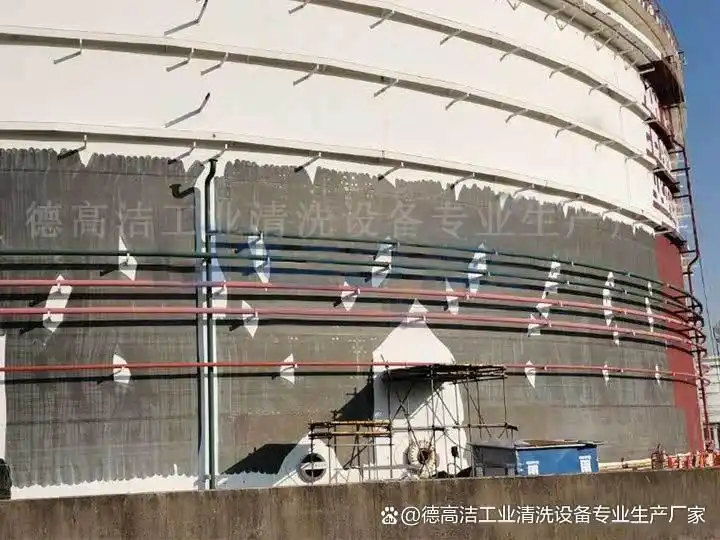
Petrochemical equipment has been in a corrosive environment for a long time, and the sealing performance of riveted joints is extremely critical. If leakage occurs, the consequences will be unimaginable. Therefore, you must be extra cautious in selecting materials and welding parameters to ensure that each joint can withstand the corrosion damage of strong acids and alkalis.
Among these high-risk industries, regular inspection of rivet welding parts is a routine operation. Technicians will use professional instruments to detect tiny cracks or deformations. Only by discovering and repairing hidden dangers in time can we ensure the continuous operation of the production line and avoid huge economic losses.
The trend of intelligence is irreversible
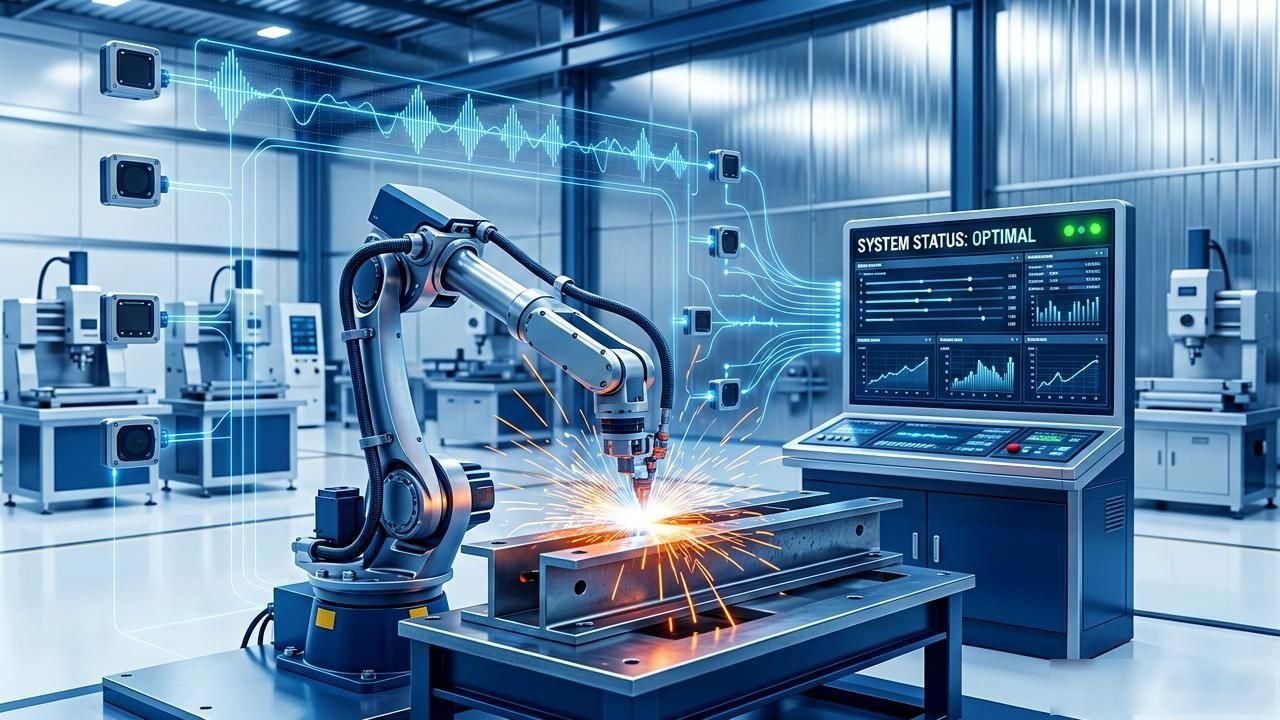
In the future, riveting welding will no longer rely on the experience of master craftsmen. Smart sensors will monitor the temperature, pressure and gas flow in the welding process in real time. The data will be fed back to the control system, which will automatically adjust the optimal parameters, thus achieving unmanned and precise operations, thus greatly improving production efficiency.
New low-smoke welding materials and clean gases are becoming widely popular . Analysis of tolerances during the riveting and assembly process , which reduces the pollution caused to the environment, and environmental protection is also the direction of development. In order to meet the standards of green manufacturing, companies have upgraded their equipment one after another. This not only reduces emissions, but also improves the health protection level of workers.
Tolerance fit is the core
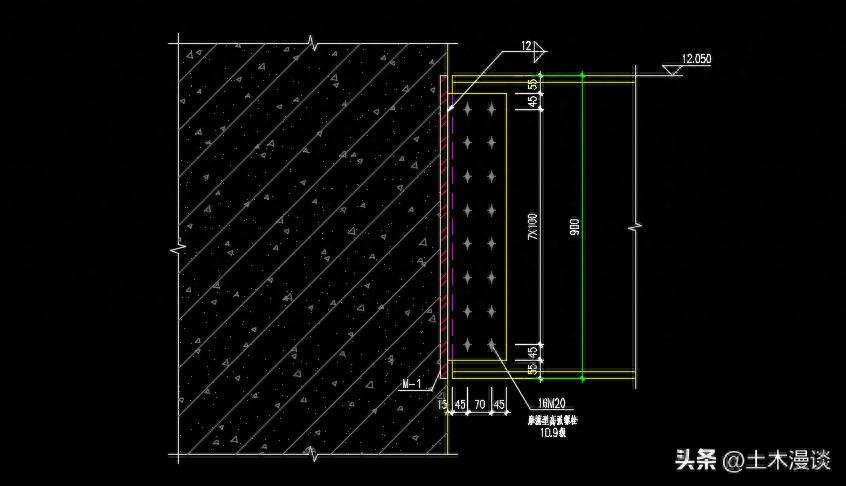
Many people who are just starting to learn often overlook the importance of tolerance fit. Riveting welding is not a simple superposition behavior, but a precision type of assembly operation. Deviations in hole positions and differences in plate thickness will have an impact on the final strength. Only by accurately calculating the tolerance range can consistency be ensured during mass production.
We urge everyone to keep records during actual operation to compare the results under different parameter conditions. When encountering difficulties, refer to industry standard data. After all, details play a decisive role in success or failure, and only by continuously accumulating experience can we grasp the true essence of riveting and produce high-quality products.
Guess, based on the analysis of tolerances during the riveting welding assembly process , is it the deformation of the material that is more difficult to control, or the purity of the gas that is more difficult to control? You are welcome to leave a message to start a discussion. If you find it useful, please give it a like and share it!





暂无评论内容