

How is the core load-bearing structure of the bridge crane designed?
Structural design determines life and death
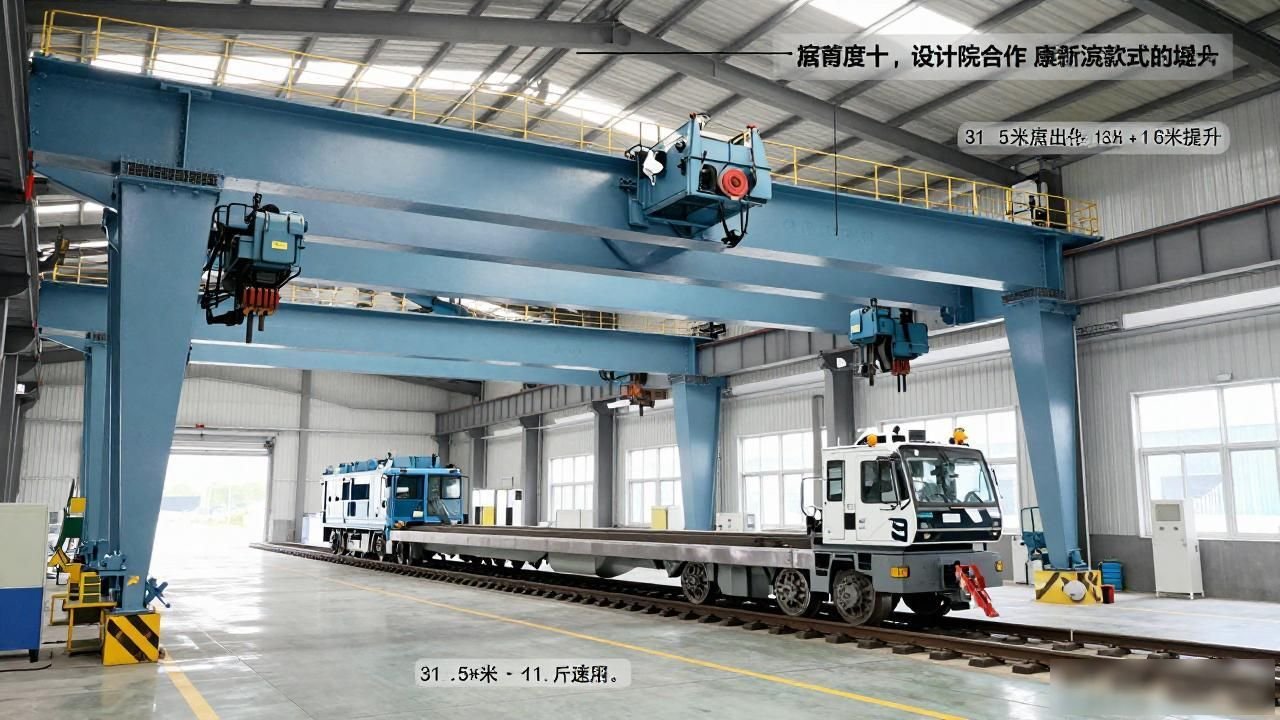
The bridge frame that supports the crane is riveted and welded on the new crane structure in cooperation with the design institute . That is its key backbone, which must steadily bear the lifting weight and its own weight. The box-type double-girder structure is the most commonly used in cranes, and it has extremely considerable torsional resistance. These designs can effectively cope with long-span working conditions . The new crane structure is trial-produced and riveted in cooperation with the design institute , and the welding process is mature and stable. By adjusting the thickness of the plate, a balance point can be found between lightweight and high load-bearing capacity, so as to suit various lifting capacity requirements.
The service life is directly determined by the selection of materials. Most of the main beams use Q345 or Q235 steel, which has both strength and toughness. The end beams are made of steel plate welding to create a modular design. This not only reduces the difficulty of manufacturing, but also facilitates subsequent maintenance work. Excellent materials combined with a reasonable structure can enable the crane to work stably in harsh environments, thereby reducing the probability of failure.
Key parameters need to be accurate

The upper camber must be pre-set in the middle of the main beam to prevent the trolley from climbing during operation. After optimization, the resistance of the trolley can be reduced by more than 20%. The span is determined by the size of the workshop. The track gauge will have an impact on the layout of the wheels. The use of split drive technology and trial production of riveting welding of the new crane structure in cooperation with the design institute can significantly increase the operating speed under the 31.5-meter span.
The load is shared by a double-beam structure, which improves the transmission efficiency by 30%. For long-span bridges, their stress needs to be optimized through multiple supporting beams. The columns and rails work together to form a solid support, thereby increasing torsion resistance. For example, metallurgy-specific cranes rely on dual-motor configurations and can continuously perform operations in high-temperature environments. How is the core load-bearing structure of the bridge crane designed to meet the relevant requirements of high-intensity work levels?

Process control to ensure quality
Welding is a difficult point in manufacturing, and deformation can easily affect accuracy. The use of segmented de-welding methods and anti-deformation processes can effectively reduce heat input. Real-time monitoring with the help of laser trackers can control side camber within a very small range. Strict process control ensures the accuracy of the main beam shape, laying the foundation for subsequent assembly.
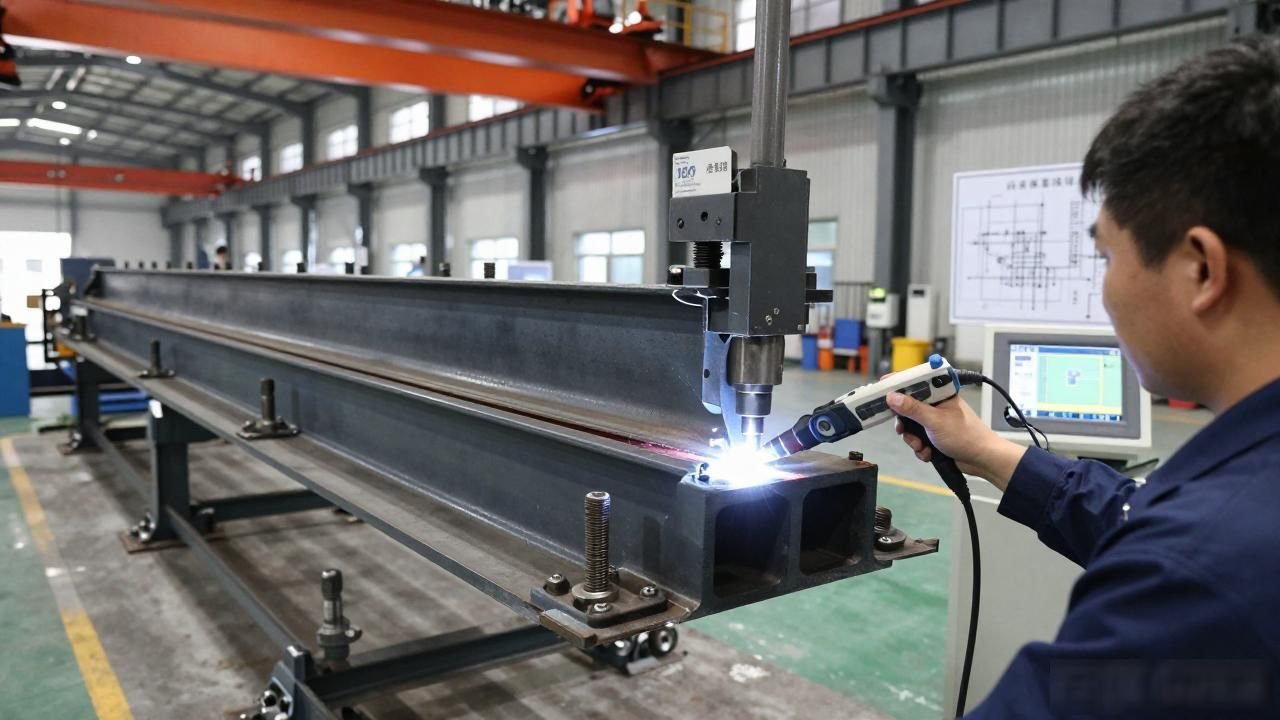
Stress relief must be carried out after welding to prevent the occurrence of cracks. High-strength bolts are used at the end beam connections, and shear plates are used to improve the joint fatigue performance. Ultrasonic flaw detection is used to inspect the welds to ensure that there are no internal defects. The static load test applies a load of 1.25 times to verify whether there are any safety issues in the structure and ensure that the equipment operation can be more reassuring.
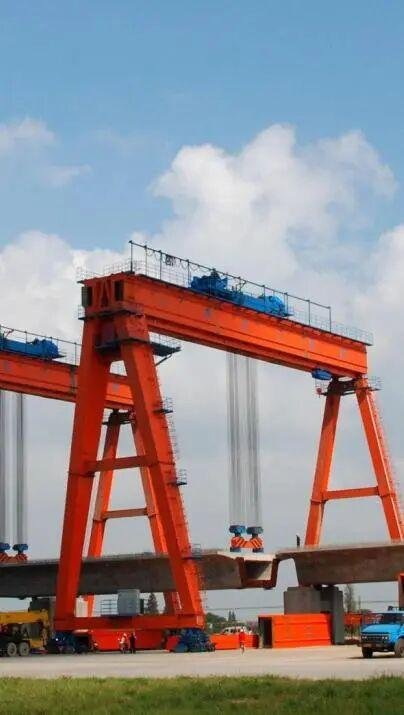
What breakthroughs are there in the structural design of this crane? Welcome to leave a message for discussion.







暂无评论内容