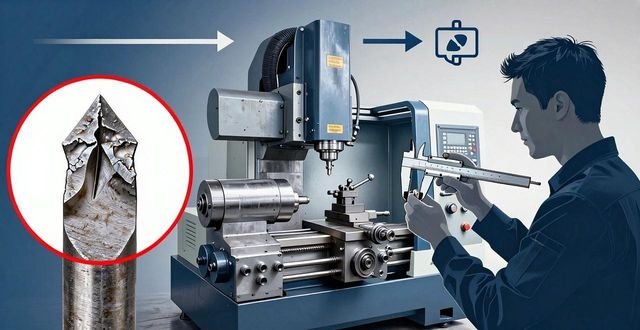
Common faults and troubleshooting methods of CNC turning and milling compound machine tools
The sudden interruption of communication connection is mostly caused by cable and parameter problems.
Communication failures in CNC turning and milling machine tools often occur between the system and external devices, such as interruptions in connection with computers or remote control terminals. When performing on-site maintenance, first check whether the communication cable is loose or damaged, which is the most direct cause.
If the cable is in normal condition, then the communication parameter settings need to be checked. This setting covers baud rate, data bits, stop bits, etc. In 2025, a machinery factory in Zhejiang experienced this type of problem. It was eventually discovered that the parameters were inconsistent, resulting in communication failure. After adjustments, it was restored to normal operation.
Servo system alarms frequently. Power supply and parameters are the focus of investigation.
The core driving part in CNC machine tools is the servo system, and its faults mostly appear as driver alarms or motor jitters. First of all, you need to check whether the power supply to the servo drive and motor is stable, because voltage fluctuations can easily cause abnormal conditions.
If the servo driver parameters are set incorrectly, it is very likely to cause the system to report an error for turning and milling composite machining maintenance , such as inappropriate servo gain or speed loop parameters. In 2024, a processing workshop in Guangdong once encountered a situation where the encoder connection was not stable. After re-inserting it tightly, the problem was solved. Such cases are quite common in maintenance records.

Regular inspections and clamping adjustments for tool wear and breakage are indispensable.
During the machining process, the tool is prone to wear or breakage due to reaching the end of its service life. Regularly checking the condition of the tool is the key to preventing failures. For example, when turning stainless steel, the life of the tool is generally in the range of 8 to 12 hours, and it needs to be replaced in time.
If the tool clamping device is not installed properly, problems may occur, so it is important to ensure that the tool is firmly fixed. Pay special attention to the control signals and connecting cables that move the tool magazine upward. In 2023, a factory in Jiangsu had a tool change error due to fraying of the connecting cables. After replacing the cables, it returned to normal status.
Insufficient coolant supply, pipeline cleaning and replacement must be kept up with
The reduction of cutting temperature requires the help of coolant, and the failure phenomenon often appears as a supply shortage or a blocked nozzle. First, check whether the coolant is sufficient and whether the pipeline is smooth. In 2025, at a company in Shandong, the surface quality of machined parts declined due to the deterioration of the coolant.
Cleaning of pipes and nozzles can prevent clogging, and regular replacement of coolant is also very important. If the coolant is seriously contaminated, it will affect the cutting effect and the life of the machine tool. Therefore, it is recommended to replace it every three months and clean the circulation system.
Routine inspections and records can significantly reduce unexpected shutdowns
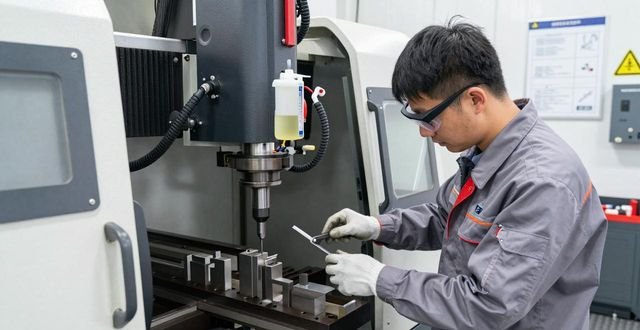
Maintenance is not just about troubleshooting, but more importantly, prevention. Operators should check the communication lines, tool status, and coolant level before starting the machine every day. These simple steps can reduce more than 80% of common failures.
Implementing a maintenance record system is extremely useful, as it records the time, cause and solution of each failure. In 2024, a factory in Henan relied on analysis experience and found that communication failures frequently occurred in wet seasons, so it added waterproof interfaces and reduced the possibility of downtime by half.
Professional training and tools improve on-site processing efficiency
Personnel engaged in operations and workers responsible for maintenance work should master basic troubleshooting skills, such as using a multimeter to test the power supply, and using parameter tables to check settings. Training courses can be accompanied by actual operations, such as simulating communications failures, so that employees can repair them hands-on.
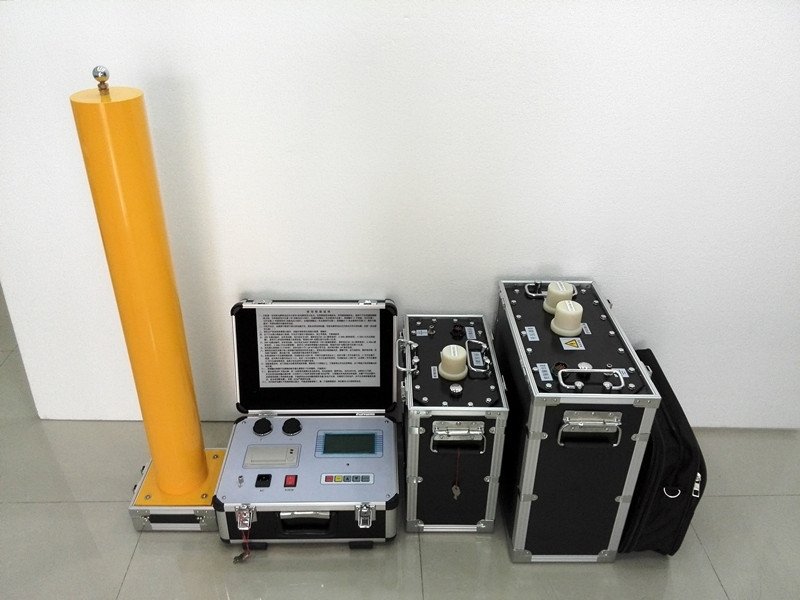
It is also important to be equipped with professional tools, such as communication testers, tool detectors, etc. In 2025, a maintenance company in Sichuan introduced wireless diagnostic equipment to shorten the time for locating servo system faults from the original 2 hours to 30 minutes. This greatly improved efficiency .
What is the most troublesome failure in turning-milling combined processing that you have encountered? You are welcome to share your experience in the comment area and explore more efficient solutions together. If you find this article useful to you, please like it and forward it to more colleagues.
Schreibe einen Kommentar
Du musst angemeldet sein, um einen Kommentar abzugeben.