

Turning processing technology and process optimization in CNC parts processing (Research on turning processing technology and process optimization in CNC parts processing)
Have you ever thought about how such high-precision components as the metal parts in mobile phones and the precision bushings in cars are mass-manufactured? The answer lies in CNC turning technology. This technology is changing our lives every day, yet many people don’t know much about it. With the upgrading of manufacturing industry, process engineers who master this technology are becoming increasingly in demand.
Process Engineer Core Responsibilities
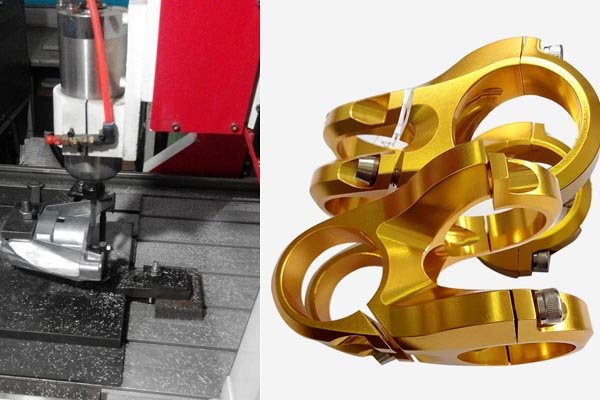
The CNC turning process engineer's work begins with drawing analysis. After getting a part drawing, the engineer must determine whether the part is suitable for processing with a lathe . The CNC turning process engineer's responsibilities must also evaluate the required tools and fixtures. For example, in 2025, a precision parts factory in Shenzhen received an order for medical equipment parts. The engineer spent two days analyzing the drawings and determined the best processing plan.
![图片[1]-Turning Processing Technology And Process Optimization In CNC Parts Processing (Research On Turning Processing Technology And Process Optimization In CNC Parts Processing)-Dalian Fuhong Machinery Co., Ltd](/wp-content/uploads/2026/04/1776363125509_0.jpg)
Process engineers are responsible for writing and debugging machining programs. They use CAM software to generate tool paths, and then conduct trial cutting and verification operations on the machine tool. At the beginning of 2026, an engineer from a company in Dongguan noticed that a certain parameter caused the surface roughness to exceed the standard during the debugging process. After timely adjustment, the entire batch of parts was avoided from being scrapped. This position requires very high levels of care and patience.
Reasonable selection of tools and cutting parameters
The first step in optimizing the turning process is tool selection. Different materials need to be matched with different tool materials. Sharp high-speed steel or carbide tools need to be used to process aluminum alloys, while processing stainless steel requires coated tools with better wear resistance. In 2025, a factory in Suzhou selected the wrong tool, causing a batch of parts worth 200,000 to be reworked.
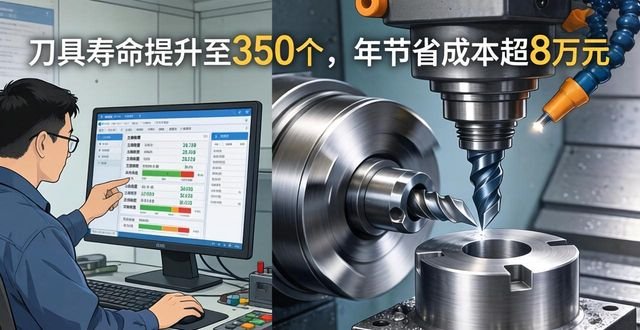
The setting of cutting parameters is also critical, which mainly covers the three elements of spindle speed, feed rate and cutting depth. Engineers perform actions to balance these parameters based on material hardness, tool life, and machine tool performance. Engineers at a manufacturing company in Shanghai increased tool life from 200 parts to 350 CNC turning process engineers by adjusting cutting speeds, saving more than 80,000 yuan in tool costs every year.
Machining path and cutting strategy optimization
![图片[3]-Turning Processing Technology And Process Optimization In CNC Parts Processing (Research On Turning Processing Technology And Process Optimization In CNC Parts Processing)-Dalian Fuhong Machinery Co., Ltd](/wp-content/uploads/2026/04/1776363125509_2.jpg)
Reasonable processing paths play an important role in significantly reducing idle time. Traditional turning mostly follows a single direction of tool movement, but the optimized path can use dynamic cutting or trochoidal turning to reduce tool idle travel. There is a company in Hangzhou that improved the processing path of a part in 2025, ultimately shortening the processing time of a single part from 4 minutes to 2 and a half minutes.
The cutting strategy also includes the appropriate distribution of roughing and finishing. When roughing is pursued for high efficiency, a relatively large cutting depth and feed rate can be adopted. When finishing, the pursuit of surface quality requires reducing cutting parameters. Engineers at a parts factory in Ningbo used a layered turning strategy to quickly remove the allowance and then use a small depth of cut for finishing. The surface roughness of the part was reduced from Ra3.2 to Ra0.8.
Process monitoring and quality adjustment
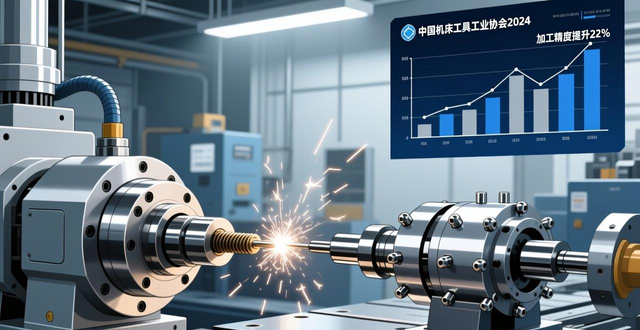
Real-time monitoring during the machining process is indispensable. Modern CNC systems can monitor the spindle load, cutting force and vibration signals. Once abnormalities are detected, they can promptly alarm. In 2025, a smart equipment factory in Guangzhou installed an online monitoring system, which successfully warned of tool damage during a machining period, thus avoiding machine tool damage.
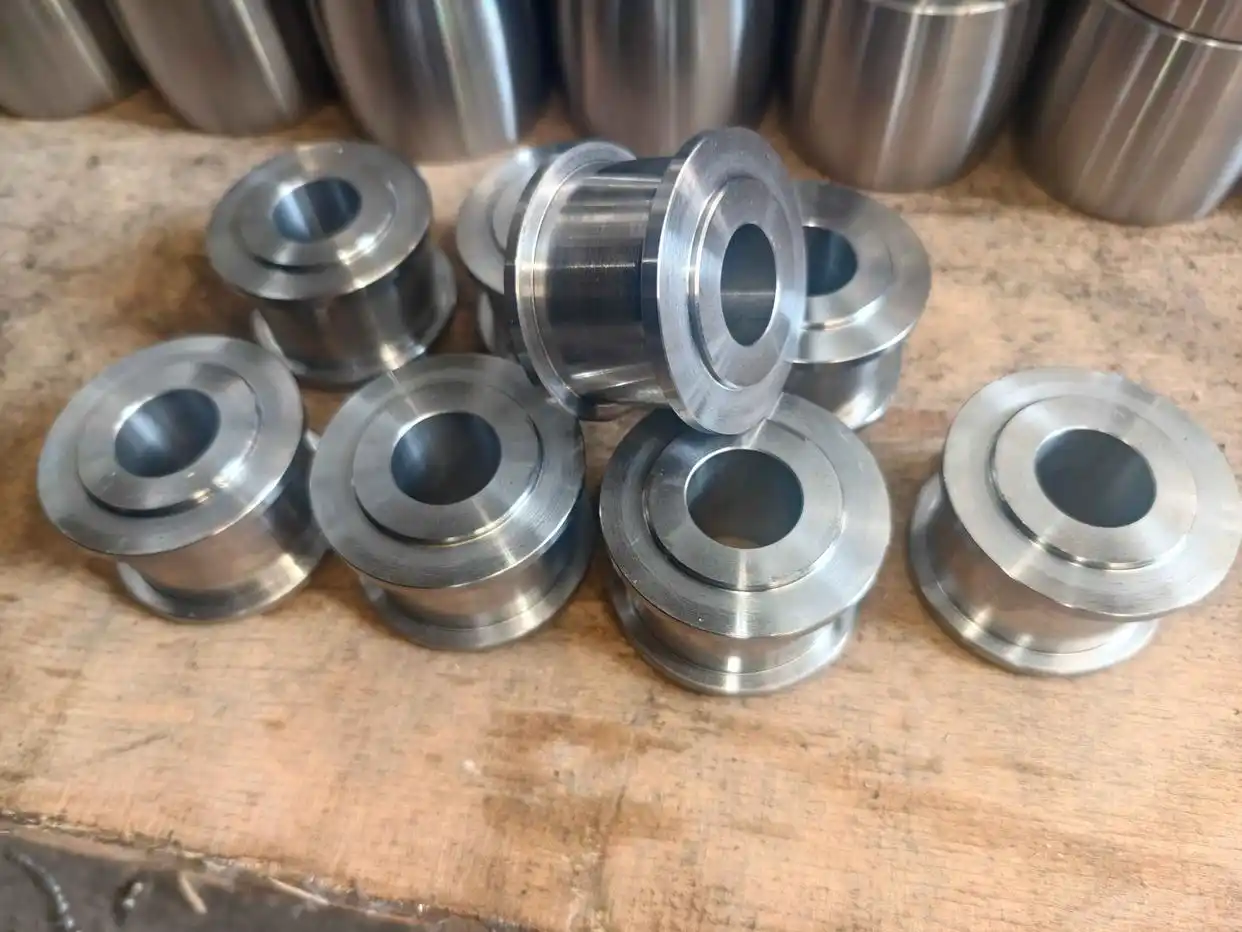
Process engineers need to adjust the processing program based on the test results. Key dimensions must be measured after each part is processed. Once a deviation is found, the cause must be analyzed. An engineer from a company in Shenzhen found that the outer diameter of the part continued to be too large.
![图片[4]-Turning Processing Technology And Process Optimization In CNC Parts Processing (Research On Turning Processing Technology And Process Optimization In CNC Parts Processing)-Dalian Fuhong Machinery Co., Ltd](/wp-content/uploads/2026/04/1776363125509_3.jpg)
New trends in intelligent CNC systems
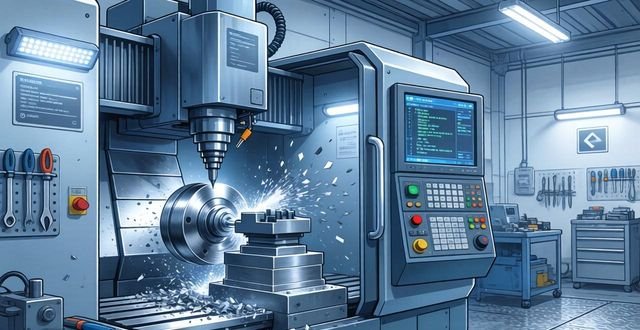
What is changing the face of turning is the intelligent CNC system that is at work. The new generation system has an adaptive control function, which can automatically carry out feed rate adjustment actions based on the cutting status. At the end of 2025, at a machine tool exhibition held in Beijing, a smart lathe was demonstrated. During the processing process, it can realize real-time optimization of parameters, and its efficiency is about 30% higher than that of traditional equipment.
Artificial intelligence technology is also applied to process optimization. After analyzing historical machining data, AI can recommend optimal cutting parameters and tool paths. A technology company in Suzhou has developed an AI assistant for turning processes. After engineers input part information, the system can give recommended machining plans within a few seconds, greatly shortening process preparation time.
The future development direction of processing technology
A key and important direction for the future is composite processing. A domestic machine tool brand released a new turn-milling compound machining center in early 2026. The turning-milling compound center can complete many processes such as turning, milling, and drilling on one machine tool, effectively eliminating errors caused by multiple clampings and completing all processing of complex parts with one clamping.
What is in the process of continuous improvement is the level of digitization and automation. An increasing number of factories have begun to deploy automated production lines, using robots and AGV cars to achieve unmanned production. There is a precision parts factory in Dongguan that renovated an automated turning production line in 2025. The production line can run 24 hours a day, reducing labor costs by 60%, while increasing output to twice the original volume. This case is worthy of reference by many companies.
After you read this article, what do you think is the biggest shortcoming of the factory or company you are in in terms of CNC turning process optimization? Welcome to leave a message about the responsibilities of a CNC turning process engineer in the comment area to share your observations and experiences, and don’t forget to like and forward it to more friends who need to know more about this technology.




暂无评论内容