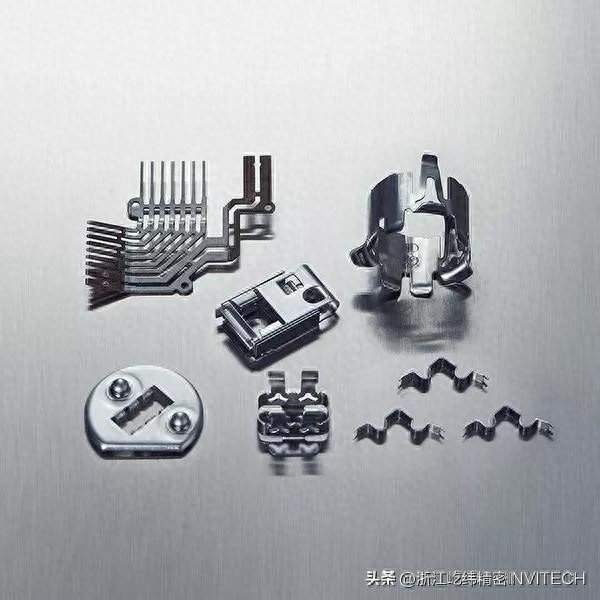


Surface treatment of aluminum stamping parts
Many customers come to us to make aluminum stamping parts and ask as soon as they start asking: How to do the surface treatment? Aluminum is relatively lightweight and relatively low-cost, but its surface is extremely prone to problems. Scratches, oxidation, and burrs are all a headache. If it is not processed, it cannot be used at all. If it is not processed properly, it will be even more troublesome.

Brushed metal is the most attractive
As one of the most common techniques for surface treatment of aluminum stamping parts, metal drawing is an operation that uses mechanical friction to create fine lines on the aluminum surface, which can make the product have a metallic luster but not dazzling. Straight grain drawing is suitable for long strip parts, such as laptop casings. Spin wire drawing is mostly used for disc-type parts, such as some dashboard covers. Texture brushing can create irregular textures, thereby enhancing the sense of design.
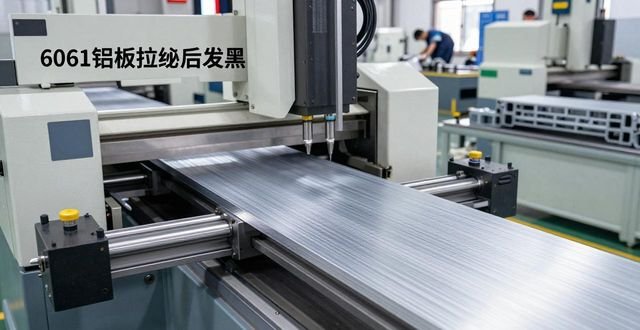
During actual production, there are certain requirements for wire drawing processing of the aluminum material itself. If the purity of the aluminum alloy is too low, the texture will become unclear and rough after the drawing operation. There is a factory in Shenzhen that is engaged in precision hardware manufacturing. When it undertook the business of making casings for a certain brand of mobile power supplies in 2025, it encountered the problem of blackening of the 6061 aluminum plate after drawing. Subsequently, the aluminum plate was replaced with a 5052 aluminum plate, and the effect of wire drawing was significantly improved. However, the wire drawing process could not solve the problem of anti-corrosion, and anodizing operations were generally required in the future.
Anodizing is the trump card process for aluminum treatment
At present, the most common and mature surface treatment method for aluminum stamping parts is anodizing. It does not simply apply a layer of something on it, but uses an electrochemical reaction to grow an oxide film on the surface of the aluminum. This film has the characteristics of high hardness, corrosion resistance, and non-conductivity. It can also absorb dyes and turn into various colors. Automotive interior parts, electronic product casings, and medical device parts all use anodizing treatment extensively.
During the specific operation, the aluminum stamping part is used as an anode and placed into the electrolyte. After power is applied, an aluminum oxide film will be generated on its surface. The thickness of this film can be controlled in the range of 5 to 25 microns. A company in Hangzhou accepted a batch of orders for drone casings in early 2026, and it required the thickness of the oxide film. To reach above 15 microns, and no rust spots will appear after 96 hours of salt spray testing, the company went through three process adjustments to reach the standard. It should be noted that the anodizing effect of different grades of aluminum alloys is very different. Pure aluminum is the easiest to operate, while aluminum with a high copper content is difficult to handle.
Sand blasting solves burrs and cleaning issues
In the surface treatment of aluminum stamping parts, sandblasting is an intermediate process. Its main purpose is not decoration, but cleaning and roughening. With the help of compressed air, fine sand particles are sprayed onto the surface of the aluminum parts at high speed, which can remove the burrs, oil stains and oxide scale left by the stamping. At the same time, the surface becomes uniform and rough, which lays the foundation for subsequent painting or anodizing. The adhesion of the aluminum stamping parts after sandblasting is significantly stronger, and the coating is not easy to fall off.
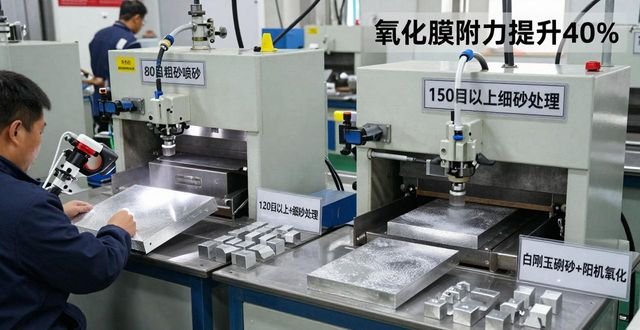
The thickness of the sandblasting can be adjusted by replacing the sand with different mesh numbers. The surface produced by the 80-mesh sand is relatively rough, which is suitable for large-sized parts that need to be thickly coated. The fine sand above 150 mesh is suitable for precision small parts. An electronics factory in Suzhou processed a batch of mobile phones in December 2025. When making medium-plate aluminum stamping parts, 120-mesh white corundum sandblasting is first used to remove the stamping oil, and then anodizing is performed. As a result, the adhesion of the oxide film is increased by 40% compared with direct oxidation. However, sandblasting will consume the material on the surface of the aluminum part. Surface treatment of aluminum stamping parts is not suitable for parts that are too thin.
Grinding and polishing can produce a mirror effect, but it is difficult to last.
The surface of aluminum stamping parts is treated to a level close to a mirror. This process is to polish the anodized surface of aluminum riveted parts . In this process, a coarse grinding wheel is generally used to remove the stamping lines and scratches, and then a fine grinding wheel and polishing paste are used to gradually increase the brightness. The polished aluminum parts and aluminum riveted parts are anodized and have high reflectivity and extremely high-end visual effects. Many high-end audio knobs, decorative panels, and optical instrument parts require mirror polishing.
However, the hardness of aluminum is not high, and the polished surface is easily scratched and oxidized. As soon as it comes into contact with air, its gloss will decrease within just a few days. If you want to maintain the mirror effect for a long time, you must perform transparent anodizing or spraying a varnish protective layer immediately after polishing. There is a precision processing factory in Guangzhou. In 2025, it received a batch of orders for yacht switch panels. The customer had a mirror effect requirement for the panels. To this end, they first polished and anodized the surface of the aluminum rivet welding parts , and then produced an 8-micron-thick transparent oxide film. During a return visit three months after delivery, they found that the panel was still as bright as brand new. If the customer is committed to long-term mirror effect but is unwilling to undergo oxidation treatment, stainless steel will be a more suitable option.
After you read these four surface treatment methods for aluminum stamping parts, which one do you think is the most suitable for your own products? Welcome to leave a message in the comment area and explain your specific needs. If the number of likes exceeds 100, I will make a special issue about the surface treatment comparison of different aluminum alloy brands.






暂无评论内容