Author: fc87

  • Manufacture of machinery and equipment: how to choose a reliable industrial partner? (What are the most often overlooked factors when evaluating manufacturers of machinery and equipment?)

    Manufacture of machinery and equipment: How to choose a reliable industrial partner?
    1 Introduction: Quality begins with choice
    In the global industrial chain, machinery and equipment manufacturing is the cornerstone supporting the development of various industries. From an efficient production line to a huge construction machine, a reliable machinery and equipment manufacturer is indispensable behind it. With so many suppliers out there, how to make a wise choice becomes the critical first step to ensure the success of your project and increase your ROI. This article will reveal the core elements of choosing a professional machinery and equipment manufacturing partner.

    2 Core competencies of specialised machinery and equipment manufacturers
    The value of a professional machinery and equipment manufacturer is reflected in the comprehensive capabilities of multiple dimensions.

    2.1 Advanced production and testing equipment
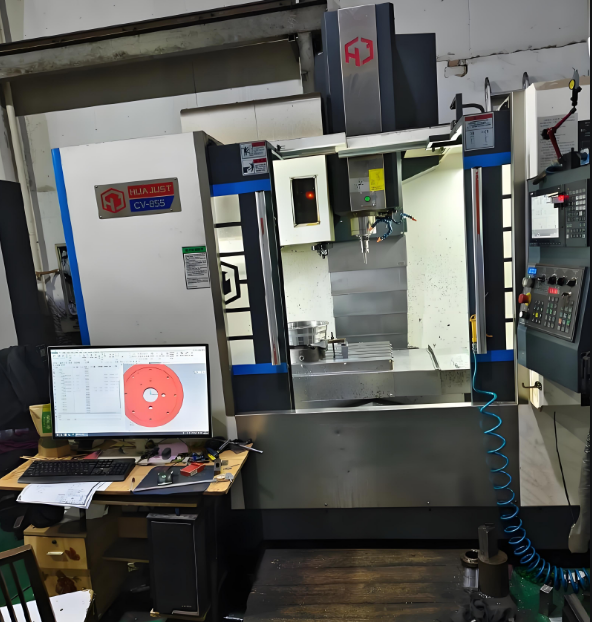
    CNC machining centres: ensure high precision and repeatability in the machining of complex parts-9.

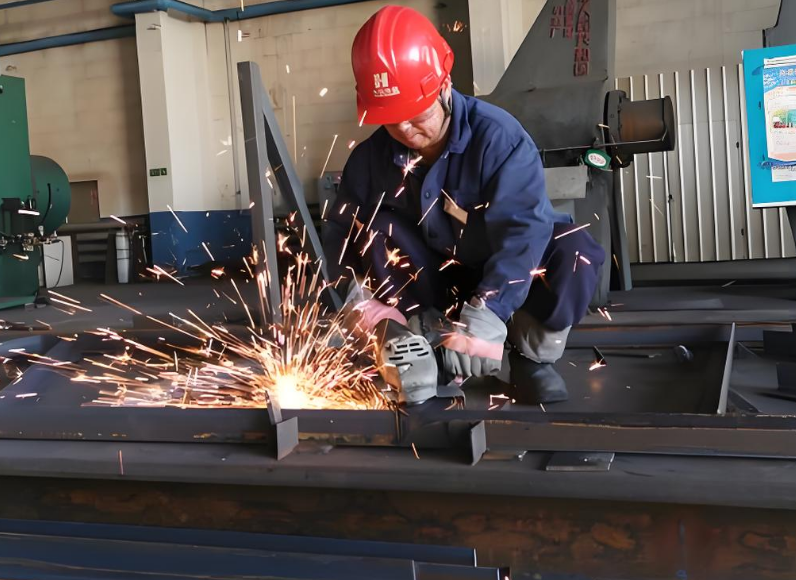
    Automated Welding Robot: Ensures consistent and efficient welding quality-3.

    CMM & Laser Tracker: Provide accurate quality data support for large-scale heavy equipment manufacturing.图片[1]-机械设备制造:如何选择可靠的工业合作伙伴?(在评估机械设备制造商时,最常被忽视的因素是什么?)-大连富泓机械有限公司

    2.2 Comprehensive technical qualification and certification
    Qualifications are the cornerstone of trust. Professional manufacturers usually hold:

    ISO 9001 quality management system certification: ensures that every step from design to delivery is well documented-9.

    Industry-specific certifications: such as CE (European Safety Certification), API (American Petroleum Institute Certification), etc., are passports for products to enter specific markets-6.

    Certification of welding systems, such as EN 15085 (rail vehicle welding) or ISO 3834 (quality requirements for fusion welding of metallic materials), is essential for the manufacture of heavy equipment.

    3 Specificities and Challenges of Heavy Equipment Manufacturing
    Heavy equipment manufacturing areas, such as the production of mining machinery, large harbour machinery or metallurgical equipment, require a higher degree of complexity and specialisation.

    Capacity to handle large structural parts: Manufacturers need to have key equipment such as large gantry mills and large plate rollers to complete the machining and forming of oversized workpieces.

    Extraordinary welding technology: In the manufacture of heavy equipment, many welds are critical and require special welding processes by qualified welders, sometimes with quality verification through non-destructive testing (e.g. ultrasound or X-ray)-3.

    Project Integration Management Capability: Large equipment is often produced modularly and shipped in batches, requiring manufacturers to have extremely strong project management and logistics coordination capabilities.

    4 Success stories: how trust is built
    We have worked with one of the world’s leading mining companies to provide their core crushing and screening systems.

    Challenge: The harsh working environment of the equipment requires high wear resistance of the material and reliability of the whole machine.

    Solution: Our engineers use finite element analysis for structural optimisation at the design stage, use ultra-high strength steel plates for key stress components during the manufacturing process of machinery and equipment, and carry out rigorous flaw inspections on all welded joints.

    Achievement: The equipment has been running trouble-free for more than 10,000 hours, which is highly recognised by the customer and confirms our profound strength in the field of heavy industry equipment manufacturing.

    5 Frequently Asked Questions
    Q: What are the most commonly overlooked factors when evaluating machinery and equipment manufacturers?
    A: Often it is the robustness of the supply chain. A robust supply chain ensures that there are no shortages of raw materials and key components at critical moments in production, which is an important guarantee of on-time delivery.

    Q: How can I verify a manufacturer’s actual production capacity?
    A: In addition to checking promotional materials, on-site factory inspection is an essential part. Focus on the factory’s 5S management, equipment maintenance status and the quality status of work-in-progress.

    Q: Can you customise to our specific needs?
    A: Of course. Customised design and highly adaptable production capabilities are one of the core services of modern machinery and equipment manufacturing. We can work closely with your technical team throughout the entire process, from conceptual design to product delivery.

    6 Conclusion
    Choosing a suitableManufacture of machinery and equipmentpartner, is an important strategic decision. By focusing on their technical equipment, qualifications, industry experience and project management expertise, you can make your choice with greater confidence. We look forward to being your reliable industrial partner with our extensive experience and technical expertise in the fields of mechanical engineering and heavy equipment manufacturing.

  • 5 Advantages of Precision Machining: Why Choose a Professional Processor? (Professional machining can significantly increase productivity by optimising machining paths and using automated equipment)

    Precision machiningThe 5 advantages of: Why choose a professional processing plant?
    1 Introduction: the value of precision machining
    In a competitive manufacturing environment, precision machining has become a key determinant of product quality and performance. Choosing a professional machining facility not only ensures part accuracy, but also optimises productivity and reduces costs. In this article, we will detail the five advantages of professional precision machining to help you make informed purchasing decisions.

    2 Analysis of five core advantages
    2.1 Extremely high dimensional accuracy and repeatability
    Professional machining services use state-of-the-art CNC machines capable of achieving millimetre-level precision control. This is crucial for application scenarios with tight tolerance requirements:

    Consistency: high level of consistency for every part in series production

    Good interchangeability: no additional modifications are required when assembling the parts

    High degree of design realisation: accurate realisation of the designer’s intentions and requirements – 6图片[1]-精密机械加工的5大优势:为什么选择专业加工厂?(通过优化加工路径和采用自动化设备,专业机械加工能显著提高生产效率)-大连富泓机械有限公司

    2.2 Wide range of material adaptability
    Unlike a regular machine shop, a specialised machine shop has the ability to handle a wide range of materials:

    Ferrous metals: carbon steel, alloy steel, stainless steel, etc.

    Non-ferrous metals: aluminium, copper, titanium and their alloys

    Special materials: high-temperature alloys, composite materials, etc.

    We are familiar with the properties and processing difficulties of various materials and can select the most suitable material for your project.

    2.3 Efficient production capacity
    By optimising machining paths and using automated equipment, professional machining can significantly increase productivity:

    Reduced lead times: fast response to customer needs

    Reduced unit costs: through process optimisation and volume effects

    Flexibility to adjust: Flexibility to adjust production schedules according to order quantities – 4

    2.4 Comprehensive quality assurance system
    Formal machining plantA comprehensive quality management system has been established:

    Standardised process: from drawing review to finished product leaving the factory, there are clear specifications for each step of the process.

    Professional inspection equipment: use of three coordinates, optical projector and other equipment for comprehensive inspection

    Traceability system: establish a perfect quality traceability system to ensure that the origin of each part can be traced -3

    2.5 Technical support and design optimisation
    Professional fabricators not only process according to the drawing, but also provide value-added services to customers:

    Recommendations for design optimisation: suggestions for improvement from a manufacturing process perspective

    Problem solving: help customers to solve technical problems in production

    Cost control recommendations: help reduce manufacturing costs while maintaining quality

    3 Successful Cases: Automotive Parts Processing
    We have provided machining services for an automotive parts supplier. We helped the customer by optimising the machining process and strict quality control:

    Reduced product defect rate: from 3.2% to less than 0.5%

    Productivity improvement: single piece processing time reduced by 18%

    Cost savings: annual production cost reduction of approximately $250,000

    4 How to choose a professional processing plant?
    When choosing a machining service provider, it is recommended to consider the following factors:

    Condition of equipment: check the make, model and newness of processing equipment

    Technical team: find out about the qualifications and experience of the technicians

    Quality certifications: confirm the availability of relevant industry certifications

    Reference cases: examine whether there are successful cases in similar industries-6

    5 Conclusion
    In today’s increasingly sophisticated manufacturing industry, it is crucial to choose a professional machining plant. With advanced equipment, a professional technical team and a comprehensive quality management system, we can provide high quality machining services for your projects. Feel free to contact us to discuss your machining needs.

  • The future of rivet welding processing plant: automation and intelligent transformation (automation and intelligence is not a question of choice, but rivet welding processing plant survival and development of the road)

    Rivet Welding Processing PlantThe future: automation and intelligent transformation
    1 Industry changes and opportunities
    As a basic service of manufacturing industry, riveting and welding processing is experiencing profound technological changes. Traditional welding and riveting processes are gradually integrating with automation and digital technology, driving rivet processing plants towards higher efficiency and quality. In this article, we will discuss this transformation trend and share our practical experience in automation and intelligence.

    2 Application of automated riveting technology
    2.1 Robotic welding systems
    We have introduced a number of robotic welding systems that offer significant advantages in riveting and welding processes:

    Improving Consistency: Eliminating Human Influence on Weld Quality

    Enhancing efficiency: enabling continuous 24-hour operations

    Reduced difficulty: Simplified welding process for complex weld seams

    Improvement of the working environment: Reduction of welders’ exposure to fumes and bright light-7图片[1]-铆焊加工厂的未来:自动化与智能化转型(自动化与智能化不是选择题,而是铆焊加工厂 生存和发展的必由之路)-大连富泓机械有限公司

    2.2 Automated detection systems
    The automation of quality control is another important feature of an intelligent riveting and welding plant:

    Visual recognition system: automatic identification of weld locations and cosmetic defects

    Automated ultrasonic inspection: total rather than random inspection of the internal quality of the weld seam

    Real-time data monitoring: collecting and analysing welding parameters for quality alerts

    2.3 Intelligent production management system
    We have developed a production management system specifically for riveting and welding:

    Intelligent order scheduling: automatic scheduling according to equipment load and delivery date.

    Accurate calculation of materials: automatic calculation of material requirements, reducing surplus materials

    Production process tracking: real-time monitoring of production progress and bottleneck processes-4

    3 Practical Path of Intelligent Transformation
    Based on our experience.Rivet Welding Processing Plant The intelligent transformation of the can be implemented in steps:

    3.1 Primary stage: basic automation
    Key Steps:

    Introduction of a single robotic welding workstation

    Implementation of the underlying digital management system

    Training of employees in the operation of automated equipment

    3.2 Intermediate level: systems integration
    Key Steps:

    Establishment of automated welding lines

    Implementation of MES (Manufacturing Execution System)

    Building an internal data collection and analysis platform

    3.3 Advanced stage: intelligent decision-making
    Key Steps:

    Application of artificial intelligence algorithms to optimise process parameters

    Enabling predictive maintenance based on big data

    Building “digital twins” to simulate and optimise production – 4

    4 Transformational benefits and challenges
    4.1 Measurable benefits
    Since the implementation of automation, our riveting and welding operations have achieved significant results:

    Production efficiency: Increase of 35% or more

    Material utilisation: from 85% to 93%

    Product quality: the passing rate of one-time delivery inspection reaches 98.5%.

    Energy efficiency: energy consumption per unit of product reduced by 22%

    4.2 Challenges and solutions
    The transformation process has also presented us with a number of challenges:

    Shortage of technical personnel: building technical teams through internal training and external importation

    Investing under pressure: adopting a phased investment strategy to ensure returns at every step of the way

    Convergence of traditional processes and automation: retention of some traditional processes and gradual transition

    5 Future prospects
    With the further development of Industry 4.0 technology, more new trends will emerge in riveting and welding plants:

    Flexible production: adapting to the market demand for small quantities and multiple varieties

    Remote monitoring and service: remote diagnosis and maintenance of equipment through IoT technology

    Green manufacturing: use of more environmentally friendly welding materials and processes-7

    6 Conclusion
    Automation and intelligence are not multiple choice questions, butRivet Welding Processing Plant The road to survival and development. As a member of the industry, we will continue to promote technological innovation to provide customers with better quality and more efficient riveting and welding processing services. Welcome peers and customers to visit and exchange, and jointly promote the progress of the industry.

  • Riveting and machining: how to choose a reliable partner (professional riveting and machining services in detail)

    Riveting andmachining: How to choose a reliable partner?
    1 Specialised Rivet Welding Machining Services Detail
    Riveting is a key process in modern manufacturing, where metal parts are securely joined together by riveting, welding and other means. Our riveting and welding fabrication services cover a wide range of processes, including:

    Arc welding: for large structural parts and thick plates

    Gas Shielded Welding: Provides Cleaner, More Accurate Welds

    Resistance welding: suitable for mass production

    Laser welding: Towards high-precision, micro-deformation welding

    With our advanced equipment and experienced technical team, we can provide the most suitable welding solution according to your project needs-7.

    2 Precision machining capability
    As a specialised machine shop, we offer a full range of services from prototyping to mass production. Our machining capabilities include:

    CNC machining: high precision, high repeatability part production

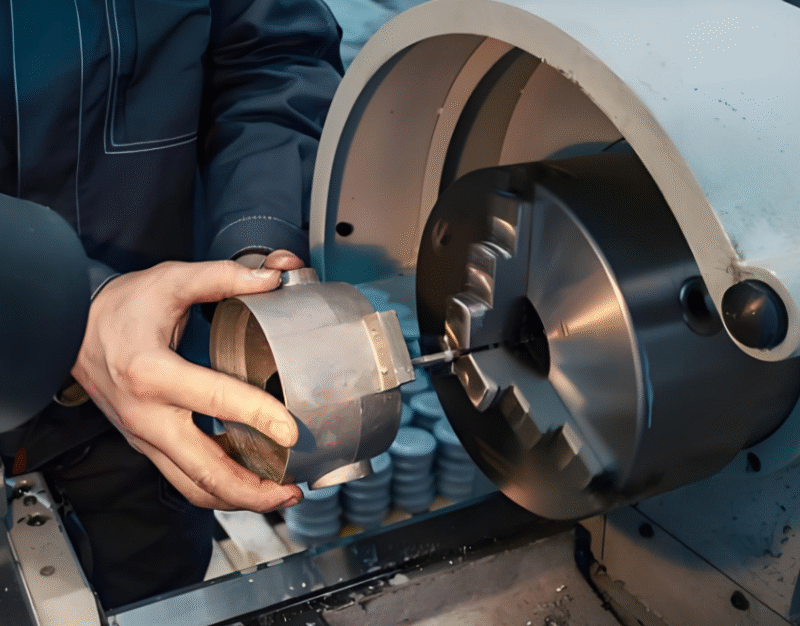
    Turning: Machining of shafts, discs and other rotary parts

    Milling: planar and curved surfaces of complex shapes

    Drilling: Hole machining of various sizes

    We understand the importance of precision machining to product quality, so we strictly implement the ISO 9001 quality management system to ensure that every part meets specifications-6.

    3 Quality Assurance and Industry Applications
    Quality is the lifeline of manufacturing. We ensure product quality through multiple testing processes:

    Incoming Material Inspection: Strict testing of all incoming materials

    Process control: real-time monitoring of key parameters during the production process

    Final Inspection: Use CMM, hardness tester and other professional equipments to carry out comprehensive inspection on the finished products.

    Our riveting and machining services have been used in a wide range of industries:

    Aerospace: welding and machining of aircraft structural and engine components

    Automotive manufacturing: body welding, engine parts machining

    Heavy equipment: Manufacture of structural parts for excavators, cranes and other large equipment

    Energy sector: Manufacture of metal structures for wind power equipment and oil rigs-3

    4 Frequently Asked Questions
    Q: What is the maximum size of workpiece your riveting process can handle?
    A: Our factory has large welding platforms and lifting equipment that can handle large workpieces up to 12 metres in length and 8 tonnes in weight.

    Q: Can you provide small batch machining service?
    A: Sure. We accept a wide range of orders from small trial runs to large-scale production, and are flexible enough to adjust to your needs.

    Q: How to ensureWelding quality?
    A: All of our welders hold professional certifications and use non-destructive testing techniques (e.g., X-ray, ultrasonic testing) to assess the quality of critical welds-7.

    If you are looking for a reliable riveting processing plant and machining service provider, please feel free to contact us. We will provide you with professional advice and quality services.

  • Machining Quality Control and Industry Trends (Building a Comprehensive Machining Quality Management System)

    The pursuit of excellence:Machining quality controland industry development trends
    guide (e.g. book or other printed material)
    In an increasingly competitive market, “machining” quality is the lifeline of enterprises. This article focuses on the “machining” of the total quality management system, process optimisation, and look forward to the policy and technology under the dual-wheel drive, the machining industry towards intelligent, high-precision future scenarios.

    Building a comprehensive machining quality management system
    Consistent processing quality is the key to winning the market. A sound quality management system should cover multiple levels:

    Intelligent process monitoring: Using sensor technology, real-time monitoring of cutting force, vibration, current and other signals can determine the state of tool wear and achieve predictive maintenance to avoid batch quality accidents. The machine vision-based system can also automatically detect and classify tool wear.

    Perfect inspection process: Quality inspection needs to be carried out throughout the production process. This includes:

    Appearance control: Specific surface quality standards for different materials (e.g. stainless steel, aluminium alloys).

    Size and tolerance check: Comprehensive use of vernier calipers, micrometers, coordinate measuring machines and other tools, strict control of size tolerances, fit tolerances and positional tolerances.

    Key process control: After roughing, before finishing and after the completion of important processes, inspection points should be set up to detect and reject non-conforming products in time.

    Scientific development of processing routes
    Reasonable process route is a prerequisite to ensure quality and efficiency. Its formulation requires comprehensive consideration of various factors:

    Division of machining stages: For demanding major machining surfaces, the entire process is often divided into several stages:

    Roughing stage: The goal is to efficiently remove most of the machining allowance.

    Semi-finishing stage: Continuing to reduce machining allowances in preparation for finishing, and completing some secondary surfaces.

    Finishing stage: to ensure that the part finally meets the machining accuracy and surface roughness required by the drawing-2.

    Dividing the processing stage is conducive to ensuring the quality of processing, the rational use of equipment (such as finishing using high-precision machine tools), to facilitate the arrangement of heat treatment processes, and can be found in a timely manner blank defects -2.

    Arrangement of heat treatment process: Heat treatment is critical to the performance of metallic materials and its arrangement needs to be carefully designed:

    Preparatory heat treatment: such as annealing, normalising, usually arranged before rough machining to improve the cutting properties of the material and eliminate internal stresses.

    Final heat treatment: e.g. hardening, generally arranged after semi-finishing and before finishing, is intended to give the part a high degree of hardness and wear resistance-2.

    Industry Development Trends and Policy Leadership
    Current.Machining industryDriven by both policy and market, it is developing in the direction of smarter, more sophisticated and more efficient.

    Policy support and standard leadership: In recent years, the national level issued by the machinery industry stable growth programme and other policies, emphasizing the strengthening of industrial mother machine, basic parts and components, and other technical standards of the preparation and revision of the work-2, for the industry’s high-quality development to point out the direction. This signals higher requirements for the technical strength and product quality of machining enterprises.

    Deep integration of intelligence and automation: As mentioned earlier, the application of CNC technology and automated production lines will continue to deepen, and further integrate with artificial intelligence, industrial Internet and other technologies to achieve adaptive processing and lean production.

    The ultimate pursuit of high precision and efficiency: As market competition intensifies and product performance improves, companies are in a never-ending quest for higher machining precision, lower production costs and shorter lead times. This has led to the emergence of new machining technologies, tool materials and optimisation methods.

    Meeting the Challenge: The Path to Increased Profitability and Competitiveness
    In the face of fierce market competition, the profit margins of pure contract processing are getting narrower and narrower. Machining companies need to find unique value growth points to achieve sustainable development.6 Possible paths include:

    Focus on process innovation and features: Tap the potential from within the production chain to reduce costs by developing leading-edge machining processes, optimising work processes, saving resources, or using small machines for large tasks – 6.

    Promoting product upgrading and differentiation: actively upgrading existing products and developing unique products and processes to avoid falling into low-level homogeneous competition, thus obtaining larger profit margins-6.

    Embracing high value-added areas: Entering aggressively into processing areas that require imported high-precision equipment with high technological thresholds. These areas usually have less competition and higher demands on product quality, delivery time and capacity, which can bring more lucrative returns-6.

  • The Evolution of Modern Machining Technology: How CNC and Automation are Reinventing Manufacturing (Essence of Process Planning for CNC Machining)

    Modern MachiningTechnology Evolution: How CNC and Automation Are Reshaping Manufacturing
    guide (e.g. book or other printed material)
    “Machining technology is undergoing a profound transformation. This article explores how modern “machining” solutions such as CNC (Computer Numerical Control) technology and automated production lines are driving the manufacturing industry towards an intelligent and digital future through revolutionary advances in machining accuracy, productivity and flexibility.

    CNC technology: the heart of modern precision machining
    CNC machining centres mark a qualitative leap forward in the field of machining by providing precise control of the machine’s trajectory, speed and displacement through a computer-controlled system. Compared to traditional manual operations, CNC technology brings fundamental improvements in many areas:

    Excellent precision and quality: Through digital programme control, CNC is able to stably process parts with complex shapes and high precision requirements, greatly reducing human error and good consistency.

    Significantly improved efficiency: CNC machining centres are highly automated and can achieve multi-axis simultaneous machining, reducing changeover and waiting time between processes. When machining content is changed, usually only the CNC programme needs to be changed, saving a lot of production preparation time.

    Enhanced production flexibility: CNC machines are highly flexible and can be quickly adapted to the needs of different workpieces and machining processes. Modular design and quick tool change technology make small batch, multi-variety production economically viable.

    Automated production lines: the future of machining
    Based on CNC technology, the machining automation line takes automation to a new level. It forms a system of continuous production through the combination of loading and unloading manipulators, conveyors and multiple CNC machine tools. Its advantages are reflected in:

    Safety: The operator’s hands do not need to enter the working range of the mould and the machine tool, which effectively reduces safety accidents.

    High efficiency: multiple machines operate in-line, realising continuous processing, unlimited number of theoretical in-line machines, and high overall production capacity.

    Economy and versatility: automated production line versatility, different brands of CNC machine tools can often be online collaboration. When the batch size is not large, it can also be used, and the economy is good.

    Continuous and stable operation: the automation system is able to operate or control automatically according to the specified procedures or instructions without any intervention, ensuring the stability and consistency of the production process.

    Automated machining lines are particularly suitable for parts production scenarios with mature product design, high demand and more processes, which can significantly reduce labour costs and shorten the manufacturing cycle.

    numerical control machiningthe essence of process planning
    Scientific process planning is essential to realise the full potential of advanced equipment. In CNC machining, the design of the process route is a central aspect.

    Division of processes: CNC machining usually follows the principle of process concentration. Common ways of division include:

    By tool used: In a single clamping, one tool is used to complete all the parts it can machine, and then the tool is changed. This reduces the number of tool changes and idle travel time and is widely used on machining centres.

    Divided by roughing and finishing: for parts prone to deformation, roughing is carried out first (to quickly remove most of the residual quantity) and then finishing (to ensure final accuracy), which helps to ensure the quality of processing and rational use of equipment.

    Arrangement of machining sequence: The arrangement of the sequence needs to focus on ensuring that the rigidity of the workpiece is not destroyed, generally follow:

    Benchmark first, then the others: first machining out the fine benchmark, for subsequent processes to provide a reliable positioning basis.

    Roughing before finishing: Roughing of all surfaces comes first, semi-finishing second, and finally finishing and polishing.

    First primary, then secondary, first surface, then hole: the main surface is processed first, then the secondary surface; the plane is processed first, then the hole is processed with the plane positioning.

    Digital Transformation and Green Manufacturing
    Modern CNC machining centres integrate computer technology, control technology, sensor technology, etc., and are a key node in the digital transformation of manufacturing. By combining with the Internet of Things, cloud computing and other new-generation information technologies, enterprises can achieve real-time monitoring and intelligent regulation of the production process and improve overall competitiveness.

    At the same time, modern machining also focuses more and more on green manufacturing. By optimising machining processes and reducing energy consumption, CNC technology helps to reduce environmental pollution and resource wastage in the production process, and its high precision features also reduce raw material loss, supporting the sustainable development of the manufacturing industry.

  • The Complete Guide to Machining: From Basic Processes to Industry Applications (Full Explanation of Common Machining Processes)

    The Complete Guide to Machining: From Basic Processes to Industry Applications
    guide (e.g. book or other printed material)
    This article is your introduction to the world of “machining” and “processing”. We will introduce you to the core concepts of machining, common process types, key equipment and its wide range of applications in industries such as aerospace and automotive manufacturing, helping you to fully grasp this cornerstone of the manufacturing industry.

    Machining: the cornerstone and core process of the manufacturing industry
    Machining, also commonly referred to as machining, is a crucial process in manufacturing. It broadly refers to the precise removal of material through mechanical devices and tools to process raw materials (e.g., metals, plastics, etc.) into parts or products of the desired shape, size, and surface accuracy. From simple screws to complex engine components, machining is ubiquitous and is a fundamental production technology that supports the modern industrial system.

    commonMachining processfull resolution
    Machining covers a range of different processes, each with its own unique application scenarios and advantages. Below are a few of the dominant machining methods:

    Turning: On a lathe, the workpiece is rotated and the tool moves along a predetermined path for cutting. It is particularly suitable for machining rotating parts such as shafts, discs and sleeves, for example, machining threads and stepped shafts.

    Milling: On a milling machine, a rotating tool cuts a stationary workpiece. It offers great flexibility for machining flat surfaces, grooves (e.g., keyways, T-slots), gears, and a variety of complex curved surfaces.

    Drilling: The use of a drill bit to create round holes in solid material. Depending on the requirements, through holes or blind holes can be machined, making it a basic and extremely versatile method of hole machining.

    Grinding: The use of abrasives such as grinding wheels to finish the surface of a workpiece. It achieves very high dimensional accuracy and excellent surface finish, and is commonly used for the final machining of hard materials such as hardened steel parts.

    Boring: mainly used to expand and finish the pre-drilled holes, especially suitable for processing larger sizes, high precision requirements of the hole system, can ensure accurate hole position and cylindricity.

    Planing: Machining flat surfaces and straight grooves through the relative linear motion of the planing tool and the workpiece. Its tool structure is simple, but the productivity is relatively low, mostly used for single-piece small batch production.图片[1]-机加工完全指南:从基础工艺到行业应用(常见的机加工工艺全解析)-大连富泓机械有限公司

    Key processing equipment and its range of applications
    Different ones require the appropriate machine tools to perform them. Below are several core machining machines:

    Lathe: mainly responsible for the processing of rotary body parts, is the basic equipment in the mechanical manufacturing.

    Milling machine: an extremely versatile machine tool capable of machining flat surfaces, grooves, parted parts and even complex curved surfaces.

    Grinding machine: Using grinding tools for finishing can make the workpiece obtain high machining accuracy and good surface quality, such as internal and external cylindrical surfaces, conical surfaces, flat surfaces and so on.

    Drilling machine: mainly used for hole processing, can be drilled, reamed, reamed and tapped operations.

    Machining centres: These are highly functionally concentrated CNC machines, usually with automatic tool changers, capable of completing a variety of processes such as milling, drilling, boring, tapping, etc. in a single clamping, which greatly improves machining efficiency and precision.

    Wide range of industry applications for machining
    Machining applications cover almost all modern industrial sectors:

    Aerospace: In this field, it is necessary to process high-strength and high-precision parts made of difficult-to-machine materials such as titanium alloys and high-temperature alloys, such as engine blades and structural parts.

    Automotive Manufacturing: From engine blocks and transmission gears to brake system components, the automotive industry relies heavily on high-precision machining technology to ensure performance and safety.

    Mould manufacturing:machiningIt is the core means to produce various types of moulds such as injection moulds, stamping moulds, die-casting moulds, etc. The quality of the moulds directly determines the shaping of the final products.

    Medical Devices: Many medical devices and implants have demanding requirements for biocompatibility, surface finish and dimensional accuracy, which cannot be achieved without precision machining.

    General parts and mechanical structures: machining is also widely used in the manufacture of a variety of metal parts, sheet metal parts, boxes, and metal structures.

  • Innovations in rivet welding technology: from traditional processes to modern hybrid solutions (microstructure-property relationships in the rivet-welded head region)

    Rivet welding technologyInnovation: from traditional processes to modern hybrid solutions
    1 Overview and classification of riveting technology
    Riveting has been developed for centuries as a classic mechanical joining technique. Traditional riveting creates a mechanical locking at the connection site through plastic deformation to achieve the transfer of force. With technological progress, especially the emergence of new technologies such as stirring friction riveting welding, riveting welding has developed from a purely mechanical connection to a hybrid connection technology combining mechanical locking and metallurgical bonding.

    Modern riveting technology can be based on the form of riveting and rivet structure, mainly divided into self-riveting stirred friction riveting and self-pierce spinning riveting two categories. In self-riveting stirred friction riveting, no pre-made rivets are used for the connection of plates of dissimilar materials. In the lower plate prefabricated holes of the appropriate shape, with the stirring head movement, the upper material in the friction under the action of heat softening and extrusion downward flow, into the lower plate prefabricated holes to form a similar rivet structure. And the process of self-pierce spin riveting mainly includes four stages: rivet point seeking, stirring self-tapping holes, stirring deformation locking and emergency stop solid welding.

    2 Friction Stir Rivet Welding Technology Details
    2.1 Stirring Frictionrivet weldingPrinciples and Processes
    Stir friction rivet welding technology is an emerging technology to stabilise the connection of dissimilar materials, which adopts the rotational friction of rivets to generate heat, while retaining the deformation locking and solid-phase welding characteristics of rivet welding technology. Regarding friction stir riveting welding, there have been related researches in various universities at home and abroad, but the focus is on the organisation and mechanical property characterisation of friction stir riveting welded joints as well as the analysis of failure forms.

    Haris et al. studied the micro-stirred friction rivet welding technique to connect multilayer Al/Cu ultra-thin plates, and the test results showed good interlayer bonding and the existence of nanoscale diffusion layer.William studied the double-sided stirred friction self riveting welding technique, and the test in the pre-fabricated holes to form a continuous rivet-like connecting joints, joints not only to form a metallurgical combination of the material level, but also in the riveting weld joints in the lower part of the formation of an effective mechanical locking. The joint not only formed a metallurgical bond at the material level, but also formed an effective mechanical lock at the lower part of the rivet weld head.

    2.2 Joint form and bonding mechanism of stir friction rivet welding
    The joint forms of stirred friction riveting can be subdivided into four types depending on the form of riveting as well as the structure of the rivet: stirred friction blind riveting technology (FSBR), stirred spin riveting (FSPR), rotary friction drilled riveting (RFDR) and rotary friction pressure riveting (RFPR).
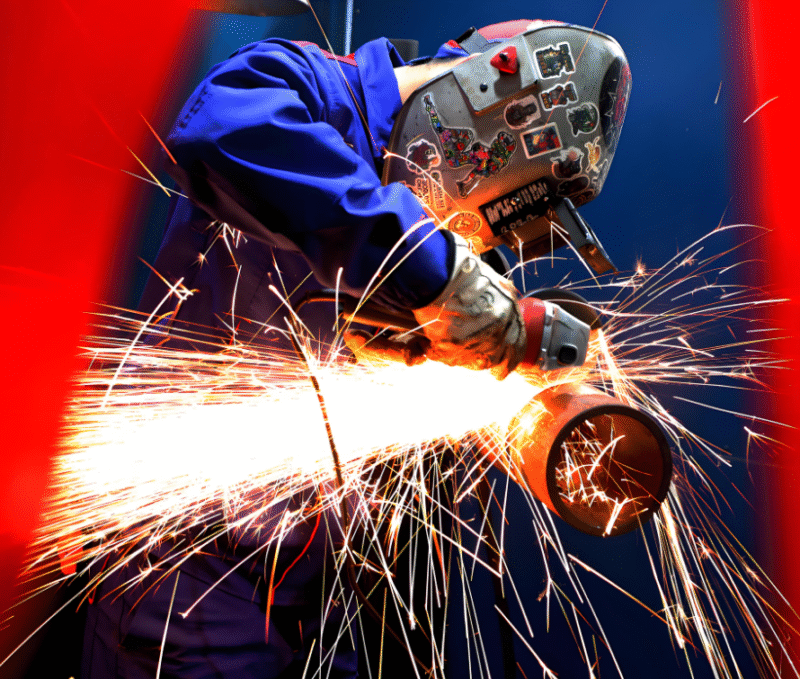
    Typical stir friction self riveting weld fittings differ in construction from self-pierce spin riveting stir friction riveting weld fittings. When joining aluminium alloys to steel by friction stir rivet welding technology, the aluminium plate is usually placed on top and the steel plate on the bottom. Generally, holes of a certain shape are prefabricated in the steel plate in order to form a strong rivet-like joint after riveting. According to the research results of Huang et al, in the process of welding aluminium alloy and steel by stirring and friction self riveting welding, the sequence of material filling follows the following law: firstly, the aluminium alloy deformed at the tip of the rivet, secondly, the aluminium alloy stirred in the stem of the rivet, and lastly, the aluminium alloy pressed in due to the feeding of the rivet.

    3 Relationship between microstructure and properties in the riveted welded joint region
    3.1 Microstructural characteristics of the joint area
    The study of the microstructure of the friction stir rivet welded joint region can promote a deeper understanding of the tissue-property relationship, thus further controlling the overall performance of friction stir rivet welded joints.

    According to the organisational evolution law, the stirring friction self-riveting welding head region can be divided into the stirring region (SZ) or welding block (WNZ), the thermo-mechanical influence zone (TMAZ), the plastic deformation metal flow zone (PDZ) or the self-riveting region (SRZ). Compared with the matrix organisation, the SZ region is significantly finer, with the finest grains and a microstructure of fine equiaxial crystals, while the PDZ region is significantly coarser but finer than the matrix, with coarser equiaxial crystals, and the TMAZ region is finer and the grains are significantly deformed due to the effects of mechanical stirring.

    3.2 Intermetallic compounds at the interface and their effects
    At the interface of aluminium alloy and steel friction stir riveting welding, FexAly (x<y) type intermetallic compounds are easily formed, which is harmful to the performance of the joint.Huang et al. showed that the interface of aluminium alloy and steel friction stirring riveting welding is smooth and tightly bonded, and there are no obvious cracks, holes and other defects were found.The results of the TEM inspection showed that the intermetallic compounds generated are Fe4Al13.Sun et al. detected flaky Fe2Al5 and diffusely distributed lumpy FeAl6 at the interface of 6061 aluminium alloy and low carbon steel. et al. detected flaky Fe2Al5 and diffusely distributed massive FeAl6 intermetallic compounds at the interface between 6061 aluminium alloy and mild steel stir friction rivet welding.

    Numerous studies have shown that the formation of Al-rich intermetallic compounds such as Fe2Al5 and FeAl3 negatively affects interfacial bonding as well as joint strength compared to the formation of Fe-rich intermetallic compounds such as FeAl and Fe3Al. This finding provides an important direction for optimising the rivet welding process.

    4 Rivet Welding ProcessOptimisation and Performance Improvement Strategies
    4.1 Optimisation of process parameters
    The riveting process parameters have a decisive influence on the quality of the joint. In self-pierce spin riveting, the root cut d (the radial distance from the interface of the rivet and plate bond to the tip of the rivet), the rivet depth h (the depth of the rivet into the lower plate), and the inter-plate distance between rivets close to the rivet stem are all critical parameters. In general, larger root cuts and rivet depths indicate stronger mechanical locking co-operation, whereas larger values of δ signify reduced rivet depth and weakened mechanical locking co-operation.

    Wang Xijing et al. investigated the effect of two joint forms of implanted stirred friction rivet welding on the performance, and the experimental results showed that the joint form with a nail cap on the backside had the aluminium column sheared into two parts along the interface during the stretching process, whereas the joint form without a nail cap on the backside had the aluminium column pulled out directly from the hole during the stretching process. Therefore, in order to achieve mechanical locking of the rivets, i.e. to form a nail cap structure, a suitable matching mould needs to be placed underneath the prefabricated holes, which places more stringent requirements on the placement and space of the rivets.

    4.2 Material optimisation and surface treatment
    The performance of rivet welded joints can be significantly improved through material optimisation and surface treatment. The addition of Zn or the use of galvanised steel in the friction stir rivet welding of aluminium and steel will promote the formation of Al-Zn intermetallic compounds and reduce the formation of harmful Fe-Al intermetallic compounds.

    The microstructure evolution of self-pierce spin riveted AA611 aluminium alloy and galvanised steel rivets has been observed and characterised by Min et al. The joint area can be divided into three typical regions according to the microstructure evolution, all of which are distributed in a circular arc centred on the rivet: region X (>773 μm from the edge of the rivet), region A (within the range of 363~773 μm from the edge of the rivet) and region B (within the range of 88~363 μm from the edge of the rivet). Different regions have different grain boundary characteristics and grain refinement, reflecting different thermo-mechanical histories.

    5 Prospects for the application of riveting welding technology and development trend
    5.1 Prospects for use in joining dissimilar materials
    With the increasing demand for lightweight as well as energy saving in the industrial field, the application of aluminium and magnesium alloys is in increasing demand, while aluminium and magnesium alloys alone have low strength and stiffness, and need to be used in combination with high-strength materials such as steel. Therefore, the connection of dissimilar materials, especially the connection of lightweight alloys such as aluminium alloys and magnesium alloys with steel is particularly important, focusing on the need to solve the problem of combining dissimilar materials with high strength and high precision.

    Traditional methods of joining dissimilar materials include riveting, welding and gluing, but there are many drawbacks in these methods, such as poor universality, poor strength and stability of the connection, and difficulty in controlling accuracy. Emerging technologies such as stir friction riveting and welding provide effective solutions to these challenges, especially in high-end manufacturing areas such as automotive, aerospace, etc., demonstrating broad application prospects.

    5.2 Trends in technology development
    The future development of riveting technology will pay more attention to process precision, efficiency improvement and adaptability expansion. On the one hand, the consistency of joint quality will be improved through the precise control of process parameters and the strengthening of process monitoring; on the other hand, the production efficiency will be improved and the production cost will be reduced through the innovation of equipments and the optimisation of processes.

    Digitalisation and intelligence are also important directions in the development of riveting technology. Through the integration of sensors, data analysis and control systems, real-time monitoring and adaptive control of the riveting process can be realised to ensure the stability and reliability of joint quality. At the same time, process optimisation based on digital twin technology will also become an important means to improve the quality of riveting welding

  • Dissolution control and quality management in advanced welding technology (dissolution characteristics and control methods in major welding processes)

    advanced (technology)Welding technologyDissolution control and quality management in
    1 Overview of welding technology and the role of dissolution in welding
    Welding technology, as one of the core processes of modern manufacturing, achieves permanent connections by bringing materials to an atomic or intermolecular union through various heat sources. In this process, the dissolution phenomenon is ubiquitous, from the formation of the molten pool of fusion welding to the dissolution of the base material of brazing, all directly affect the quality of the final joint. With the development of the manufacturing industry to the direction of high strength, lightweight, high efficiency, welding technology continues to innovate, the precise control of the dissolution process puts forward higher requirements.

    In high-tech fields such as aerospace and automotive manufacturing, the quality of welded joints is directly related to the safety and reliability of the entire structure. In automotive manufacturing, for example, body welding involves a wide range of materials and thicknesses, requiring control of different dissolution behaviours to ensure consistency. Similarly, in aerospace, the joining of lightweight alloys to speciality steels must precisely control interfacial reactions to avoid the formation of harmful phases. Understanding and controlling dissolution phenomena during welding is therefore an indispensable technical element of modern manufacturing.

    2 Dissolution characteristics and control methods in major welding processes
    2.1 Dissolution and erosion control in brazing
    The core process of brazing, as a process that relies on capillary action to fill the joint, is the mutual dissolution between the base material and the brazing material. In brazing of aluminium heat exchangers, dissolution and erosion are particularly evident. It has been shown that the maximum temperature and holding time during brazing, as well as the type and amount of brazing material, affect the degree of dissolution and erosion.

    By comparing three different brazing profiles (normal, heated and strongly heated), it was found that the degree of dissolution of the radiator parts during brazing varied from 181 TP3T to 681 TP3T. Under the strong heating profile, erosion in some areas of the brazed joints can even lead to the destruction of thin-walled cooling fins. This indicates that excessive dissolution can have a serious negative impact on joint performance. Therefore, the conflicting needs of joint formation and substrate preservation must be balanced during process design.

    2.2 Control of interfacial reactions in welding of dissimilar materials
    When welding dissimilar materials, complex elemental interdiffusion and chemical reactions occur at the interface to form intermetallic compound layers. In contact reaction brazing of aluminium alloys with stainless steel, the use of Cu as an intermediate layer results in the formation of a composite structure consisting of Fe2Al5, FeAl3 intermetallic compounds and Cu-Al intermetallic compounds at the interface on the stainless steel side.

    The thickness of the intermetallic compound layer at the interface increases with increasing holding time, while the width of the eutectic organisation gradually decreases. It is worth noting that the dissolution of the intermediate reaction layer Cu is very rapid, a fast process measured in seconds. This rapid dissolution behaviour puts extreme demands on the process control, requiring precise control of the heat input and action time.

    3 Welding Quality Management and Performance Assessment
    3.1 Total Quality Management System
    The establishment of a comprehensive welding quality management system is the key to ensuring stable joint performance. This system should cover design control, process verification, online monitoring and final inspection and other links. For key structural components, it is also necessary to establish a full-process traceability system from the raw material into the warehouse to the product factory.

    Quality control needs to focus on weld appearance, dimensional accuracy, mechanical properties and microstructure. For high-end manufacturing areas such as aerospace and automotive, special tests such as fatigue performance and fracture toughness are also required to assess the long-term reliability of joints under complex loads.图片[1]-先进焊接技术中的溶解控制与质量管理(主要焊接工艺中的溶解特征与控制方法)-大连富泓机械有限公司

    3.2 Non-destructive testing and performance prediction
    Modern welding quality control increasingly relies on advanced non-destructive testing techniques such as X-ray inspection, ultrasonic testing and eddy current testing. These techniques can detect internal defects and assess the quality of joints without destroying the product.

    Meanwhile, welding process simulation based on digital twin technology has become a powerful tool for predicting joint performance. By constructing a virtual model that can dynamically simulate the mechanical response of cutting, the researchers have improved the prediction accuracy by 15%, which not only reduces material waste, but also shortens processing time. A similar approach can be used to optimise and predict the welding process.

    4 Welding technology development trend and innovative application
    4.1 Intelligent and Automated Welding
    Welding technology is rapidly developing in the direction of intelligence and automation. Intelligent welding system monitors the welding process in real time through multi-sensor information fusion, automatically adjusts the parameters, and ensures the consistency of joint quality. For example, the weld tracking system based on machine vision can automatically identify the position of the weld and compensate for assembly errors.

    Robotic welding workstations and flexible welding lines have become standard in large manufacturing organisations, significantly improving productivity and stability. These systems typically integrate welding power sources, motion control, sensing monitoring and data analysis modules, enabling digital management of the welding process.

    4.2 Welding Challenges of New Materials and Structures
    With the continuous emergence of new materials, welding technology faces new challenges. Materials such as high-strength steels, aluminium alloys, magnesium alloys and composites have vastly different physico-chemical properties, requiring the development of special welding processes and filler materials.

    Emerging technologies such as stir friction rivet welding show unique advantages when it comes to joining dissimilar materials. This technology has successfully achieved high-quality joining of aluminium alloys to steel through a combination of mechanical locking and finite metallurgical bonding. Studies have shown that the formation of harmful intermetallic compounds can be reduced and joint performance improved by surface plating with Zn or the addition of Zn elements.

    4.3 Green Welding and Sustainable Development
    The environmentalisation and energy saving of welding technology is another important development trend. By optimising process parameters, reducing energy consumption and material waste, and developing welding materials with low fumes and harmful gases, the environmental impact of the welding process can be significantly reduced.

    soldredThe lightweight design of structures also makes a direct contribution to energy saving and emission reduction. For example, in automobile manufacturing, by adopting a hybrid structure of high-strength steel and aluminium alloy and combining it with advanced joining technologies, it is possible to reduce the weight of the body and fuel consumption while ensuring safety.

  • Critical role of dissolution phenomena in welding and riveting processes and control strategies (Typical dissolution processes and interfacial reactions in welding and riveting)

    dissolutionCritical role of phenomena in welding and riveting processes and control strategies
    1 Understanding the phenomenon of dissolution and its importance in joining materials
    The phenomenon of dissolution is a fundamental and critical physico-chemical process in welding and riveting. It refers to the process of melting, mutual fusion and diffusion of base metal, filler metal or brazing material at the interface under the action of a heat source. This phenomenon directly affects the formation quality, microstructure and mechanical properties of the joint. Whether it is the traditional fusion welding, brazing, or the emerging stir friction riveting welding, the control of the dissolution process is the core link to ensure the performance of the joint.

    In the case of stir friction rivet welding of aluminium alloys to steel, for example, the frictional heat generated by the rotation of the rivets during the joining process softens the aluminium alloy and produces a plastic flow that fills the prefabricated holes. During this process, a certain degree of elemental interdiffusion occurs at the interface, and even intermetallic compounds are formed. Similarly, during brazing, the rate and degree of dissolution of the base material has a decisive influence on the weld organisation and properties. Therefore, in-depth understanding and precise control of the dissolution process is of great significance for optimising the welding and riveting process, improving the reliability of the joints and prolonging the life of the components.

    2 Typical dissolution processes and interfacial reactions in welding and riveting
    2.1 Dissolution behaviour of base materials in brazing
    During the brazing process, when the liquid brazing material comes into contact with the base metal, dissolution of the base material into the liquid brazing material occurs. This dissolution process is a complex physicochemical process, the rate and extent of which is influenced by a number of factors. It has been shown that brazing temperature, holding time, and brazing material composition all significantly affect the amount of dissolution of the base metal.

    For example, in the brazing of aluminium heat exchangers, the researchers found significant dissolution and erosion. By comparing three different brazing profiles (normal, heated and strongly heated), it was found that the degree of dissolution of the radiator components during brazing ranged from 181 TP3T to 681 TP3T. Under the strong heating profile, erosion in some areas of the brazed joints can even lead to the destruction of thin-walled cooling fins. This indicates that excessive dissolution can have a serious negative impact on joint performance.

    2.2 Interfacial reactions in the joining of dissimilar materials图片[1]-溶解现象在焊接与铆焊工艺中的关键作用及控制策略(焊接与铆焊中的典型溶解过程及界面反应)-大连富泓机械有限公司
    When joining dissimilar materials, such as aluminium alloys and steel, complex chemical reactions and elemental diffusion occur at the interface, resulting in the formation of intermetallic compounds. In stir friction riveting welding of aluminium alloys to steel, the interface is prone to the formation of FexAly (x<y) type intermetallic compounds such as Fe2Al5 and FeAl3, which are aluminium-rich intermetallic compounds that are usually detrimental to the performance of the joint.

    Through TEM inspection and other means, the researchers observed intermetallic compounds such as Fe4Al13, flaky Fe2Al5, and diffusely distributed massive FeAl6 at the interface of stir friction rivet welding of aluminium alloys to steel. The type, thickness and distribution of these compounds directly determine the mechanical properties and failure behaviour of the joint.

    3 Strategies and methods for controlling the dissolution phenomenon
    3.1 Optimisation of process parameters
    The primary method of controlling the dissolution phenomenon is to optimise the joining process parameters. Critical parameters such as temperature, time and pressure need to be precisely controlled to balance the conflicting demands of the degree of dissolution and the performance of the joint.

    During TLP (Transitional Liquid Phase) joining and brazing, the degree of dissolution of the base material can be effectively managed by controlling the maximum temperature and holding time. For example, in liquid film dissolution diffusion welding of steel materials, the spray melting temperature has a significant effect on the joint organisation and mechanical properties. With the increase of spray melting temperature, the interface Ni, Fe atom mutual diffusion intensifies, and the thickness of the interface diffusion bonding layer increases. It was found that in the static mirror liquid film state of 700~800℃, excellent weld zone without white mouth and hardened organisation can be obtained.

    3.2 Material design and surface treatment
    Harmful dissolution and interfacial reactions can also be effectively controlled through rational material design and surface treatment. In the connection between aluminium alloy and steel, the formation of harmful Fe-Al intermetallic compounds can be reduced and the generation of Al-Zn intermetallic compounds can be promoted by surface plating of Zn, Zn-Al-Mg or addition of Zn elements, which can improve the performance of the joint.

    In contact reaction brazing, the use of Cu as an intermediate layer connecting 6063 aluminium alloy with 1Cr18Ni9Ti stainless steel can change the interfacial reaction path to form a composite interfacial structure consisting of Fe2Al5, FeAl3 intermetallic compounds, and Cu-Al intermetallic compounds, which improves the joint properties.

    3.3 Innovative connection technology applications
    Emerging joining technologies, such as stir friction rivet welding, naturally control the extent of harmful dissolution through clever process design. In this technology, the combination of mechanical locking and limited metallurgical bonding ensures joint strength while avoiding the formation of excess harmful intermetallic compounds.

    The joint form of stirred friction riveting welding is mainly divided into self-riveting stirred friction riveting welding and self-pierce rotary riveting. In self riveting stir friction rivet welding, the aluminium plate is generally placed on top and the steel plate is placed on the bottom, taking advantage of the lower softening temperature of the aluminium alloy and the better plastic flow, to fill the prefabricated holes in the lower steel plate under the action of frictional heat to form a rivet welded joint. This process naturally limits the degree of interfacial reaction by controlling the heat input.

    dissolutionEffects of the phenomenon on joint performance and quality assessment
    4.1 Microstructure-mechanical property correlation
    The dissolution process directly affects the microstructural characteristics of the joint, which in turn determines its mechanical properties. In stirred friction rivet welded joints, the joint area can be divided into stirred zone (SZ) or welded block (WNZ), thermo-mechanically affected zone (TMAZ), plastic deformation metal flow zone (PDZ) or self-riveted zone (SRZ) according to the law of organisational evolution.

    Compared with the matrix organisation, the SZ regional organisation is obviously refined, with the finest grains, which are fine equiaxial crystals; the PDZ regional organisation is obviously coarsened, but is still relatively small compared with the matrix; the TMAZ regional grains are refined and obviously deformed due to the influence of mechanical stirring. This gradient change in microstructure directly affects the hardness distribution and mechanical properties of the joint.

    4.2 Joint Failure Analysis
    Improper control of the dissolution process can lead to a variety of joint defects and failure modes. Over-dissolution may lead to erosion phenomena, such as the destruction of thin-walled elements seen in aluminium heat exchanger brazing, while under-dissolution may lead to incomplete bonding and reduced joint strength.

    In stir friction rivet welding of aluminium alloys to steel, the type of intermetallic compounds formed at the interface is critical. It has been shown that the formation of Al-rich intermetallics (e.g. Fe2Al5 and FeAl3) negatively affects the interfacial bonding as well as the strength of the joints compared to the formation of Fe-rich intermetallics (e.g. FeAl, Fe3Al).

    5 Future development trends and prospects
    With the continuous emergence of new materials and structures, the control of dissolution phenomena in welding and riveting faces new challenges and opportunities. The trend of lightweight drives the demand for joining lightweight materials such as aluminium-magnesium alloys and high-strength steels, which puts forward higher requirements for dissimilar material joining technology.

    In the future, through the combination of multi-scale simulation and in-situ experimental observation, the nature of the dissolution process can be understood more deeply, providing theoretical guidance for process optimisation. Meanwhile, the development of intelligent control technology will realise real-time monitoring and precise control of the dissolution phenomenon in the joining process, further improving the stability and reliability of the quality of welded and riveted joints.