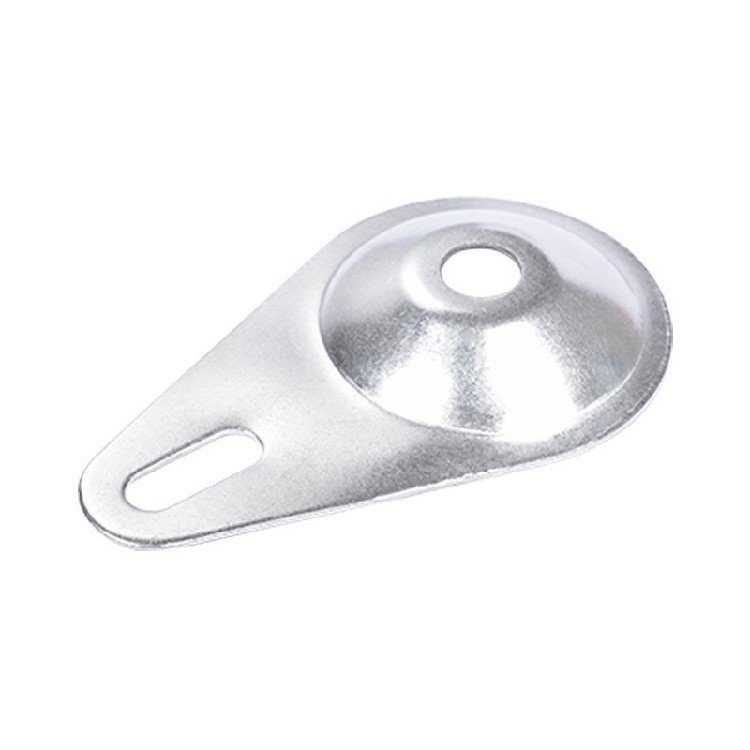


Stamping parts mold processing, deep drawing, anti-wrinkle edge pressing, stainless steel hardware manufacturing
When engaged in processing small hardware parts, the stamping process and the bending process are the two most critical production processes. If you can master these two technologies proficiently, you can not only improve product quality, but also effectively control production costs.
Equipment application fields
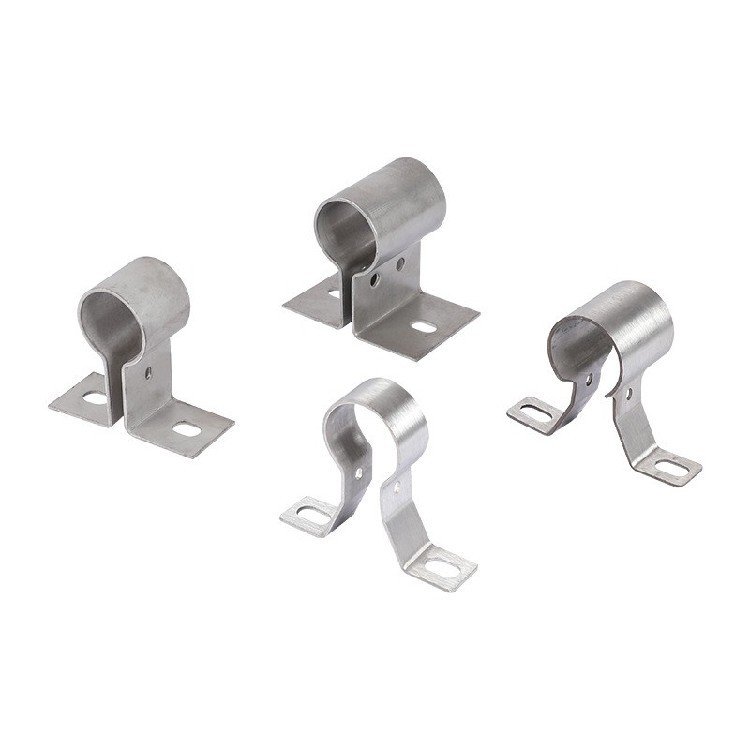
Metal bending processing is widely used in mechanical equipment manufacturing. Chassis, brackets, shells and other components must be bent and formed. Many of these parts of different sizes have very high precision requirements, which will directly affect the overall performance and service life.

The field of architectural decoration also relies on the bending process. Decorative parts such as metal curtain walls and door and window frames are shaped into specific shapes by bending. These products focus on appearance quality and dimensional stability, and often use stainless steel or aluminum alloy materials.
In the field of automobile manufacturing, many bending and stamping parts are used. Body parts and chassis parts all require high-precision molding. In the electronic and electrical industry, bending parts are often used to manufacture products such as cabinets and heat sinks, which have specific requirements for conductivity and heat dissipation performance.
Stamping process advantages
The stamping process is suitable for mass production. It has a high proportion of automation and can achieve continuous and rapid operation. A stamping production line can produce hundreds or even thousands of products per hour, which significantly improves production efficiency and reduces the cost of a single piece.
When stamping, the outstanding feature is that the mold precision is very high, and it can also ensure that the dimensions of the parts are consistent. If stamped objects are mass-produced, the errors produced can be controlled within the range of millimeters, thereby meeting the requirements of precision assembly, and they can be used directly without additional processing.
If the material utilization rate is high, it means less waste. When the stamping layout design is reasonable, the material utilization rate can reach more than 70%. Not only that, this not only reduces the cost of raw materials, but also reduces the waste of materials in the production process.
The surface of the stamping parts is smooth and its strength is relatively high. During the forming process, the material undergoes cold work hardening, and the hardness and strength of the parts are improved. The surface quality of the finished product is good. In most cases, it can meet the requirements of use without subsequent processing.
Common material types
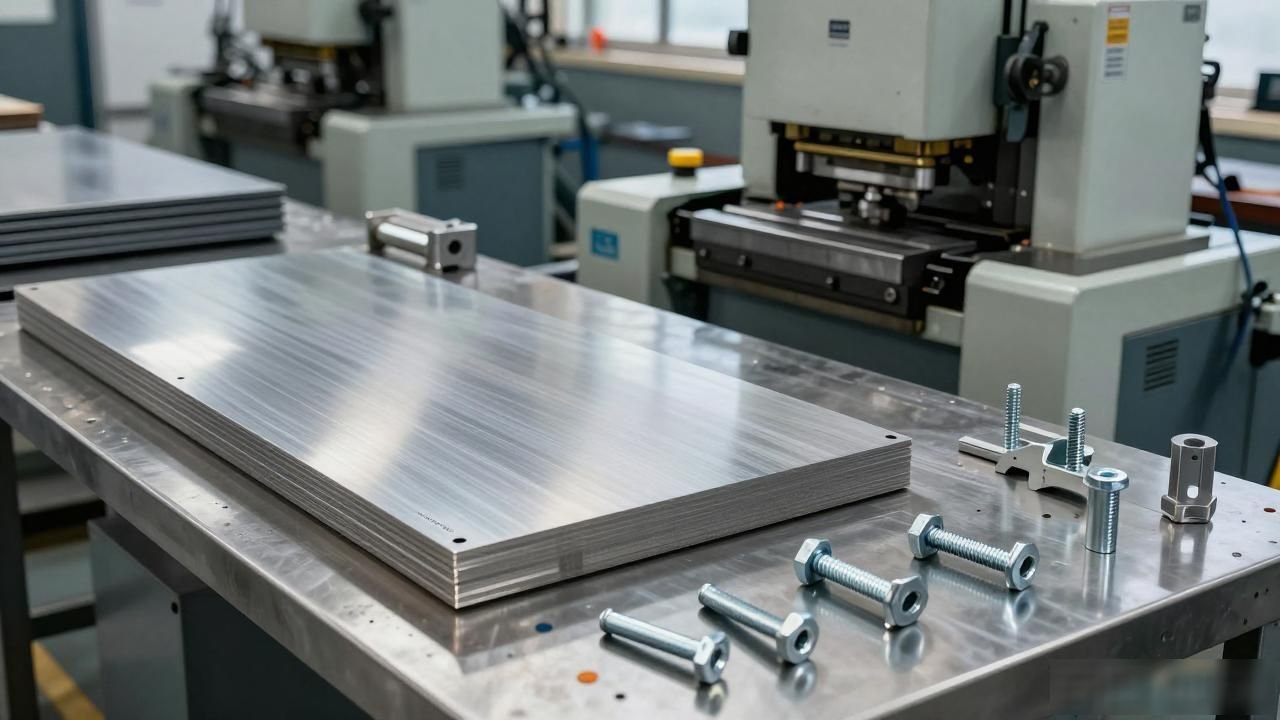
Among the materials used for stamping, ordinary carbon steel plates such as SPCC and SPHC are extremely commonly used. They are inexpensive, have good processing performance, and can be suitable for the manufacture of most conventional parts. The hardness of this type of material is moderate, and it is not prone to cracking even during bending and stamping operations.
There is a kind of material, which is made of stainless steel and has good corrosion resistance. It is often used in parts that require anti-rust. Its common grades include 304, 316, etc. Although the cost of this material is relatively high, it shows excellent performance in use in harsh environments, especially its surface finish is relatively high.
In corresponding fields that have strict requirements on weight and are generally sensitive to weight, such as aviation and automobiles, we often see a type of material being used in manufacturing. This type of material is aluminum alloy, which has good performance in terms of processing performance and good heat dissipation performance, and it is only one-third the weight of the density of steel.
Copper and copper alloys with particularly excellent electrical conductivity are ideal materials for electronic parts. Brass, copper and other materials are easy to process and shape, and are often used to make electronic hardware such as conductive terminals and connectors.
Characteristics of deep drawing process
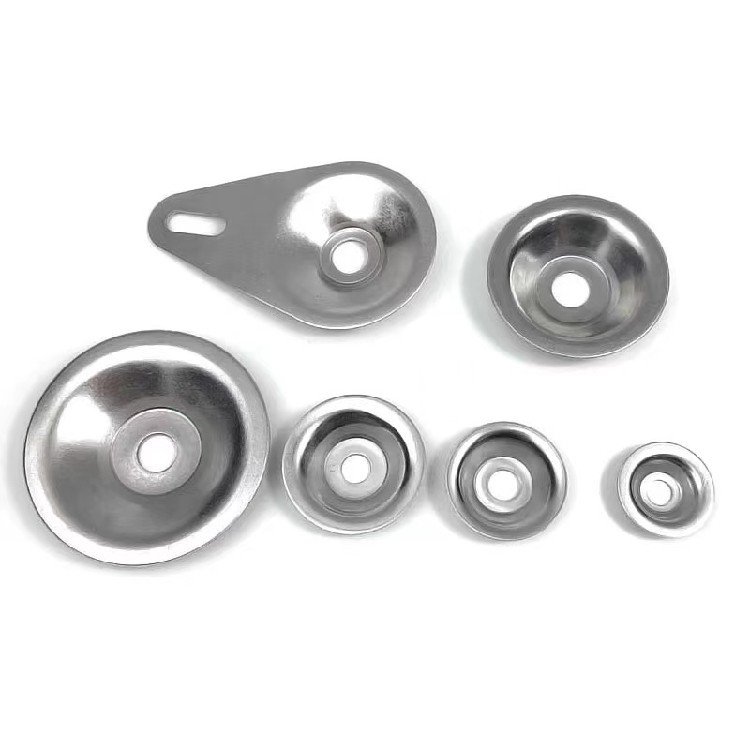
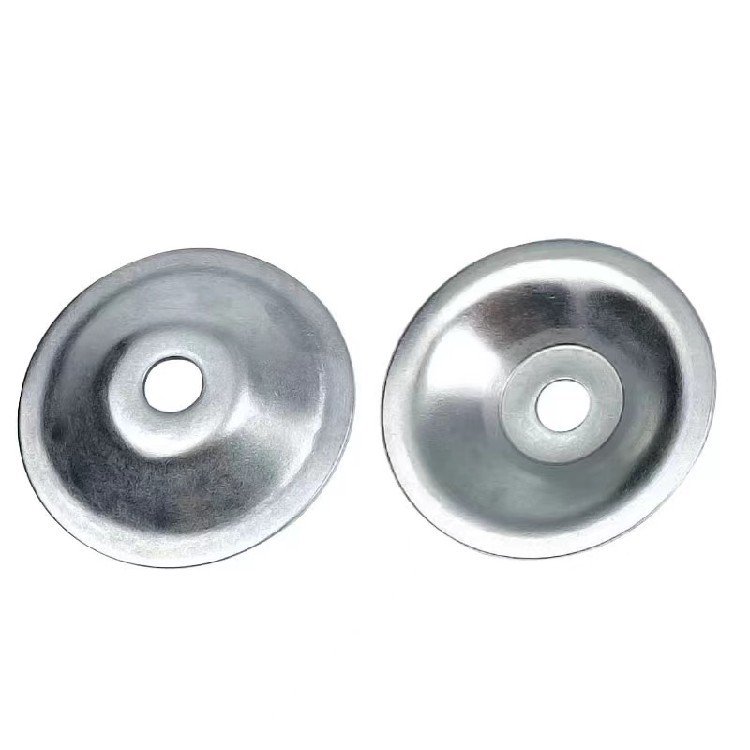
The process of pressing a flat blank into an open hollow part through a mold is stamping and drawing. In this process, the material undergoes plastic deformation under the action of pressure, gradually transforming from a flat surface into a three-dimensional shape.
Deep-drawn parts can create complex geometric shapes, such as cylindrical shapes, conical shapes, box-like shapes, etc. With the help of appropriate mold design and process parameter control, the molding and production of various complex structures can be achieved.
As a key conspicuous feature of the deep drawing process, uniform wall thickness can be achieved by optimizing the mold structure and blank holder force to maintain the wall thickness of each part of the part at the same level. Wall thickness distribution with uniform properties is beneficial to improving the overall strength of the part and extending its service life.
There is a situation where the surface quality of the deep-drawn parts is good and the production efficiency is at a high level, so it is suitable for manufacturing in large quantities. Under this situation, common products include automobile body parts, fuel tanks, pots, battery cases, etc. These products are widely used in home appliances, automobiles, and even aerospace and other fields.
Quality control points
For bending used for processing, for placement, the metal sheet or profile to be processed needs to be placed on the applied bending machine, and then the corresponding position is aligned with the line where the bending can occur; then the equipment is used to apply pressure, so that the material can achieve plastic deformation along the bending line. The key link is to control the bending angle and depth, which is important to ensure quality.
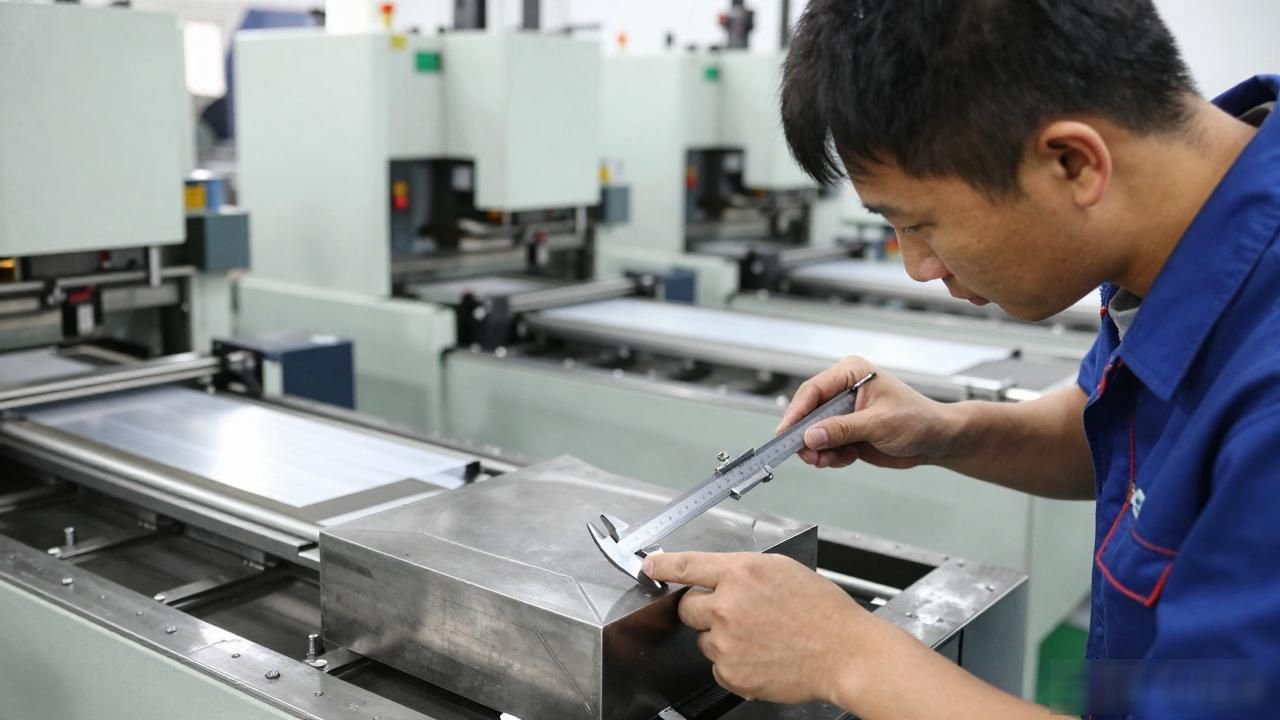
During quality inspection, measuring tools such as angle rulers and calipers should be used to measure the dimensions and angles after bending to ensure compliance with tolerance requirements. The inspection of surface quality is also important, and it is necessary to confirm that there are no defects such as cracks, scratches, etc.
Material characteristics need to be considered to adjust bending parameters. Different metal materials have differences in bending performance. During operation, parameters such as bending pressure and speed must be adjusted according to the ductility and hardness of the material to avoid cracks or fractures.
In bending processing, springback phenomenon is a problem that requires special attention. Metal materials will have a certain amount of springback after bending. It is necessary to reserve an amount of springback during design, and use trial bending to adjust the mold and pressure to ensure that the final angle meets the requirements.
Safe operating practices
For bending processing, attention needs to be paid to the selection of the bending radius. If the radius is too small, it may easily cause the material to crack. Generally speaking, the bending radius should be greater than 1 times the material thickness. The specific value needs to be determined based on the thickness and hardness of the material in order to ensure the quality of molding.
The selection of equipment and molds will directly affect the quality of the product. You must choose the appropriate bending machine and mold based on the size and shape of the product. To ensure the accuracy and durability of the mold, you need to check the mold wear status regularly to prevent mold problems from affecting the processing quality.
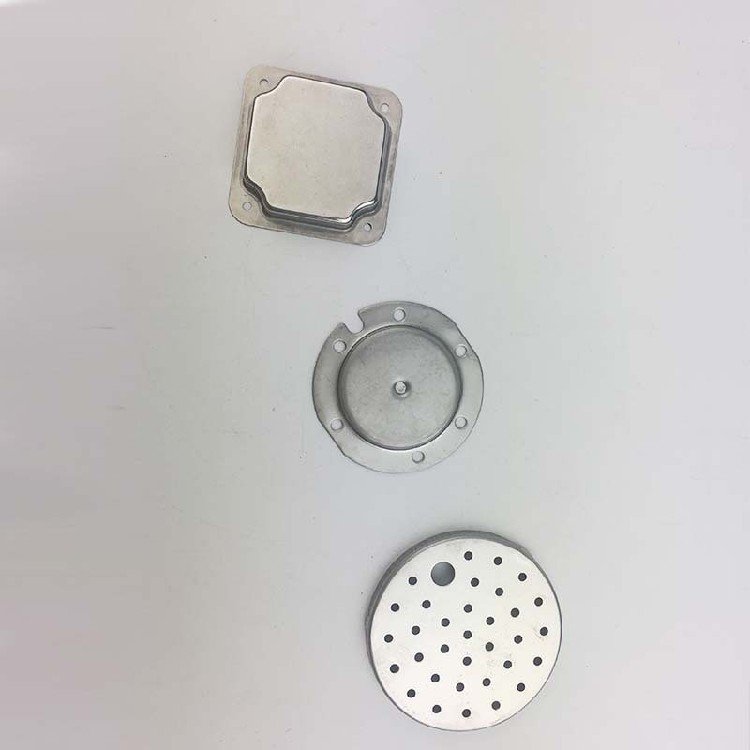
Different bending methods are suitable for different occasions. Most metal sheets are suitable for V-shaped bending, U-shaped bending is suitable for workpieces with larger bending radius, and Z-shaped bending is suitable for multiple processing of complex shapes.
Crimp bending is often used to enhance edge strength or improve appearance. It achieves specific functions by curling the edge of the board. In terms of safe operation, operators need to wear protective equipment such as gloves and goggles to ensure the smooth operation of the equipment.
In fields such as electronics, automobiles, medical equipment, aerospace, etc., precision hardware is widely used. It has the characteristics of high precision, strong reliability, and corrosion resistance. These seemingly small parts play an indispensable role in the equipment and also play an indispensable role in the product.
In the electronics industry, smart devices such as mobile phones and computers use a large number of precision hardware as connectors and fixings. The automotive industry uses them for key components such as engines, gearboxes, and sensors. The fields of medical equipment and instrumentation have stricter requirements on the accuracy and reliability of parts.
If you encounter any quality problems during sheet metal processing, please feel free to share your personal experiences and problems in the comment area.





暂无评论内容