

The wave of new energy vehicles, has your metal joining process kept up?
New challenges under the tumult
New energy vehicles are showing an explosive growth trend. Industrial parks in various places are gathering together. Both supply and demand are accelerating. Competition among car companies has entered a fierce stage. Traditional manufacturing links are facing tremendous pressure. Every innovation step is closely related to life and death.
Four major disadvantages of welding
Engaged in automobile manufacturing, the requirements for welding are extremely high. The dimensional accuracy must be perfect. And if mass production is to be carried out, it must be stable and reliable. Will new connection technologies with high cycle efficiency completely replace welding and riveting in the future? This is the key to ensuring production capacity. Achieving zero-defect quality is the bottom line rule in safety. The above four requirements are impossible without any one of them. It is very difficult for traditional crafts to take into account these four points.
Difficulties in technology integration

There are a large number of car models, complex structures, and the level of specialization of parts and components is at a high level. The act of welding not only plays a role in connecting, but also covers the intersection of multiple disciplines. Integration has strong characteristics, which means that the cost is high and the difficulty is quite high. The industry situation is urgent and there is an urgent need to break through bottlenecks and find more efficient and stable connection solutions.
New solution to FSPR process
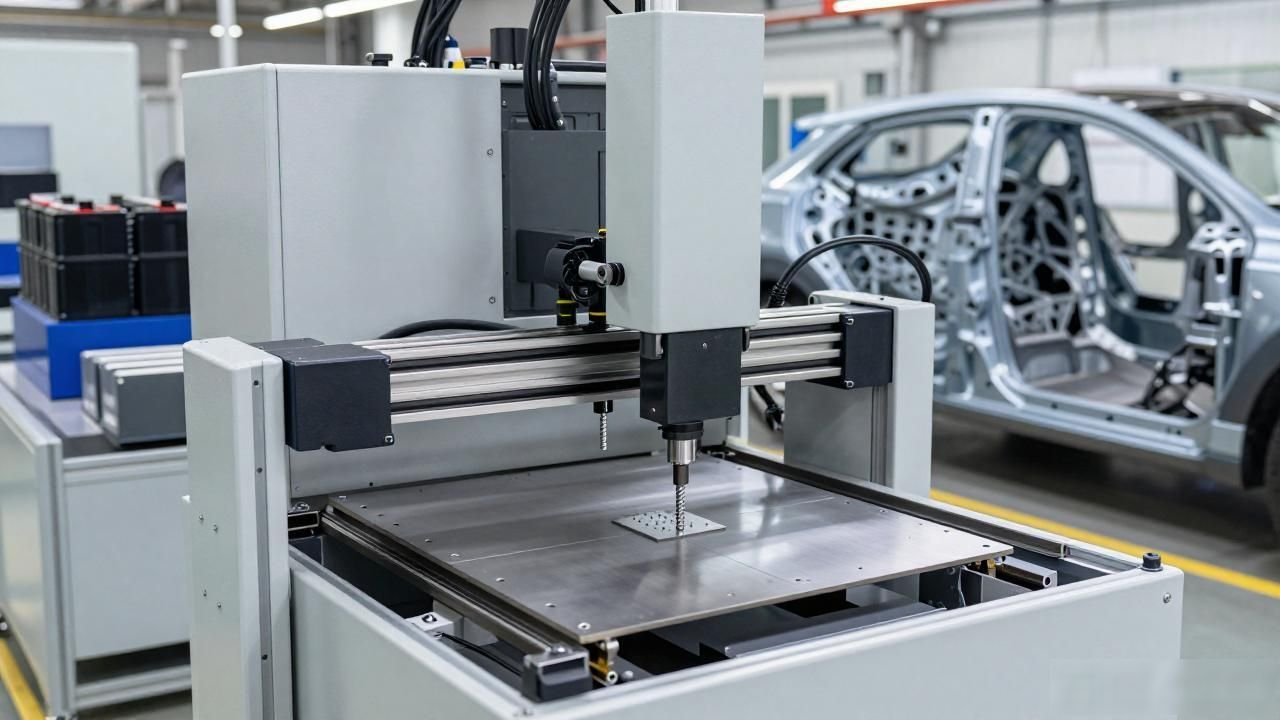
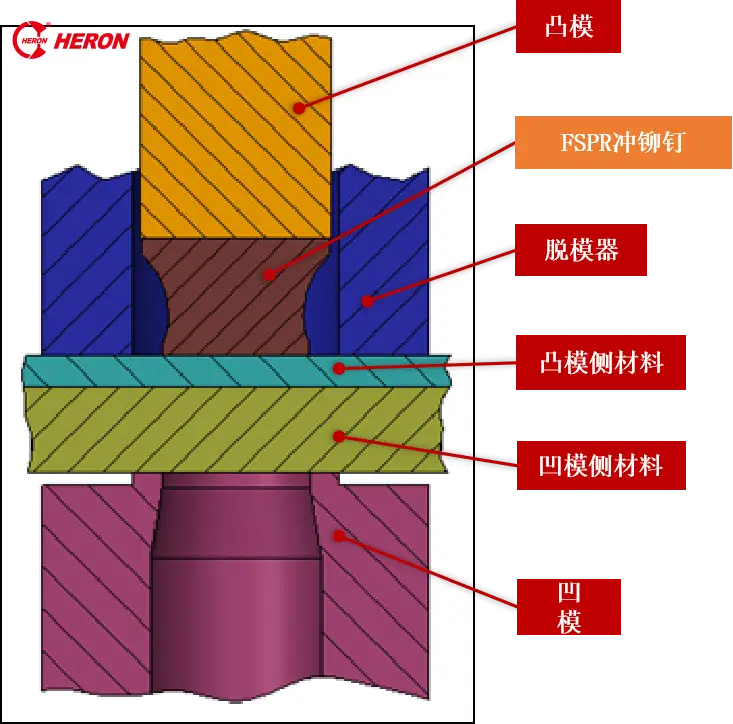
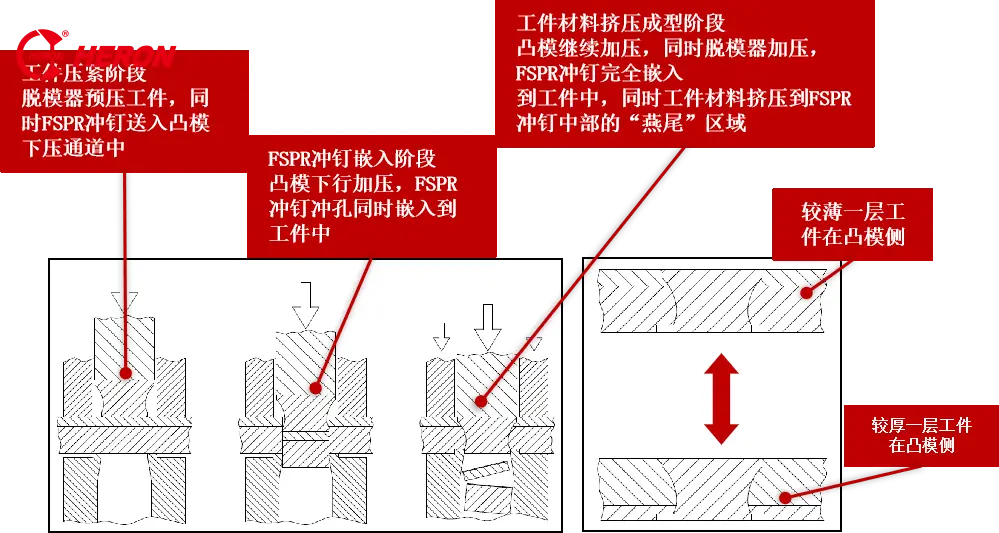
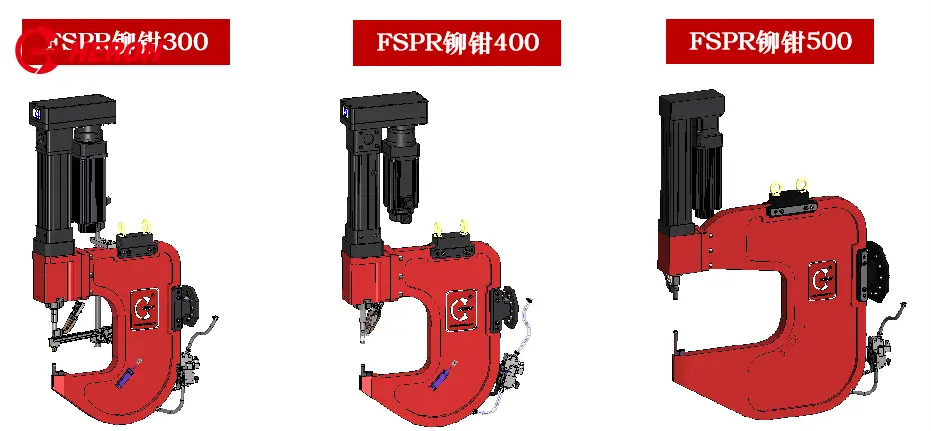
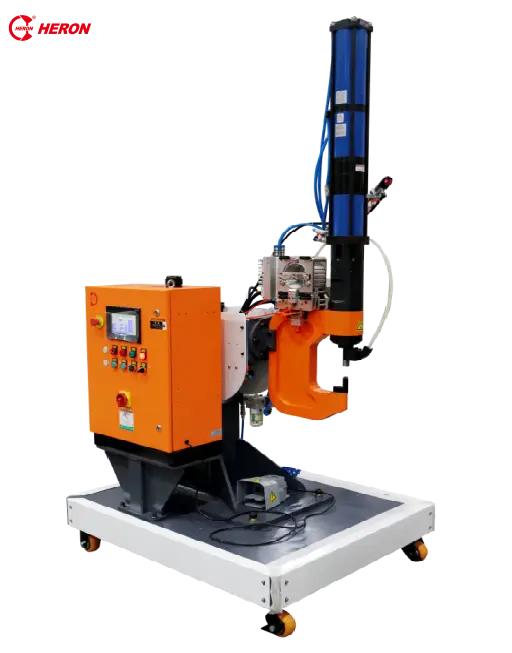
What emerged was the FSPR plane self-piercing riveting technology, which does not require pre-punching and can complete the connection at the same time during the stamping process. The rivets will be automatically fed in, and the efficiency has been greatly improved . Will there be new connection technologies in the future that can completely replace welding and riveting? This new process is specially designed to solve traditional pain points. It is highly adaptable and easy to operate.
Performance surpasses all aspects
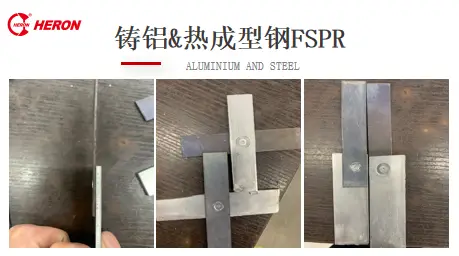
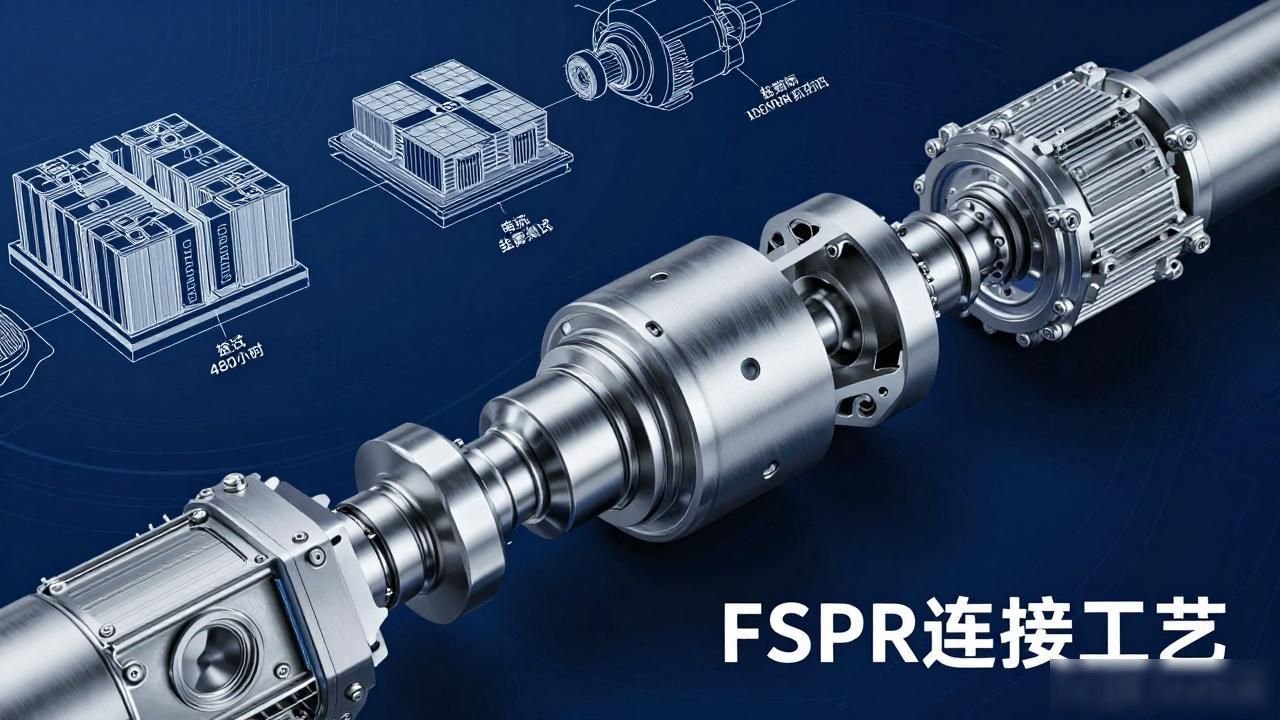
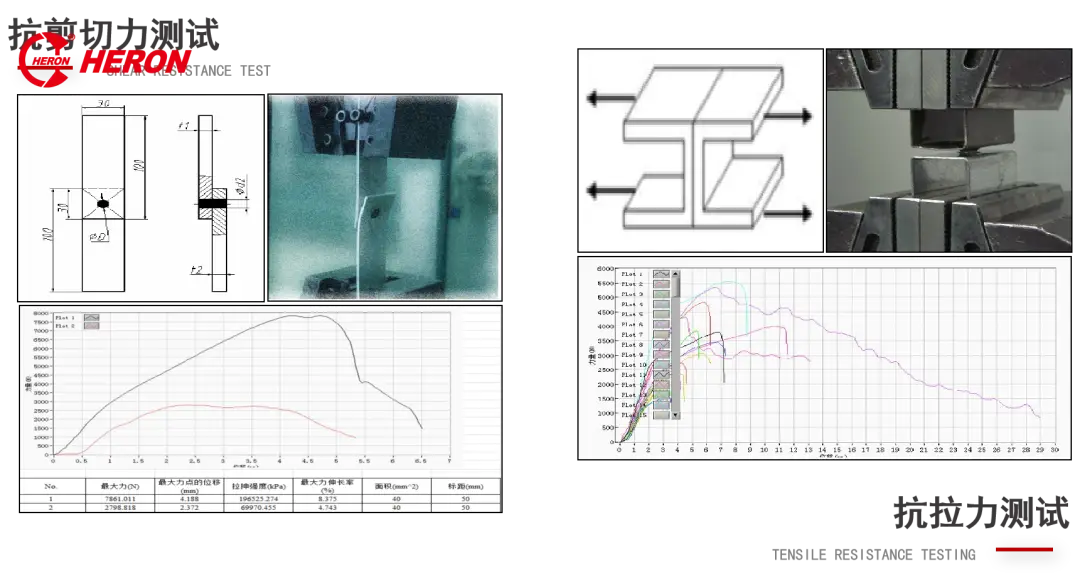
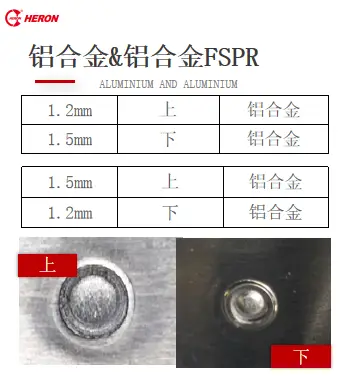
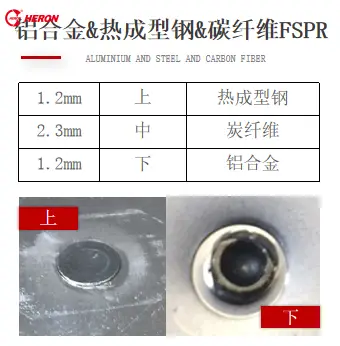
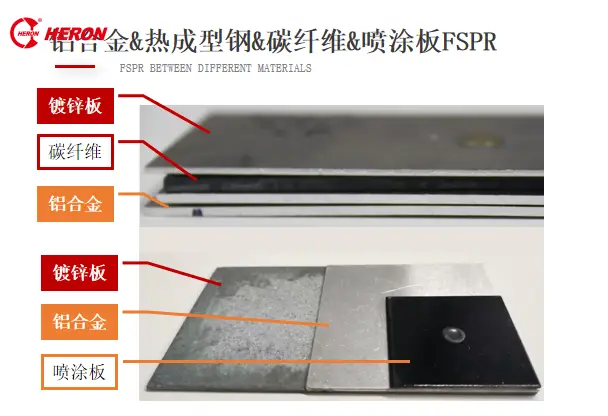
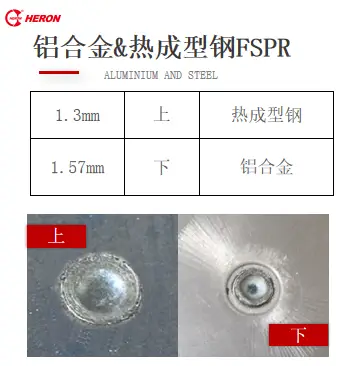
FSPR has a stable connection, very strong shear resistance, and excellent anti-rust ability. The salt spray test can last up to 480 hours. It is suitable for aluminum, steel and even carbon fiber. The total thickness can be up to 9.1 mm. It can also be used when the elongation of the material is low. It will not crack or slip, and the quality is stable.
Future connectivity trends
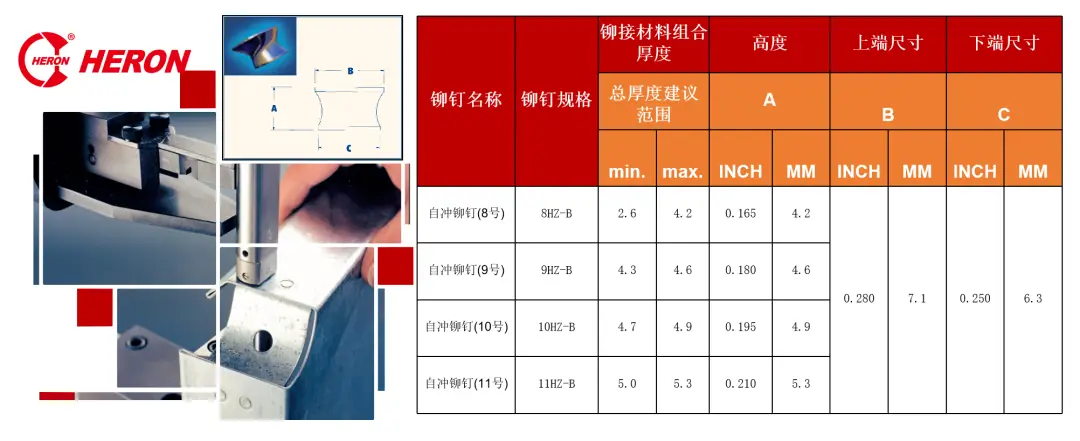
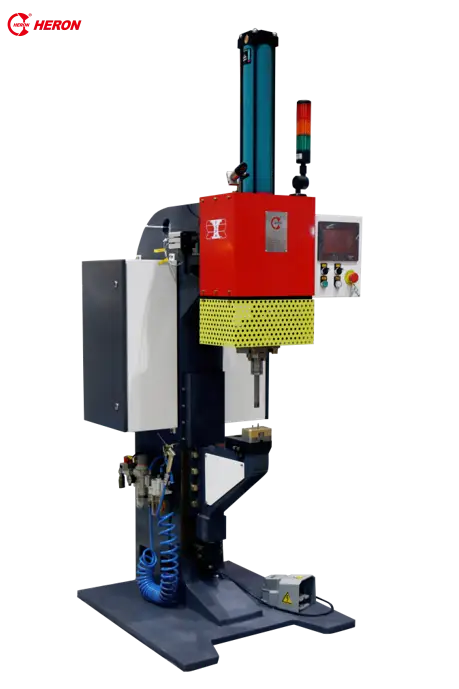
As the demand for lightweighting continues to grow, new processes will become more comprehensively promoted. FSPR can provide visual judgment, causing abnormal situations to be displayed clearly. Development work has been completed on the Henlong series of rivets. When facing the future trends of welding and riveting, which technology do you think will gradually become the dominant technology? You are welcome to leave your thoughts for discussion and exchange.




暂无评论内容