标签: Chinese

  • "Precision" Is A Modern Chinese Term For Expressing Precision And

    "Precision" Is A Modern Chinese Term For Expressing Precision And

    "精度" is a modern Chinese term for expressing precision and

    An in-depth analysis of the evolution of etymology

    The word "precision" first appeared in "Qian Fu Lun" written by Wang Fu of the Eastern Han Dynasty. At that time, the author told that if a person is smart and wise, his mind must be particularly delicate and thoughtful. This is actually the origin of the meaning of "meticulous and thoughtful" in modern Chinese, which has a long history.

    After entering the modern era, the word has become more important due to technological advancement. It uses two-syllable word formation to promote more precise and powerful expressions. Especially in the fields of science and technology, people need more professional terms to describe the accuracy of things. As a result, "precision" has become a high-frequency word.

    Full combing of semantic features

    As a typical Chinese adjective, "precision" has very distinct and impressive semantic features. It does not simply indicate the quality of precision machining equipment in a simple and direct manner, but focuses on highlighting the flawlessness of details. In daily communication, if someone behaves "clearly and meticulously", it can also be expressed as "precision". This is its extended meaning, but it is more common in dialects.

    If it is in a scientific and technological context, its core point is the degree of discreteness of data and the error range. For example, what we usually call "precision" is an indicator specifically used to measure the stability of measurement results. Whether a piece of equipment or a process can meet standards is often judged by looking at whether such values ​​can be controlled within a very small range.

    High standards for industrial applications

    精密机械加工设备有哪些_精密在现代汉语中的应用_精密的语义演变

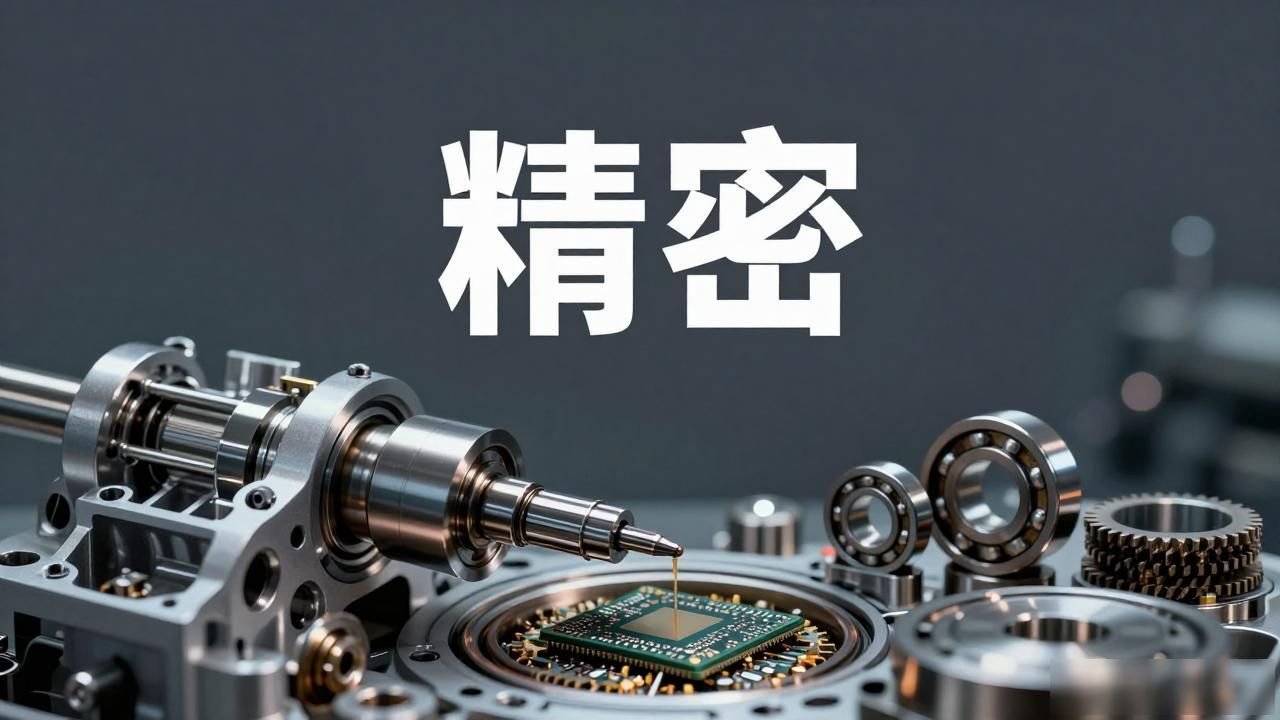
    High-precision machining is regarded as the core competitiveness in the scope of engineering technology, which requires processing equipment to meet micron-level precision standards. Whether it is car engines or chip manufacturing, as long as there is the slightest deviation, the entire product will be scrapped, so the standards are extremely strict.

    This pursuit of precision has promoted the rapid progress of machine tool technology. Today's CNC machine tools already have very high positioning accuracy. If a company wants to obtain high-end orders, it must continue to upgrade its equipment to ensure that the size of each part can strictly meet the requirements of the drawings . This is the so-called "wagon of millimeters."

    Transnational terminology comparison list

    In the cultural circle of East Asian Chinese characters, the word "precision" has common characteristics. The meaning of "precision" in Japanese is completely semantically equivalent to that of Chinese, and is used to modify delicate and precise things. This linguistic consistency reflects the common logic and cultural background of various countries in the construction of scientific and technological terms.

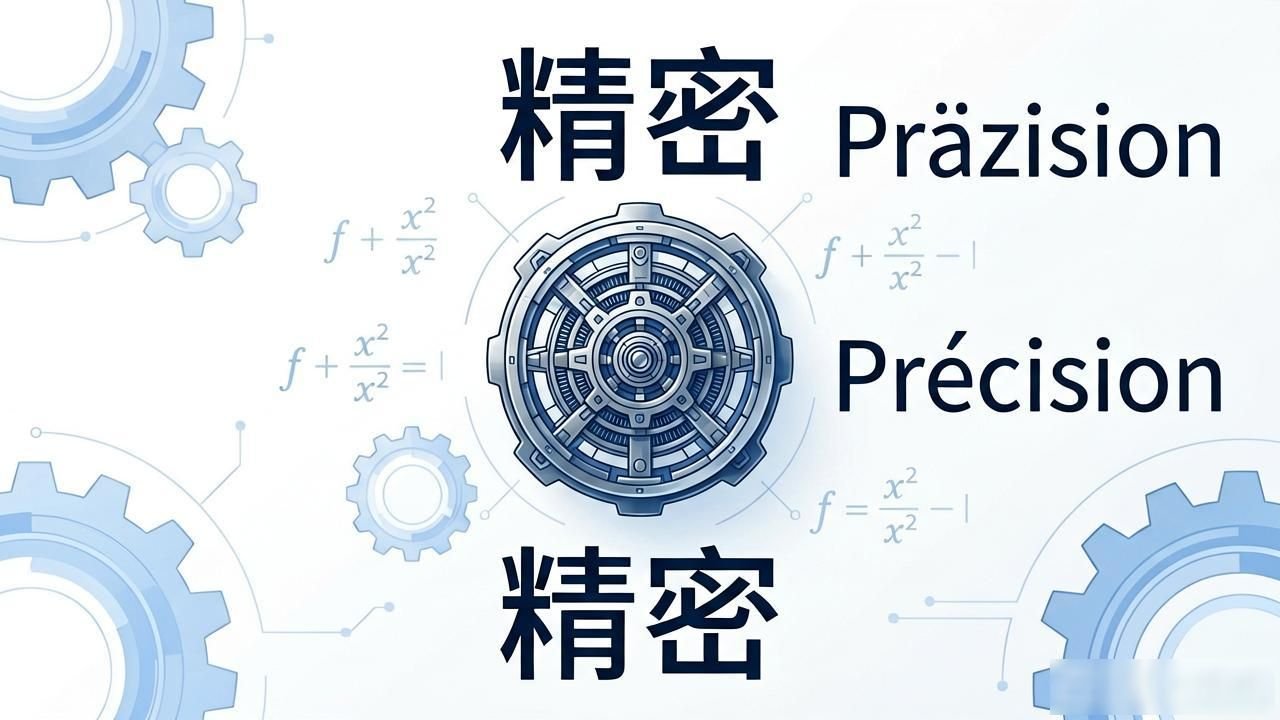
    There is a corresponding professional expression "precision" in German, which is the expression of precision in modern Chinese and also exists in French. Although the spelling is different, the core concepts are all about precision and rigor. This shows that within the global industrial system, the definition of "precision" is universal. Language is just a carrier, and the technical standards behind it are connected.

    Many types of common equipment
    精密在现代汉语中的应用_精密机械加工设备有哪些_精密的语义演变

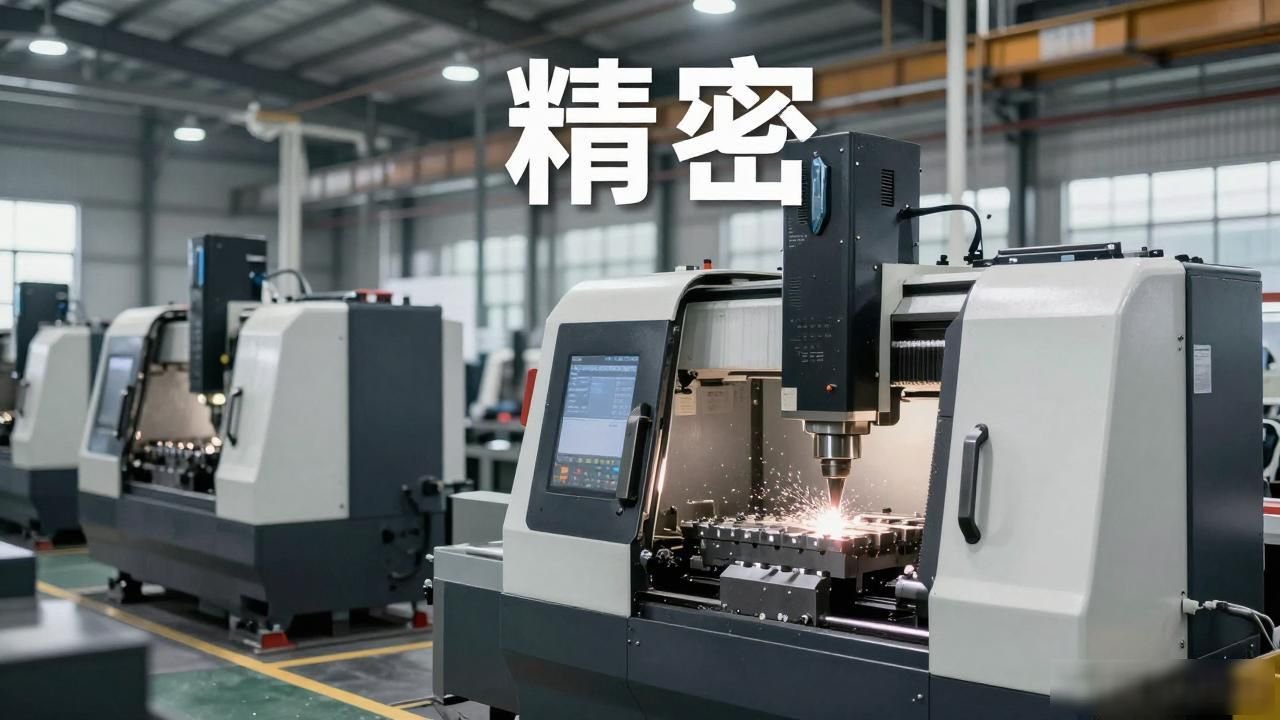
    As long as precision machining equipment is mentioned, many people's first reaction is CNC machine tools. This is indeed the main force category, covering machining centers, lathes, etc., which can complete complex three-dimensional cutting processes. Such equipment has high-tech trends and meets the conditions required for mass production of high-precision parts. It can be called the beating heart of modern factories.

    In addition to CNC equipment, there are also machines for coordinate measurement and three-coordinate detection instruments. They are not directly used for processing, but they are responsible for detection accuracy and are the gatekeepers of quality control. In addition, laser cutting machines and electric discharge forming machinery and equipment also belong to the scope of precision processing, which are specially designed to process materials that are difficult to process or objects with complex shapes.

    Suggestions for purchasing depends on your needs

    When choosing precision processing equipment, you must first consider your own product accuracy requirements. If there is a need for micron-level or even nano-level precision, ordinary CNC machine tools may not be enough, and high-precision grinders or ultra-precision lathes must be selected. Budget is also a key factor. High-precision equipment is expensive and its maintenance costs are also high.

    Furthermore, we need to consider production efficiency and automation level. If the quantity is large, automatic loading and unloading systems and flexible manufacturing units can improve efficiency. At the same time, after-sales service and technical support are extremely critical. After all, precision equipment requires regular calibration and maintenance. Whether the manufacturer can provide timely technical support will directly affect production stability.

    When you consider purchasing equipment for precision machining, which is more important, accuracy or stability? Welcome everyone to leave your words in the comment area to discuss, like and share so that more people can see it!


  • "Precision" Is A Modern Chinese Term For Expressing Precision And

    "Precision" Is A Modern Chinese Term For Expressing Precision And

    "精度" is a modern Chinese term for expressing precision and

    Precise genes in etymology

    At that time, Wang Fu of the Eastern Han Dynasty wrote "precision and precision" in "Qian Fu Lun". This word carries the meaning of meticulousness and thoroughness. The ancients looked at people's performance in doing things, and paid special attention to the need to be careful and never careless. This kind of extreme pursuit of details is deeply rooted in the inherent characteristics of the Chinese language.

    In modern times, scientific terminology has emerged rapidly, and the word "precision" has evolved accordingly. It no longer only refers to the mind, but further refers to the accuracy of objective things. The two-syllable structure makes it quite suitable in the context of science and technology . The cost difference between precision machining and ordinary processing has become a key yardstick for measuring standards.

    nuances in dialect

    For some dialect areas, "precision" implicitly means "clear and careful". Ordinary people also pay attention to clarity and transparency in their daily lives, whether they are talking or doing things. This kind of cognition with the flavor of life makes the vocabulary have more fireworks flavor, and also reflects the diverse characteristics of language in different regions.

    精密在现代汉语中的应用_精密的语义演变_精密机械加工与普通加工成本差异

    Although the semantics have been slightly extended, the core still revolves around "fine" and "accurate". Whether it is written language or daily mantras, people are using different ways to express their yearning for a perfect state. The resilience of such a language is precisely a reflection of the endless viability of Chinese culture.

    Dispersion of measurement data

    There is a professional term called "precision", which is used to describe the degree of discreteness of measurement data. The more concentrated the data, the more stable the equipment and the more reliable the results. In the laboratory, this is not just a game between numbers, but the basis for establishing trust, and researchers rely on it to judge the performance of the instrument.

    Engineers stare at the dashboard, focusing on every tiny fluctuation. High precision also means low error, which is important in the field of quantum computing or nanotechnology. Even a few deviations in the positions after the decimal point may cause the entire experiment to fail. There is absolutely no room for even the slightest chance.

    Stringent standards at the micron level

    The "high-precision machining" pursued in the engineering field has a particularly high threshold. The equipment must be stable within the micron-level accuracy range, or even the nano-level accuracy range. This means that machine tool vibration and temperature changes must be strictly controlled. The cost difference between precision machining and ordinary processing. "Precision" is the modern Chinese word for accuracy. In the workshop, constant temperature and humidity are standard requirements, and even air dust needs to be filtered.

    This kind of precision is not something that is boasted out of thin air, but is created with the investment of real money. The price of high-end five-axis machine tools often reaches tens of millions. They have the ability to process aircraft engine blades and can also manufacture mobile phone chip molds. Behind every screw is the crystallization of top technology.

    Terminological resonance across languages

    精密的语义演变_精密在现代汉语中的应用_精密机械加工与普通加工成本差异

    Präzision in German and Précision in French both correspond to "precision" in Chinese. East Asian Chinese character cultural circles share this concept, which shows that there are commonalities in scientific languages. The Japanese also use "precision" with basically the same meaning, which facilitates technical exchanges.

    The reason why this consistency reduces the communication cost of cross-border cooperation is because in the global supply chain, no matter which country the parts are purchased from, as long as they are marked with "precision", everyone will know what they are doing. As the universal language of industrial civilization, it connects factories and laboratories distributed around the world.

    The core logic of cost differences

    Compared with ordinary machining, the cost of precision machining is very different. This difference is like a world of difference. The cost of ordinary lathes per hour is a few hundred yuan, while the cost of high-precision machine tools is thousands or even tens of thousands of yuan per hour. In addition to the cost of equipment depreciation, there are also extremely high maintenance fees and a lot of energy consumption. Furthermore, the wages of skilled workers are also ridiculously high, after all, such skilled workers are very scarce.

    Ordinary machining allows larger tolerances and less scrap, so the material waste rate is not critical. Precision machining is different. Once a mistake is made, the entire expensive material may be scrapped. Furthermore, due to the long debugging time and strict quality inspection process, the final product price will naturally increase. So, are you willing to pay for this extreme?