博客

  • Titanium Materials Are Used In The Chemical And Petrochemical Industries, Including

    Titanium Materials Are Used In The Chemical And Petrochemical Industries, Including

    Titanium materials are used in the chemical and petrochemical industries, including

    The storage environment must be well controlled

    Titanium metal is regarded as stable, but in fact it is prone to problems if it is not stored properly. Many people pile it up randomly because they think it has corrosion resistance, and eventually find that its surface has been damaged during processing, which in turn affects the quality of the finished product.

    The best place to place it is to choose an indoor warehouse for titanium alloy processing case analysis . The relative humidity needs to be controlled below 50%. If the humidity is too high, it will cause changes in the surface of the titanium. During subsequent processing, defects may appear, thereby increasing the scrap rate.

    Avoid direct sunlight

    When titanium metal is exposed to sunlight for a long time, especially when exposed to ultraviolet rays, its surface is prone to oxidation reactions, which will cause the originally bright metal to lose its luster, thereby affecting its appearance and processing effects.

    When placing, you should choose a location with shading conditions, or use covering items to block the sun. In this way, the original state of the titanium metal surface can be maintained, laying a good foundation for subsequent processing.

    Prevent contact with other metals

    钛金属存储条件_钛合金加工案例分析_钛金属防腐蚀措施

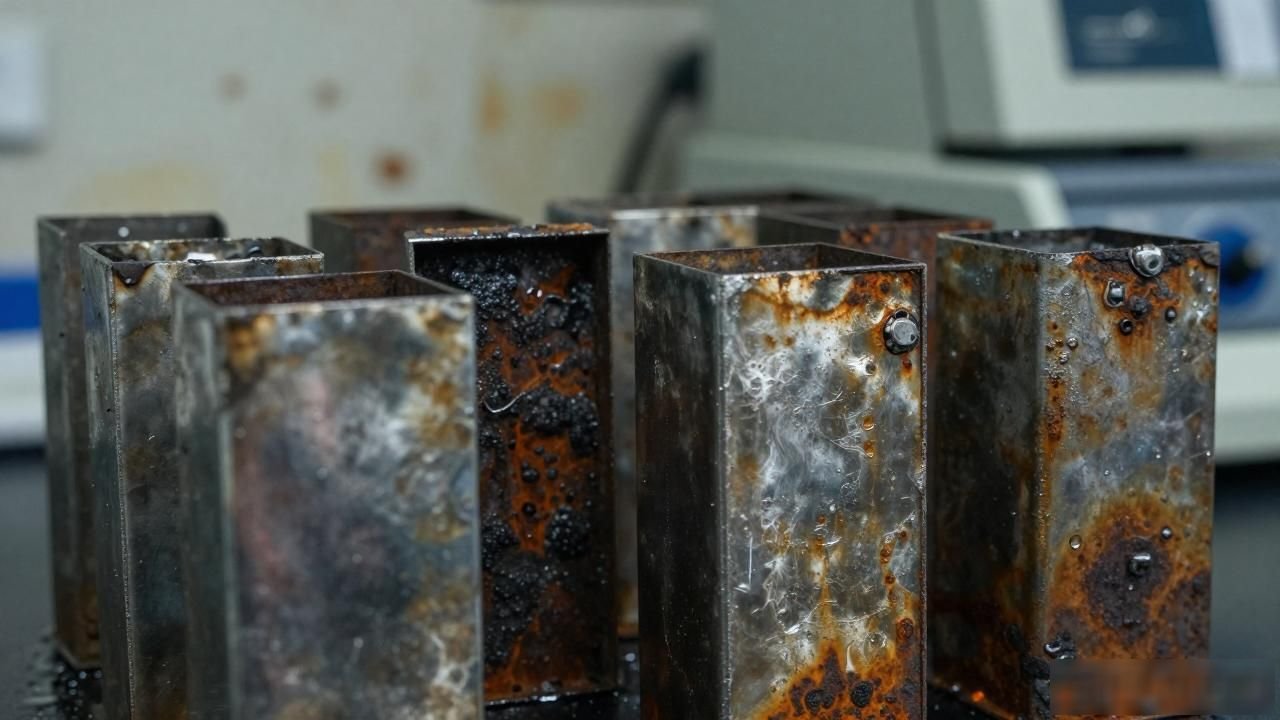
    In a humid environment, when titanium metal is placed together with other metals, electrochemical reactions can easily occur. This reaction can cause corrosion and damage the titanium metal surface.

    When placing inventory, the corresponding areas need to be divided separately and separated by partitions or special containers. Different metals should be kept at a certain distance from each other and avoid direct contact to prevent problems with electrochemical corrosion.

    Keep away from heat and fire

    The area where titanium metal is placed must be kept away from fire and heat sources. The temperature of the warehouse should not exceed 35°C. Being in a high temperature environment will affect the physical properties of titanium metal and give rise to new safety issues.

    The container must be kept in a sealed state, and it is absolutely prohibited to allow the titanium metal to come into direct contact with the air. If the sealing condition is not good, the surface of the metal will be oxidized, which will reduce the quality of the material and affect the final processing effect.

    Classified storage is important
    钛金属防腐蚀措施_钛金属存储条件_钛合金加工案例分析

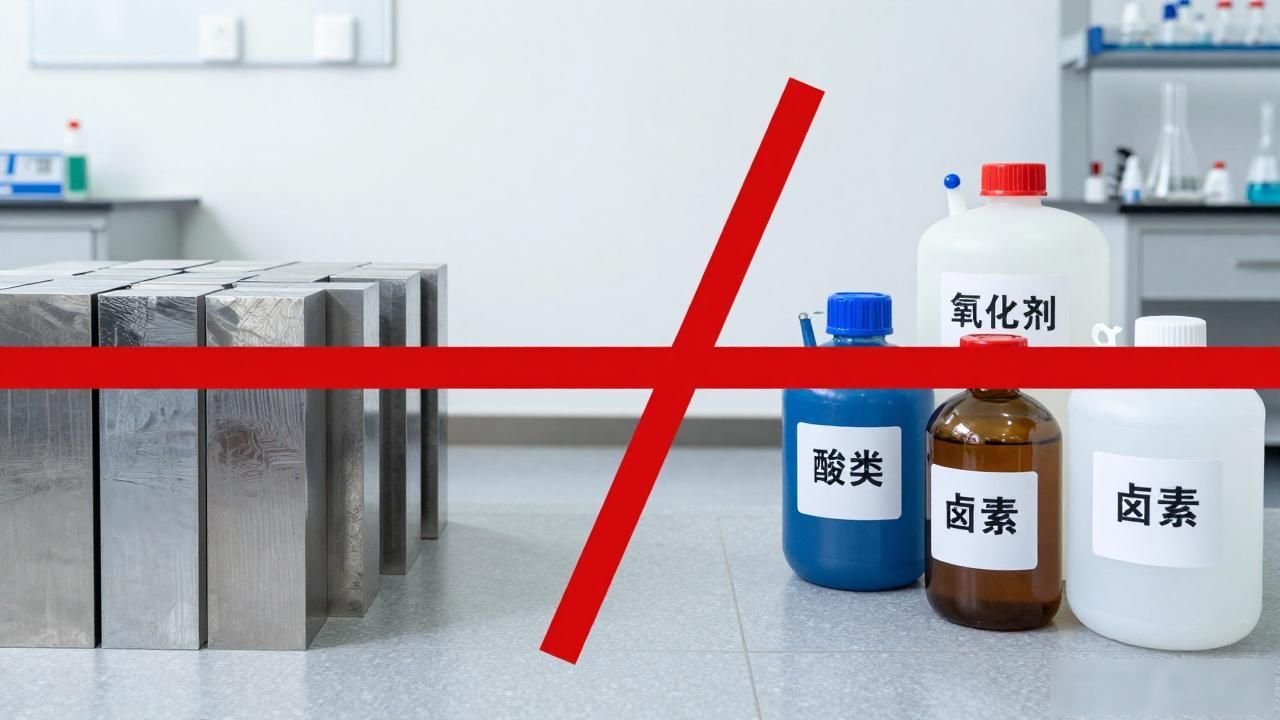
    Titanium metal is not allowed to be placed together with oxidants, acids, halogens and other substances. If these chemicals leak or come into contact, they will cause extremely serious damage to titanium metal.

    The warehouse must be equipped with corresponding fire-fighting equipment, and the storage area must be prepared to contain leakage materials. Storage conditions must be checked regularly. Once problems are discovered, they must be dealt with in a timely manner to ensure that the materials are intact.

    Regular inspection is essential

    The stored titanium metal should be inspected regularly to see if there are any obvious changes in its appearance or signs of corrosion. Once a problem is discovered, corresponding measures must be taken immediately to avoid further expansion of losses.

    Establish an inspection record system, and each inspection must be recorded in detail, so that hidden dangers can be detected in time, ensuring that the titanium metal is always in good condition and providing reliable materials for processing.

    What other problems have you encountered during the storage process of titanium alloys? Please share your experiences in the comment area. If you find the titanium alloy processing case analysis useful, please like it and forward it to more people in the same industry!

  • Jiaozuo Precision Machining And Manufacturing

    Jiaozuo Precision Machining And Manufacturing

    Jiaozuo precision machining and manufacturing

    The confidence of precision equipment

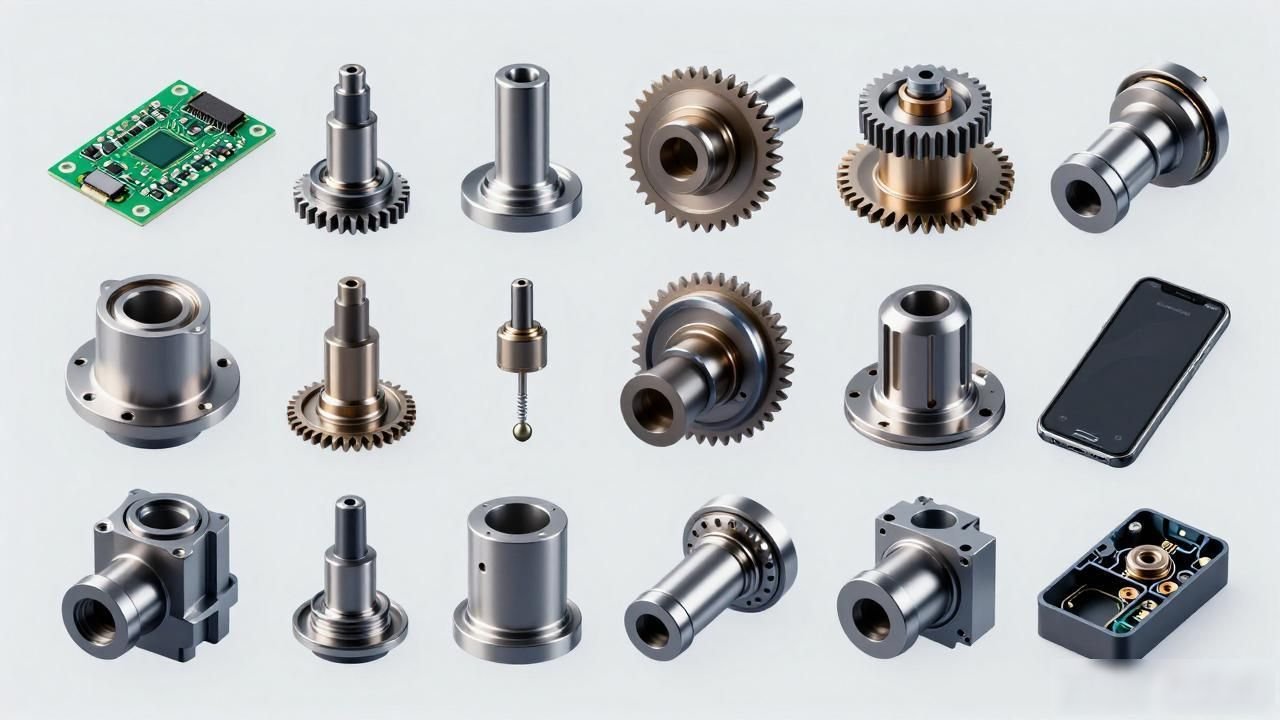
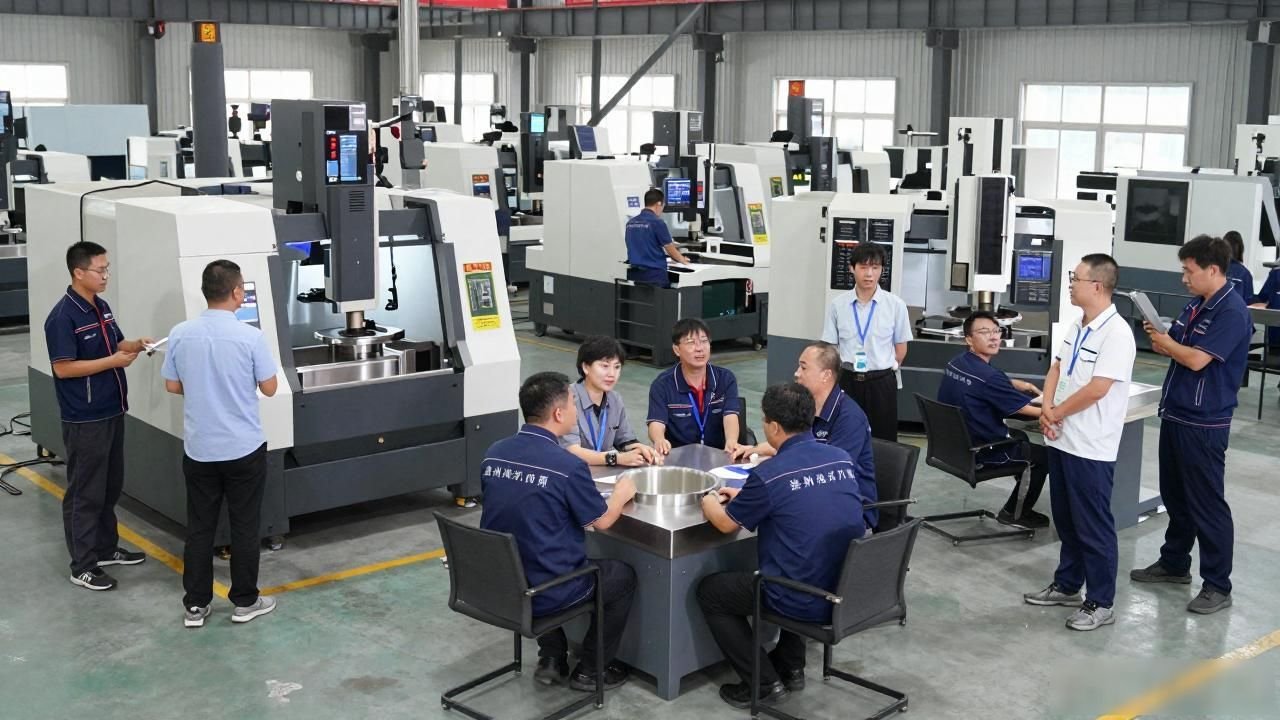
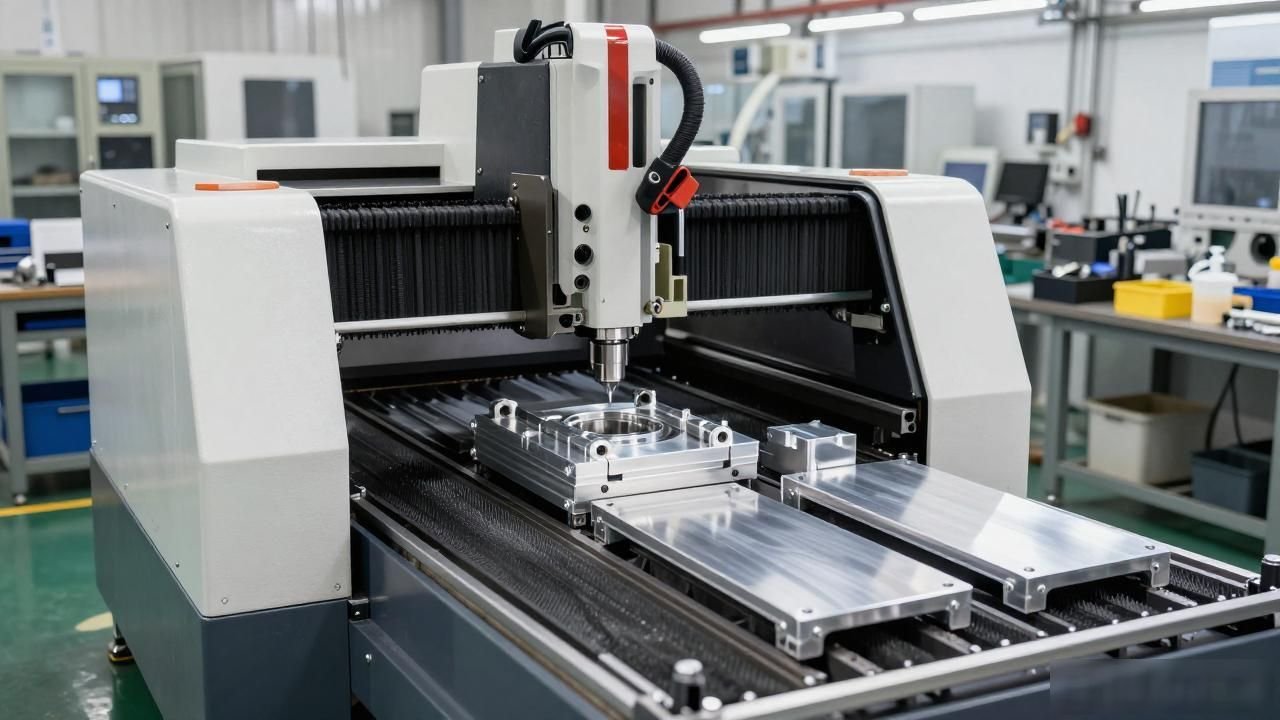
    There is a precision machining company located in Wentang Brick Kiln Industrial Zone, Dongcheng District, Dongguan City. This company was established in March 2006. The company currently has more than 150 precision production and testing equipment, and its number of equipment is at a high level in the industry.

    The company undertakes high-precision orders and enjoys the hardware guarantee provided by abundant equipment resources. Those processes, including CNC machining, turning, as well as die-casting, stamping, grinding, sandblasting, oxidation, electroplating, laser engraving, printing, etc., can all be completed in the same park.

    The importance of material selection

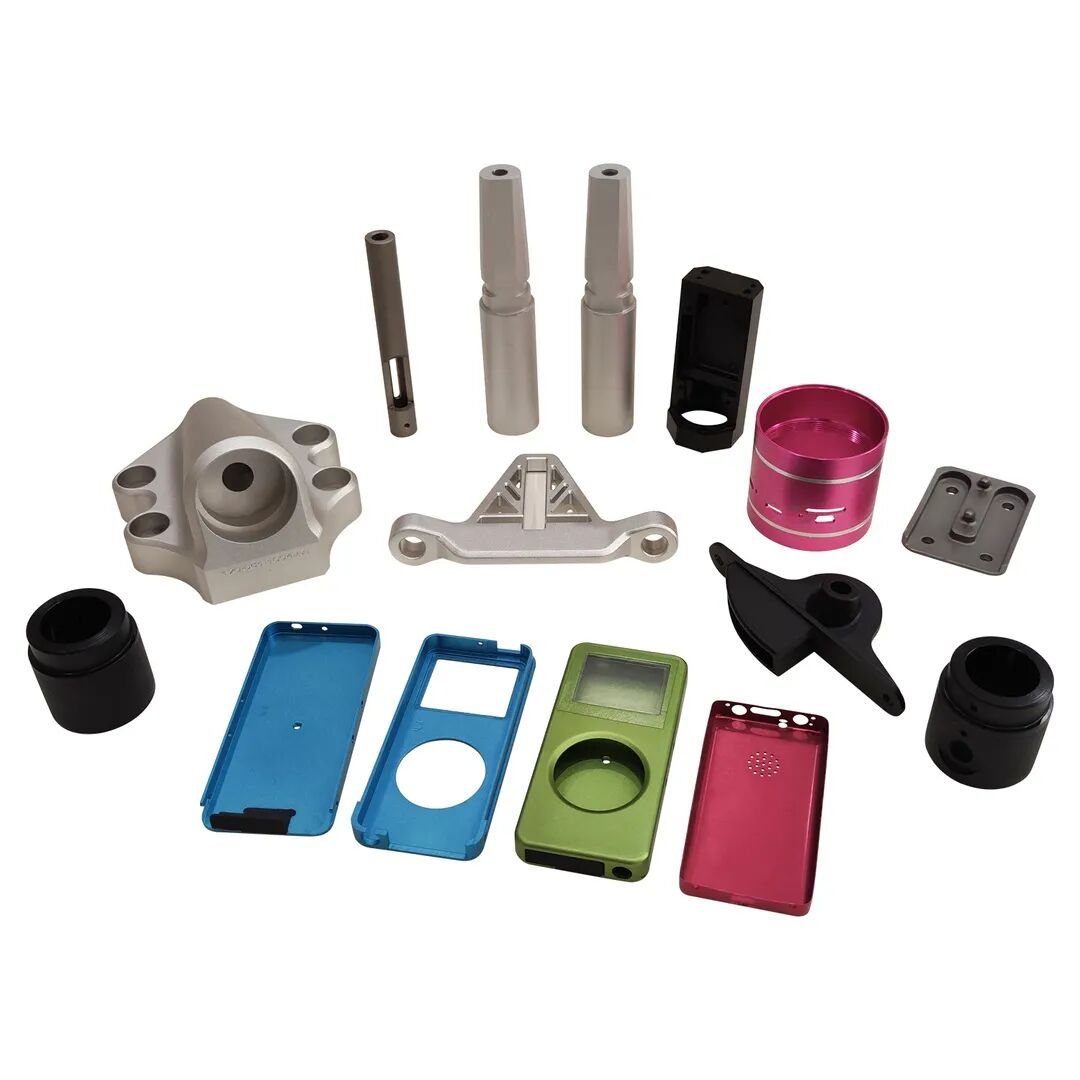
    The processing materials used by the company include aluminum, copper, stainless steel, carbon steel, acrylic, nylon and many other different types. Different materials correspond to different processing solutions and have different accuracy requirements, which need to be matched according to the use of the product.

    Aluminum alloy materials are preferred in the consumer electronics field, and aluminum alloy materials are also preferred in the communication equipment field because of their light weight and good heat dissipation. The medical device industry prefers stainless steel, and the medical device industry also prefers medical-grade plastics. Such materials have better biocompatibility and require higher surface treatment.

    The core of process technology

    五金零件加工精度能达到多少_CNC加工件_精密机械加工

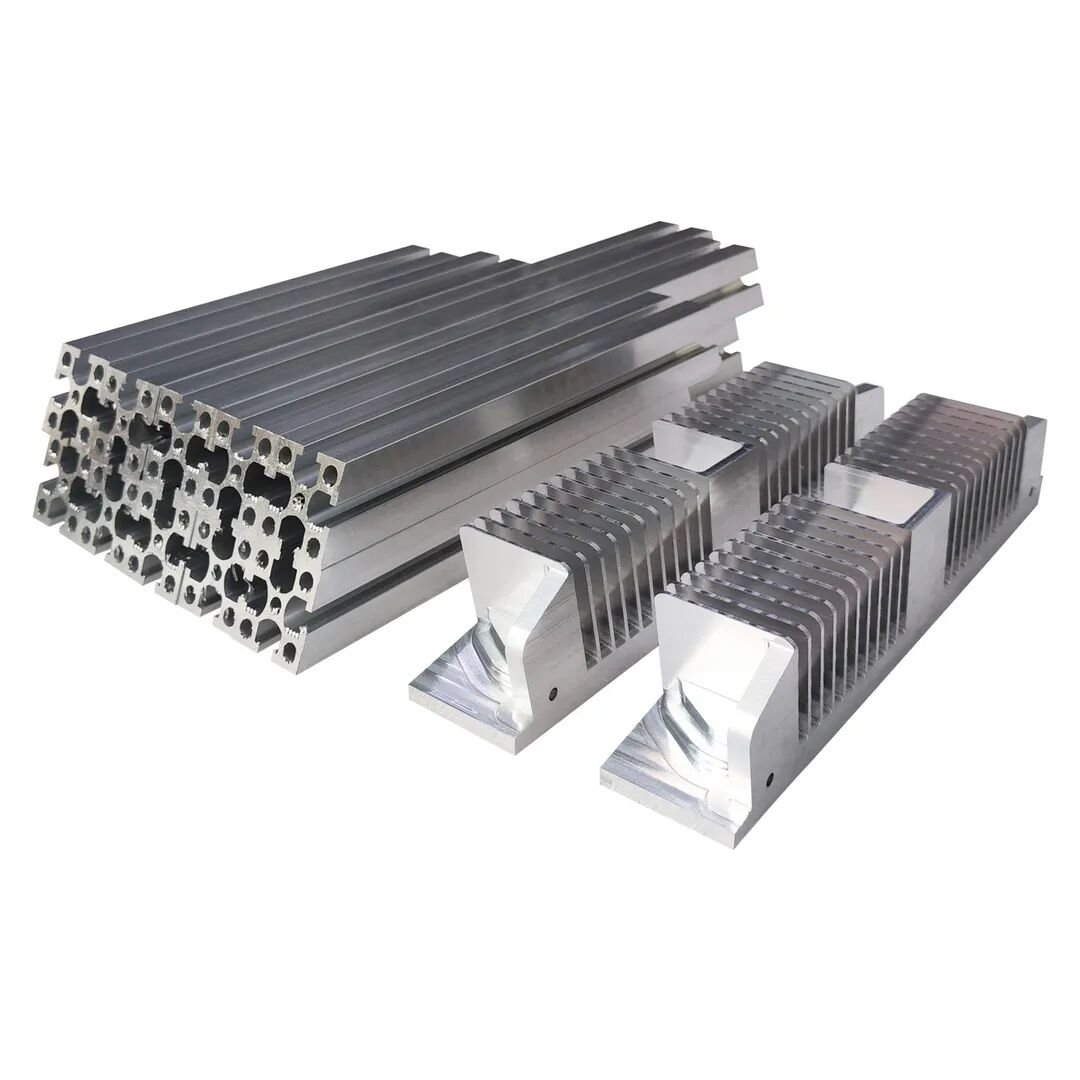
    One of the company's core technologies is CNC machining, which can achieve a processing accuracy of ±0.005mm. Main products such as precision hardware, including heat sinks, aluminum panels, etc., are processed using CNC equipment to ensure dimensional stability and surface quality.

    Each has its own specialized process route, including turned parts, forged parts, die-casting parts, etc. In the grinding, sandblasting, oxidation, electroplating and other links, the company also has mature technology accumulation, which can meet customers' requirements for surface treatment and appearance quality.

    Quality control process

    The company has passed the ISO9001 quality management system certification and uses a systematic model to manage the enterprise. From the arrival of raw materials into the warehouse, the processing accuracy of hardware parts can be achieved , to the shipment of finished products. There are clear inspection standards and operating procedures in each link, thus ensuring stable and reliable product quality.

    The first piece must be inspected, and patrol inspection is also indispensable. The final inspection is even more critical. The three checkpoints are checked step by step. Once deviations in dimensions or defects on the surface are detected, the machine must be shut down immediately to investigate the cause, in order to prevent defective products from flowing into the next process and thereby avoid batch quality problems.

    Test in application fields

    精密机械加工_CNC加工件_五金零件加工精度能达到多少

    The company's products are widely used in consumer electronics, home appliances, communication equipment and medical device industries. For these fields, parts have high precision and stability requirements. Once there is a slight deviation, it may affect the assembly of the whole machine or the realization of functions.

    Stable quality performance and fast delivery capabilities, as well as the processing accuracy of hardware parts , are the keys for companies to gain the trust of customers in these industries. What many long-term customers value is that the company can continuously supply qualified products that meet the drawing requirements.

    Commitment to cooperative services

    The company adheres to the business policy of "quality first, scientific management, continuous improvement, and customer satisfaction" and is committed to providing customers with high-quality services. Whether it is small-batch customization or large-volume orders, the same quality level can be ensured.

    We warmly welcome merchants from home and abroad to visit us for guidance and to discuss cooperation matters. For those customers who have hardware parts processing needs, they can use sample proofing and trial production verification to understand the company's actual processing capabilities and cooperation.

    Are you currently looking for a hardware parts processing supplier for a project? You are welcome to leave a message in the comment area for communication.

  • Precautions And Summary Of Welding Steps When Repairing Refrigeration Pipelines

    Precautions And Summary Of Welding Steps When Repairing Refrigeration Pipelines

    Precautions and summary of welding steps when repairing refrigeration pipelines

    Repair welding is not just a simple welding operation. If it is not handled properly, it will leave hidden dangers. Many masters may not understand the normal remedies after welding errors.

    Preparation work before repair welding

    During the pressure test operation, once leakage is detected, repair welding must be carried out immediately. However, before repair welding, all nitrogen in the system must be discharged. This point is extremely critical. Welding under pressure will be extremely dangerous. After the welding work is completed, it must be ensured that there is no residual gas inside the system before re-testing the pressure.

    Before carrying out repair welding, it is necessary to completely and thoroughly wipe away the oxide layer on the surface of the pipe. This action is the most critical step to ensure that the welding quality can meet the standards. If the oxide layer is not treated cleanly, the weld will be prone to problems such as virtual welding and pores, which will affect the sealing effect.

    Processing process after repair welding

    After welding, the oxide scale must be cleaned cleanly. This is an extremely critical part of surface treatment. If there is residual oxide scale , the surface treatment method after partial repair of the riveted weldment will not only affect the appearance, but also may fall off when it is subsequently put into use, causing the pipeline to be blocked or the system medium to be contaminated.

    _铆焊件局部修补后的表面处理办法_焊接注意事项

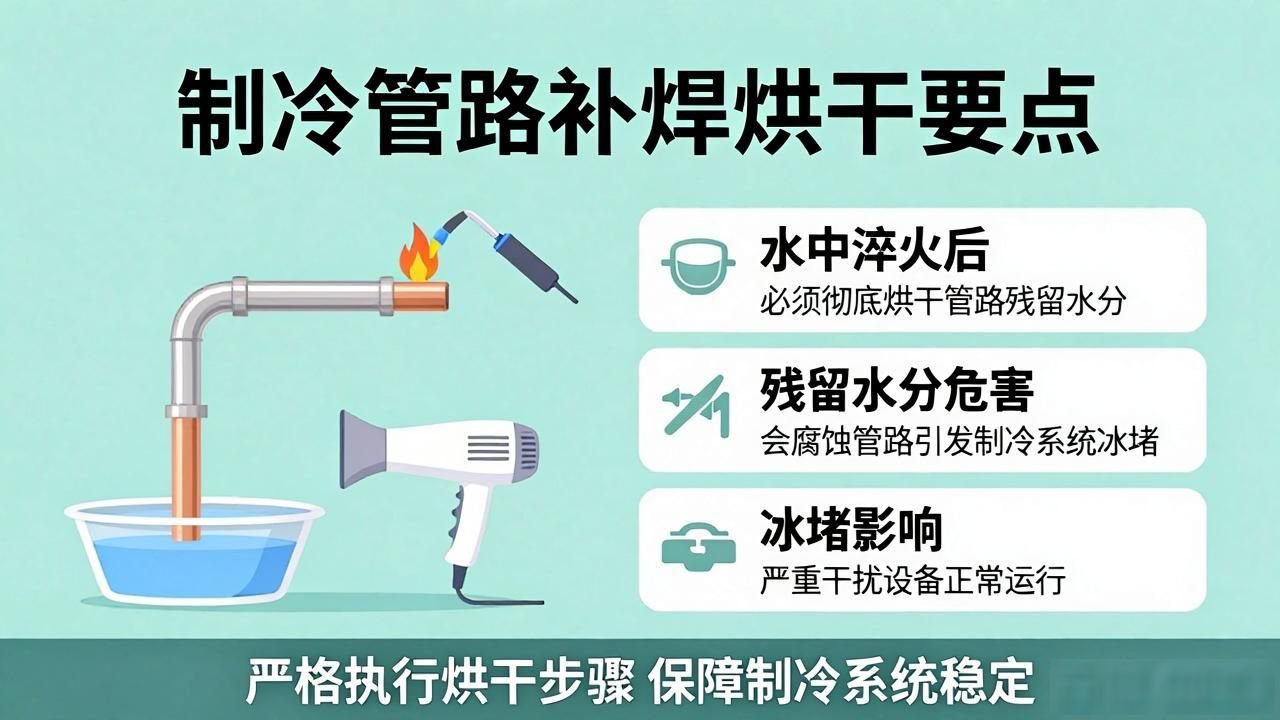
    When welding copper pipes, the pipes must be thoroughly dried after quenching in water. If water droplets remain in the pipe, it will corrode the pipe and cause ice blockage in the refrigeration system, which will seriously affect the normal operation of the equipment.

    System purge and inspection

    After all repair welding operations are completed, nitrogen must be used to purge the inside of the system to a clean state. This step can remove impurities such as welding slag and oxides produced during welding, thereby ensuring a clean environment inside the system.

    During purging, it is necessary to control the flow rate and pressure of nitrogen to prevent secondary pollution due to too severe impact. After purging, the final leak detection work must be carried out. Only by confirming that there is no leakage in the welded parts can the full repair welding process be considered complete.

    Welding material equipment preparation

    Before performing welding operations, be sure to prepare all required materials and equipment, including welding rods, flux, oxygen acetylene bottles, etc. If the preparation of materials is not sufficient at this time and the work is started rashly, this situation may easily lead to a stoppage in the middle, which will have a negative impact on the welding-related quality and the overall progress.

    Check whether the welding equipment and corresponding tools are operating normally, and whether the oxygen meter and acetylene meter are sensitive and accurate. If the equipment is working with faults, it will not only affect the welding effect, but also may cause safety accidents, so you must check it in advance.

    Gas pressure adjustment tips

    After opening the bottle valve, adjust the pressure reducer so that the pressure at the oxygen outlet is controlled in the range of 0.15 to 0.2 MPa. This pressure range can ensure a stable supply of oxygen during welding. If the pressure is too low, the flame will be weak, and if it is too high, gas will be wasted.

    The pressure at the outlet of the acetylene pressure reducer is controlled within the range of 0.01 to 0.02 MPa. If the acetylene pressure is too high , it will easily produce carbon black, which will affect the quality of the weld. If the pressure is too low, the flame will not be stable enough, making the welding work more difficult.

    Flame adjustment and welding operations

    After lighting the fire, first adjust the acetylene to control the size of the flame, and then adjust the oxygen until a neutral flame is achieved. Flame adjustment needs to follow the order from smaller to larger to avoid the risk of backfire or explosion caused by sudden changes in the flame.

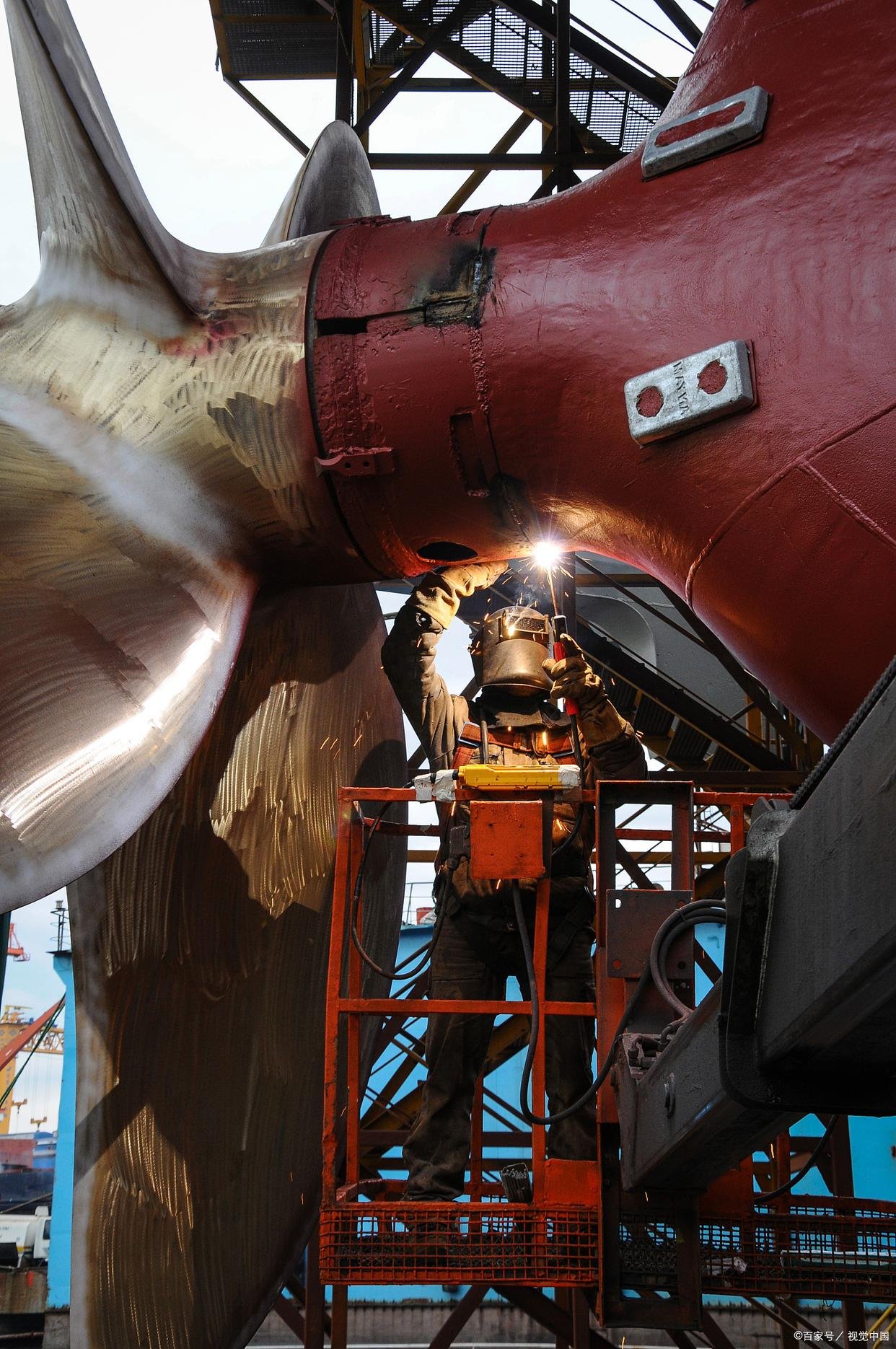
    During the welding operation , the surface treatment method after partial repair of the riveted weldment is to control the distance between the top of the flame core and the weldment within the range of two to four millimeters, and to maintain a vertical state between the welding gun and the pipe, so that the weld joint is heated evenly until it appears dark red. This approach can ensure good welding fusion and promote the high strength of the weld.

    Wrong welding is not terrible, but what is worrying is the lack of correct ways to remedy it. What kind of surface treatment actions do you usually perform after repair welding? Welcome to share your various experiences and insights in the comment area.

  • Several Common Repair Problems And Solutions For Cold Welding Machines

    Several Common Repair Problems And Solutions For Cold Welding Machines

    Several common repair problems and solutions for cold welding machines

    The solder joints turn black and yellow after the casting defects are repaired, and the welding wire beads but does not fuse. These problems cause trouble to many skilled workers. Mastering the correct repair skills and surface treatment methods can greatly improve the quality of riveted weldment repairs.

    Common causes of welding wire beading and failure to fuse

    Welding wire beading in cold welding machines is one of the most common situations. The main reason is often that the tungsten electrode temperature is too high. When the distance between the tungsten needle and the workpiece is too far, the heat energy cannot be effectively transferred to the welding material, causing the welding wire to simply melt but not be successfully combined with the workpiece. The correct operating state is to place the tungsten needle on the extension line of the welding wire, with the distance controlled between 0.5 and 0.7 mm, while maintaining a height of 0.3 to 0.5 mm between the tungsten needle and the workpiece.

    Another reason that is easily overlooked is that the welding gun head wears and becomes dull. The welding gun head will wear out after being used for a long time, resulting in the repair power being dispersed and the welding wire unable to receive concentrated heat. The solution is to sharpen the welding head regularly and maintain an angle of 60 to 70 degrees. At the same time, it should be noted that the angle between the welding gun and the workpiece should be maintained between 70 and 90 degrees, and the angle between the welding wire and the welding gun should be less than 90 degrees. This is the best repair angle.

    How to deal with black and yellow solder joints

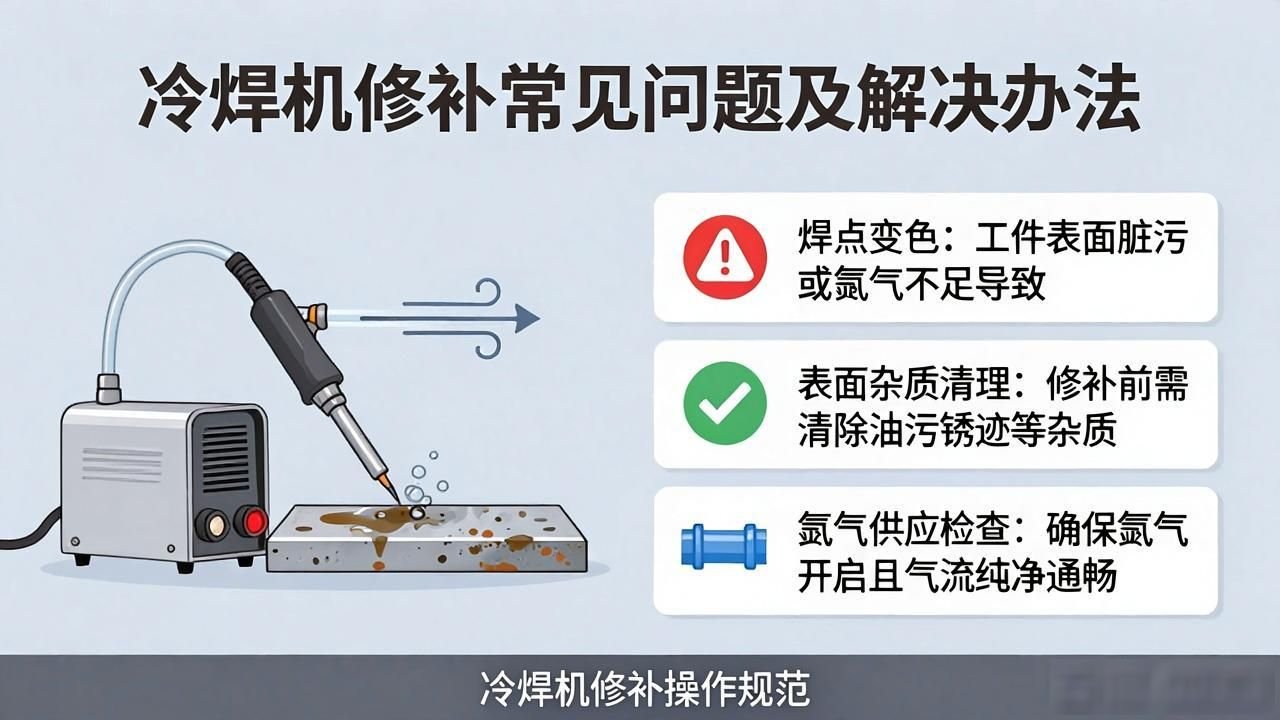
    After repair, one of the common quality problems is the blackening and yellowing of the solder joints. This phenomenon will have an impact on the appearance of the workpiece and subsequent processing. If the exposed part of the tungsten needle is too long, the argon gas protection will not be enough, and the oxygen in the air will oxidize the weld. The solution is to adjust the tungsten needle again to maintain the exposed part at about 8 mm, so as to ensure that the argon gas can fully protect the welding area.

    氩气保护式修补方法_铆焊件局部修补后的表面处理办法_铸造缺陷修复冷焊机

    Among the key causes of discoloration of solder joints, excessive dirt on the surface of the workpiece occupies one of them. Before repairing, impurities such as oil and rust on the surface of the workpiece must be cleaned and made clean, otherwise the impurities will react with the weld under high temperature conditions. In addition, if the argon gas is not turned on or the amount of argon gas is insufficient , the protective effect will become worse. In this case , the argon gas supply needs to be checked.

    Troubleshooting when there is an arc but cannot weld

    When a cold welder arcs but cannot weld, it is often attributed to grounding problems. The most common reason is that the arc welding ground wire is not connected to the workpiece. In this case, although the arc has the conditions to generate, the current loop is not complete, so effective welding cannot be achieved. The solution is to clamp the ground wire clip directly on the workpiece to ensure that the grounding is in good condition.

    Another possible reason is that the operator's hand is not in contact with the ceramic head on the welding gun. The arc starting of the cold welding machine requires the human body to form a circuit. If the contact between the hand and the ceramic head is not good, it will cause difficulty in starting the arc. During operation, firm contact between the hand and the ceramic head of the welding gun should be maintained to ensure smooth arc ignition. This is an operational detail that many novices tend to overlook.

    Solution to tungsten needle sticking to workpieces

    In the operation of cold welding machines, it is particularly troublesome that the tungsten needle always sticks to the workpiece. Why does this happen? The main reason is usually that the distance between the tungsten needle and the workpiece is very close, so that the tungsten needle has already contacted the surface of the workpiece before the welding material is completely melted. The solution is quite simple, just move the distance between the tungsten needle and the workpiece a little farther.

    During operation, in addition to adjusting the distance, technique is also very critical. When depressing the foot switch, your hand must remain stable and the tungsten needle must not be deflected. If the tungsten needle has adhered to the workpiece, you must not forcefully remove it. You should slowly lift the tungsten needle and then cut off the power supply to prevent the tip of the tungsten needle from being damaged. Regular inspections and replacement of worn tungsten needles can also reduce needle stickiness.

    Main points of surface treatment after repair

    铆焊件局部修补后的表面处理办法_氩气保护式修补方法_铸造缺陷修复冷焊机

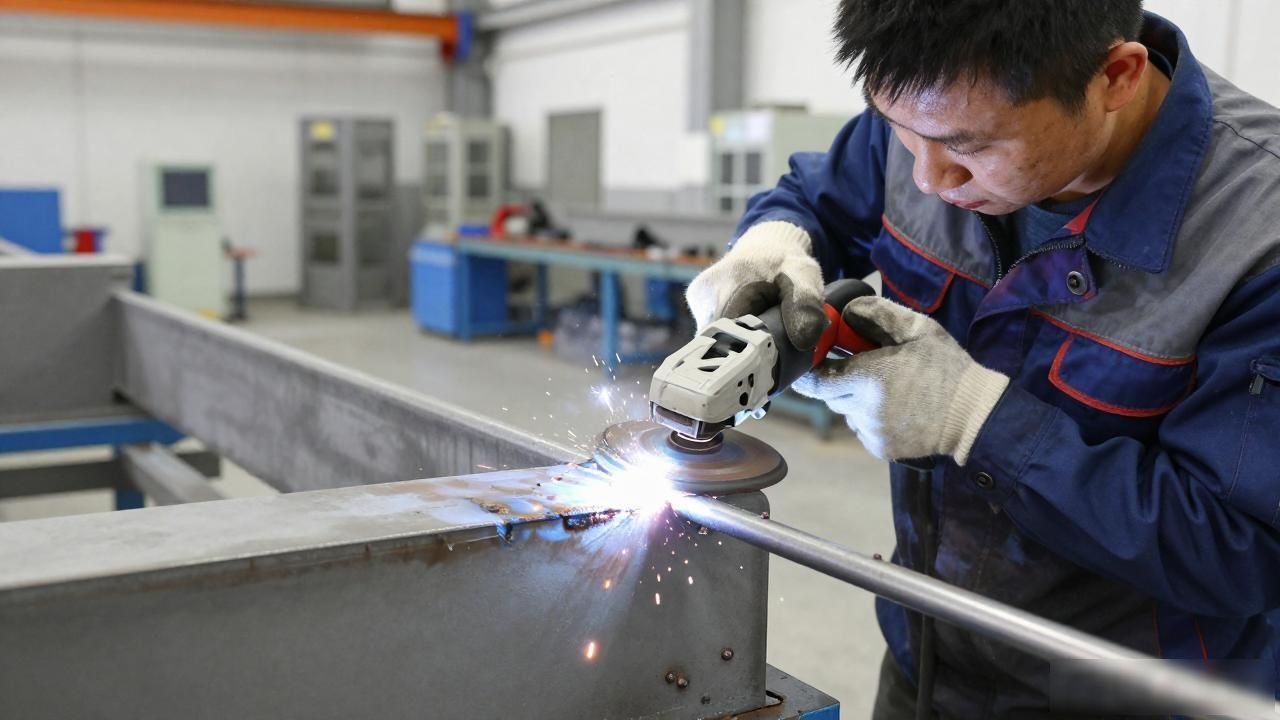
    After partial repair of the riveted weldment, surface treatment is the key to ensuring the overall quality. After the repair is completed, obvious signs will often be left on the weld. Grinding, polishing and other processes are required to achieve a smooth transition with the surface of the base metal. When using a grinder or angle grinder, attention should be paid to controlling the intensity to prevent damage to the base metal caused by excessive grinding.

    For workpieces that require higher requirements, the repaired area must be pickled or sandblasted to remove the oxide layer and impurities on the surface, thereby restoring the original luster of the metal. After the surface treatment is completed, it is recommended to conduct coloring inspection or penetrant inspection to check whether there are micro-cracks and other defects in the repaired area, so as to ensure that the quality of the repair can meet the requirements of use.

    Routine maintenance and prevention suggestions

    Routine maintenance of cold welding machines has a direct impact on the quality of repairs and the life of the equipment. After each use, the metal spatter at the head of the welding gun needs to be cleaned, the wear condition of the tungsten needle must be checked, and it must be replaced or polished in time. The argon gas nozzle must be kept unobstructed and needs to be cleaned regularly with a special cleaning agent to prevent impurities from clogging and affecting the protective effect.

    Workers should develop good working habits, check whether the surface of the workpiece is clean before repairing, and confirm whether the argon gas supply is normal and whether the ground wire connection is firm. During the repair process, a stable operating method must be maintained to prevent the distance between the tungsten needle and the workpiece from changing too much. Regularly check the working condition of each component of the equipment, and deal with it immediately once problems are detected. This can effectively reduce the probability of repair defects.

    After the cold welding machine is repaired, what do you think is the most critical step in surface treatment? Feel free to share your experience and opinions in the comment area. If you think this article is helpful to you, please like and share it with more friends in need.

  • How To Quote For CNC Machining: Revealing The CNC Machining Quote Calculation Formula

    How To Quote For CNC Machining: Revealing The CNC Machining Quote Calculation Formula

    How to quote for CNC machining: Revealing the CNC machining quote calculation formula

    Part size and material determine base cost

    The larger the part size and the harder the material, the more time it takes to process it. The processing difficulty of aluminum alloy and stainless steel is completely different, so the quotation will naturally be different. The more materials are used, the higher the cost will be. This is the most intuitive pricing logic.

    Fluctuations in the purchase price due to different materials will also have an impact on the quotation. For example, the price of steel has been rising recently, and the processing fee will be adjusted accordingly. Therefore, it is necessary to confirm the specifications and quantity of the material before quoting, so as to avoid wrangling in the later stage.

    The difficulty of processing directly affects the price of the quote.

    Surface milling is relatively simple, while curved surface processing is quite complex, and the time difference between the two may be several times. The higher the precision requirements, the more equipment and processes are required, and the quotation will continue to increase.

    Some parts need to be clamped multiple times to be completed, and each clamping will increase the time and cost. Hole processing, thread processing, chamfering and deburring, these details will have an impact on the final quotation, so don't underestimate it.

    精密零件加工报价影响因素_CNC加工报价计算公式_CNC加工报价过程

    Equipment depreciation and maintenance costs cannot be ignored

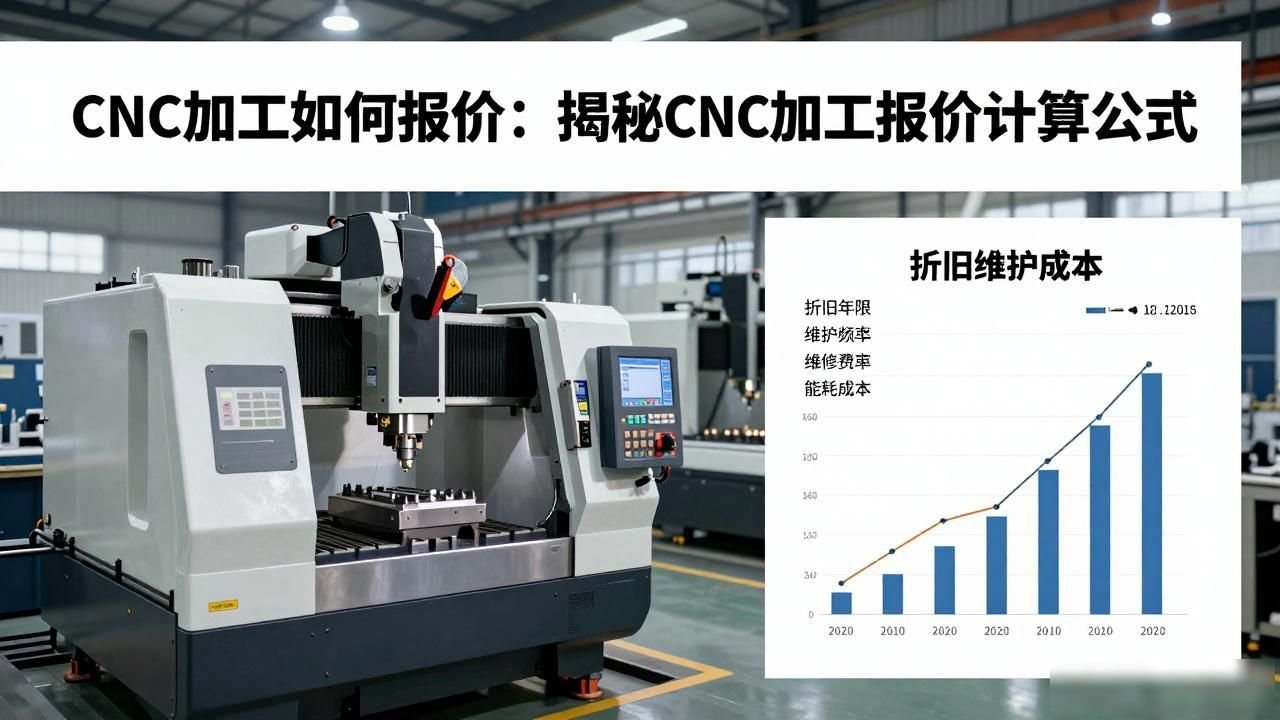
    The price of a machine tool with five-axis linkage function may reach millions. If the depreciation cost is allocated to each part, it is not a small amount of money. The expenses incurred in equipment maintenance, tool replacement, and coolant consumption are indeed hidden costs.

    When processing, the processing efficiency of different equipment shows great differences. Among them, the speed of old machine tools is relatively slow, while the efficiency of new equipment is very high, so the quotations of the two will naturally be different. When choosing a reliable processing factory, the condition of the equipment will have a direct impact on product quality and delivery time.

    Labor costs are an important component of the quotation

    Programmers need to design processing paths based on drawings. Those experienced programmers are more efficient and have lower scrap rates, but their wages are higher. The operator has to monitor the operation of the equipment and handle any abnormalities in a timely manner. These human costs must be taken into account.

    It is technical support personnel who are responsible for quality inspection and communication and feedback, and the time they have also falls into the cost category. In areas where the proportion of labor costs is high, generally speaking, the processing quotation will be increased according to the corresponding situation.

    Indirect costs affect final price

    CNC加工报价过程_精密零件加工报价影响因素_CNC加工报价计算公式

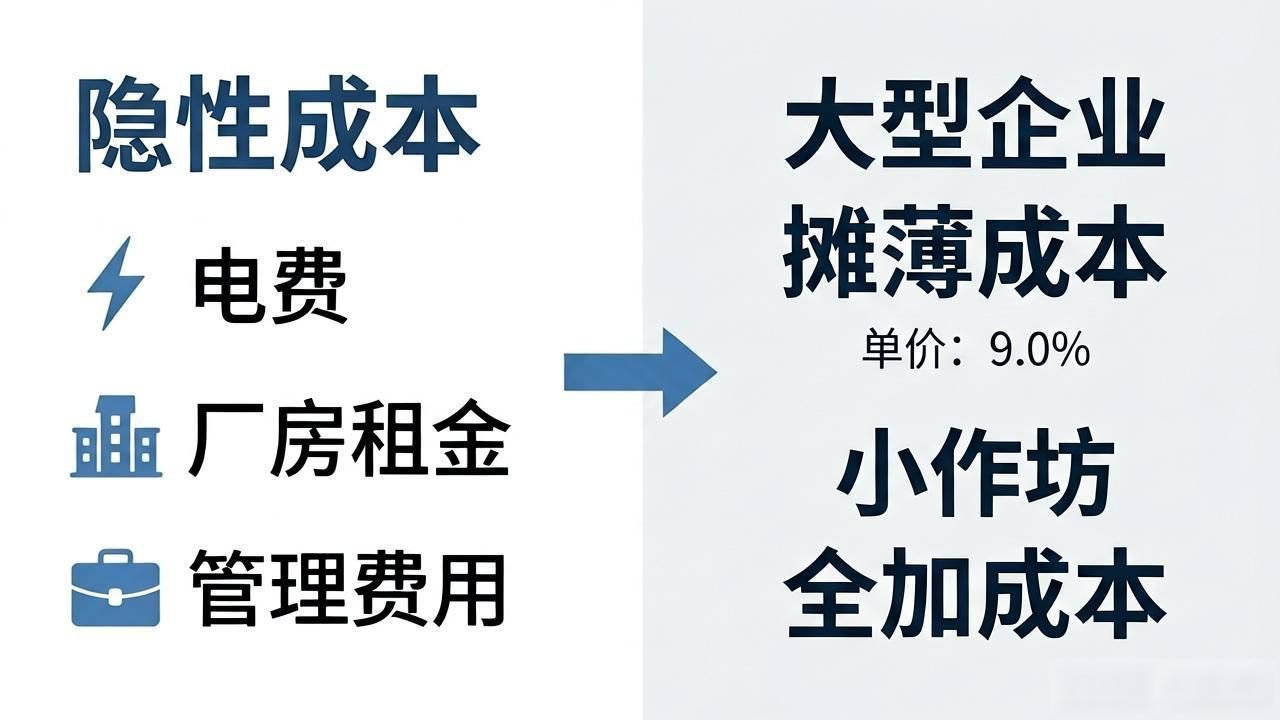
    Hidden costs include electricity charges, factory rent, and management fees. These costs will eventually be reflected in the quotation. Large enterprises have relatively low costs because they can dilute costs, while small workshops may add all these costs into the unit price.

    Take shipping and packaging costs into consideration. Precision parts require special packaging and additional protective measures are required for long-distance transportation, all of which will increase the total cost. Taxes are also a part of the quotation that cannot be ignored.

    Practical ways to optimize your quotes

    The key to reducing costs is to improve equipment utilization, rationally arrange production plans, and reduce tool changing and clamping time. In this way, the unit cost will naturally decrease. Optimizing the processing technology can also reduce processing time, such as using high-speed cutting to replace traditional processing.

    Through mass production, fixed costs can be diluted, so that the unit price will be more favorable. And through long-term cooperation with processing plants, we can usually obtain more stable prices. Furthermore, confirming the technical requirements in advance can prevent repeated modifications, which can also save time and money.

    When looking for precision parts processing quotations, have you encountered any unexpected situations? Feel free to share your experiences in the comment area.

  • [Love Science] I Know Gold, Silver, Copper, Iron And Other Metals, But This Is The First Time I Heard About Titanium. What Kind Of Metal Is It?

    [Love Science] I Know Gold, Silver, Copper, Iron And Other Metals, But This Is The First Time I Heard About Titanium. What Kind Of Metal Is It?

    [Love Science] I know gold, silver, copper, iron and other metals, but this is the first time I heard about titanium. What kind of metal is it?

    Many people have heard of gold, silver, copper and iron, but they know very little about titanium. This metal is lighter than steel and stronger than aluminum. It is called the metal of the future and holds an irreplaceable position in the aerospace and medical fields.

    Basic properties of titanium

    Titanium that has been refined without any remaining impurities shows a silvery white color, and its melting point can reach as high as 1668 degrees Celsius. Its density is only 57% of the density of steel, but its strength and hardness are the same as steel. At the same time, it has the strength of steel and the lightness of aluminum. It is a metal material with excellent performance in all aspects.

    Titanium has extremely excellent corrosion resistance and can withstand the erosion of various acids and alkalis at room temperature. It also has good plasticity and heat resistance. These characteristics enable titanium to maintain stable performance in extreme environments.

    钛的特性和应用_钛的发现历史_钛合金加工案例分析

    The discovery of titanium

    In 1795, the German chemist Klaplot discovered the element titanium from the red ore, and then named it after the Titans in Greek mythology. However, at that time, what was obtained was only titanium dioxide powder, not real titanium metal.

    钛的发现历史_钛合金加工案例分析_钛的特性和应用

    It was not until 1910 that the American chemist Hunter produced titanium metal with a purity of 99.9% for the first time, but the total amount was less than 1 gram. From the discovery of the element to the successful preparation of the metal, titanium has gone through more than a century of research.

    Titanium’s wide range of applications

    Since the 1950s, titanium has been widely used in aircraft manufacturing, rocket manufacturing, missile manufacturing, and ship manufacturing based on its excellent performance. These fields have extremely high requirements for the strength of materials, as well as extremely high requirements for the weight of materials, and titanium can precisely meet these needs.

    Titanium dioxide, when it exists as titanium oxide, is a white pigment. Only 1 gram can cover a wall of 450 square centimeters. In addition, it is also used as a filler in papermaking, making the paper both white and opaque. It is widely used in daily necessities.

    Memory effect of nickel titanium alloy

    In 1961, researchers in the United States accidentally discovered that nickel-titanium alloy wire could return to its original curved shape when heated. This shape memory effect is reproducible, allowing the alloy to remember and return to its original shape when the temperature increases.

    Due to this unique property, nickel-titanium alloys have been widely used in aerospace, automobile manufacturing, integrated circuits, and medical fields. Metal actually has memory. This discovery has subverted people's traditional understanding of materials.

    The future of titanium

    The earliest metals used by humans were copper and iron. From then on, titanium is expected to become another metal in the forefront of metal usage after the first two. Titanium has the characteristics of low density, high strength and corrosion resistance. With these advantages, titanium is irreplaceable and has unique and important value in the aerospace and medical fields.

    钛的发现历史_钛的特性和应用_钛合金加工案例分析

    With the progress of processing technology, the application scope of titanium continues to expand. Some experts predict that titanium will play an important role in more fields in the future and will become an indispensable key material in modern industry.

    Challenges of titanium alloy processing

    For titanium alloys, it is quite difficult to process, which requires the use of special processes and equipment. Titanium has poor thermal conductivity, which easily causes heat to accumulate during processing, which in turn causes severe tool wear. Its processing efficiency is relatively low.

    Under high temperature conditions, titanium easily reacts with oxygen, so it needs to be protected by inert gas during processing. Such various specific factors [Love Science] I know gold, silver, copper, iron and other metals, but this is the first time I heard about titanium. What kind of metal is it? , all of which have increased the complexity of titanium alloy processing and increased the cost, but it has also promoted the continued development and progress of related technologies.

    What actual experience do you have in titanium alloy processing, or what questions do you have? Welcome to share your personal opinions in the comment area.

  • Industrial People|Common Problems And Countermeasures In CNC Machining

    Industrial People|Common Problems And Countermeasures In CNC Machining

    Industrial People|Common problems and countermeasures in CNC machining

    Common causes of dimensional deviations

    During CNC machining, the dimensions of the workpiece are inaccurate, which is a problem that many factories often encounter. The reasons for this problem mainly include two dimensions. On the one hand, it is the thermal deformation of the machine tool, and on the other hand, it is caused by improper setting of processing parameters.

    Machine tools generate a large amount of heat during operation, causing machine tool components to expand due to heat. Such thermal deformation will have a direct impact on the machining accuracy, causing the workpiece size to deviate from the requirements specified in the drawing. Improper setting of processing parameters such as feed speed and cutting depth will also cause dimensional deviations.

    How to control thermal deformation

    Controlling thermal deformation of machine tools is indeed a key measure to solve dimensional deviations. Before formal processing, the machine tool must be preheated to promote the machine tool components to achieve a thermal equilibrium state. This is a common quality problem in CNC processing . This can reduce the impact of thermal deformation during the processing.

    CNC加工工件尺寸准确差原因及应对策略_CNC加工中常见的质量问题_表面光洁度差解决方法及刀具选择

    表面光洁度差解决方法及刀具选择_CNC加工中常见的质量问题_CNC加工工件尺寸准确差原因及应对策略

    At this time, you must pay attention to the ambient temperature of the workshop and maintain a constant temperature. This is a common quality problem in CNC machining . When the temperature is high in summer, ventilation in the workshop must be strengthened to cool down. When the temperature is low in winter, the machine tool must be prevented from being cold. Reasonable temperature control can effectively reduce dimensional errors caused by thermal deformation.

    How to adjust processing parameters

    The dimensional accuracy of the workpiece is directly affected by the setting of processing parameters. If the feed speed is too fast, the cutting force will increase, which will easily lead to dimensional deviation. If the cutting depth is set unreasonably, it will also cause dimensional instability.

    The processing parameters must be reasonably adjusted based on the workpiece material and tool status. For materials with higher hardness, the feed speed should be moderately reduced. The cutting depth must be determined according to the tool diameter and material characteristics. Efficiency must not be pursued blindly.

    The source of surface roughness

    表面光洁度差解决方法及刀具选择_CNC加工中常见的质量问题_CNC加工工件尺寸准确差原因及应对策略

    A common problem with CNC machining is that the surface finish is poor. There are two main reasons for this. One is that the tool is worn or the cutting edge is damaged, and the other is that the selection of cutting fluid is inappropriate.

    CNC加工中常见的质量问题_表面光洁度差解决方法及刀具选择_CNC加工工件尺寸准确差原因及应对策略

    After the tool wears, the cutting edge will become blunt, resulting in irregular cutting marks during cutting operations, resulting in a rough surface. Once the cutting edge is damaged, it will cause uneven cutting process and significantly reduce the surface quality. If the cutting fluid is chosen incorrectly, its lubrication and cooling effects will be poor, which will also affect the surface finish.

    表面光洁度差解决方法及刀具选择_CNC加工工件尺寸准确差原因及应对策略_CNC加工中常见的质量问题

    Tool management is important

    Regular inspection of tool status is a key measure to ensure surface quality. Once the tool is noticed to be worn or the cutting edge is damaged, it should be replaced immediately. You must not wait until the tool is completely scrapped before replacing it. This is a common quality problem in CNC machining . Otherwise, it will affect product quality.

    After replacing the tool, it is necessary to calibrate the tool again to ensure the accuracy of the machining. At the same time, pay attention to the storage condition of the tool to prevent damage to the cutting edge due to collision. Good tool management can significantly improve the surface quality of the workpiece.

    How to choose cutting fluid

    The choice of cutting fluid is determined based on the processing materials and process requirements. Different material types require different cutting fluids. The concentration and flow rate of the cutting fluid must also be well controlled.

    CNC加工工件尺寸准确差原因及应对策略_表面光洁度差解决方法及刀具选择_CNC加工中常见的质量问题

    If the concentration of cutting fluid is too low, its lubrication effect will be poor, which will cause the surface to become rough. If the concentration is too high, it will not only increase the cost, but may even affect the processing effect. The cutting fluid ratio must be adjusted according to the actual situation to ensure processing quality.

    CNC加工工件尺寸准确差原因及应对策略_CNC加工中常见的质量问题_表面光洁度差解决方法及刀具选择

    How to avoid big and small heads

    Generally speaking, the workpiece shows a large or small head due to uneven distribution of cutting force or wear of the tool. The cutting force is in an unbalanced state, which will cause the workpiece to be displaced during the machining process, resulting in inconsistent dimensions.

    表面光洁度差解决方法及刀具选择_CNC加工中常见的质量问题_CNC加工工件尺寸准确差原因及应对策略

    When the tool wear becomes uneven, the cutting force will also change accordingly, causing the workpiece size to be in an unstable state. The solution to this problem is to check the wear of the tools and replace the worn tools in time. At the same time, the clamping method needs to be adjusted to ensure that the force on the workpiece is uniform.

    What to do if the size is unstable

    The size of the workpiece is sometimes large and sometimes small, which may be caused by uneven tool wear. The tool is in different parts, and its degree of wear is different. This difference will cause the cutting force to be unevenly distributed, which will affect the dimensional stability, and ultimately cause the size of the workpiece to be larger and smaller.

    CNC加工中常见的质量问题_CNC加工工件尺寸准确差原因及应对策略_表面光洁度差解决方法及刀具选择

    表面光洁度差解决方法及刀具选择_CNC加工工件尺寸准确差原因及应对策略_CNC加工中常见的质量问题

    If you check the wear of the cutting tool, once it is found that the wear is not uniform Industrial People | Common Problems and Countermeasures in CNC Machining, it should be replaced in a timely manner. At the same time, check the fastening status of each component of the machine tool to ensure that there will be no loosening during processing. A stable processing environment is the foundation for ensuring dimensional consistency.

    The strength of Shenzhen industrial people

    People engaged in industry in Shenzhen have rich experience in the field of CNC machining, and these experiences are their own. The CNC machine it operates is mainly used to process metal parts and perform rapid mold processing operations. The processed materials include a variety of categories such as 45 steel, aluminum alloy, 7075 aluminum alloy, zinc alloy, magnesium alloy, and brass.

    CNC加工中常见的质量问题_CNC加工工件尺寸准确差原因及应对策略_表面光洁度差解决方法及刀具选择

    They use excavation methods, cutting methods, and use special milling cutters for processing. According to the 3D data drawings provided by the customer, and with the help of the milling part of the NC rapid prototyping method, the metal block sheets are processed into a pair of metal samples that conform to the drawings and a small number of components and parts. They provide services such as customization when making a small number of copies, and manufacturing and production with reference to the drawings.

    CNC加工中常见的质量问题_CNC加工工件尺寸准确差原因及应对策略_表面光洁度差解决方法及刀具选择

    What kind of quality problems have you encountered during CNC machining? Welcome to share your relevant experiences in the comment area. If you think this article is helpful to you, don't forget to like and share it!

  • Introduction To EH36 Steel Plate For Ships And Marine Engineering

    Introduction To EH36 Steel Plate For Ships And Marine Engineering

    Introduction to EH36 Steel Plate for Ships and Marine Engineering

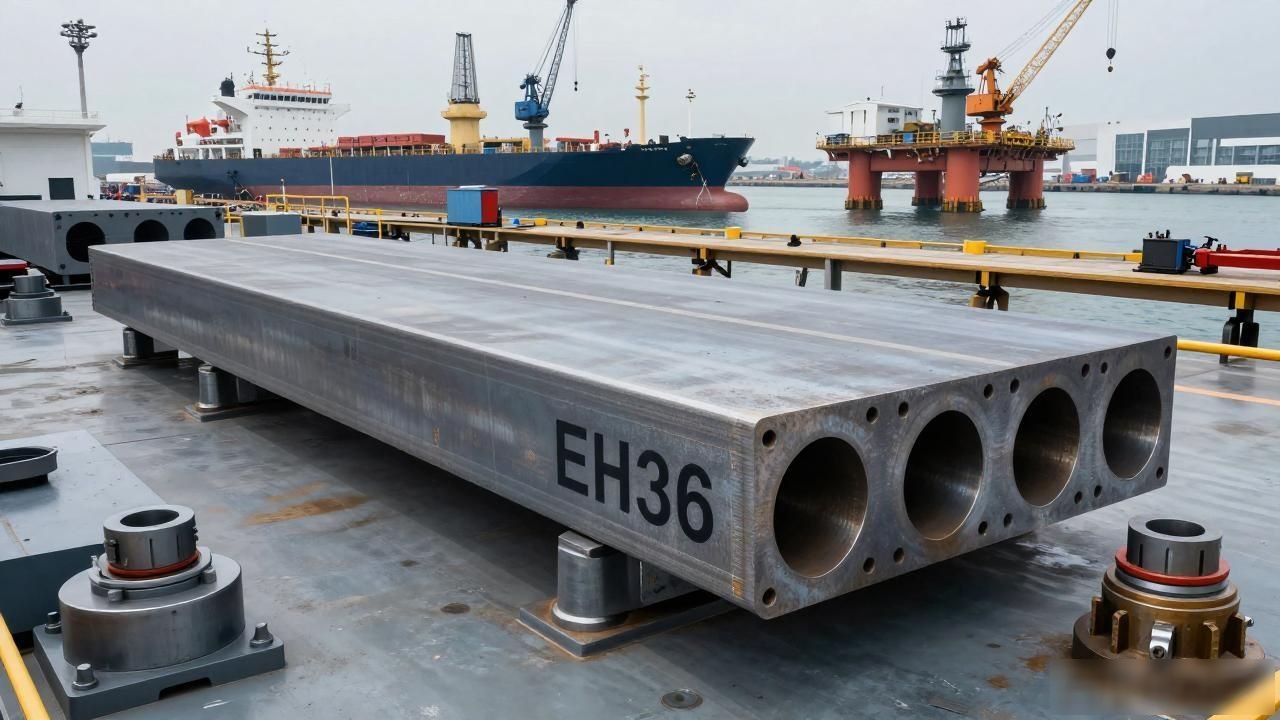
    Material EH36 steel plate is an important steel plate for ships and ocean engineering in the fields of marine engineering and shipbuilding. Introduction to EH36, its thickness ranges from 8 mm to 150 mm thick marine plate (AH36) professional riveting and welding. The stock is abundant and can be cut according to the given drawings or mass customized. What many engineers pay most attention to during material selection is the speed of delivery and the degree of matching of specifications. Steel plates made of this material can achieve these two points.

    Basic definition of EH36 steel plate

    EH36 belongs to the steel plate for marine engineering equipment and ships. It is specially designed for large linear energy welding environment. The standard it implements is GB/T712, where GB represents the national standard, T means recommendation, and 712 is the production number in the steel plate implementation standard. This standard system is widely used in the domestic steel industry and is an important reference when purchasing.

    Such steel plates can be certified by nine major classification societies, including CCS, DNV Det Norske Veritas, GL Deutsche Veritas, LR Lloyds Register, BV France, NK Japan, KR Korea, RINA, and ABS. This means that the products can be exported to all major shipping markets around the world, and their scope of application is extremely wide.

    Practical application of EH36 steel plate

    EH36钢板厚度8-150mm现货_船用厚板(AH36)专业铆焊_EH36钢板船级社认证GB/T712

    船用厚板(AH36)专业铆焊_EH36钢板厚度8-150mm现货_EH36钢板船级社认证GB/T712

    EH36 steel plates are mainly used in the fields of shipbuilding and engineering machinery, which involve several different components such as ship machinery, port machinery, decks, and offshore platform leg piles, brackets, marine cranes, hangers, and bearing seats. These application scenarios have relatively high requirements for the toughness and strength of materials, and EH36 is just right.

    It is a high-strength hull structural steel. The EH36 series has good comprehensive mechanical properties, as well as welding performance and process performance. It is suitable for the hull structure of ocean-going ships, and is also suitable for the hull structure of ships in coastal and inland navigation areas. It is also used for dock structural parts, oil production platform structural parts, marine pipeline structural parts, coastal power plant structural parts, and dock facility structural parts. Enterprises generally order it as special steel, and also use it as special steel for layout and production. It is also sold as special steel.

    Performance advantages of EH36 steel plate

    EH36 steel plate has high strength, it has excellent toughness, it has excellent fatigue resistance, it has excellent impact resistance, it has excellent corrosion resistance. At the same time, it has good weather resistance and is easy to weld and process. These comprehensive properties make it highly valued by manufacturing users. As applications become more and more frequent, manufacturers continue to optimize the material of marine thick plates (AH36) for professional riveting welding , resulting in EH36 gradually becoming one of the commonly used steel plate grades in the domestic market.

    After long-term use, the performance of EH36 is stable and reliable. Especially under the specific conditions of the marine environment, its ability to resist corrosion and impact has been comprehensively and fully verified. The acceptance reports generated by many engineering projects clearly show that the service life of structural parts made of EH36 steel plates is significantly superior to that of ordinary steel. And this situation has become the key reason why it can continue to maintain its popularity.

    Dimensions and specifications of EH36 steel plate

    The thickness of EH36 steel plate ranges from 8 mm to 150 mm, the width is usually in the range of 2000 to 2500 mm, and the length starts from 10000 mm and ends at 13005 mm. There are slight differences in the specifications corresponding to different thicknesses . Marine thick plates (AH36) are professionally riveted and welded , such as 8 mm thick steel plates. The width ranges from 2000 to 2500 mm, and the length can reach 10000 to 12500 mm.

    As the thickness continues to increase, the length and width of the steel plate will be adjusted accordingly. The length of a steel plate with a thickness of more than 50 mm is generally between 10,000 and 11,300 mm. However, the length of a 100 mm thick steel plate can reach more than 12,000 mm. These specifications cover most engineering needs, and users can make flexible choices based on actual drawing requirements, which is no problem.

    Custom cutting and futures services

    船用厚板(AH36)专业铆焊_EH36钢板船级社认证GB/T712_EH36钢板厚度8-150mm现货

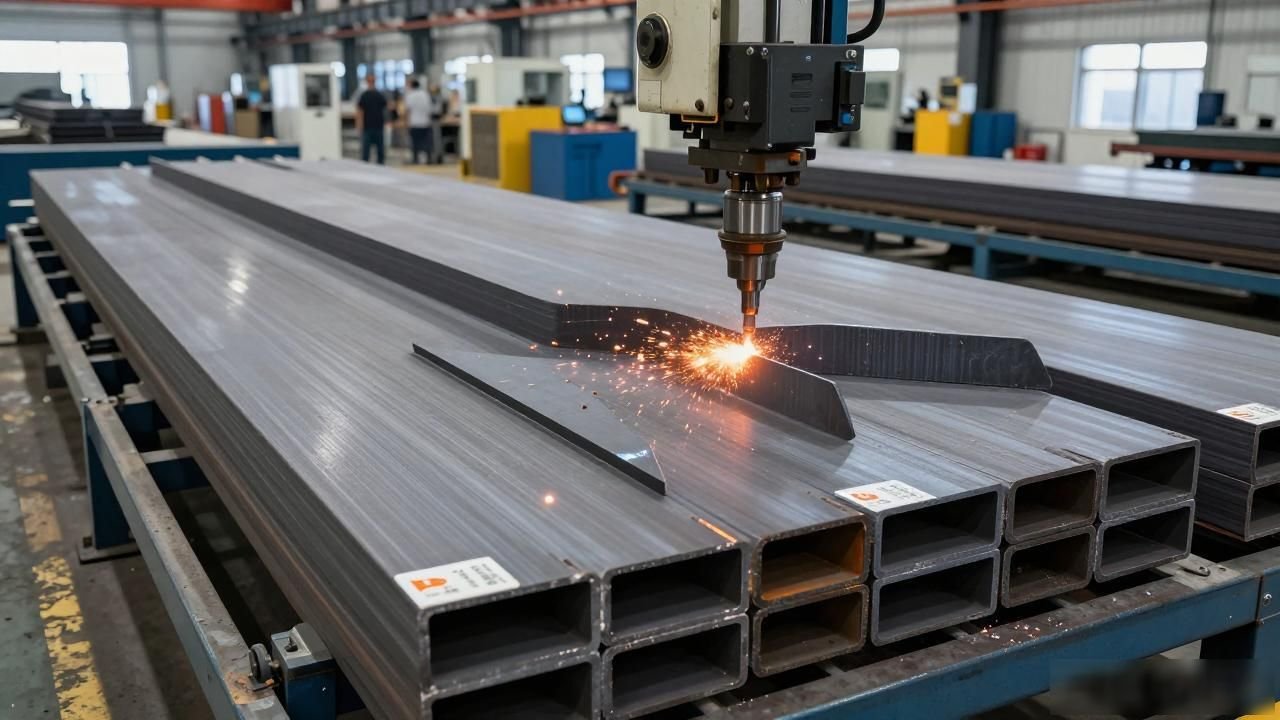
    For customers with special size requirements, EH36 steel plates can be cut and blanked according to the drawings. Whether it is a complex situation like a special-shaped part or a plate of a specific length, the manufacturer can carry out precise processing based on the technical drawings provided by the customer, thus reducing the cost and time involved in subsequent secondary cutting.

    In addition to spot supply, the manufacturer also provides small batch futures customization services, which means that customers can place orders in advance according to the production plan, and the manufacturer will deliver materials of specified specifications at the agreed time. This model is particularly suitable for companies with long-term supply needs, which can effectively reduce inventory burdens and ensure the stability of material supply.

    Suggestions for purchasing EH36 steel plates

    When purchasing EH36 steel plates, the first thing to do is to confirm the required thickness specifications, the required width specifications, and the required length specifications, and confirm whether classification society certification is required. If it is used for export projects, it should be clear in advance what the requirements of the classification society corresponding to the target market are. This will facilitate the manufacturer to make corresponding preparations during the production process, and it will also facilitate the preparation for the inspection process.

    EH36钢板船级社认证GB/T712_船用厚板(AH36)专业铆焊_EH36钢板厚度8-150mm现货

    Secondly, you need to know the specific details of the delivery cycle and customized services. Spot goods generally ship faster, while custom-made products require a certain production cycle. It is recommended to have smooth and clear communication with the manufacturer in advance on technical parameters, inspection standards and delivery time, so as to ensure that the product meets the standards required by the project. What key factors do you pay most attention to when selecting EH36 steel plates? You are welcome to share your own experience in the comment area.

  • ①It Should Be Able To Ensure The Accuracy And Precision Of The Workpiece Being Processed.

    ①It Should Be Able To Ensure The Accuracy And Precision Of The Workpiece Being Processed.

    ①It should be able to ensure the accuracy and precision of the workpiece being processed.

    How much will be lost if maintenance is not done properly?

    Many factory owners think that as long as the CNC milling machine tool can run, this is a very wrong idea. Decreased accuracy of CNC machine tools often begins with neglect of routine maintenance. By the time it is discovered that the machining dimensions of parts do not meet standards, it has already resulted in a large amount of scrap and material waste.

    For a milling machine tool with an accuracy of 0.01 mm, once the guide rails and screws lack lubrication for a relatively long period of time, the accuracy may be reduced to more than 0.03 mm within half a year. This will lead to a decrease in the product qualification rate, an increase in rework costs, and even an impact on the delivery schedule of the entire production line.

    Daily must-do checks

    Before starting the machine every day, the operator has to check the oil level of the lubricating oil tank to see if it meets the standard, and to see if the oil is clear and free of impurities. If you find that the oil level is lower than the minimum mark, you must replenish the specified lubricant type in time, and you must not mix different brands of lubricants at will.

    Checking the coolant concentration and checking the coolant level are also tasks that must be done every day. If there is not enough coolant, the life of the tool will be greatly shortened, and the quality of the workpiece surface will also deteriorate. However, if the concentration of the coolant is too low, the anti-rust effect will be reduced, and the metal parts inside the machine tool will easily rust and be corroded, thus affecting the life of the machine tool.

    Key maintenance contents every week

    CNC铣削机床日常保养_数控铣加工_数控加工G代码

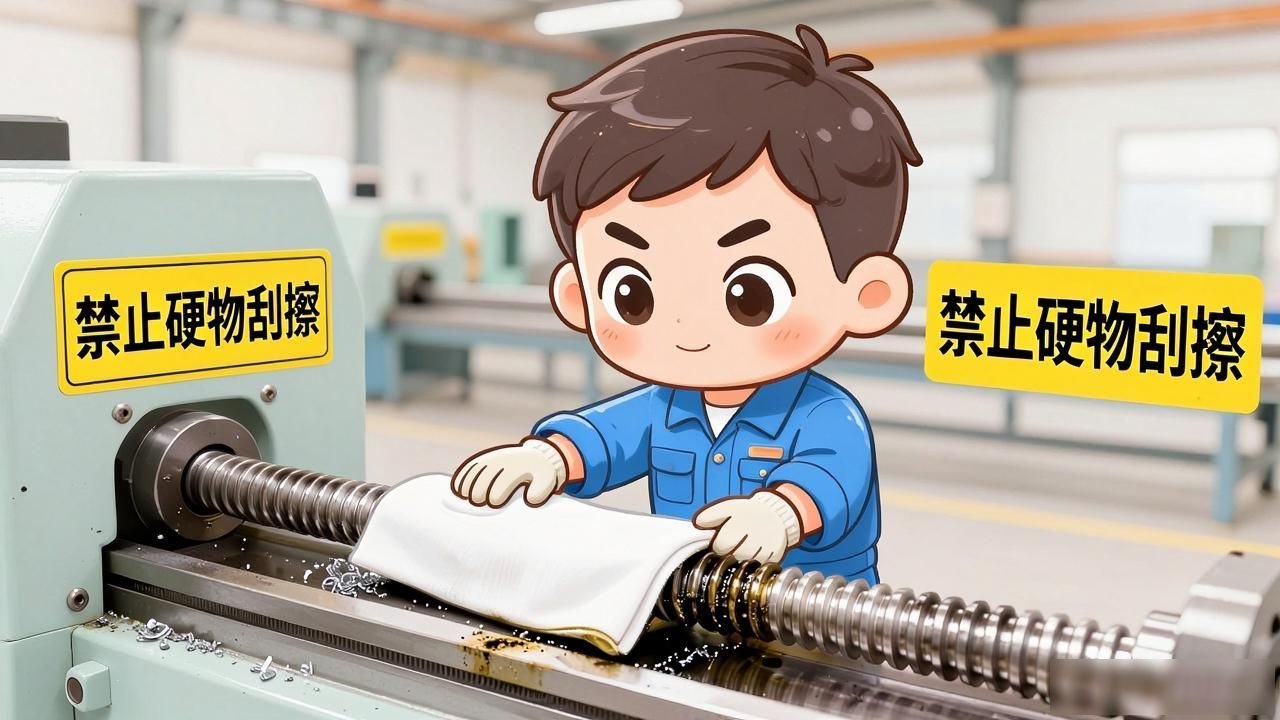
    Every week, a thorough cleaning of the machine tool guide rails and screws must be carried out. The accumulated metal shavings and old oil must be wiped off with a clean cotton cloth. During the cleaning process, do not use hard objects to scratch the surface of the guide rail, otherwise it will leave scratches and affect the sliding accuracy. This is a mistake that many novices easily make.

    Check whether the limit switches and travel stops of each axis are loose or displaced. If any abnormalities are found, make adjustments quickly until they are firmly fixed. At the same time, the chip accumulation inside the machine tool must be cleaned up, especially the chips surrounding the tool magazine and tool change mechanism. These residual metal chips will definitely affect the accuracy of the tool change action.

    Monthly in-depth maintenance points

    It is necessary to inspect the contact surface of the spindle taper hole and the tool shank every month, and use special cleaning agents to remove oil stains and tiny burrs. If the spindle taper hole is damaged or contaminated, the tool clamping will not be firm enough, resulting in vibration and jump during processing, which will have a direct impact on the processing accuracy and surface quality.

    Check whether the filter of the electrical cabinet fan is clogged and clean it to avoid poor heat dissipation. If an electrical component overheats, its service life will be shortened, or even a fault alarm will be triggered and the system shut down. At the same time, check each connecting cable for aging and damage. Once a hidden danger is detected, replace it immediately.

    Quarterly maintenance cannot be ignored

    Lubricating oil and coolant must be replaced every three months. If old oil is used, it will lose its lubrication performance and produce acidic substances to corrode the machine tool. When replacing, completely drain the old oil in the oil tank and oil circuit, wait until it is flushed with new oil, and then add new lubricating oil to ensure that the oil circuit is in a clean state.

    Check whether the machine tool level needs to be readjusted. Long-term operation may cause the anchor bolts to loosen. Use a precision level to check the level of the table. If the deviation exceeds 0.02 mm per meter, it must be leveled again. Otherwise, the machining accuracy and tool life will be affected.

    Establishing maintenance records is critical

    It is strongly recommended that every CNC milling machine tool should prepare a maintenance record book. The time of each maintenance must be recorded in detail. The content of maintenance also needs to be recorded in detail. Any problems found must also be clearly recorded. Doing so can not only help operators develop standardized habits, but also become a source of important troubleshooting clues when a fault occurs.

    It is necessary to indicate the model of the replaced parts and the brand of maintenance products in the record book to facilitate subsequent procurement and traceability. It is necessary to review maintenance-related records regularly and analyze the patterns of faults. Based on this, potential problems can be discovered in advance, and the maintenance status can be changed from passive response to proactive prevention.

    In your factory, what are the maintenance records for CNC machine tools? Have you ever suffered losses due to improper maintenance work? You are welcome to share your relevant experience in the comment area.

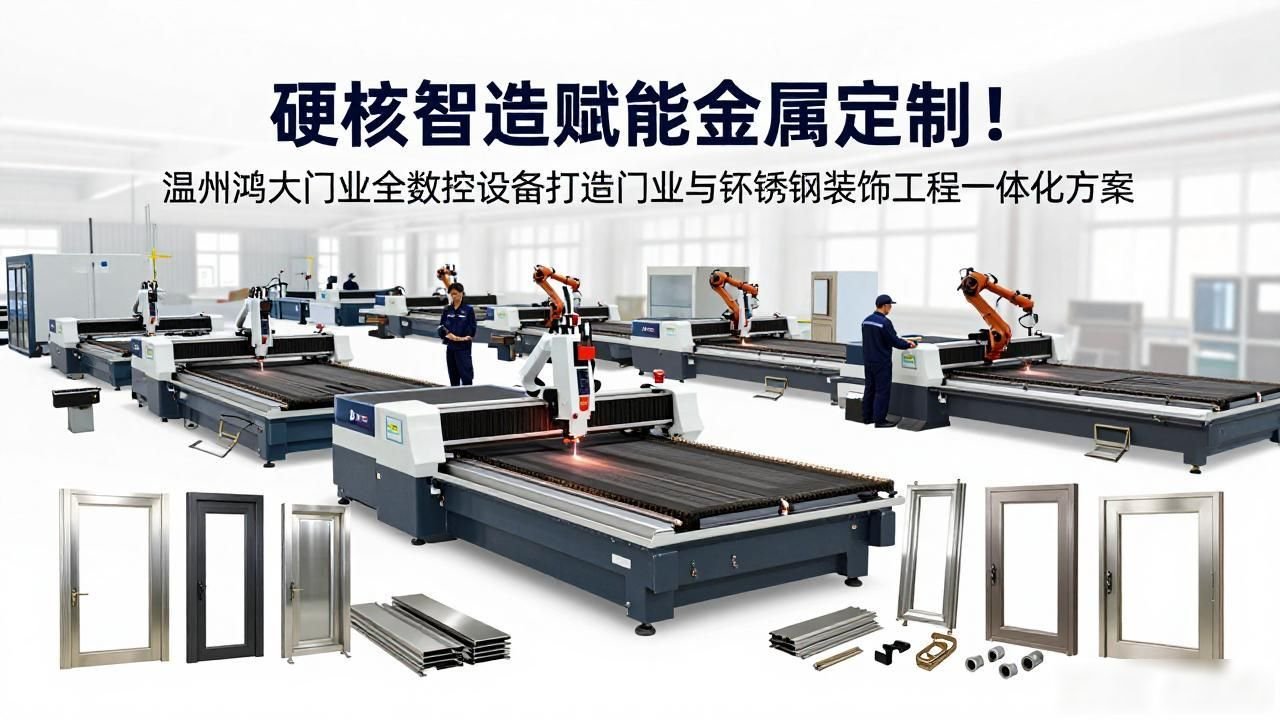
  • Hard-core Intelligent Manufacturing Empowers Metal Customization! Wenzhou Hongmen Industry's Full CNC Equipment Creates An Integrated Solution For The Door Industry And Stainless Steel Decoration Engineering

    Hard-core Intelligent Manufacturing Empowers Metal Customization! Wenzhou Hongmen Industry's Full CNC Equipment Creates An Integrated Solution For The Door Industry And Stainless Steel Decoration Engineering

    Hard-core intelligent manufacturing empowers metal customization! Wenzhou Hongmen Industry's full CNC equipment creates an integrated solution for the door industry and stainless steel decoration engineering

    Article title

    Wenzhou stainless steel sheet metal processing manufacturer with a history of 30 years is an old factory that can provide one-stop customized services for villa copper doors and hotel decoration.

    Article text

    There is a factory that makes metal products. It has been around for thirty years and is an old factory. However, many people are still looking for small workshops. In fact, the source factory is the most cost-effective option.

    Why has the old factory been established for 30 years?

    Wenzhou Hongdamen Industry was founded in 1987 and has been deeply involved in the metal manufacturing industry for 37 years. Thirty-seven years is a lot of money. It can survive and grow bigger and bigger because of its solid product quality and reputation accumulation.

    This factory located in Wenzhou is equipped with a complete set of modern sheet metal welding equipment. Starting from panel cutting, followed by CNC bending, then laser cutting and laser welding, this entire automated production line is processed independently. It is neither outsourced nor transferred to others, so that the control of quality will be more stable.

    不锈钢钣金加工厂家_彩色不锈钢装饰板材_高端定制门

    Two product systems cover the needs of all scenarios

    The core products of Hongmen Door Industry are divided into two major systems. One is high-end customized doors, and the other is colored stainless steel decorative plates. High-end customized doors cover residential unit doors, copper doors, and cast aluminum doors, including metal awnings, and elevator door covers, etc., and are suitable for villas, hotels, and office buildings.

    We provide stainless steel decorative plates with sand surface, mirror surface, titanium gold, rose gold, sapphire and other processes, and can be embossed and etched. This set of plates is mainly used for overall metal finishing projects in commercial complexes, boutique hotels, and large flat-floor residences.

    Special-shaped and non-standard products can also be made according to the drawings and samples, and the mold can be opened

    Many small workshops can only undertake orders for standard parts, but the technical team of Hongmen Door Industry has the ability to undertake all kinds of special-shaped and non-standard metal products. As long as the customer provides drawings or samples, the factory can open molds for customization, and the precision requirements are very high. Hard-core intelligent manufacturing enables metal customization! Wenzhou Hongmen Door Industry's full CNC equipment creates an integrated solution for the door industry and stainless steel decoration engineering, with a stable structure.

    For home decoration and industrial decoration projects, this ability is very critical. Some villa owners hope to have a unique entrance door shape, and some hotels require special decorative panels that meet the scale and have patterns. The direct connection is done by the source factory, eliminating the need for intermediate links, and the cost will be lower.

    From survey to after-sales service, the whole process is seamless

    The service process of Hongda Door Industry starts with an on-site survey in the early stage. Afterwards, the designers will customize an exclusive plan one-on-one based on the on-site conditions. There are multiple quality inspections in the production process to check the process details to ensure that the finished products meet the standards.

    不锈钢钣金加工厂家_高端定制门_彩色不锈钢装饰板材

    After completing the work, the stainless steel sheet metal processing manufacturers will also provide free installation guidance and long-term after-sales maintenance. Such a complete service chain makes many decoration companies and real estate companies stainless steel sheet metal processing manufacturers willing to carry out long-term cooperation, and batch construction projects and private purchase orders can be stably delivered.

    Cooperating customers are spread across two major fields: home decoration and industrial decoration.

    In the field of home decoration, owners of self-built houses and single-family villas in rural areas will choose customized copper doors and cast aluminum doors, and then match them with metal decorative cabinets and TV cabinets to create an overall high-end and grand effect. In the field of tooling, star hotels, buildings in commercial complexes, and municipal facility renovation projects are all on their customer list.

    The factory has established long-term strategic cooperative relationships with many decoration and building materials companies and real estate companies across the country. This cooperation model allows both parties to obtain stable supply channels and reasonable price advantages, thereby reducing procurement risks.

    In the future, we will continue to explore the metal customization manufacturing track.

    Focusing on Wenzhou and expanding to the national market, Hongda Door Industry plans to continuously update processing equipment and optimize metal surface treatment processes. The company adheres to the concept of manufacturing doors with care and operating with integrity, with the goal of providing more customers with safe, beautiful, and stable-quality metal customization solutions.

    Competition in the field of metal products is becoming increasingly fierce, but source factories with real technology, equipment, and experience have always been scarce. It is more worry-free to choose a reliable and older manufacturer than to look for a small and low-priced workshop.

    Do you think it would be more cost-effective to choose a customized copper door or a cast aluminum door when purchasing a villa door? You are welcome to leave a message in the comment area to discuss. If you find it useful, remember to like it and forward it to friends in need.