

What are the differences, effects, and usage methods between stainless steel pickling passivation paste and stainless steel pickling passivation liquid?
When stainless steel is processed, a layer of oxide scale or welding spots often appear on the surface. These things not only make the product look gray, but also reduce the anti-rust ability. Many factories have a headache because of this. It is not clear whether to choose a paste cleaner or a liquid cleaner. If you choose the wrong one, it will not only waste money but also delay the construction period.
Paste or liquid form determines usage
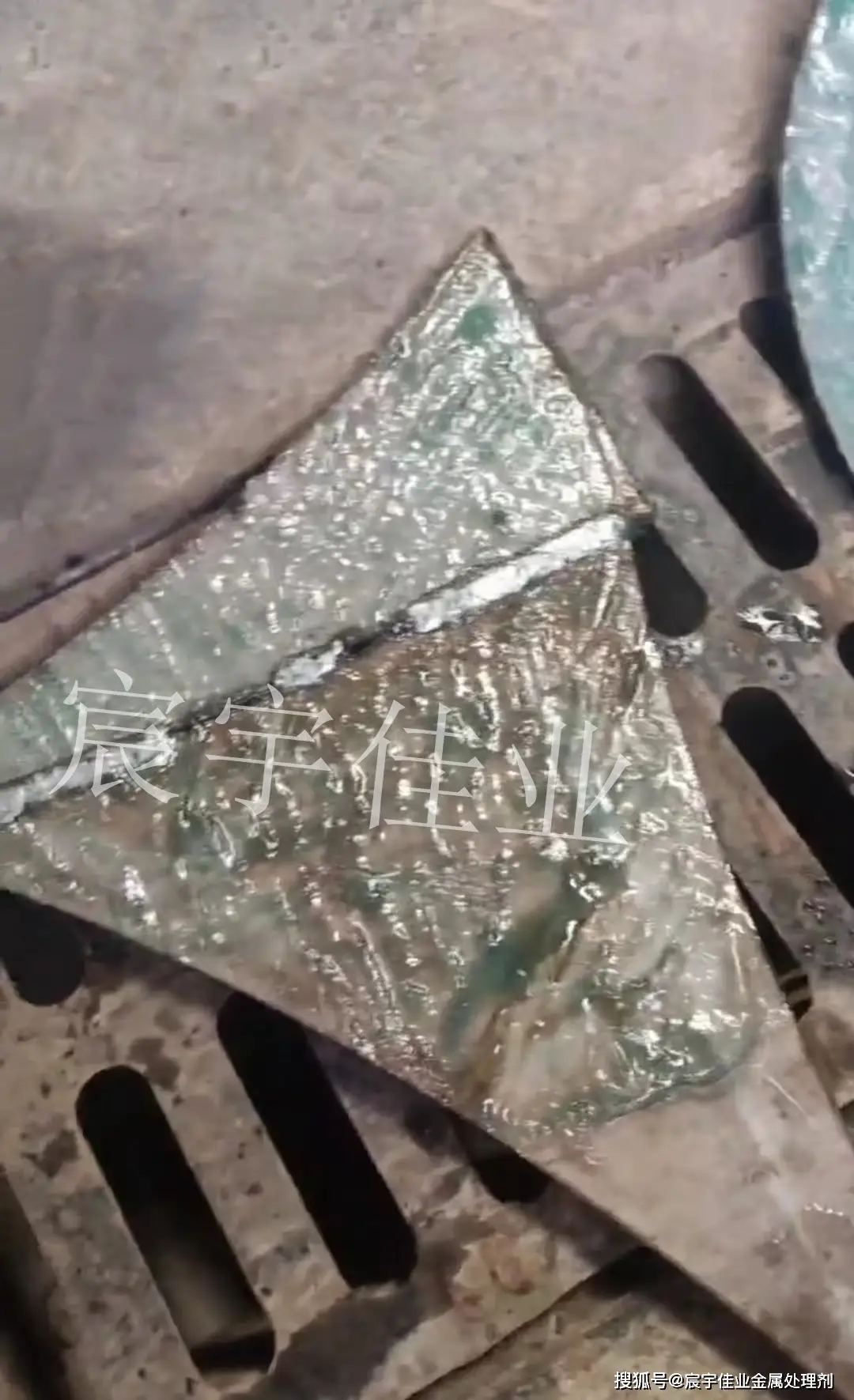
There is a semi-solid substance called stainless steel pickling passivation paste. Its consistency is similar to toothpaste. Its ingredients include strong acid, nitric acid and oxides, and it also adds corrosion inhibitors and surfactants. This viscous design allows the paste to be firmly adsorbed on the metal surface. Ability, even if it is applied on a vertically placed tank, it will not flow away. In 2025, when a container factory in Guangdong processed the welds of 2-meter-high storage tanks, the method used was to use this paste to construct the facade for 40 minutes. This was the case.
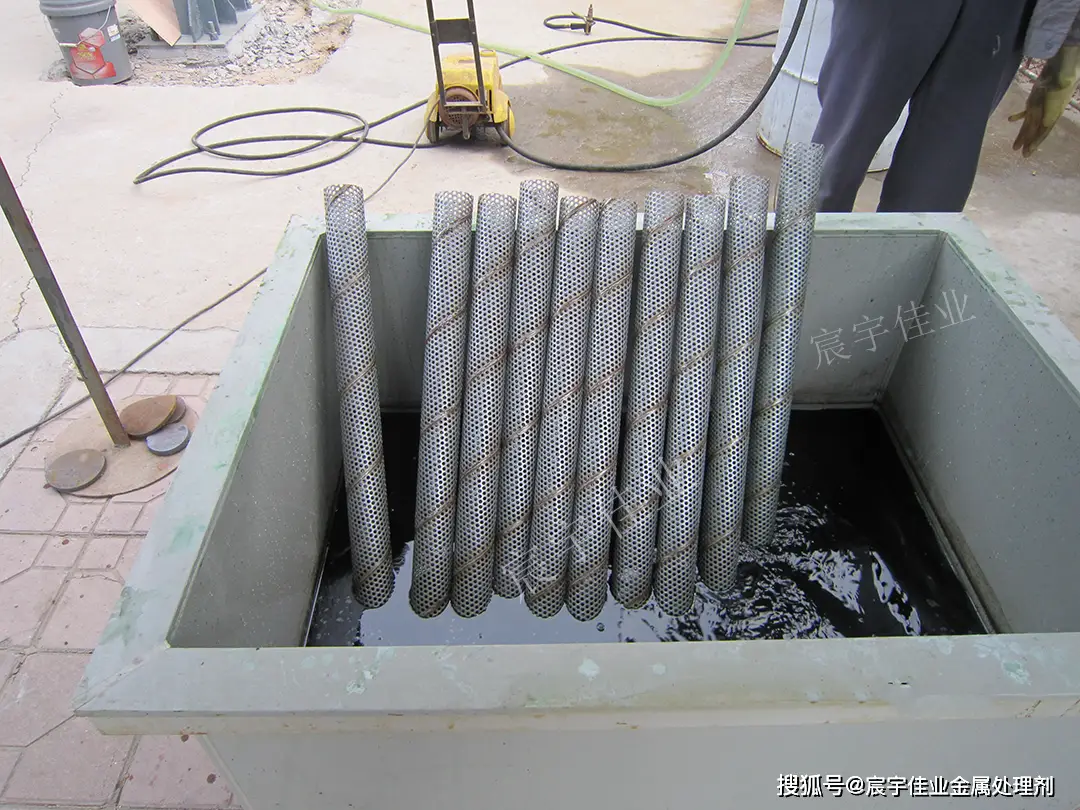
The completely flowing liquid is the pickling passivation liquid. It mainly contains nitric acid and phosphoric acid. It has strong fluidity and will level quickly once it is poured on the workpiece. There is a hardware factory in Zhejiang that processes 5,000 small parts every day. They put the parts into the mesh basket and directly soak them in the liquid. A batch can be completed in just 10 minutes. This liquid form is suitable for quickly covering a large area, but when used on a facade, it is prone to loss and waste.
Selecting a paste for local treatment saves material and is accurate
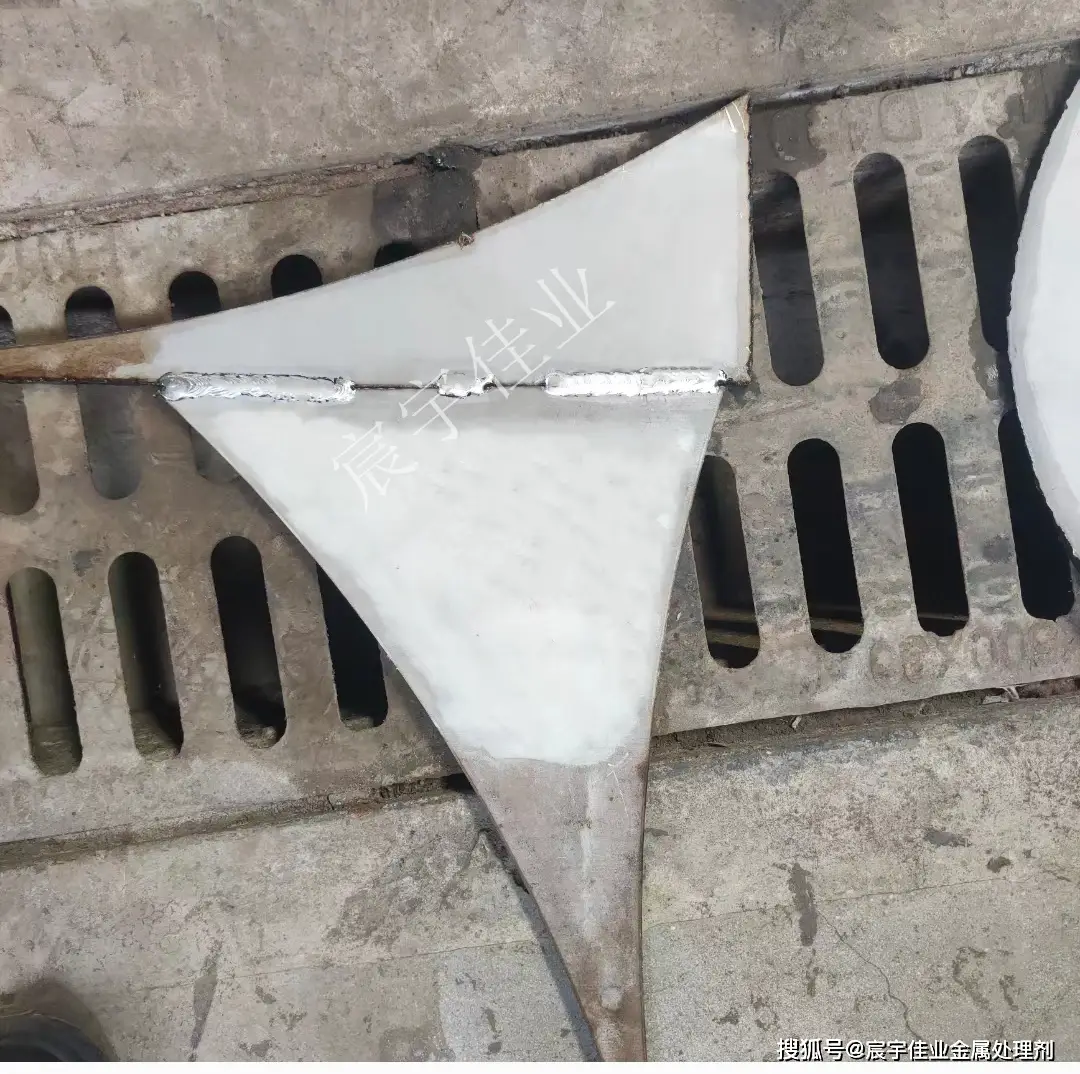
For large equipment, or where only welds have to be treated, paste is the best choice. In January 2026, a pressure vessel factory in Jiangsu received an order for a reactor with a diameter of 3 meters. Among the entire equipment, only the circumferential weld needs to be processed. If it is completely soaked, 10 tons of pickling liquid will be needed. The worker only used 2 kilograms of pickling passivation paste, applied it to the weld, and then waited for 25 minutes. After rinsing, the color of the weld and the base material were completely the same.

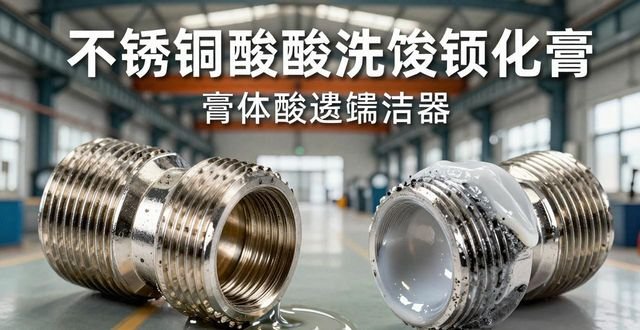
The paste can penetrate into tiny gaps, and it is difficult for liquid to stay in front of complex structures such as threaded interfaces and flange sealing surfaces. A pipe fitting factory in Shandong has done relevant tests and used liquid to treat threaded joints. Due to the loss of liquid, the cleaning cannot be thorough. After using paste instead, the paste can fill the thread grooves, and all the black-gray oxide scale can be dissolved after leaving it alone for 30 minutes.
Liquid efficiency doubled for batch production
When small parts are processed in large quantities, the advantages of pickling passivation liquid are highlighted. There is a sanitary ware company in Fujian that produces 80,000 stainless steel faucet accessories every month. This company uses a pickling and passivation solution soaking process. The specific method is to first put the accessories into a plastic basket, soak them for 15 minutes, and then lift them out for flushing. In the entire process, each batch processes 200 parts, and 40 batches can be completed every day.
The spraying method is suitable for assembly line operations. An auto parts factory in Anhui has introduced an automatic spray line. The workpiece passes through the spray chamber on the conveyor belt. The pickling passivation liquid evenly covers its surface through the nozzle. Because the liquid continues to flow, the reaction time is only 8 minutes. Compared with manual application of paste, the daily processing capacity of this production line has increased from 500 to 3,000 pieces, and labor costs have been reduced by 70%.
Large difference in reaction time, attention to control
Due to the high viscosity of the pickling passivation paste, the liquid stays on the surface for a long time and the reaction is quite sufficient. It usually takes 15 to 40 minutes to rest, depending on the thickness of the scale. At the end of 2025, a shipyard in Guangxi was processing marine steel plates. At that time, the winter temperature was only 5 degrees. The factory extended the standing time of the paste to 60 minutes to achieve the effect. Operators should check with pH test paper to ensure that there is no residual acid on the surface.
For the pickling passivation solution, the reaction speed is faster. The soaking process generally takes 10 to 30 minutes to complete. The spray method can even show effects within 5 to 8 minutes due to the continuous updating of the solution. However, it should be noted that the temperature conditions of the liquid will affect the reaction efficiency. When a company in Hunan is used in winter, the liquid temperature is lower than 10 degrees, resulting in uneven passivation film. Then they installed a heating pipe in the tank and adjusted the temperature between 25 and 35 degrees, thus solving the problem smoothly.
Vertical surface construction paste is the only option
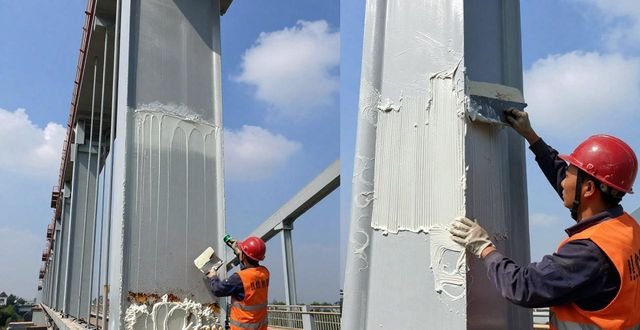
When processing large vertical storage tanks, reaction towers or bridge structures, vertical surface construction becomes the biggest problem. As long as the pickling passivation solution is applied, it will flow downward. What are the differences, effects, and usage methods of stainless steel pickling passivation paste and stainless steel pickling passivation solution? As a result, the top will disappear soon after. There was liquid medicine, but excessive accumulation at the bottom caused excessive corrosion. In 2024, a renovation project of a stainless steel bridge in Sichuan encountered this problem. The construction team switched to pickling passivation paste and used a scraper to apply it to the surface of the bridge tower for stainless steel processing and anti-rust treatment . The paste adhered firmly like putty.
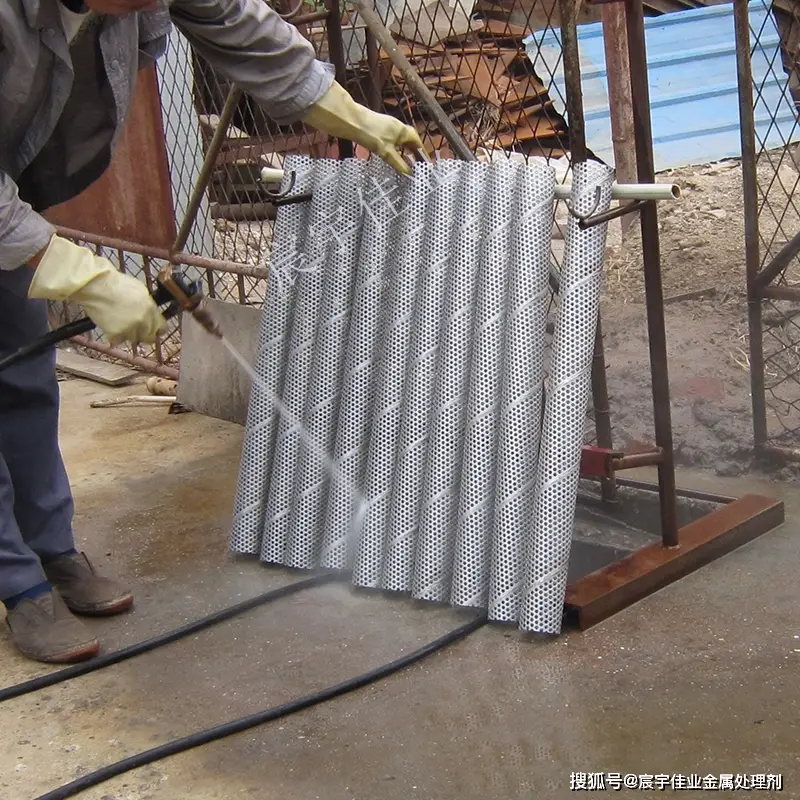
One advantage is that the thickness of paste construction can be controlled. Workers can use toothed scrapers to scrape out a uniform coating with a thickness of 2 to 3 mm. Compared with liquid spraying, it is easier to ensure consistency. There is a chemical equipment factory in Guangdong. What they were dealing with was a 30-meter-high distillation tower. There were more than 200 welds in the tower. They used paste to treat it section by section. They applied the paste to each weld separately and rinsed it after an interval of 40 minutes. Finally, all of them met the qualified standard at one time.
Cost accounting looks at single usage and comprehensive expenditures
In terms of single purchase price, pickling passivation solution is about 30% cheaper per kilogram than paste. However, the situation is different if comprehensive costs are calculated. A heat exchanger factory in Tianjin once made a comparison. When treating a tube sheet surface with an area of 2 square meters, 5 kg of liquid needs to be sprayed, and the loss of liquid is very serious. When using paste for treatment, only 1.5 kilograms need to be applied. Although the unit price is a little more expensive, the total material cost is reduced by 20%.
The paste needs to be applied manually, and the smoothing of the paste also requires manual labor. A skilled worker can only process 10 square meters per hour, and labor costs must be included. Liquid immersion or spraying can achieve semi-automatic stainless steel processing and anti-rust treatment , and one person can operate multiple tanks at the same time. A medical device factory in Beijing processes small parts. After being soaked in liquid, workers are only responsible for loading and unloading. Each person can process 2,000 small parts per hour, and its efficiency is 50 times that of paste construction.
After seeing these differences, is it suitable to use paste or liquid for the stainless steel workpieces that need anti-rust treatment in your factory? You are welcome to leave a message in the comment area to share your experience. If you find it useful, please give it a like so that more people can see it.


暂无评论内容