


Q345qD bridge steel plate, modern superior bridge material
As the core material in modern bridge construction, the quality of bridge steel plates is directly related to the service life of the bridge and traffic safety. Many people only see the magnificent appearance of the bridge, but ignore the quality details hidden in the welds and rivets. How to accurately judge whether the Q345 steel plate riveting welding is up to standard has become a key link in project acceptance.
Preparations before testing cannot be ignored

First of all, before carrying out riveting welding quality inspection, the calibration status of the testing equipment and instruments must be confirmed. Secondly, equipment such as commonly used ultrasonic flaw detectors and magnetic particle flaw detectors must be calibrated within the validity period. Furthermore, testers also need to hold corresponding qualification certificates. Finally, the "Quality Inspection and Assessment Standards for Highway and Bridge Engineering" issued by the country in 2025 clearly stipulates that testing units must have metrology certification at or above the provincial level.
When conducting on-site inspections, safety protection must be properly implemented, especially when working at high altitudes. Personnel conducting inspections should wear safety helmets and seat belts and set up warning areas. At the same time, it is necessary to collect design drawings and obtain a welding process evaluation report on how to detect the quality of riveting welding of Q345 steel plates , and then understand the material characteristics and weld types of Q345 steel plates. Only in this way can we formulate targeted inspection plans.
Appearance inspection is the first step in quality control
Appearance inspection is the most intuitive and basic inspection method. Inspectors need to carefully and carefully observe whether there are defects such as cracks, pores, and undercuts on the surface of the weld under sufficient light conditions. According to the "Quality Acceptance Code for Bridge Steel Structure Construction" that will be implemented in 2026, any form of cracks is not allowed on the surface of the weld, and the depth of the undercut cannot exceed 0.5 mm.
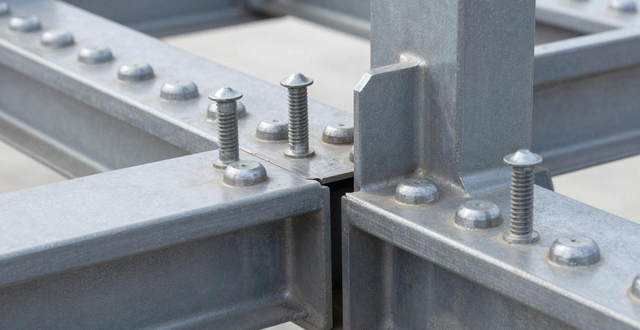
The parts to be carefully inspected include the rivet connection. Check whether the rivet head is complete, how tightly it fits, and whether there is any obvious gap between the rivet rod and the hole wall. In actual projects, such as the Shenzhen-Zhongshan Tunnel project opened to traffic last year, inspectors discovered multiple loose rivets through visual inspection and promptly reworked the project.
Non-destructive testing technology accurately locates internal defects
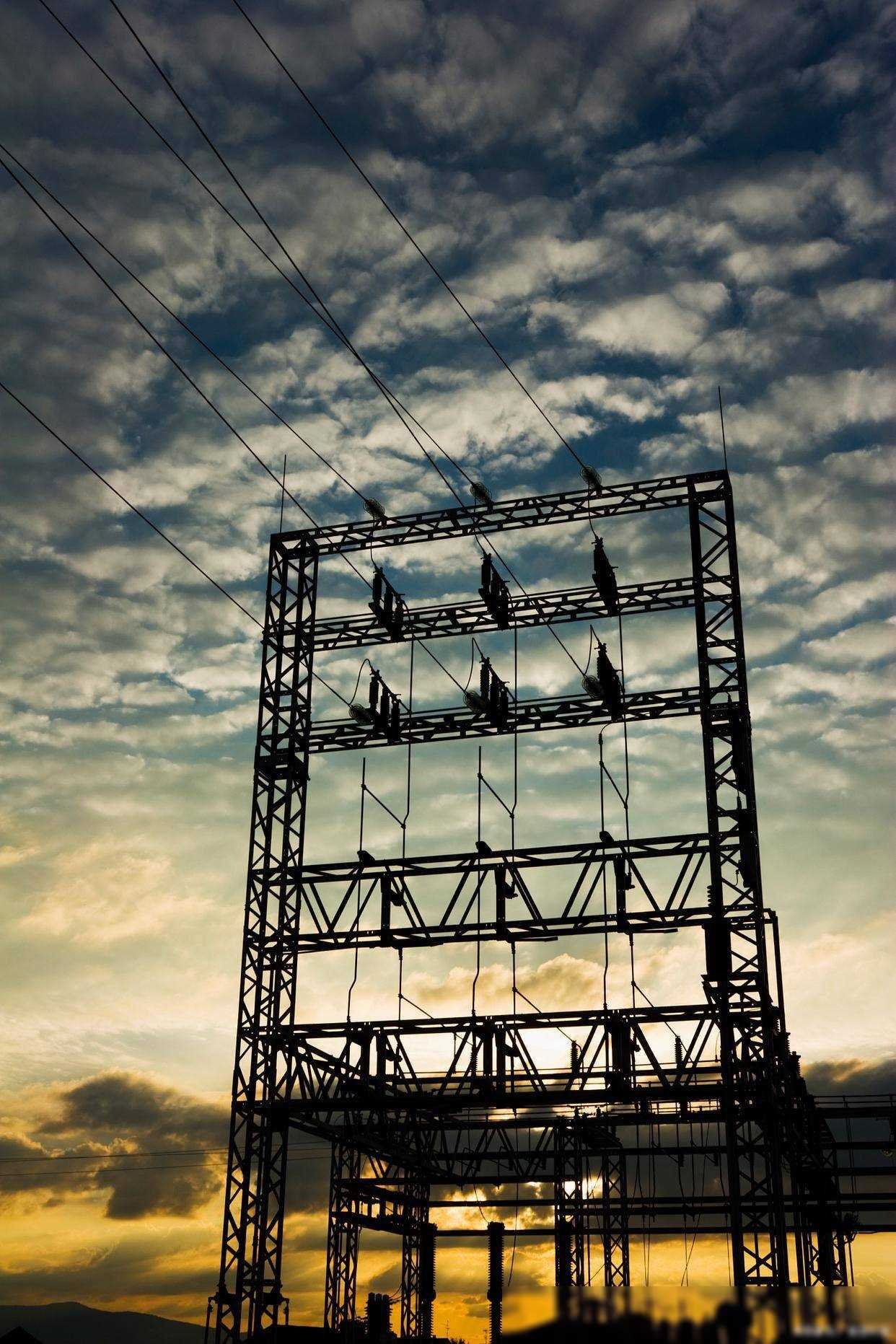
Ultrasonic testing is an effective means to critically judge the internal quality of welds. The inspector will scan the probe along the direction of the weld, and rely on changes in the reflected waveform to determine whether there are internal defects such as incomplete fusion, incomplete welding, or slag inclusions. For Q345 steel plates with a thickness exceeding 20 mm, the number of oblique probe scans must be increased to ensure complete detection coverage.
To detect tiny cracks on the weld surface and close to the surface, magnetic particle testing is suitable. After the magnetic suspension is evenly sprinkled on the area to be inspected, when the magnetic field is exerted, the location of the defect will form a clearly visible magnetic mark display. This method played an important role in the maintenance and inspection of the Hangzhou Bay Cross-sea Bridge in 2025, and successfully discovered many fatigue cracks that were difficult to detect with the naked eye.
Mechanical property tests verify connection reliability
The tensile test can directly display the strength index of the weld. It is the Q345qD bridge steel plate, a modern and superior bridge material. Tensile specimens are intercepted from the on-site welding test plate. Conduct a tensile breaking test on a universal testing machine to observe the fracture location and whether the tensile strength meets the design requirements. The tensile strength of the base metal of the Q345 steel plate should be between 470 and 630 MPa, and the weld strength cannot be lower than the lower limit of the standard value of the base metal. This is a regulation.

For the plastic deformation ability of the weld, the bending test plays a major role in investigating. The sample will be bent according to the specified bending center diameter to check whether there are cracks on the weld surface and heat-affected zone? At the level of actual project acceptance, once cracking occurs in the bending test, it generally means that the setting of the welding process parameters is not appropriate. At this time, the process needs to be adjusted immediately and welding begins again.
Hardness test reveals changes in welding heat-affected zone
What helps determine whether there is softening or embrittlement is how the hardness test detects the quality of riveting welding of Q345 steel plates . A portable Leeb hardness tester is used to measure the center of the weld, the heat-affected zone and the base metal area, and then record the data and carry out comparative analysis. Under normal circumstances, the hardness of the weld should not exceed 120% of the hardness of the base metal, and the hardness of the heat-affected zone should not fluctuate significantly.
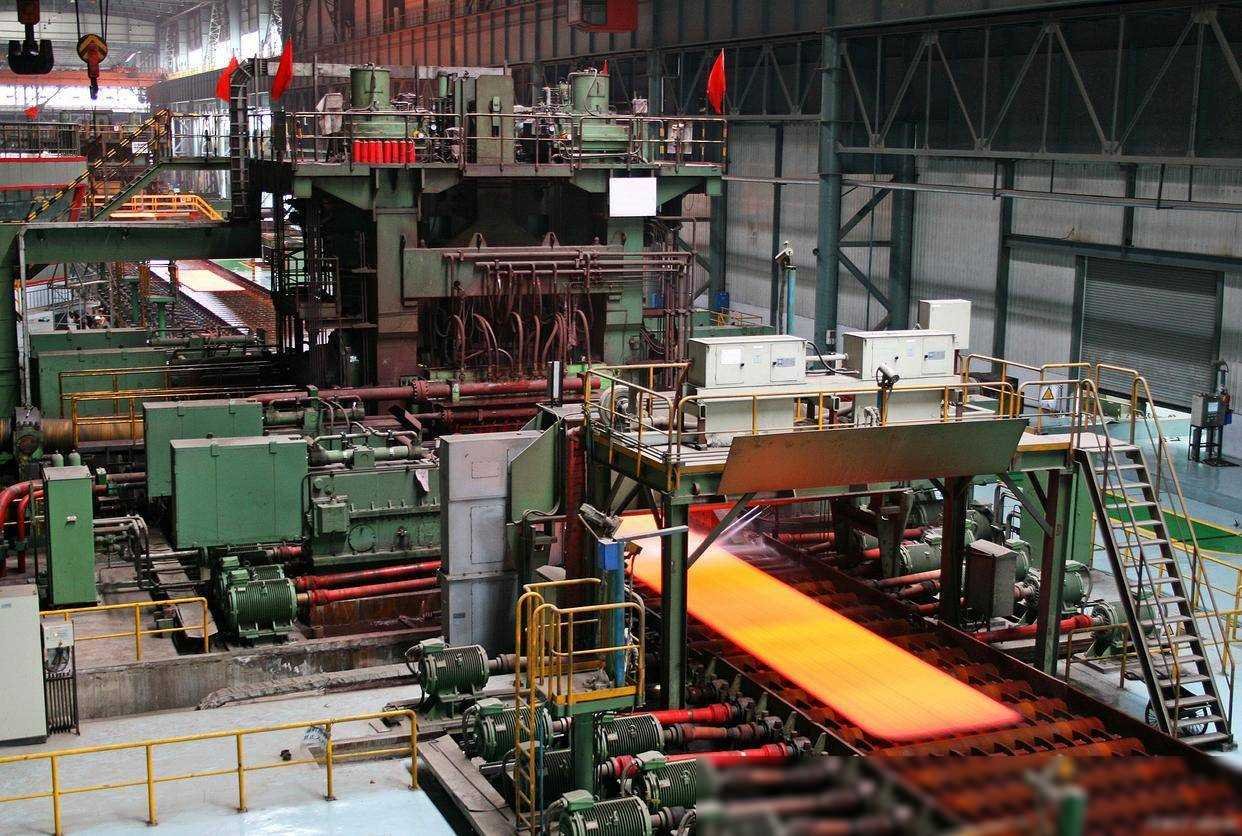
In the case of thick plate welded structures, you also have to be aware of the issue of lamellar tearing. With the help of the hardness distribution curve, it can be initially determined whether there is abnormal tissue. In 2024, there was a cross-river bridge. During inspection, it was found that the hardness of the heat-affected zone of some welds was significantly low. After further metallographic analysis, it was confirmed that excessive welding heat input roughly coarsened the structure, and repair welding measures were finally taken.
Quality records and problem handling require closed-loop management
All test data must be formed into a complete record report, covering the location of the test, the method used for the test, the final result of the test, and the conclusion drawn from the judgment. The photos, waveform diagrams and graphs in the report must be clearly identifiable and easy to trace. The parts where the inspection is unqualified need to be clearly marked with red marks on the drawings, and suggestions for rectification should be given.
The construction unit must deal with the quality problems detected during the inspection according to the rectification plan. After the rectification is completed, it must be inspected again. The entire process must be managed in a closed loop, and all records must be retained for future reference. Only rivet-welded structures that have undergone strict testing and are certified as qualified can enter the next process to start construction, so as to ensure the overall quality and safety of the bridge project.
During the acceptance inspection of the bridge project, which test indicator results are you most concerned about? Welcome to share your personal experience in the comment area, and don’t forget to like and save it, so that more people engaged in engineering can see this testing guide with practical value.






暂无评论内容