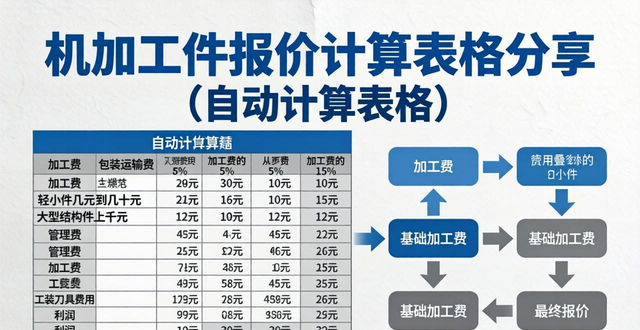


Sharing of machine parts quotation calculation form (automatic calculation form)
How to calculate the machining quotation and share the calculation form (automatic calculation form) for machined parts quotation? This is the most troublesome thing for many procurement and start-up factories. In terms of material cost, the difference between everyone is not very big. However, the real difference is in the labor and transportation of each factory. There are also calculation methods for consumption and taxes. In today's article, we will discuss the undisclosed pricing logic within the industry. And the calculation details are clearly broken down for you.
Process breakdown is the starting point for quotation
How is the machining quote calculated when looking for any reliable quote? , the first step is to split the parts processing process. You have to ask the supplier to give a preliminary process arrangement. This document should be as detailed as the name of each process, the equipment used, and the operation content, and the number of minutes required for each process should be clear. If the other party only gives a total price but does not provide a process breakdown, then such a quotation often contains hidden moisture.
With the help of process analysis, you can see how many times the part has been clamped, what kind of tools were used, and whether it needs heat treatment or surface treatment. This information directly plays a decisive role in the calculation method of subsequent labor time fees. For example, for a shaft part, if the process states that it requires two U-turns and one keyway milling, then its working hours are the sum of the time of these three processes.
Equipment hourly rate is the core variable
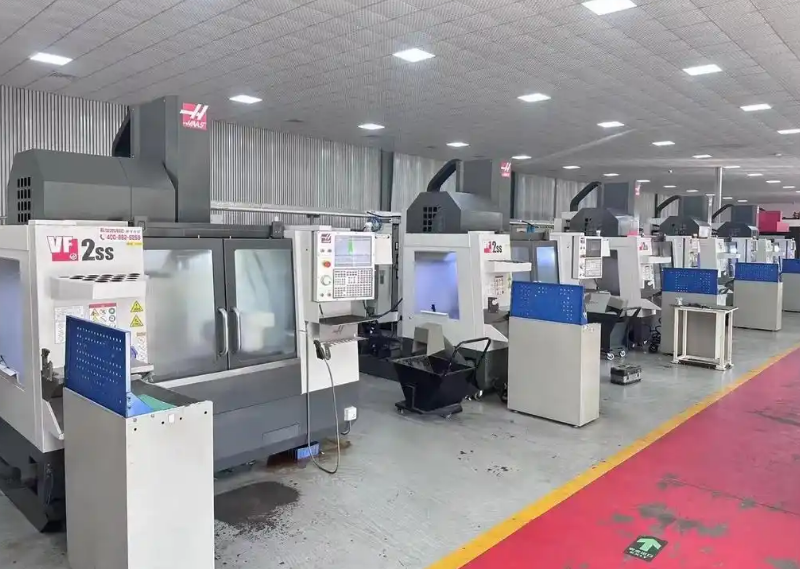
After getting the process list, the next step is to calculate the processing cost required for each process. The core formula is to multiply the equipment hourly rate and the process time. For ordinary vertical machining centers, the market reference price, including taxes, is usually stable within the range of 60 to 80 yuan per hour. The price for ordinary equipment such as milling machines and general lathes is about 30 yuan per hour. This rate covers equipment depreciation, electricity bills, operator wages and equipment maintenance costs.
Factories of different sizes in different regions will have obvious differences in equipment rates. For example, in the Yangtze River Delta and the Pearl River Delta, equipment rates will generally be 10 to 20 percent higher due to high labor and site costs. If it is a high-precision five-axis machining center, the hourly rate may jump directly to more than 150 yuan. When making a quotation, you can directly ask the supplier to provide the equipment rate schedule they use internally. This is the basis for judging whether the price is reasonable.
Auxiliary costs are superimposed proportionally

After the processing fees are calculated, packaging, transportation, management fees, tooling and profits must be superimposed. Packaging and transportation charges are usually estimated based on the weight of the parts and the transportation distance. How is the machining quotation calculated? , the packaging and transportation fees for light and small parts may range from a few yuan to tens of yuan, while the packaging and transportation fees for large structural parts may reach thousands. Management fees are generally calculated based on 5% to 15% of the processing fee, which covers indirect expenses in office, sales, finance, etc.
The field of work tooling is extremely complex and varied. If it is a mass production situation, the cost of the tool will be evenly distributed to each processed part; if it is a single-piece or small-batch processing situation, the factory will usually levy separate tooling fees for this. As for the profit part, the net profit ratio in the general machining field is generally within the range of 10% to 20%, which depends on the difficulty of the parts and the actual situation of market competition. Adding these three items together is the final quote.
Purchase volume and difficulty affect unit price
The annual purchase volume has a very direct impact on the unit price. If only 10 pieces of a part are produced per year, then the factory has to perform programming, debugging, and prepare tools separately. As a result, the unit price will naturally be high. If 1,000 pieces are produced per year, the factory can dilute the cost of these preparations, and the price of a single piece may drop by 30% to 50%. Therefore, the purchase volume must be clearly stated when quoting, and it is best to provide an annual forecast.
The difficulty of a part mainly depends on tolerance requirements, material properties, and structural complexity. For example, parts with tolerances within 0.01 mm require high-precision equipment. The yield rate is low and the quotation will be greatly increased. Difficult-to-machine materials, such as stainless steel and titanium alloys, have low processing efficiency and high tool wear, so the quotation is more than 20% higher than that of ordinary steel. Structurally, parts with features such as deep holes, thin walls, and complex curved surfaces will also increase costs.
Hidden costs are easily overlooked
In addition to the obvious costs, there are also several hidden costs hidden in the quotations given by the factory. For example, if the billing period cost involved in the purchase of raw materials is relatively long, the factory will include the cost incurred when the funds are occupied into the quotation. There is also the time cost of downtime caused by equipment failure. Although it is not listed separately, it will be covered by increasing the hourly rate of the equipment. In addition, environmental protection disposal fees are also an expense in some areas, such as the disposal of cutting fluid and waste chips.
Knowing these hidden costs can help you understand why two factories making the same part can have a 30% difference between their quotes. There is a new factory with brand new equipment. How does the management calculate Jialiang’s machining quotation? , the production capacity is extremely sufficient, but its quotation is actually low; some factory equipment is old and aging, management is rough and laissez-faire, and hidden costs are high, so of course the quotation cannot be lowered. As a purchaser, you can evaluate whether these factors are reasonable through on-site inspections of factories.
Use the tool form to quickly verify prices
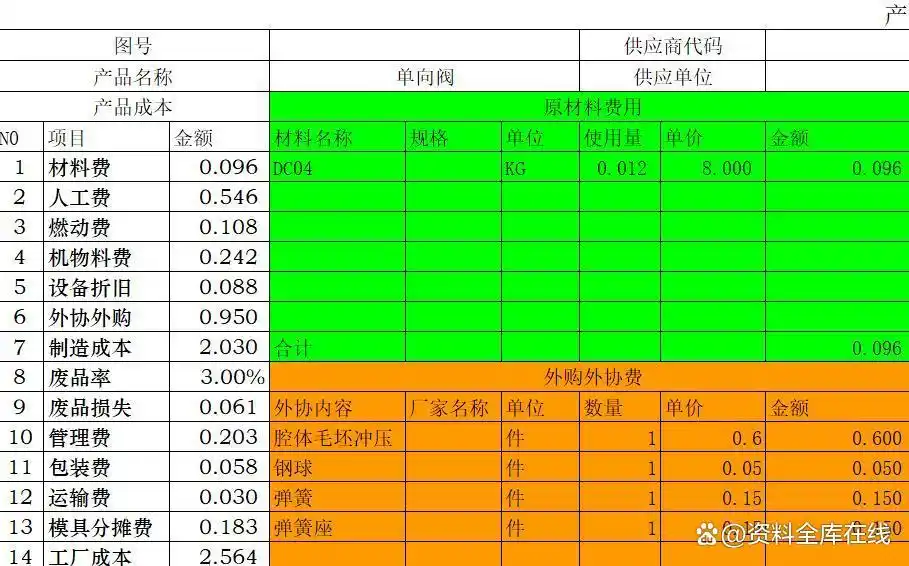
Nowadays, many factories use spreadsheets to calculate quotations. Such a form generally covers several modules. The first is the basic information filling area, where the part name, material, quantity, etc. are entered; the second is the process time input area, where the process name, equipment type, and working hours need to be filled in line by line; the third is the value area for the rate number, which is used to set the hourly rates of different equipment; and the last is the cost summary area, which can automatically generate the total processing fee, various additional costs, and the final quotation.
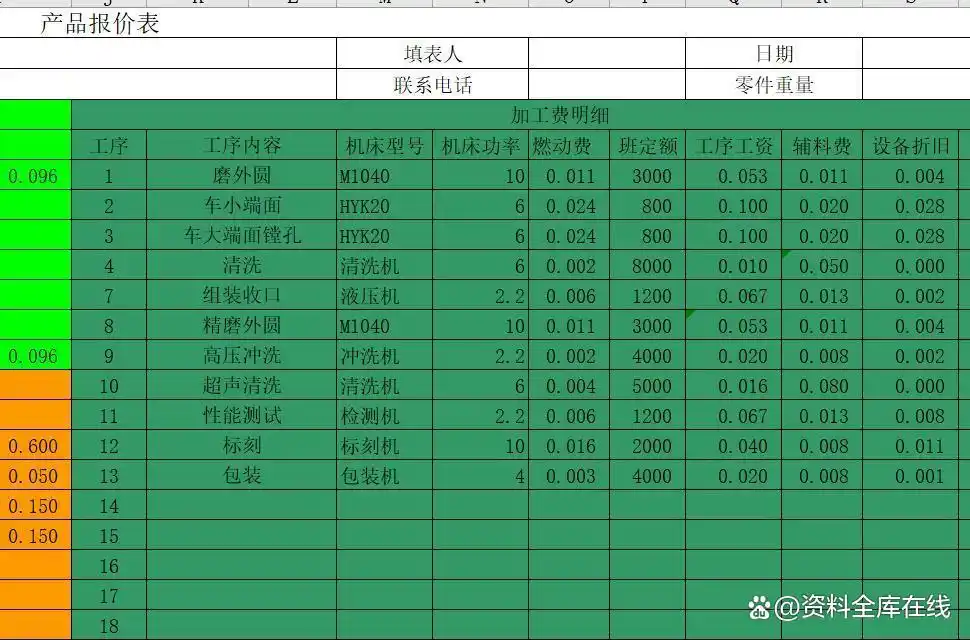
When using these tables, be sure to check the rate parameters to see if they are consistent with local market conditions. For example, in some industrial cities in the north, the rate for an ordinary Lijia service may be as low as 50 yuan per hour; while in first-tier cities, the rate may be close to 90 yuan. The default values such as material density, blank size, and cutting allowance in the table also need to be adjusted based on the actual drawings, otherwise the calculated material cost will be biased.
After reading these calculation methods, do you think that during the actual procurement process, when there are large differences in quotations, should you give priority to choosing the one with the lowest price, or should you choose the factory with the clearest breakdown of the quotation? Feel free to share your experiences and opinions in the comment area.




暂无评论内容