


Auto parts sample production process analysis
Auto parts samples, from the concept to the actual product, are closely connected throughout the entire manufacturing process. If any link is omitted, it will most likely result in a huge waste of time and cost, and may even have an impact on the R&D and launch planning of the entire new model. A clear and standardized process is the lifeline to ensure R&D efficiency and sample quality. It can not only reduce product rework, but also lay a solid foundation for subsequent mass production.
Sample requirement confirmation
Any sample production starts with a clear demand. This demand usually comes from the marketing department's analysis of competing products, or the engineering department to solve a certain technical pain point of an existing product. The demander must fill out a very detailed application form, which must include expected performance indicators, usage environment, approximate cost range, and the time node it hopes to complete.
This application form will then be transferred to the project manager for review, and then to the R&D person in charge for review. They must evaluate the unexpected and necessary significance of this demand, and evaluate whether it is technically feasible or not. It requires careful consideration to evaluate whether it matches the company's current product strategy. Only project requirements that have been formally approved can enter the follow-up stage. The follow-up stage is the stage of how to allocate resources. The follow-up stage is the stage of actual development.
3D design and review
After the requirements are confirmed, design engineers will start to carry out three-dimensional modeling. They will use professional software such as CATIA, UG or SolidWorks to build a digital model of the part based on the input performance parameters and installation space constraints. At this stage, not only the functional custom parts processing sample confirmation process must be considered, but also manufacturability and lightweighting must be taken into consideration.
![图片[1]-Auto Parts Sample Production Process Analysis-Dalian Fuhong Machinery Co., Ltd](/wp-content/uploads/2026/02/1770055354291_0.png)
After a preliminary prototype has been agreed upon upfront, a dedicated formal design review meeting is organized. It covers many roles of expert engineers in design, process, procurement and quality. This meeting will focus on whether the models interfere with each other, whether the materials used are suitable and suitable, and the degree of difficulty in manufacturing. Relying on the review to draw evaluation suggestions to make corrections and then change the design data is a necessary condition for moving to the next process.
Raw materials and process preparation
After the design is frozen, the process engineer will develop a detailed process card and material list based on the three-dimensional model, and must be accurate to the grade of the material, as well as determine its specifications, heat treatment status and required quantity. In the case of special steel or composite materials, the procurement cycle may be as long as several weeks, and the custom parts processing sample confirmation process must be planned in advance.
At the same time, the purchasing department will conduct price inquiries and price comparisons based on the company's list of qualified suppliers. For those particularly critical raw materials, it may be necessary to conduct audits at the supplier's production site. All procurement contracts must undergo material certification by the technical department and cost review by the commercial department to ensure the quality of the materials and the compliance of the procurement.
Sample trial production and process inspection
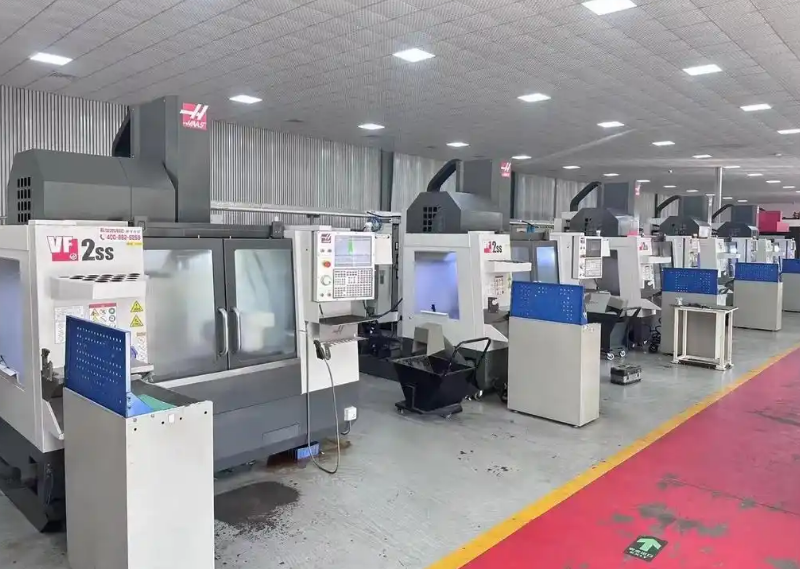
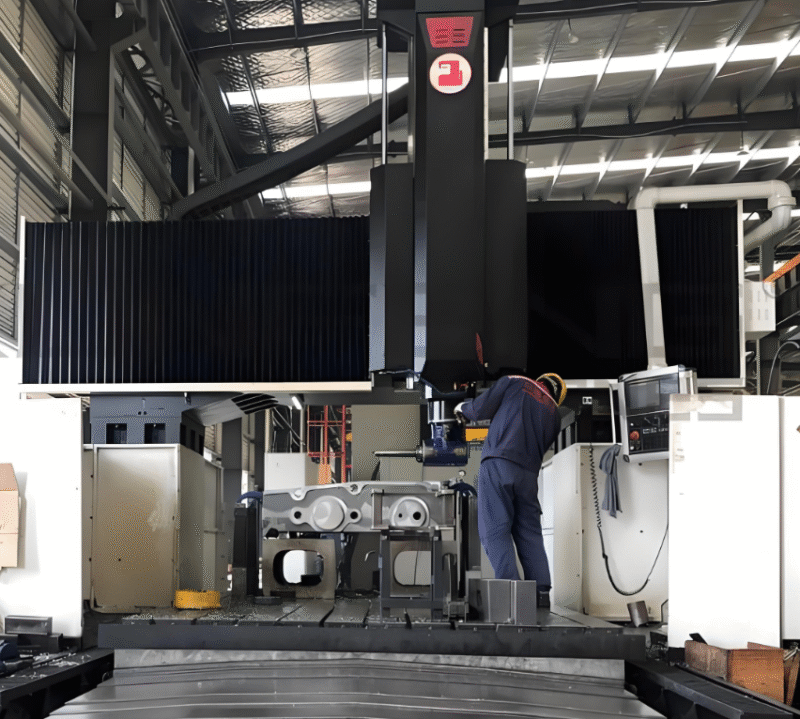
The material needs to go through the sample process before the actual operation. As for which process to use, such as CNC machining, casting processing, stamping process or 3D printing, it must be determined according to the specific complexity of the part at the time of production. However, during actual operation, the operator must strictly follow the approved process flow cards to perform the correct operation, and during the operation and throughout the process, the key processing parameters that exist during the key processing must be carefully recorded.
For this trial production process, relevant quality personnel will carry out more frequent intermediate inspections between time periods. For example, during the mechanical processing process, key required dimensions in the semi-finished product state will be measured; after heat treatment, it will be checked whether the actual hardness meets the specified standards to achieve compliance. Any deviation from the requirements stipulated in the process must be reported immediately and the continuation of production must be stopped until the cause is analyzed and the corresponding measures are taken before it can continue again.
Comprehensive testing and verification
The finished samples must undergo a series of rigorous tests. Functional tests will simulate their actual working environment. For example, there is a suspension arm that needs to undergo millions of fatigue tests on a bench, and an electronic control unit that needs to undergo environmental adaptability testing in a high and low temperature humidity and heat chamber.
Excluding functionality, size detection is also crucial. The quality inspector will use a three-dimensional coordinate measuring machine to conduct a comprehensive inspection of all key dimensions of the sample, and then compare it with the original design data to generate a detailed inspection report. Only when all test items meet the design standards can the sample be judged as qualified.
Delivery archiving and feedback collection
Those samples that pass the test will be delivered to the customer or the next link with a complete report package. The report package generally contains all technical documents such as physical samples, test reports, material certificates, and process records. These documents will be archived by the system and become important technical files for the part.
After delivery, it is very important to take the initiative to collect customer feedback. Whether it is the gap problem discovered during vehicle assembly and matching , the custom parts processing sample confirmation process , or the abnormal noise that occurs during the road test, this information is the most direct inspection of the design and manufacturing process. This feedback will be recorded in a systematic manner and serve as important input for future design optimization and process improvements.
From a demand list to the completion of a qualified sample, which link in the auto parts development process do you think can easily become a "bottleneck" that slows down the progress of the entire project? You are welcome to share your experiences and insights in the comment area. If you feel that this article is helpful to you, please also like it to support it.


暂无评论内容