
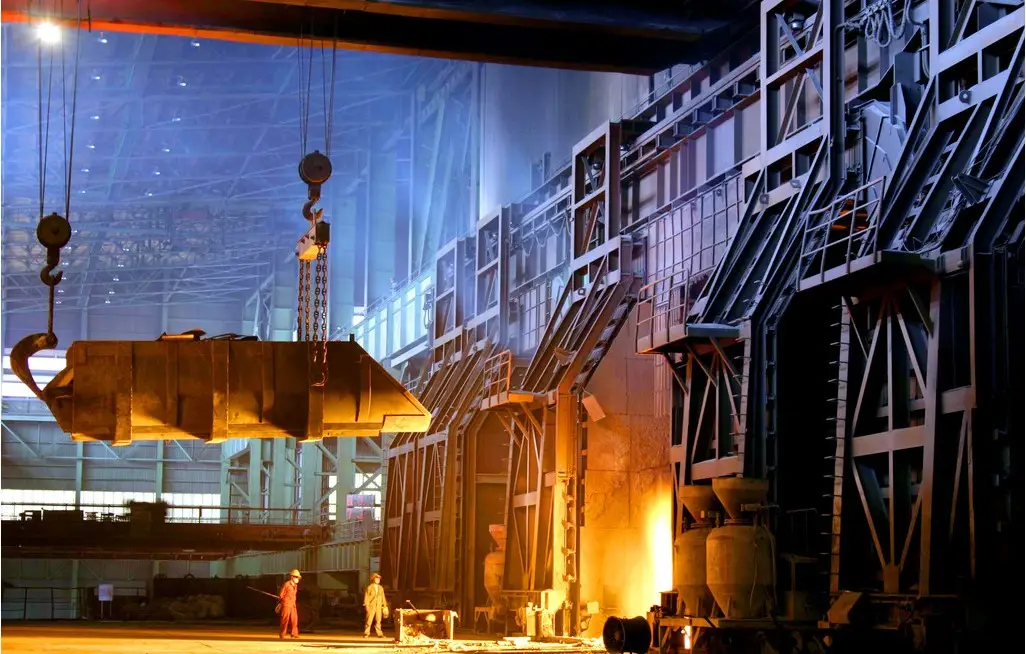
One minute to understand: What material is Q345FTC? Q345FTC performance characteristics, Q345FTC chemical composition
Anyone who is engaged in the riveting and welding of engineering machinery structural parts Q345 steel plate riveting is very familiar with it. Although the Q345 steel plate brand looks exactly the same as the riveting and welding of Q345 steel plate for engineering machinery structural parts , in fact, only after welding it by hand can you know that the gap is actually huge.
If you choose the wrong one, even just a batch of plates, and the entire structure needs to be reworked, the losses will definitely be more than just the money spent on the materials.
Under what working conditions must Q345 be used?

Equipment such as mining drilling rigs, electric wheel dump trucks and coal mine hydraulic supports have been subjected to impact and fatigue loads during long-term use. Ordinary Q235 materials simply cannot withstand this pressure. The lower limit of yield strength of Q345 material reaches 345MPa, while the tensile strength starts from 470MPa. If you want to manufacture such structural parts, using Q345 is already a basic threshold requirement.
Wind power towers are also a very typical application scenario. Such facilities must be able to withstand strong winds of magnitude 12 and strong earthquakes. In the grade Q345F, the letter F specifically represents that it is a material used for wind power towers. Its impact energy absorption value must be at least 34 joules. Even in a cold and low temperature environment of minus 20 degrees, such steel plates are not prone to brittle fracture.
Which one depends on yielding or resisting tension?
Many purchasers tend to only focus on the yield strength number of 345, but they actually ignore the fact that the tensile strength index, which ranges from 470 to 630MPa, is the key core factor that truly determines how high the ultimate load-bearing capacity of a structural member is.
When you are making products such as bulldozer blades or excavator buckets, if you make the tensile strength higher, the safety margin you get will naturally become larger and larger.
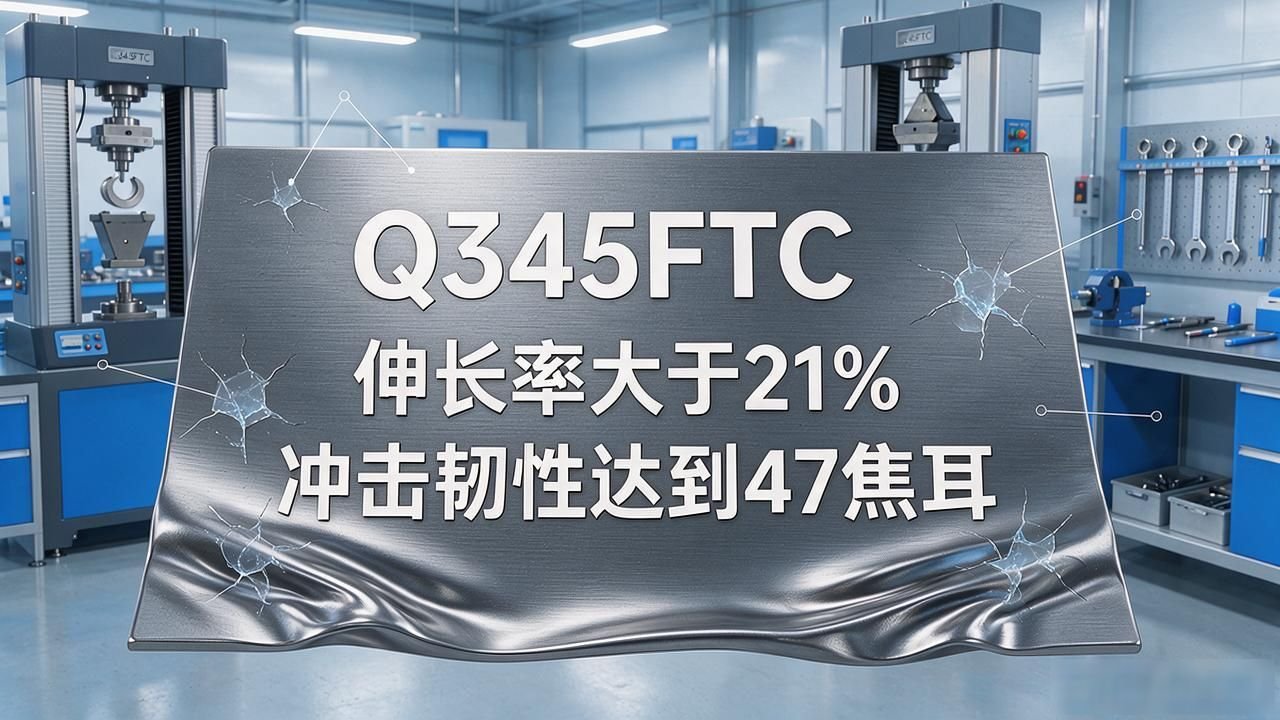
Don’t ignore the indicator that the elongation is greater than 21%. This indicator can show that the material plate can undergo large plastic deformation before it is broken. Therefore, the local stress concentration during the riveting process will not directly lead to brittle fracture. This batch with an impact toughness of 47 Joules is not prone to cracks in the heat-affected zone of the weld.
The invisible threshold in chemical composition
The carbon content must be controlled below 0.20%, and the manganese content must be within the range of 0.90% to 1.65%. This is the most basic bottom line requirement to ensure welding performance.
If the carbon and manganese content is high, the material will harden directly after welding, and cracks will occur at a slight movement. After adding micro-alloying elements such as niobium, vanadium, and titanium, the grains will become finer, the strength will increase, and the toughness will not decrease.
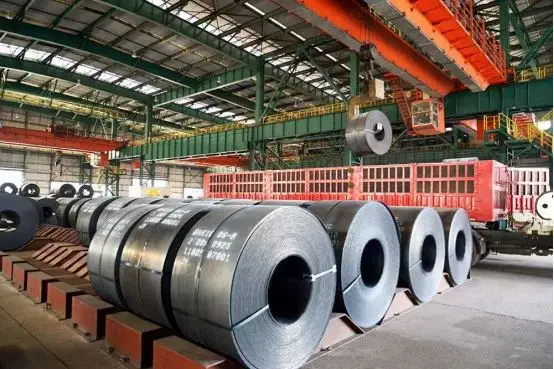
The two elements sulfur and phosphorus are the absolute number one enemy, so the relevant standards must be strictly controlled within the range of 0.01% to 0.03%.
Once these elements exceed the standard, the produced plate will inevitably suffer from thermal brittleness, and during the hot rolling process, tiny cracks will be produced inside the material. This problem may not seem to be a problem on the surface at ordinary times, but once the welding operation is carried out, it takes a minute to understand: What material is Q345FTC? Q345FTC performance characteristics, Q345FTC chemical composition, bursting will occur immediately.
Therefore, when conducting procurement operations, buyers must unambiguously request sellers to provide detailed chemical composition test reports for each batch.
The place where riveting welding is most likely to overturn
The carbon equivalent value of Q345 steel is not at a low level. During the welding operation, the heat affected zone is easily hardened. If the thickness of the plate exceeds the limit of 20 mm, then the safest approach is to preheat it to a temperature range of 100 degrees Celsius to 150 degrees Celsius before starting welding.
Stress relief annealing must be carried out immediately after the welding process is completed. If this is not done, residual stress will continue to accumulate and eventually the structural parts will be significantly deformed only after being put into use for about half a year.
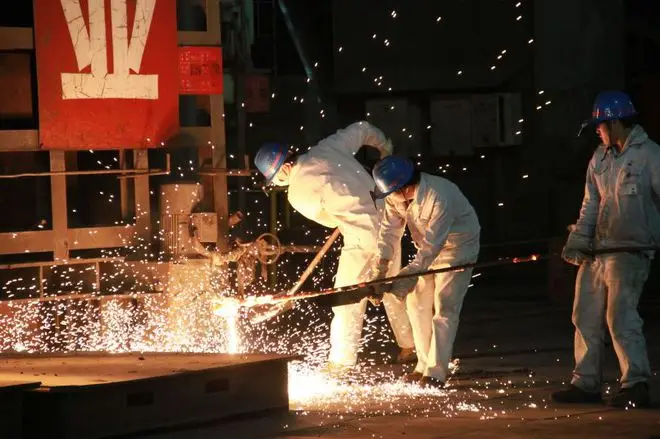
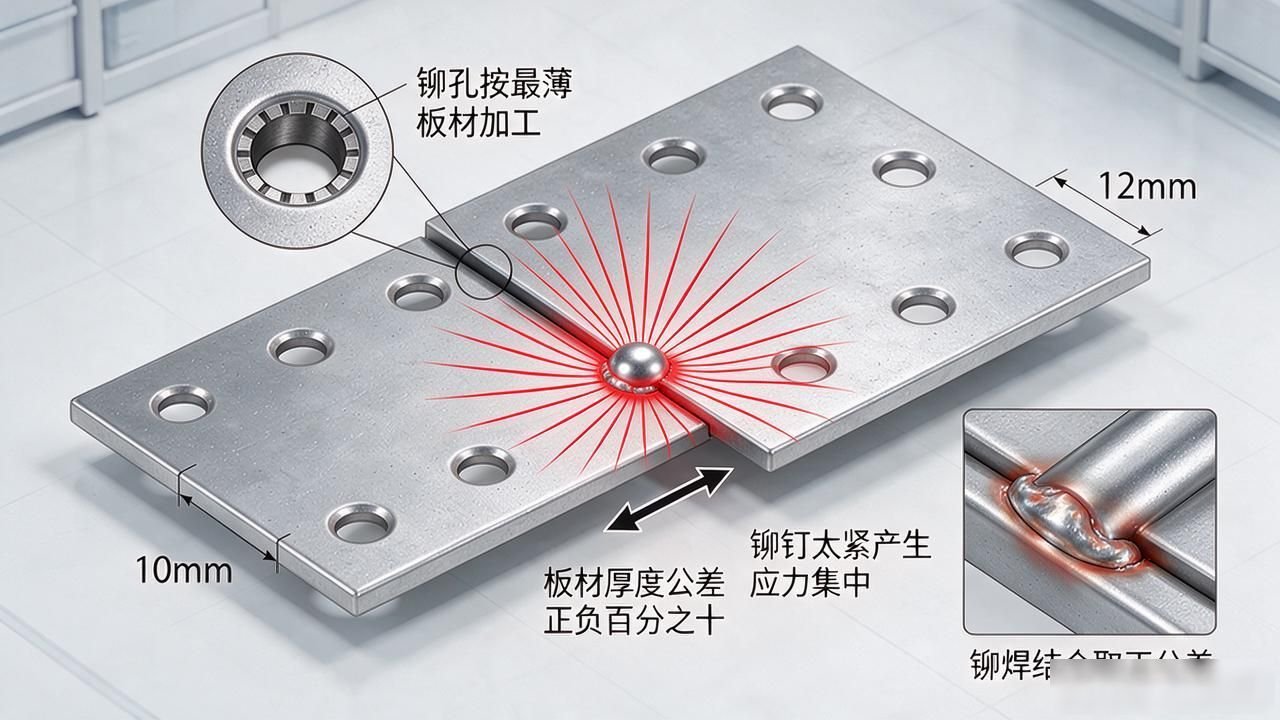
The riveting process is also worth paying attention to. The thickness tolerance of the plate is usually plus or minus ten percent. If the rivet holes are processed according to the thinnest plates, then if the rivets are driven too tightly, stress concentration will occur at the edge of the hole. What everyone suggests is that when performing riveting and welding, the plates should be taken in the direction of the positive tolerance in the nominal value.
Key processes from billet to finished product
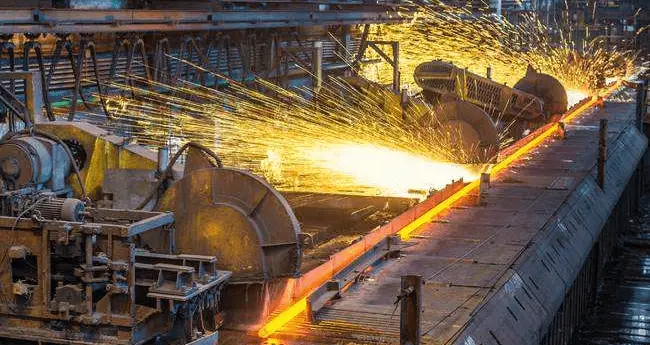
High-quality Q345 plates are processed along the process line of continuous casting, reheating, rolling, pickling, and then annealing. The continuous casting blanks enter the rolling mill directly, which can reduce the intermediate heating link and make the composition uniformity better. The surface oxide scale can be cleaned by pickling, and annealing is used to eliminate the residual stress . Q345 steel plate riveting and welding of engineering machinery structural parts . Only in this way can the cold bending performance meet the standard.
At present, the monthly output of Baowu and Anshan Iron and Steel's Q345 production lines has reached tens of thousands of tons. If you are going to get the plate and focus on inspection, you need to check three things, including the allowable error range of the dimensions, whether there are rolling defects on the surface, and tensile and impact test data.
It should be noted that the quality level of C grade has stricter control over phosphorus and sulfur than grade B, so you should not mistakenly use grade B steel as grade C steel.
How to avoid pitfalls when purchasing
Don't just focus on the grades listed on the quotation, but ask in detail whether the plate is Grade C or Grade D. Because level C has relatively loose control over the two indicators of phosphorus and sulfur, it is generally only suitable for working conditions at normal temperature.
However, the D-level impact toughness can withstand the influence of subzero temperatures and can reach as low as minus 20 degrees. Therefore, if it is a mine in the north or a wind power tower, you must use D-level plates. If these grades are mixed up, the board will become very brittle when winter comes and encounters freezing weather.
Small batch trial welding is a necessary step. We need to take two plates of the same batch and weld several welds according to the actual riveting parameters, and conduct impact and hardness testing. If the supplier cannot provide the warranty and heat number traceability, then do not undertake this project no matter how low the price is, because in the later stage there will be a situation where the responsibilities cannot be distinguished.
The Q345 plate you are currently using, what pitfalls did you encounter during riveting and welding? Let’s chat in the comment area, and feel free to like and share it with brothers who are still having trouble selecting materials on the construction site.
コメントを残す
コメントを投稿するにはログインしてください。