

Stainless steel processing technology
At first glance, the processing of stainless steel seems to be quite far away from life, but in fact, the tableware you come into contact with every day, as well as the buttons on the elevator, and the stainless steel processing technology of the operating table in the hospital are all inseparable from this complex processing technology. Starting from a steel plate that is only a few millimeters thick, until the finished product is produced that is so bright that it can reflect the silhouette of a human figure, it needs to go through ten or twenty processes during this period. If you choose the wrong link, the product will most likely rust in advance and be scrapped.
From hot rolling to cold rolling thickness determines how to choose equipment
To process stainless steel, you must first select the right raw materials; hot-rolled stainless steel plates, whose thickness is generally more than 2 mm, are commonly used in chemical plant storage tanks and heavy machinery casings. During processing, a large coil flattening machine is used to flatten the steel coils; the thickness of cold-rolled plates is between 0.3 and 3 mm, which is more suitable for making sinks and home appliance casings. At this time, the slitting machine must be replaced with a more precise blade.
The selection of processing equipment is directly based on the thickness of the steel plate. It was in 2019 that a hardware factory in Foshan accepted an order. This order required processing of a batch of 0.5 mm cold-rolled plates to be used as middle frames for mobile phones. However, it turned out that the boss used a shearing machine that was originally used to cut 3 mm plates for blanking operations. In one day, more than 300 pieces were cut into pieces. The reason for this situation was precisely because the equipment accuracy could not keep up with the stress changes of the thin plates.
Shearing equipment is divided into two categories: leveling and slitting, each performing its own duties.
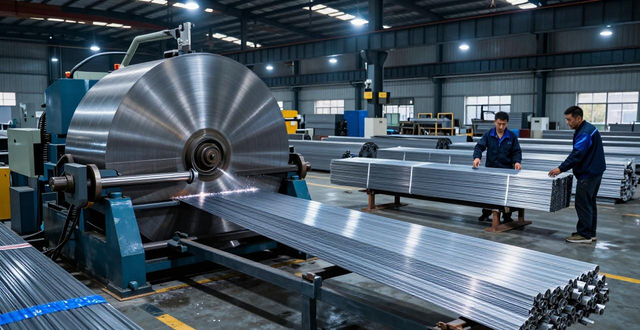
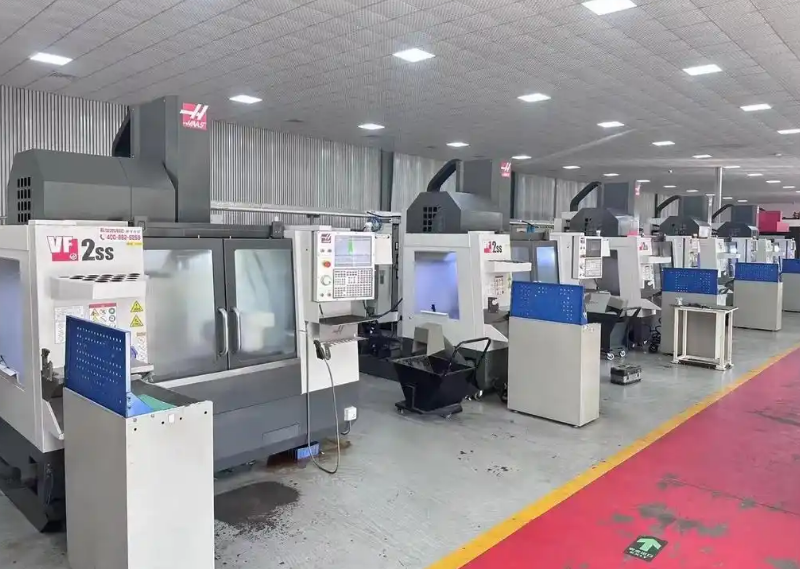
Kaiping equipment is mainly used to process wide-width coils. An elevator factory in Suzhou introduced a new CNC Kaiping line in 2022. It can cut 2-meter-wide stainless steel rolls into fixed-length flat sheets. It can produce 60 sheets per hour, and the error is controlled within 0.3 mm. This set of equipment is directly supplied to the stainless steel processing online course in the car workshop next door, eliminating the need for intermediate inventory.
![图片[1]-Stainless Steel Processing Technology-Dalian Fuhong Machinery Co., Ltd](/wp-content/uploads/2026/02/1771013561104_0.png)
Slitting equipment will cut wide steel coils lengthwise into narrow strips. In Wuxi's stainless steel market, some workshops specializing in slitting operations are brightly lit every night. They use disc shears to cut 304 coils with a width of 1.5 meters into narrow strips with a width of 20 millimeters. If these cut narrow strips are transported to Yiwu, they will become raw materials for making tableware handles. If transported to Wenzhou, they will be turned into pipe fittings factories for welded pipe blanks.
Four methods of thermal cutting versus laser plasma water jet each have their own territory
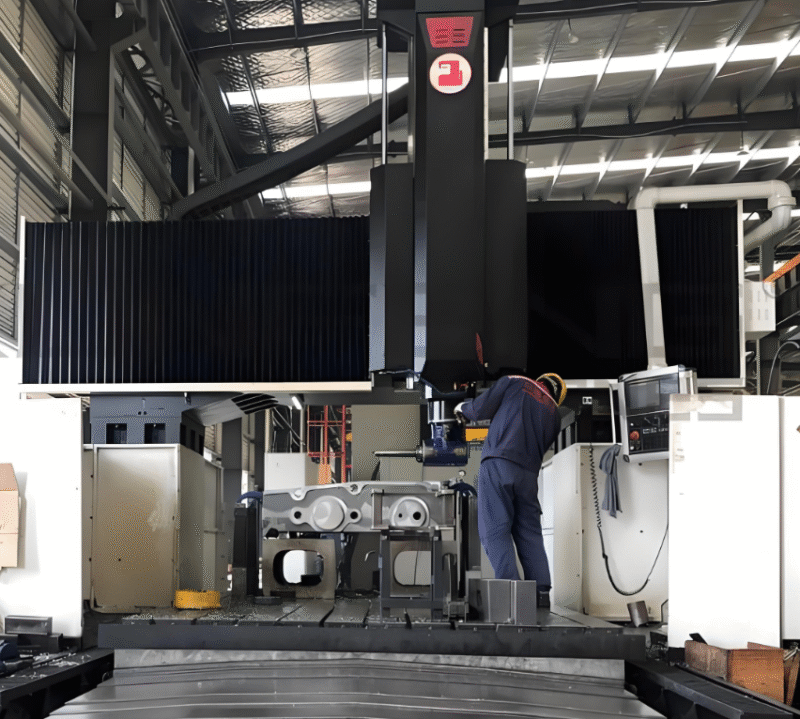
In 2023, a sheet metal factory in Shenzhen spent two million to purchase a 10,000-watt laser cutting machine. This laser cutting machine can cut 304 plates under 8 mm as easily as cutting tofu. The slit is only 0.2 mm. When used to make parts for medical devices, there is never a need for secondary polishing. Laser cutting is currently the main force in precision processing. However, once it encounters a 50 mm thick plate, the laser becomes difficult, and it must give way to plasma.
As far as plasma cutting is concerned, it is carried out in a rough work route. In shipyards, workers use plasma to cut hot- rolled plates of more than 20 mm. Although the cut surface has a certain slope, fortunately it has the advantages of fast speed and low cost. Waterjet cutting is specially designed to deal with various difficult-to-handle situations. It can cut titanium alloy, glass, stone, etc. without any problem. A decoration company in Hangzhou uses it to cut stainless steel and match it with marble. A set of background walls produced can sell for 70,000 to 80,000 yuan.
The surface processing is divided into eight levels, from the original surface to the mirror surface, the uses are very different.
The original surface is rough, and the reactor barrel was designated to be replaced during the overhaul of Shanghai Petrochemical last year. The reason is that the rough surface has a beneficial effect on the adhesion of the insulation layer. B matte surface is the most common, which is used by Shibazi kitchenware in Yangjiang, Guangdong. After being stamped into pots, they will be polished directly, thus eliminating a process. BA mirrors are the brightest and can reflect people's images when installed inside high-end elevators. However, the production workshop must be absolutely dust-free. As long as a particle of dust falls in, it will become a waste product.
Surfaces with sand textures are divided into coarse and fine. Among them, the coarse sand numbered No. 3 is applied to the building curtain wall. From a distance, it has a metallic luster, but when you look closer, you can see that it has texture and is not easy to show fingerprints. HL woolen surface is the standard configuration of elevator doors. The elevators used in Shanghai Tower are based on this model . When the cleaning lady performs the wiping operation, she must move forward in the direction of the grain to wipe. If she wipes horizontally, a white mark will appear, and it will be difficult to remove it for a long time.
![图片[2]-Stainless Steel Processing Technology-Dalian Fuhong Machinery Co., Ltd](/wp-content/uploads/2026/02/1771013561104_1.png)
Choosing the wrong surface treatment hospital site can lead to big trouble
Food factories are extremely sensitive to surface grade. In 2021, a meat product factory in Hebei will be expanded. At that time, the buyer bought the NO.1 original panel to use as a workbench in order to get a bargain. However, the surface had pits, which led to the accumulation of dirt and evil, and the microbiological test failed for three consecutive months. In the end, everything was dismantled and replaced with the NO.4 fine sand surface, which cost an extra 400,000 yuan in unjust money.
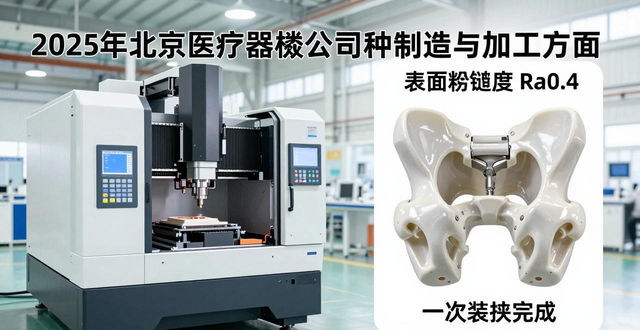
Hospital renovations need to be even more careful. In the newly built operating room of Union Hospital in Beijing, all stainless steel handrails and instrument cabinets are designated to use No. 320 sand texture surface. This surface will not reflect glare and can inhibit bacteria from adhering to it. Someone from the hospital's Infectious Diseases Department said that if the finish is too high, it will easily cause scratches and harbor bacteria. The roughness must be accurately controlled to a few tenths of a micron. Anything less than that will definitely not work.
Pay attention to daily maintenance and wipe it along the lines for durability.
The most fearful thing about stainless steel in public places is that it will be graffitied. The turnstiles in subway stations are often scratched by ballpoint pens. However, cleaning staff can remove them by using a special cleaning agent, spraying it and wiping it, which is much better than aluminum alloy in this regard. However, you must pay attention to the direction when cleaning, especially for boards with HL wool surface. If you wipe against the grain, the original uniform silk grain will be messed up, resulting in local blooming.
When using stainless steel products at home, you need to pay attention to the corresponding methods. The sinks in many people's homes will become worn after two years of use. The reason is that they are scrubbed randomly with steel wool. The correct method is to use a sponge to wipe along the processing lines. After washing, the water stains must be dried immediately. When an owner in Hangzhou renovated, he chose BA mirror panels for the kitchen walls. Half a year after moving in, he regretted it because the fingerprints all over the wall could not be wiped off. In the end, the problem could only be solved by sticking a film.
When you scrub the stainless steel tableware or elevator panels you have at home, have you ever paid attention to the direction of the grain on the surface? Welcome to the comments section to talk about those difficult-to-maintain stainless steel surfaces you have seen.




暂无评论内容