


What is CNC prototype processing? What are the processing procedures for CNC prototype models?
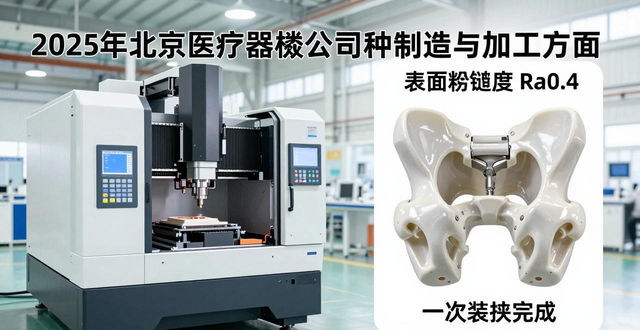
When industrial products are developed, the process of evolving from drawings to physical objects is usually full of uncertainties. CNC prototype processing is precisely the key technology to solve this distressing problem. It can quickly and accurately convert digital models into physical samples that can be touched, felt, and tested.
![图片[1]-What Is CNC Prototype Processing? What Are The Processing Procedures For CNC Prototype Models?-Dalian Fuhong Machinery Co., Ltd](/wp-content/uploads/2026/02/1769976198650_0.jpg)
The definition of CNC prototype processing
For CNC prototyping, it is a process of making product prototypes by cutting materials with the help of computer numerical control machine tools. It directly acts on solid materials such as metal or plastic, and accurately "carves" the physical model according to the three-dimensional design data. This process is subtractive manufacturing, which is essentially different from the additive method of 3D printing.
The key value of this technology lies in its high-fidelity characteristics. It has the ability to accurately transform virtual designs in the computer, with an accuracy that can easily reach about one-fifth of the thickness of a human hair or even exceed the accuracy of this scale. This ability allows engineers to capture a sample that is nearly identical to the final product for verification before investing in high mold costs.
Why do you need CNC prototype?
![图片[2]-What Is CNC Prototype Processing? What Are The Processing Procedures For CNC Prototype Models?-Dalian Fuhong Machinery Co., Ltd](/wp-content/uploads/2026/02/1769976198650_1.png)
The primary purpose of making a prototype model before the mass production mold is opened is to verify the feasibility of the product design. The designer can use the physical object to check whether the structure is reasonable, whether there is any interference in the assembly, and whether the ergonomics are comfortable. Many design defects are difficult to detect on the drawings, but they are clear with the help of the prototype.
Handheld prototypes can be used for functional testing and market verification. Companies can provide handheld board-mode machines to potential customers for trial use, collect feedback, or perform performance tests such as drop, fatigue, and waterproofing within the company. This can effectively prevent molds from being modified or even discarded due to design flaws, thereby saving a lot of cost and time.
Overview of standard processing procedures
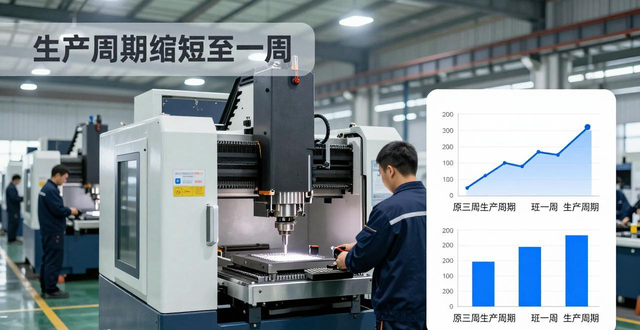
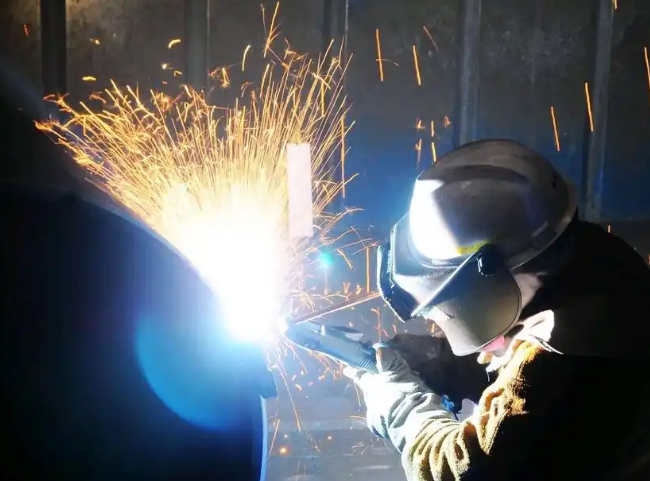
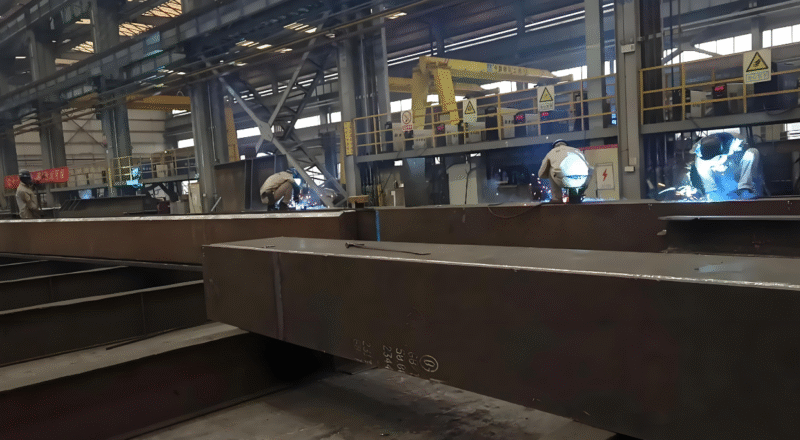
Taking apart a complete CNC prototype processing process, it usually contains four very critical core stages. First, there is the first data preparation and programming stage, where engineers must transform the three-dimensional model into instructions that can be read by the machine tool. The second stage is the production of hand prototypes for machine processing, including metal riveting and welding , and the machine tool will perform cutting on its own according to the instructions. The third stage is manual post-processing prototype model production including metal riveting and welding , which covers grinding, assembly, etc. The final stage is quality inspection and delivery.
Each stage is closely connected with each other, and the accuracy of the previous step determines the quality of the next step. For example, in programming, the appropriateness of tool path planning directly affects the smoothness of the machined surface and the overall efficiency. Therefore, professional processing service merchants have strict standard operating procedures in all aspects.
Data processing and programming
In the early stage of processing, the three-dimensional data must be properly processed. The model given by the designer must be checked to see if there are any missing parts such as broken surfaces, gaps, or negative angles that cannot be machined. After that, the core point when using professional CAM software to carry out specific programming work is to plan the tool path, determine which parts to cut first, what kind of tool to use, and set the depth of cutting.
Those involved in programming must consider the balance between processing efficiency and surface quality. Under normal circumstances, the strategy of roughing first and then finishing is adopted. In the roughing stage, a large knife is used to quickly remove most of the allowance, while in the finishing stage, a small knife is used to carry out fine engraving to obtain a smooth surface. At the same time, the fixture design on how to stabilize the workpiece on the machine tool is also extremely critical. It plays a decisive role in the stability and accuracy of processing.
CNC machining and post-processing
![图片[3]-What Is CNC Prototype Processing? What Are The Processing Procedures For CNC Prototype Models?-Dalian Fuhong Machinery Co., Ltd](/wp-content/uploads/2026/02/1769976198650_2.png)
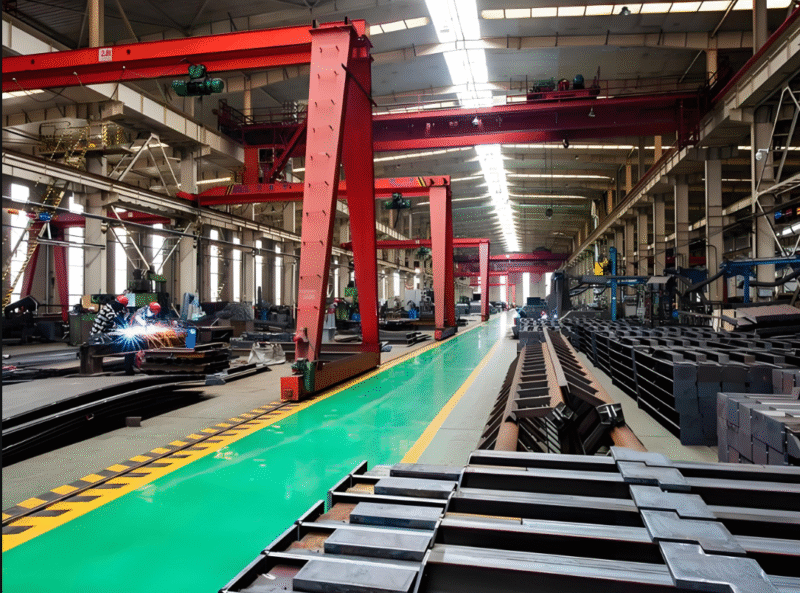
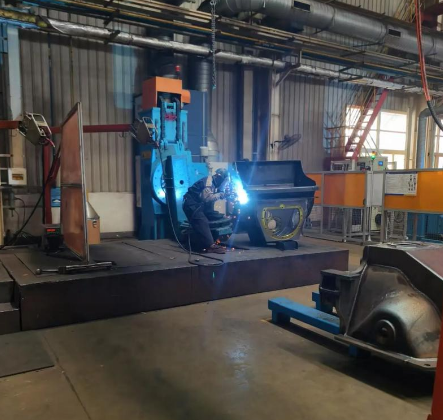
This stage of machine tool processing is a process that is executed and promoted by automation. The operator uses a certain method to import the programmed program into the machine tool. He also installs the appropriate tool prototype, including metal riveting and welding , and prepares the appropriate materials. Then he starts the machine tool, and the machine tool will start running on its own. The extended time required for processing ranges from several hours to dozens of hours. The specific definition of this time depends on the complexity of the part itself and its size.
The parts removed from the machine tool were just "blanks" at that time. What is CNC prototyping? What are the processing procedures for CNC prototype models? , there is a lot of post-processing work to be done, which includes removing burrs, polishing the surface, bonding or screw assembly of different parts. If it is a metal part, surface treatments such as anodizing and sandblasting may need to be performed; if it is a plastic part, it may be necessary to perform spray painting, silk screen and other operations to simulate the real appearance of the final product.
Applications and future trends
CNC prototyping is widely used in various industries such as consumer electronics, automobiles, medical equipment, and home appliances. Before a new mobile phone is released, its internal structural parts and outer casing often undergo multiple rounds of CNC prototyping, and its structural strength, heat dissipation performance, and assembly feel are repeatedly tested. This is the case.
As technology improves further, CNC machining is becoming more intelligent and integrated. Automated loading and unloading operation equipment reduces manual intervention and improves efficiency. The field of intelligence is beginning to help make processing parameters more perfect. More importantly, technologies such as CNC technology and 3D printing are being merged into the same manufacturing platform. According to the needs of different parts of the product, the most appropriate process can be flexibly selected to achieve various complementary advantages.
Do you think it is more important to have faster prototyping during product development, or to have prototypes with extreme accuracy and material authenticity? Welcome to share your views on this in the comment area, and I also hope you will support this article by giving it a like.




暂无评论内容