


Sample confirmation process training
The sample confirmation process seems relatively simple, but the sample confirmation process for custom parts processing is directly related to the success or failure of mass production and the trust of customers. As long as there is negligence in any link, it may cause very serious quality disputes and cause losses.
Core Values of the Sample Validation Process
The primary purpose of the standardized sample confirmation process is to ensure that the final mass-produced products are of the same quality as the samples initially approved by the customer. This is very important for maintaining the credibility of the company, because as long as there is any deviation, it is very likely to lead to customer returns, claims, or even lost orders.
This process clearly defines the specific responsibilities of different departments such as the R&D department, production department, quality department, and sales department in the sample confirmation process. Through clear division of responsibilities, it can effectively reduce the buck-passing phenomenon between departments due to unclear rights and responsibilities , customize the parts processing sample confirmation process , thereby improving internal collaboration efficiency and preventing mass production errors from occurring at the source.
Process scope and participation roles
Within the company, this process applies to all departments related to sample confirmation work. This includes the R&D department responsible for sample design and production, the workshop for sample production, the quality department for quality inspection, and the sales team that directly interfaces with customers.
Any employee involved in the above-mentioned links is eligible for the process. Whether it is a R&D engineer, a production line operator, a quality inspector customizing the parts processing sample confirmation process , or a business manager, they must strictly follow the process regulations to ensure that the steps they are responsible for are accurate and ensure that the process runs smoothly.
Sample production and preliminary confirmation
Based on the technical information or demand specifications provided by the customer, the R&D department begins to produce initial samples. During the production process, it is necessary to strictly follow the customer's requirements and use predetermined materials and processes to ensure that the sample is representative.
When the samples are completed, they are first inspected by internal quality personnel based on company standards and customer requirements. After passing the inspection, the sales staff will hand it over to the customer for final confirmation. The sample signed and confirmed by the customer will be properly archived as a legally binding "sealed sample".
Sample reception and warehousing inspection
Before receiving samples, the receiving area should be kept in a tidy state, and relevant tools and items such as recording forms and labels should be prepared. When receiving, be sure to check the sample number, sample name, sample specification and sample quantity on the spot to see if it is completely consistent with the accompanying documents. If there is any discrepancy, communication should be carried out immediately.
After checking that there are no errors, the samples must be immediately labeled with unique identifiers, and relevant information such as the time of receipt and the person who sent the samples must be recorded in detail in the registration form. This specific step is the key to preventing samples from being mixed up or lost during subsequent circulation, and must be achieved in a timely and accurate manner.
Detailed testing and scientific evaluation
![图片[1]-Sample Confirmation Process Training-Dalian Fuhong Machinery Co., Ltd](/wp-content/uploads/2026/02/1769969038473_1.png)
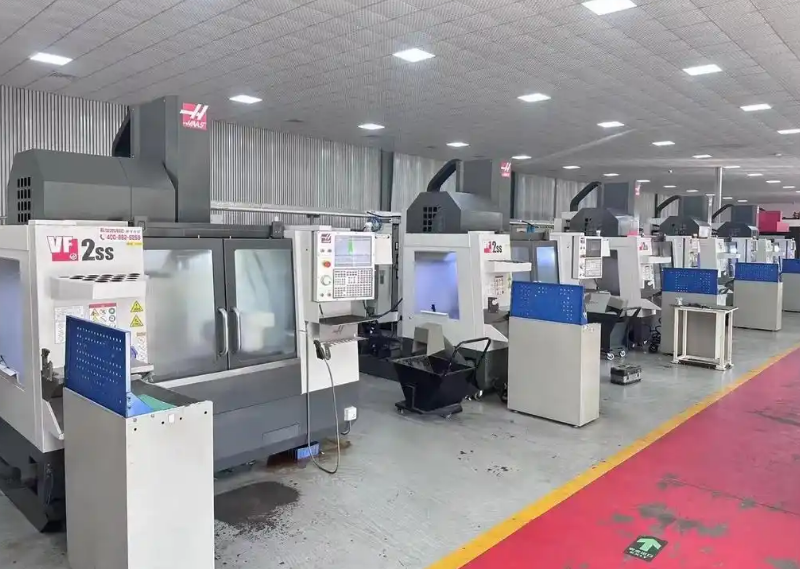
Faced with samples with different characteristics, testing laboratories must select scientific and reliable testing solutions in accordance with national and industry standards or methods specified by customers. The selected testing equipment must be regularly calibrated to ensure that its accuracy meets the requirements.
Specific evaluation indicators are set according to the sample type, such as dimensional tolerance, material composition, and physical properties. Each indicator must have clear qualification criteria, such as numerical range or specific requirements. The test report must be objective and fair, and truthfully reflect the condition of the sample.
Exception handling and process closure
If during the process of receiving or testing, it is discovered that a sample does not meet the standards, it must be immediately isolated and clearly trained on the identification sample confirmation process to avoid storing it mixed with products that meet the requirements. At the same time, the department that sent the sample or the relevant person in charge needs to be informed as soon as possible, and the specific reasons for not meeting the standards must be clearly stated.
The treatment method must be determined based on the severity and reason of the nonconformity, which may include requiring re-production, concession acceptance, or direct scrapping. The entire processing process and results must be recorded in writing and tracked until the problem is closed, which can be used as a basis for process improvement.
When you were actually at work, did you encounter any details that were overlooked in the sample confirmation process, which caused subsequent production problems? Feel free to share your experiences and lessons learned in the comment area.



暂无评论内容