

加工It is the cornerstone technology of modern manufacturing industry. This article comprehensively analyses the core principles, mainstream processes, technological evolution and industry applications of machining, providing you with a professional framework and decision-making guide for choosing machining services.
body of the article
Introduction: When Design Meets Solid – How Machining Turns Ideas Into Reality
Imagine: a medical device engineer designing a new orthopaedic implant with complex 3D surfaces and micron-level precision requirements that can only be achieved through machining; a self-driving startup team needing special customised sensor mounts, in small batches, with high precision and rapid iteration – this is at the heart of the modern machining services scenario.
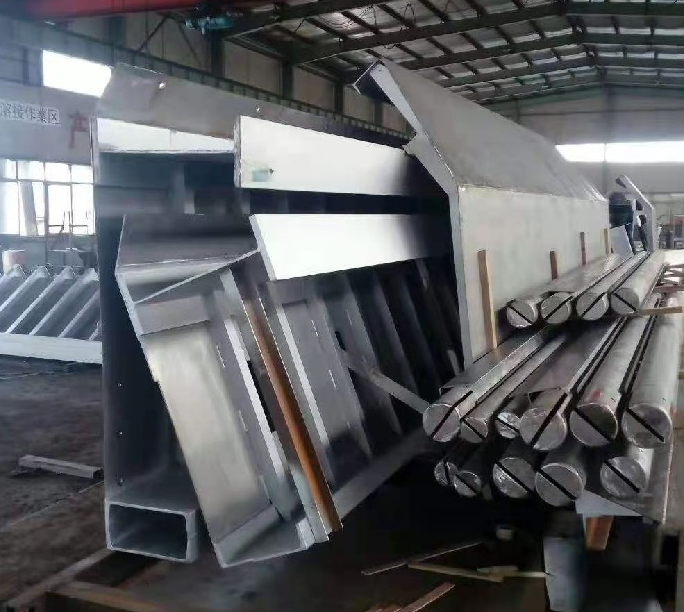
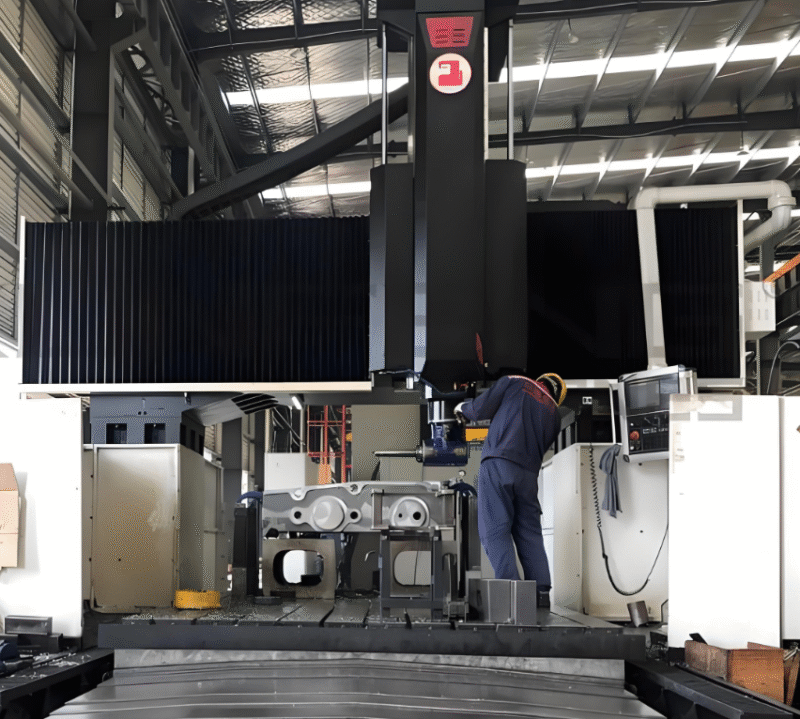
Machining, or machining, is a manufacturing process in which raw materials (metals, plastics, composites, etc.) are accurately machined into parts of the desired shape, size, and surface quality by removing material using machine tools and cutting tools. Representing subtractive manufacturing, it remains the preferred production technology for high-precision, high-strength, and high-reliability parts. Whether you are looking for machining services or wish to gain a deeper understanding of this fundamental industrial technology, this article will provide you with a panoramic and professional interpretation.![图片[1]-机加工终极指南:从原理、工艺到现代应用,一文读懂精密制造的核心-大连富泓机械有限公司](https://cndlfh.com/wp-content/uploads/2025/12/QQ20251102-193645-800x511.png)
Part I: Understanding machining – it’s not just about “cutting”!
1.1 The core concept of machining: the controlled “art of subtraction”
Unlike 3D printing (additive manufacturing), machining achieves modelling by physically removing material. At the heart of this process lies extreme control over three elements:
Motion control: precise relative motion between tool and workpiece
Material removal: removal of excess material by shearing, tearing or grinding
Accuracy management: real-time assurance that size, shape and surface quality meet design requirements
1.2 Three Pillar Elements of Modern Machining
Elements Traditional model Modern advanced model
Equipment/Machine Tools Manual General Purpose Machines CNC Machines, Multi-Axis Machining Centres, Turning and Milling Centres
Cutting tools Standard high-speed steel cutting tools Carbide/ceramic/ultra-hard coated cutting tools, custom moulded cutting tools
Controls & Programming Operator Experience & Handwheels CAD/CAM Software, Digital Twin, AI Process Optimisation
Part II: A Complete Overview of Mainstream Machining Processes – From the Basics to the Cutting Edge
Different part characteristics require different machining methods. The following is a classification of the most significant machining processes used in modern manufacturing:
2.1 Basic classification: by main mode of movement
1. Turning
Principle: Workpiece rotation, radial or axial feed of a fixed tool.
Expertise: cylindrical, conical, threaded and other rotary features
Typical equipment: CNC lathes, turning centres
Accuracy range: IT6-IT8 grade, Ra 0.4-1.6μm
2. Milling
Principle: the tool rotates and the workpiece moves in the XYZ direction
Expertise: planes, slots, gears, complex 3D surfaces
Typical equipment: Vertical/horizontal machining centres, gantry milling machines
Modern evolution: five-axis linkage for machining complex aerostructural parts in one go
3. Drilling & Boring
Drilling: creation of new holes in solid material with relatively low accuracy
Boring: Enlargement and finishing of existing bores to very high accuracy and coaxiality
Key technologies: deep hole drilling, gun drilling, co-ordinate boring machines
4. Grinding
Principle: Microscopic cutting with a high-speed rotating grinding wheel
Unique value: Hardened hard materials can be machined for highest surface quality
Applications: precision moulds, spindles, guideways, tool sharpening
2.2 Speciality machining: non-traditional methods for solving special problems
5. Electrical Discharge Machining (EDM)
Includes wire erosion (WEDM) and moulding EDM.
Advantage: any conductive material can be processed, not limited by material hardness.
Typical applications: precision moulds, microfabricated holes, carbide tools
6. Laser processing
Principle: High-energy laser beam melts and vaporises material
Features: non-contact, small heat affected zone, suitable for complex contour cutting
Modern development: laser additive and subtractive composite manufacturing becomes the cutting-edge direction
Part Three:The heart of modern machining-CNC and Digital Transformation
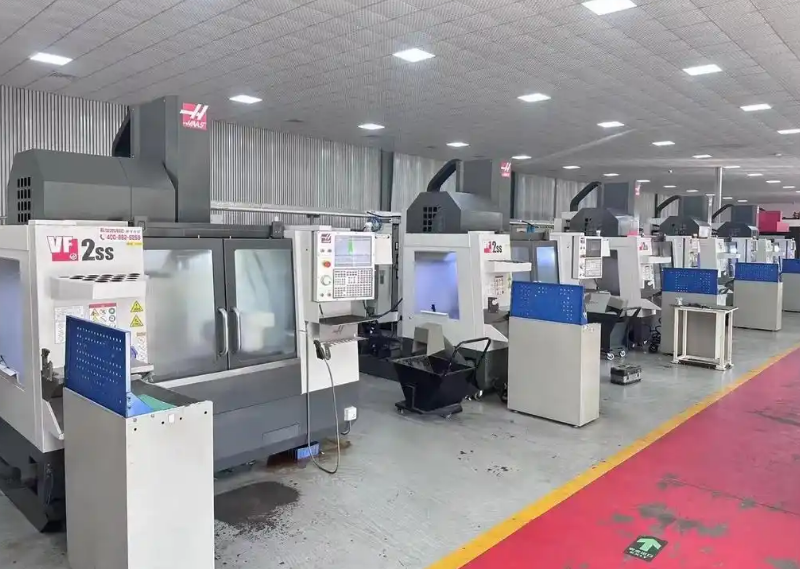
The soul of modern machining is computer numerical control (CNC) technology. This change has revolutionised the game in the industry:
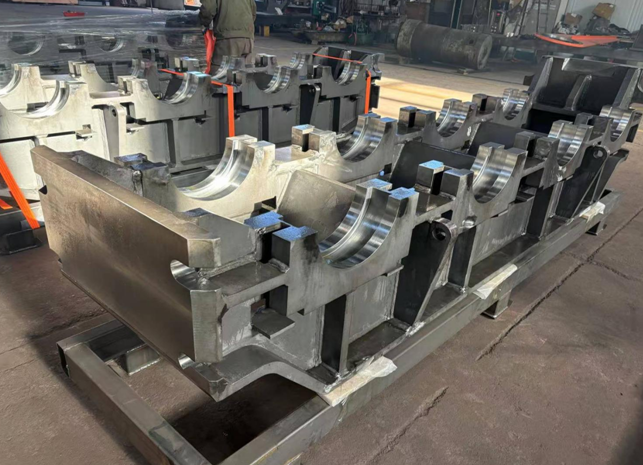
3.1 Fundamental advantages offered by CNC![图片[2]-机加工终极指南:从原理、工艺到现代应用,一文读懂精密制造的核心-大连富泓机械有限公司](https://cndlfh.com/wp-content/uploads/2025/11/QQ20251002-202304-1.png)
Consistency: Human error is eliminated, ensuring that the 1st piece is identical to the 1000th piece.
Complexity: complex surfaces and structures that cannot be machined by conventional methods can be easily realised
Flexibility: switching between different parts through programme changes, suitable for small quantities and many varieties.
Integration: Seamless integration with CAD/CAM/CAPP/PLM systems for a fully digital manufacturing process
3.2 Complete digitisation process from drawing to part
3D modelling: engineers create part models using SolidWorks, UG/NX, etc.
Process planning: Determination of machining sequences, clamping programmes, tool paths
CAM programming: the software automatically generates G-codes recognisable by the machine tool.
Simulation verification: checking collisions and optimising cutting parameters in a virtual environment
Machine tool machining: CNC system for precise execution of programme instructions
On-line inspection: automatic probe measurement for closed-loop quality control
Part IV: Key technical indicators and quality control of machining
The core indicators for evaluating machining capacity constitute a professional framework for the selection of suppliers:
4.1 The precision pyramid: understanding the different levels of precision required
Accuracy Levels Typical Metrics Application Scenarios
General accuracy ±0.05mm General structural parts, housings, brackets
Precision machining ±0.01mm Hydraulic components, transmission parts, precision moulds
Ultra-precision machining ±0.002mm Optical components, semiconductor fixtures, medical devices
Nanoscale machining <0.0001mm Aerospace gyroscopes, chip manufacturing equipment
4.2 Multi-dimensional evaluation of surface quality
Roughness (Ra, Rz): from Ra 12.5 (roughing) to Ra 0.1 (mirror effect)
Surface texture: turned circular grain vs. ground cross grain
Surface properties: work hardening, residual stress, corrosion resistance
4.3 Material adaptation: from aluminium to high-temperature alloys
A good machining service provider should be able to handle it:
Lightweight materials: aluminium alloys, magnesium alloys (attention needs to be paid to chip removal and deformation control)
Structural steel: 45# steel, 40Cr, mould steel (heat treatment condition to be considered)
Stainless steel: 304, 316, 17-4PH (special tools and parameters required)
Difficult-to-machine materials: titanium alloys, high-temperature alloys, cemented carbides (reflecting real technical strength)
Part V: How to Choose a Professional Machining Service Provider – 7 Key Evaluation Dimensions
When you need to find a machining partner, it is recommended to systematically evaluate the following dimensions:
5.1 Equipment capacity assessment
Machine type and brand: German and Japanese high-end machines usually represent higher stability and precision reserves.
The degree of newness of the equipment: regularly updated equipment to ensure that the processing capacity is not outdated
Key features: linear motors, torque motors, thermal compensation system and other advanced features
5.2 Technical team and experience
Programmer experience: ability to plan processes for complex parts
Operator skills: experience with special materials and processes
Quality Engineer qualification: depth of understanding of measurement techniques and quality systems
5.3 Quality Assurance System
Inspection equipment: Coordinate measuring machine, roundness meter, roughness meter, etc.
Process control: rigour of execution of first article inspection, inspection, final confirmation
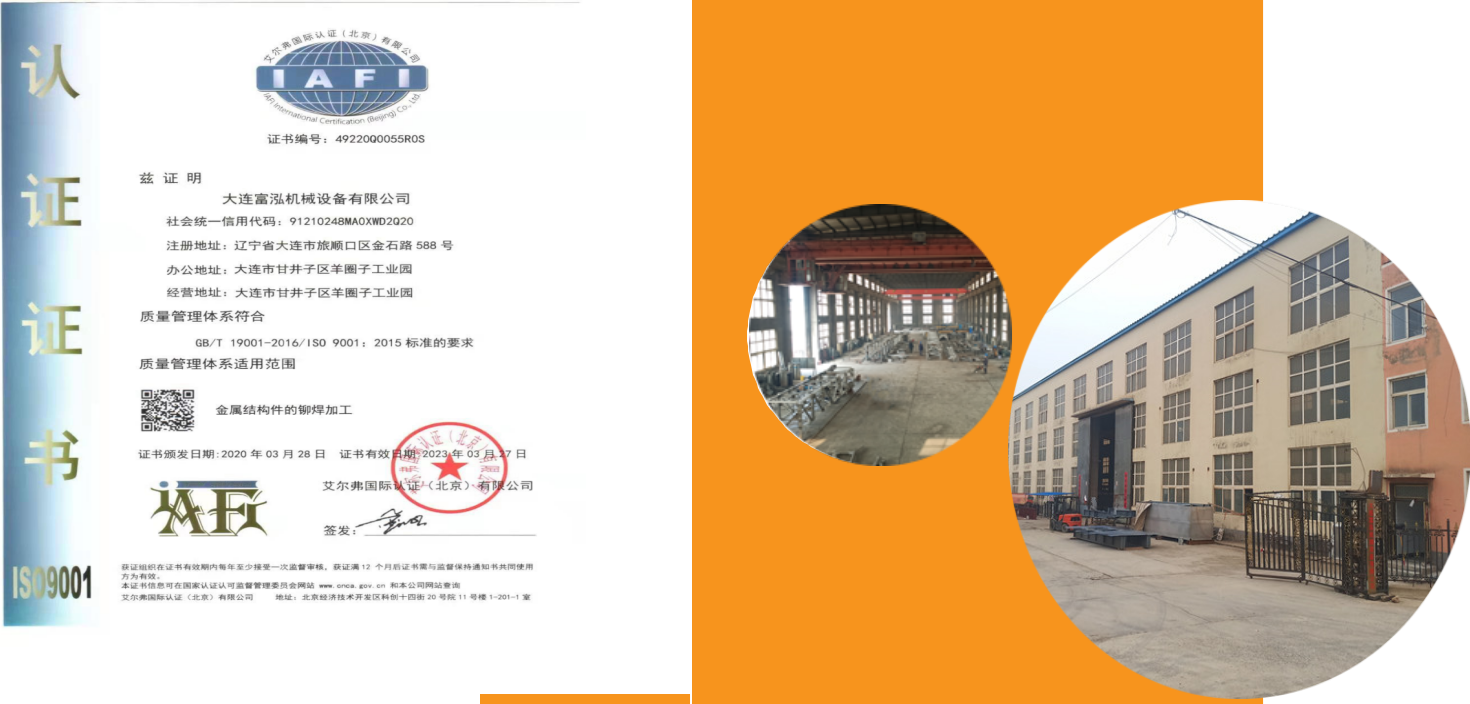
Certifications: ISO 9001, AS 9100 (aerospace), ISO 13485 (medical devices), etc.
5.4 Responsiveness and Collaboration
Communication mechanisms: responsiveness and professionalism of technical clarifications
Problem solving: the ability to analyse and improve when encountering machining difficulties
Flexibility: responsiveness to design changes and urgent needs
Part VI: Future Trends and Innovative Directions in Machining
6.1 Intelligent Upgrade
Adaptive processing: real-time parameter adjustment based on vibration and acoustic emission signals
Predictive maintenance: Predicting tool life and equipment failure through data analysis
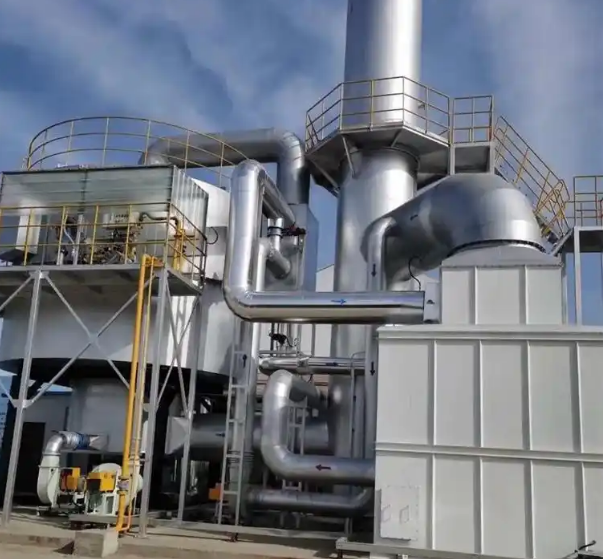
Process optimisation AI: machine learning from historical data to recommend optimal cutting parameters![图片[3]-机加工终极指南:从原理、工艺到现代应用,一文读懂精密制造的核心-大连富泓机械有限公司](https://cndlfh.com/wp-content/uploads/2025/11/QQ20251102-193626.png)
6.2 Composite development
Additive-Subtractive Composites: 3D Printing Near-Net Shaping + CNC Finishing
Multi-functional composite machine tools: mill-turn, mill-grind, and laser material additive and subtractive machines
In-line measurement integration: real-time measurement and compensation during machining processes
6.3 Sustainable Progress
Green cutting: micro lubrication (MQL), low temperature cooling and other environmentally friendly technologies
Energy efficiency: optimising processing parameters to reduce energy consumption
Material utilisation: improved material utilisation through optimised nesting and process chains
Conclusion: Machining – the eternal cornerstone of precision manufacturing and the frontier of innovation
Machining is far more than simply “cutting metal”; it is a complex systems engineering that integrates materials science, machine dynamics, computer science and precision measurement technology. In the rapid development of additive manufacturing, machining has not been replaced, but through the integration of new technologies, continue to expand the boundaries of its own capabilities.
Whether you are a design engineer needing to turn ideas into reality, or a manufacturing company looking to optimise your supply chain, understanding the core principles of machining, process selection and quality control points will help you make better decisions. Truly professional machining services provide more than just “build-to-print” execution; they provide a total solution from design for manufacturability to process optimisation to quality assurance.
Recommendations for next steps:
If you are looking for machining solutions for a specific project, it is recommended to prepare in the following ways:
Organise complete requirements: including 3D models, 2D drawings, material requirements, accuracy levels and acceptance criteria
Define critical features: identify the most critical dimensions and functional surfaces in the part
Considering the full life cycle: including surface treatment, cleaning packaging and other post-treatment needs
Request for process options: request potential suppliers to provide initial process planning and risk assessment


暂无评论内容