Blog

  • Innovaatiot raskaassa teollisuudessa: (Raskas kalustotuotanto maailmanlaajuisen infrastruktuurin ja kehityksen kulmakivenä).

    heavy industryInnovation: a global perspective (heavy equipment manufacturing is a cornerstone of global infrastructure and development)

    I. Introduction: forces shaping the modern world
    The heavy equipment manufacturing industry is a cornerstone of global infrastructure and development. From massive harbour cranes to large excavators working deep underground, this equipment is shaping the contours of our planet in unprecedented ways. The industry is currently undergoing a profound digital transformation, merging traditional machinery with cutting-edge technology to create smarter, more efficient and safer giants-1.

    Second, the core technology to drive the future of the industry
    The following areas of innovation are redefining the standard of “heavy equipment manufacturing”:

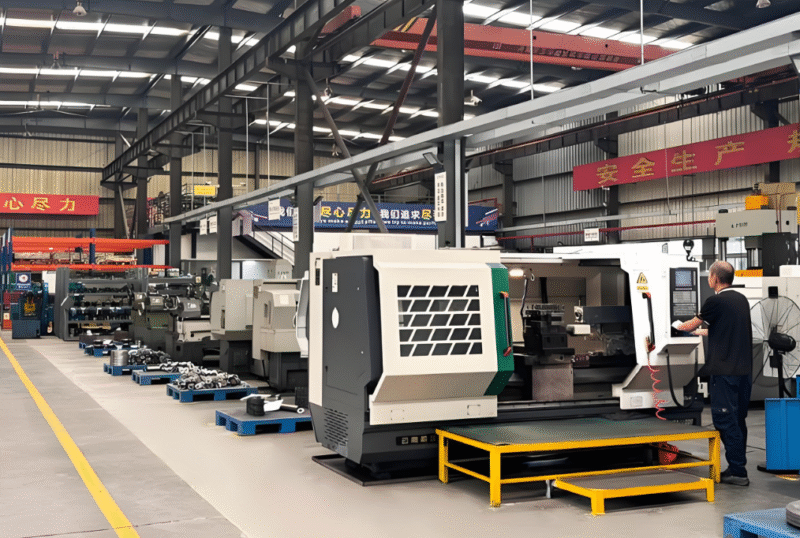
    Integration of automation and robotics图片[1]-重工制造创新:全球视角(重工装备制造业是全球基础设施和发展的基石)-大连富泓机械有限公司

    Automation is no longer a futuristic concept; it is already being used in today’s factories and construction sites. For example, robotic welding arms on production lines ensure perfectly consistent weld seams, while self-driving excavators and dump trucks can work together in pre-determined zones to significantly improve operational precision and employee safety.

    Internet of Things and Data Interconnection

    Modern heavy equipment is increasingly equipped with sensors and IoT modules. These devices collect and transmit performance data, fuel consumption and component health in real time. This makes predictive maintenance possible, with systems that can warn of failures before they occur, minimising costly downtime-8.

    Advanced Materials Science and Sustainability

    The quest for durability and efficiency has driven innovation in materials science. The use of high-strength steels, composite alloys and lightweight materials reduces total equipment weight without sacrificing structural integrity, resulting in lower energy consumption and increased load capacity. At the same time, the development of electric engines and hybrid systems underscores the industry’s commitment to green manufacturing.

    III. Global market trends and opportunities
    Continued global investment in infrastructure development, particularly in emerging regions such as South East Asia, the Middle East and Africa, provides a vast market for heavy equipment manufacturers – 5. Successful companies are those that are able to quickly adapt to localised needs and provide equipment solutions that meet the standards and environmental requirements of a particular region.

    IV. Conclusion: embracing the future of innovation
    Embracing these technological innovations is no longer optional, but a necessity for any heavy equipment manufacturer looking to stay ahead of the curve in a competitive global market. By investing in smart, connected and sustainable technologies, organisations can not only improve operational efficiency, but also contribute to the world’s blueprint for the future.

    ★ Kehotus toimintaan ★
    Are you looking for a reliable partner who can utilise cutting-edge technology to meet your project needs? Feel free to explore our product centre to see how we incorporate innovation into every piece of equipment, or contact us directly for a customised solution.

  • Globaalit näkökulmat: (Keskustellaan siitä, miten kone- ja laitevalmistajat voivat kehittää ja toteuttaa menestyksekkäitä kansainvälistymisstrategioita.)

    Global Perspectives:Raskaan kaluston valmistajatkansainvälistymisstrategia
    1 Johdanto: Paikallisista kuninkaista globaaleiksi toimijoiksi
    Kiinan raskaan kaluston valmistajille globalisaatio ei ole enää vaihtoehto, vaan välttämätön tie selviytymiseen ja kehitykseen. Koska kiinalaisilla yrityksillä on kattava teollisuusjärjestelmä, vahva kustannustenhallintakyky ja yhä kehittyneempi teknologia, ne ovat aloittamassa parasta aikaa "lähteä ulos". Kansainvälisten markkinoiden kehittäminen on kuitenkin täynnä haasteita. Tämän asiakirjan tarkoituksena on keskustella siitä, miten kone- ja laitevalmistajat voivat laatia ja toteuttaa menestyksekkään kansainvälistymisstrategian.

    2 Kansainvälistymispolun vaihtoehdot
    Yritykset voivat valita itselleen sopivan kansainvälistymispolun omien vahvuuksiensa ja strategisten tavoitteidensa mukaan.

    Vientimalli: Kotimaassa tuotettuja tuotteita myydään kohdemarkkinoille paikallisten jakelijoiden kautta tai perustamalla ulkomaisia myyntitytäryhtiöitä. Tämä on yleisin ensisijainen toimintatapa.

    Merentakaiset yrityskaupat: Voimme hankkia nopeasti teknologiaa, tuotemerkkejä, kanavia ja kykyjä hankkimalla kypsiä kansainvälisiä tuotemerkkejä ja toteuttamalla globaalien markkinoiden nopean ulkoasun.

    Paikallinen tuotanto: Perustetaan kokonaan omistettuja tehtaita tai yhteisyrityksiä merentakaisille kohdemarkkinoille "kiinteistömyynnin" aikaansaamiseksi, jolloin voidaan tehokkaasti välttää tulliesteet, olla lähellä asiakkaita ja vastata markkinoiden kysyntään nopeammin.

    3 Kansainvälistymisen keskeiset haasteet ja niihin vastaaminen
    3.1 Vaatimustenmukaisuus ja standardien sertifiointi
    Maailmanlaajuiset markkinat, joilla on erilaiset standardit. Vaatimustenmukaisuus on ensimmäinen este markkinoille pääsylle.

    Vastatoimet: CE-sertifiointi Euroopan unionissa, NRTL-sertifiointi Pohjois-Amerikassa jne.) ja ottaa ne huomioon jo koneiden ja laitteiden tuotesuunnittelun ja valmistuksen alussa.

    3.2 Brändäys ja ansaittu luottamus
    Kansainväliset asiakkaat, erityisesti arvokkaita raskaita laitteita ostavat asiakkaat, jotka arvostavat suuresti tuotemerkin mainetta ja luotettavuutta.

    Vastatoimi: Monikielinen riippumaton verkkosivusto, joka vastaa eurooppalaisten ja amerikkalaisten asiakkaiden estetiikkaa ja jolla on ammattimainen sisältö, on kansainvälisen tuotemerkin digitaalinen käyntikortti-1-4. Samanaikaisesti aktiivinen osallistuminen kansainvälisiin alan näyttelyihin, teknisten artikkelien julkaiseminen arvovaltaisissa teollisuusmedioissa ja kansainvälisten hankkeiden onnistuneiden tapausten esittely ovat kaikki tehokkaita tapoja rakentaa luottamusta.

    3.3 Myynnin jälkeisen palvelujärjestelmän rakentaminen
    "Laitteen myynti on vasta palvelun alku." Paikallisen myynnin jälkeisen tuen puute on monien kansainvälisten ostajien suurin huolenaihe.

    Vastatoimet: Tehokkaan maailmanlaajuisen varaosien toimitusverkoston luominen, paikallisten huoltopalvelukumppaneiden kouluttaminen ja sertifiointi sekä lisätyn todellisuuden käyttäminen asiantuntijoiden etätuen tarjoamiseen ovat kaikki avainasemassa asiakastyytyväisyyden parantamisessa ja uusintakauppojen voittamisessa.

    3.4 Kulttuurienvälinen johtaminen ja lahjakkuusstrategia
    Paikallisen kulttuurin, liiketoimintakäytäntöjen sekä lakien ja asetusten ymmärtäminen ja kunnioittaminen on ulkomailla toimivien tiimien vakaan toiminnan kulmakivi.

    Vastatoimet: Toteutetaan lahjakkuuksien lokalisointistrategia palkkaamalla paikalliset markkinat tuntevaa johtohenkilöstöä; samalla tarjotaan järjestelmällistä kulttuurienvälistä viestintäkoulutusta ulkomaille sijoitetuille kiinalaisille työntekijöille.

    4 Menestystarinoita: Foshanista maailmalle
    Olemme kokeneet kasvun paikallisesta Foshanin yrityksestä kansainväliseksi koneiden ja laitteiden valmistajaksi.

    Alkuvaihe: Keskitymme tuotteen tehon parantamiseen, jotta varmistetaan, että raskaiden laitteiden valmistuksen ydintoiminnot ja luotettavuus saavuttavat kansainväliset standardit.

    Uraauurtava ajanjakso: Valitsimme läpimurtostrategian avainmarkkinoilla, ensin Kaakkois-Aasiassa ja Lähi-idässä, ja avasimme markkinat kehittämällä laadukkaita agentteja ja tarjoamalla joustavia rahoitusratkaisuja.

    Syventävä ajanjakso: Se ei ainoastaan säilyttänyt brändiään ja tiimiään, vaan myös alensi kustannuksiaan tuomalla Kiinan toimitusketjun edut ja saavutti synergisen kehityksen.

    Tulokset: Tällä hetkellä meillä on toimintaa yli 50 maassa ja alueella ympäri maailmaa, ja ulkomaisen myynnin osuus yhtiön kokonaistuloista on kasvanut viiden vuoden takaisesta alle 10%:stä nykyiseen 60%:hen.

    5 Suosituksia merelle lähteville yrityksille
    Tee kotiläksysi: Tee riittävä markkinatutkimus ymmärtääksesi kilpailutilannetta, asiakkaiden mieltymyksiä ja kohdemarkkinoiden kanavarakennetta.

    Rakenna terävä työkalu: varmista, että tuotteillasi ja ratkaisuillasi on ainutlaatuinen kilpailuetu, joka ratkaisee paikallisten asiakkaiden todellisia kipupisteitä.

    Digitaalisen markkinoinnin hyödyntäminen: ammattimaisen ulkomaankaupan riippumattoman verkkosivuston rakentaminen ja Googlen hakukoneoptimoinnin toteuttaminen, jotta potentiaaliset asiakkaat ympäri maailmaa voivat aktiivisesti löytää sinut, mikä on edullinen ja pitkäaikainen vaikutus asiakashankintaan-1-4.

    Säilytä kärsivällisyyttä ja päättäväisyyttä: kansainvälistyminen on maraton, ei 100 metrin juoksu. Se vaatii pitkäaikaisia investointeja ja jatkuvaa kyntämistä.

    6 Päätelmät
    Tie globalisaatioon on pitkä ja vaikea, mutta tie tulee. Kiinan raskaiden laitteiden valmistajat, jotka haluavat näyttää taitonsa maailmanlaajuisella näyttämöllä, voivat varmasti kaivertaa oman nimensä maailmankartalle ja tehdä "Made in China" -merkinnästä laadun ja luotettavuuden synonyymin, kunhan ne perustuvat erinomaisiin tuotteisiin, kunhan niitä ohjaavat syvälliset markkinatuntemukset ja kunhan niitä tukee vankka strateginen päättäväisyys.

  • Tulevaisuuden innovaatiot: viisi raskaan kaluston valmistuksen teknologista suuntausta (raskaan kaluston valmistuksen tulevaisuus keskittyy enemmän ihmisen ja koneen väliseen yhteistyöhön).

    Innovation drives the future:Heavy Equipment ManufacturingFive Technology Trends
    1 Introduction: The Changing Field of Heavy Industry
    In the context of the global move towards intelligence and greening, the field of heavy equipment manufacturing is experiencing a profound technological revolution. Traditional mechanical equipment is being deeply integrated with a new generation of information technology, giving rise to more efficient, safer and more environmentally friendly solutions. This article will provide you with an in-depth analysis of the five key technology trends that are currently shaping the future of heavy equipment manufacturing, and help you stay ahead of the industry changes.

    2 Analysis of five major technology trends
    2.1 Automation and Intelligence
    Automation is no longer a new concept, but intelligence gives a new connotation to heavy equipment manufacturing.

    Driverless and remote control: In mining, harbours and other scenarios, driverless trucks and remote-controlled excavators have been put into practice, significantly improving operational safety and efficiency-3.

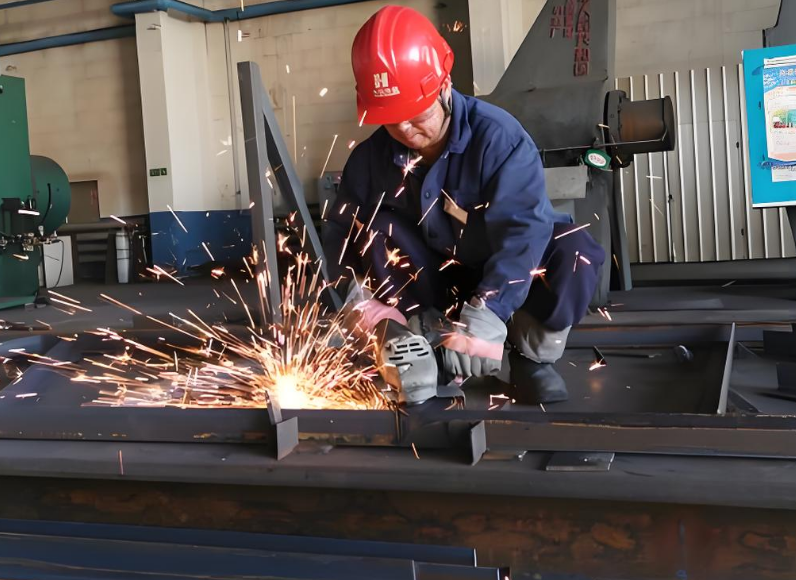
    Predictive maintenance: Through on-board sensors and IoT technology, equipment can analyse its own health status in real time and predict potential failures, turning “reactive maintenance” into “proactive maintenance” and minimising downtime-9.图片[1]-创新驱动未来:重工设备制造的五大技术趋势(未来的重工设备制造将更加聚焦于“人机协同”)-大连富泓机械有限公司

    2.2 Digital twins
    Digital twinning, which involves building a digital model in virtual space that corresponds exactly to a physical entity, is changing the R&D and O&M model of heavy equipment manufacturing.

    Simulation and optimisation can be carried out in the design phase through digital models, reducing the cost and risk of physical testing.

    In the operations and maintenance phase, real-time data from physical equipment drives digital models that can be used for troubleshooting, operator training and operational scenario previews.

    2.3 Green and Sustainable Development
    Increasingly stringent environmental regulations and the global quest for sustainable development are driving a green transition in heavy equipment manufacturing.

    New energy power: R&D and application of pure electric and hybrid construction machinery is accelerated to reduce carbon emissions on construction sites-3.

    Noise and Dust Control: Advanced noise reduction technology and efficient dust removal systems have become important selling points for new equipment.

    Remanufacturing and recycling: Repairing or upgrading old parts through precision machining technology to extend the life cycle of equipment and reduce resource consumption.

    2.4 Applications of Additive Manufacturing (3D Printing)
    3D printing technology is moving from prototyping to the production of functional parts in heavy equipment manufacturing.

    Complex part manufacturing: Complex internal runners or lightweight structures that are difficult to achieve with conventional machining can be moulded in one go-9.

    Rapid spare parts supply: For out-of-production equipment or urgently needed spare parts, 3D printing can greatly shorten the delivery cycle and safeguard the customer’s production.

    2.5 Modular Design and Flexible Production
    In order to meet the diversified and individual needs of the market, modular design has become the trend.

    Advantage: By breaking down the equipment into several standard functional modules, it is possible to quickly configure products to meet different customer needs and shorten the design and manufacturing cycle.

    Value: This not only improves the market response speed of machinery and equipment manufacturers, but also brings more flexible equipment selection and upgrade solutions to customers.图片[2]-创新驱动未来:重工设备制造的五大技术趋势(未来的重工设备制造将更加聚焦于“人机协同”)-大连富泓机械有限公司

    3 Success Stories: The Power of Intelligence
    We supplied an intelligent mine crushing plant to a large cement group.

    Challenge: The customer wanted to reduce the number of personnel on site and increase overall equipment utilisation.

    Solution: We equipped it with a comprehensive sensor network and 5G communication module, enabling remote status monitoring, fault diagnosis and unmanned operation of the equipment. Meanwhile, based on operational big data, we optimised the crusher’s operating parameters.

    Achievements: The customer has realised the “black light factory” type of mining operation, the manpower cost has decreased by more than 60%, and the comprehensive efficiency of the equipment has increased by 15%, which fully demonstrates the great potential of the intelligent heavy industry equipment manufacturing.

    4 Future prospects
    prospectiveHeavy Equipment ManufacturingThere will be a greater focus on “human-machine collaboration”. Artificial intelligence technology will enable equipment to have stronger environmental awareness and autonomous decision-making capabilities, while operators will play more of a managerial and decision-making role. At the same time, data-based services will become the new core competitiveness of manufacturing enterprises.

    5 Päätelmät
    Technological innovation is the fundamental driving force that drives the heavy equipment manufacturing industry forward. Embracing automation, digitalisation and green technology is not only a need to enhance product competitiveness, but also an inevitable choice to respond to the development of the times. We are always committed to integrating cutting-edge technology into our machinery and equipment manufacturing practices to create future-oriented superior value for our customers.
    1 Introduction: The Changing Field of Heavy Industry
    In the context of the global move towards intelligence and greening, the field of heavy equipment manufacturing is experiencing a profound technological revolution. Traditional mechanical equipment is being deeply integrated with a new generation of information technology, giving rise to more efficient, safer and more environmentally friendly solutions. This article will provide you with an in-depth analysis of the five key technology trends that are currently shaping the future of heavy equipment manufacturing, and help you stay ahead of the industry changes.

    2 Analysis of five major technology trends
    2.1 Automation and Intelligence
    Automation is no longer a new concept, but intelligence gives a new connotation to heavy equipment manufacturing.

    Driverless and remote control: In mining, harbours and other scenarios, driverless trucks and remote-controlled excavators have been put into practice, significantly improving operational safety and efficiency-3.

    Predictive maintenance: Through on-board sensors and IoT technology, equipment can analyse its own health status in real time and predict potential failures, turning “reactive maintenance” into “proactive maintenance” and minimising downtime-9.

    2.2 Digital twins
    Digital twinning, which involves building a digital model in virtual space that corresponds exactly to a physical entity, is changing the R&D and O&M model of heavy equipment manufacturing.

    Simulation and optimisation can be carried out in the design phase through digital models, reducing the cost and risk of physical testing.

    In the operations and maintenance phase, real-time data from physical equipment drives digital models that can be used for troubleshooting, operator training and operational scenario previews.

    2.3 Green and Sustainable Development
    Increasingly stringent environmental regulations and the global quest for sustainable development are driving a green transition in heavy equipment manufacturing.

    New energy power: R&D and application of pure electric and hybrid construction machinery is accelerated to reduce carbon emissions on construction sites-3.

    Noise and Dust Control: Advanced noise reduction technology and efficient dust removal systems have become important selling points for new equipment.

    Remanufacturing and recycling: Repairing or upgrading old parts through precision machining technology to extend the life cycle of equipment and reduce resource consumption.

    2.4 Applications of Additive Manufacturing (3D Printing)
    3D printing technology is moving from prototyping to the production of functional parts in heavy equipment manufacturing.

    Complex part manufacturing: Complex internal runners or lightweight structures that are difficult to achieve with conventional machining can be moulded in one go-9.

    Rapid spare parts supply: For out-of-production equipment or urgently needed spare parts, 3D printing can greatly shorten the delivery cycle and safeguard the customer’s production.

    2.5 Modular Design and Flexible Production
    In order to meet the diversified and individual needs of the market, modular design has become the trend.

    Advantage: By breaking down the equipment into several standard functional modules, it is possible to quickly configure products to meet different customer needs and shorten the design and manufacturing cycle.

    Value: This not only improves the market response speed of machinery and equipment manufacturers, but also brings more flexible equipment selection and upgrade solutions to customers.

    3 Success Stories: The Power of Intelligence
    We supplied an intelligent mine crushing plant to a large cement group.

    Challenge: The customer wanted to reduce the number of personnel on site and increase overall equipment utilisation.

    Solution: We equipped it with a comprehensive sensor network and 5G communication module, enabling remote status monitoring, fault diagnosis and unmanned operation of the equipment. Meanwhile, based on operational big data, we optimised the crusher’s operating parameters.

    Achievements: The customer has realised the “black light factory” type of mining operation, the manpower cost has decreased by more than 60%, and the comprehensive efficiency of the equipment has increased by 15%, which fully demonstrates the great potential of the intelligent heavy industry equipment manufacturing.

    4 Future prospects
    The future of heavy equipment manufacturing will focus more on “human-machine collaboration”. Artificial intelligence technology will enable equipment to have stronger environmental awareness and autonomous decision-making capabilities, while operators will play more of a manager and decision-maker role. At the same time, data-based services will become the new core competitiveness of manufacturing enterprises.

    5 Päätelmät
    Technological innovation is the fundamental driving force that drives the heavy equipment manufacturing industry forward. Embracing automation, digitalisation and green technology is not only a need to enhance product competitiveness, but also an inevitable choice to respond to the development of the times. We are always committed to integrating cutting-edge technology into our machinery and equipment manufacturing practices to create future-oriented superior value for our customers.

  • Koneiden ja laitteiden valmistus: miten valita luotettava teollisuuskumppani? (Mitkä ovat useimmiten huomiotta jätetyt tekijät koneiden ja laitteiden valmistajia arvioitaessa?)

    Koneiden ja laitteiden valmistus: Miten valita luotettava teollisuuskumppani?
    1 Johdanto: Laatu alkaa valinnasta
    Kone- ja laitevalmistus on maailmanlaajuisen teollisuusketjun kulmakivi, joka tukee eri teollisuudenalojen kehitystä. Tehokkaasta tuotantolinjasta valtavaan rakennuskoneeseen, luotettava kone- ja laitevalmistaja on välttämätön sen takana. Kun toimittajia on niin paljon, viisaan valinnan tekemisestä tulee kriittinen ensimmäinen askel projektin onnistumisen varmistamiseksi ja sijoitetun pääoman tuoton lisäämiseksi. Tässä artikkelissa paljastetaan ammattimaisen kone- ja laitevalmistuskumppanin valinnan keskeiset tekijät.

    2 Erikoiskoneiden ja -laitteiden valmistajien ydinosaaminen
    Ammattimaisen kone- ja laitevalmistajan arvo näkyy monien ulottuvuuksien kattavissa valmiuksissa.

    2.1 Kehittyneet tuotanto- ja testauslaitteet
    CNC-työstökeskukset: varmistavat korkean tarkkuuden ja toistettavuuden monimutkaisten kappaleiden työstössä-9.

    Automatisoitu hitsausrobotti: 3.

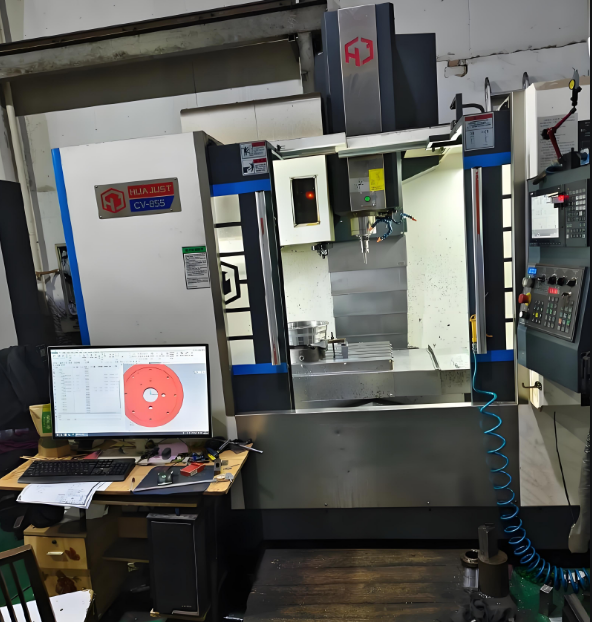
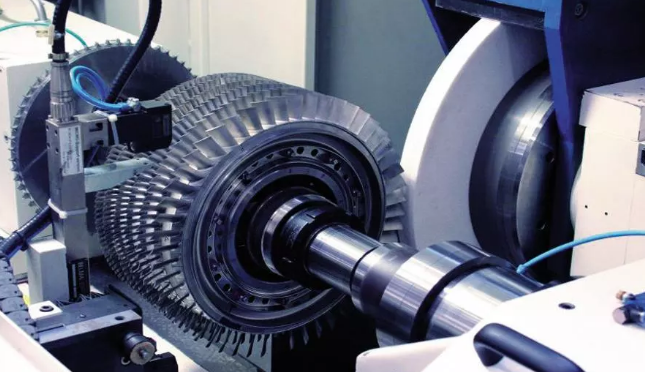
    CMM & Laser Tracker: Tarkkojen laatutietojen tarjoaminen suurten raskaiden laitteiden valmistukseen.图片[1]-机械设备制造:如何选择可靠的工业合作伙伴?(在评估机械设备制造商时,最常被忽视的因素是什么?)-大连富泓机械有限公司

    2.2 Kattava tekninen pätevyys ja sertifiointi
    Pätevyys on luottamuksen kulmakivi. Ammattimaisilla valmistajilla on yleensä:

    ISO 9001 -laadunhallintajärjestelmän sertifiointi: varmistaa, että jokainen vaihe suunnittelusta toimitukseen on hyvin dokumentoitu-9.

    Toimialakohtaiset sertifioinnit, kuten CE (eurooppalainen turvallisuussertifiointi), API (American Petroleum Institute Certification) jne., ovat passit, joiden avulla tuotteet pääsevät tietyille markkinoille-6.

    Hitsausjärjestelmien sertifiointi, kuten EN 15085 (kiskokaluston hitsaus) tai ISO 3834 (metallien sulahitsauksen laatuvaatimukset), on välttämätöntä raskaiden laitteiden valmistuksessa.

    3 Raskaan kaluston valmistuksen erityispiirteet ja haasteet
    Raskaiden laitteiden valmistus, kuten kaivoskoneiden, suurten satamakoneiden tai metallurgisten laitteiden tuotanto, edellyttää suurempaa monimutkaisuutta ja erikoistumista.

    Kyky käsitellä suuria rakenneosia: Valmistajilla on oltava keskeiset laitteet, kuten suuret portaalijyrsimet ja suuret levyrullat, jotta ylimitoitettujen työkappaleiden työstö ja muokkaus voidaan suorittaa loppuun.

    Poikkeuksellinen hitsaustekniikka: Joskus laadunvarmistus tehdään rikkomattoman testauksen avulla (esim. ultraääni- tai röntgensäteilyllä)-3. Raskasta kalustoa valmistettaessa monet hitsaukset ovat kriittisiä ja vaativat pätevien hitsaajien käyttämiä erikoishitsausprosesseja.

    Hankkeen integroinnin hallintakyky: Tämä edellyttää valmistajilta erittäin vahvaa projektinhallinta- ja logistiikkakoordinointikykyä.

    4 Menestystarinoita: miten luottamus rakentuu
    Olemme tehneet yhteistyötä yhden maailman johtavan kaivosyhtiön kanssa toimittaaksemme sen keskeiset murskaus- ja seulontajärjestelmät.

    Haaste: Laitteiden ankara työympäristö edellyttää materiaalilta korkeaa kulutuskestävyyttä ja koko koneen luotettavuutta.

    Ratkaisu: Insinöörimme käyttävät äärellisten elementtien analyysiä rakenteiden optimointiin suunnitteluvaiheessa, käyttävät erittäin lujia teräslevyjä koneiden ja laitteiden valmistusprosessin aikana tärkeimpiin rasituskomponentteihin ja suorittavat tiukkoja vikojen tarkastuksia kaikissa hitsausliitoksissa.

    Saavutus: Asiakas on tunnustanut tämän erittäin myönteisesti, ja se vahvistaa syvää vahvuuttamme raskaan teollisuuden laitteiden valmistuksen alalla.

    5 usein kysyttyä kysymystä
    Kysymys: Mitkä tekijät jäävät useimmiten huomiotta koneiden ja laitteiden valmistajia arvioitaessa?
    V: Usein kyse on toimitusketjun kestävyydestä. Vankka toimitusketju varmistaa, että raaka-aineista ja keskeisistä komponenteista ei ole pulaa tuotannon kriittisinä hetkinä, mikä on tärkeä tae oikea-aikaiselle toimitukselle.

    K: Miten voin tarkistaa valmistajan todellisen tuotantokapasiteetin?
    V: Mainosmateriaalien tarkistamisen lisäksi tehtaalla tehtävä tarkastus on olennainen osa. Keskity tehtaan 5S-hallintaan, laitteiden kunnossapitotilanteeseen ja keskeneräisen työn laatutilanteeseen.

    K: Voitteko räätälöidä tarpeisiimme sopivaksi?
    V: Tietenkin. Räätälöity suunnittelu ja erittäin mukautuva tuotantokapasiteetti ovat yksi nykyaikaisen kone- ja laitevalmistuksen ydinpalveluista. Voimme tehdä tiivistä yhteistyötä teknisen tiimisi kanssa koko prosessin ajan, konseptisuunnittelusta tuotteen toimitukseen.

    6 Päätelmät
    Sopivan vaihtoehdon valitseminenKoneiden ja laitteiden valmistuskumppani, on tärkeä strateginen päätös. Kun keskityt heidän teknisiin laitteisiinsa, pätevyyteensä, alan kokemukseensa ja projektinhallintaosaamiseensa, voit tehdä valintasi varmemmin. Odotamme innolla, että voimme olla luotettava teollisuuskumppanisi laajan kokemuksemme ja teknisen asiantuntemuksemme ansiosta koneenrakennuksen ja raskaan kaluston valmistuksen aloilla.

  • 5 Tarkkuuskoneistuksen edut: Miksi valita ammattimainen prosessori? (Ammattimainen työstö voi lisätä tuottavuutta merkittävästi optimoimalla työstöratoja ja käyttämällä automatisoituja laitteita).

    Tarkkuuskoneistus5 etua: Miksi valita ammattimainen käsittelylaitos?
    1 Johdanto: tarkkuustyöstön arvo
    Kilpailukykyisessä tuotantoympäristössä tarkkuuskoneistuksesta on tullut keskeinen tuotteen laadun ja suorituskyvyn määrittäjä. Ammattimaisen koneistuslaitoksen valitseminen ei ainoastaan takaa kappaleiden tarkkuutta, vaan myös optimoi tuottavuutta ja vähentää kustannuksia. Tässä artikkelissa kerromme yksityiskohtaisesti ammattimaisen tarkkuuskoneistuksen viidestä edusta, jotta voit tehdä tietoon perustuvia ostopäätöksiä.

    2 Viiden keskeisen edun analyysi
    2.1 Erittäin suuri mittatarkkuus ja toistettavuus
    Ammattimaisissa koneistuspalveluissa käytetään huipputeknisiä CNC-koneita, joilla voidaan saavuttaa millimetritason tarkkuusohjaus. Tämä on ratkaisevan tärkeää sovellustilanteissa, joissa toleranssivaatimukset ovat tiukat:

    Johdonmukaisuus: korkea johdonmukaisuus jokaisessa sarjatuotannossa olevassa osassa.

    Hyvä vaihdettavuus: osia koottaessa ei tarvita lisämuutoksia.

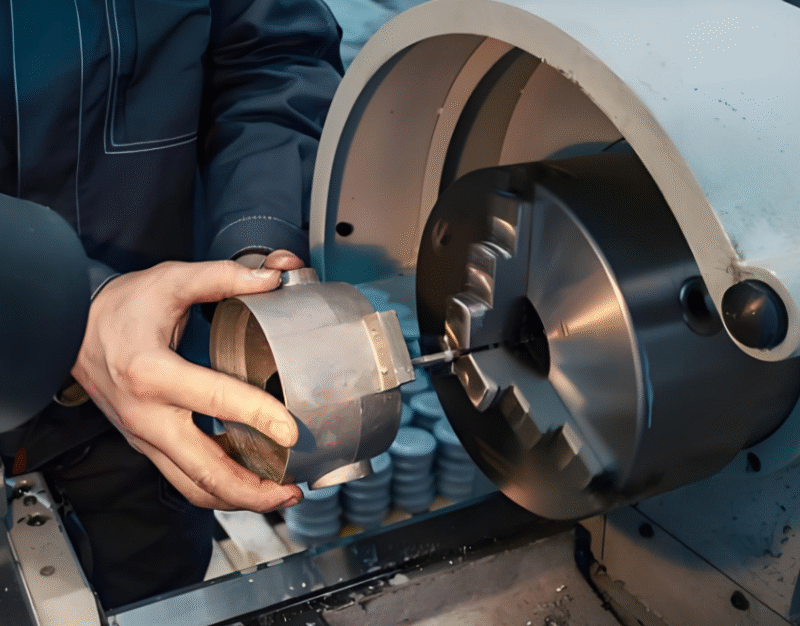
    Suunnittelun korkea toteutumisaste: suunnittelijan aikomusten ja vaatimusten tarkka toteuttaminen - 6图片[1]-精密机械加工的5大优势:为什么选择专业加工厂?(通过优化加工路径和采用自动化设备,专业机械加工能显著提高生产效率)-大连富泓机械有限公司

    2.2 Laaja valikoima materiaalien mukautuvuutta
    Toisin kuin tavallisessa konepajassa, erikoistuneessa konepajassa pystytään käsittelemään monenlaisia materiaaleja:

    Rautametallit: hiiliteräs, seosteräs, ruostumaton teräs jne.

    Muut kuin rautametallit: alumiini, kupari, titaani ja niiden seokset.

    Erikoismateriaalit: korkean lämpötilan seokset, komposiittimateriaalit jne.

    Tunnemme eri materiaalien ominaisuudet ja työstövaikeudet ja voimme valita projektisi kannalta sopivimman materiaalin.

    2.3 Tehokas tuotantokapasiteetti
    Optimoimalla työstöradat ja käyttämällä automatisoituja laitteita ammattimainen työstö voi lisätä tuottavuutta merkittävästi:

    Lyhyemmät toimitusajat: nopea reagointi asiakkaiden tarpeisiin.

    Yksikkökustannusten aleneminen: prosessin optimoinnin ja volyymivaikutusten ansiosta.

    Joustavuus mukautua: Joustavuus mukauttaa tuotantoaikatauluja tilausmäärien mukaan - 4

    2.4 Kattava laadunvarmistusjärjestelmä
    Muodollinen työstölaitosOn perustettu kattava laadunhallintajärjestelmä:

    Vakioitu prosessi: piirustusten tarkistamisesta tehtaalta lähtevään valmiiseen tuotteeseen on olemassa selkeät eritelmät prosessin jokaista vaihetta varten.

    Ammattimainen tarkastuslaitteisto: kolmen koordinaatin, optisen projektorin ja muiden laitteiden käyttö kattavaan tarkastukseen.

    Jäljitettävyysjärjestelmä: laaditaan täydellinen laadun jäljitettävyysjärjestelmä, jolla varmistetaan, että jokaisen osan alkuperä voidaan jäljittää -3

    2.5 Tekninen tuki ja suunnittelun optimointi
    Ammattitaitoiset valmistajat eivät ainoastaan käsittele piirustuksen mukaan, vaan tarjoavat myös lisäarvopalveluja asiakkaille:

    Suositukset suunnittelun optimointia varten: parannusehdotuksia valmistusprosessin näkökulmasta

    Ongelmanratkaisu: auttaa asiakkaita ratkaisemaan teknisiä ongelmia tuotannossa.

    Kustannusten valvontaa koskevat suositukset: auttaa vähentämään valmistuskustannuksia laadun säilyttäen.

    3 onnistunutta tapausta: Automotive Parts Processing
    Olemme tarjonneet koneistuspalveluja autoteollisuuden osien toimittajalle. Autoimme asiakasta optimoimalla koneistusprosessin ja tiukalla laadunvalvonnalla:

    Tuotevirheiden määrän väheneminen: 3,2%:stä alle 0,5%:hen.

    Tuottavuuden parantaminen: yhden kappaleen käsittelyaika lyhenee 18%:llä.

    Kustannussäästöt: vuotuisten tuotantokustannusten väheneminen noin $250,000

    4 Miten valita ammattimainen käsittelylaitos?
    Kun valitset koneistuspalvelun tarjoajaa, on suositeltavaa ottaa huomioon seuraavat tekijät:

    Laitteiden kunto: tarkista käsittelylaitteiden merkki, malli ja uutuus.

    Tekninen tiimi: tutustu teknikkojen pätevyyteen ja kokemukseen.

    Laatusertifioinnit: varmistakaa, että asiaankuuluvat alan sertifikaatit ovat saatavilla.

    Vertailutapaukset: tutkitaan, onko samankaltaisilla toimialoilla menestyksekkäitä tapauksia-6.

    5 Päätelmät
    Nykypäivän yhä kehittyneemmällä valmistusteollisuudella on ratkaisevan tärkeää valita ammattimainen koneistamo. Kehittyneiden laitteiden, ammattitaitoisen teknisen tiimin ja kattavan laadunhallintajärjestelmän avulla voimme tarjota korkealaatuisia koneistuspalveluja projekteihisi. Ota rohkeasti yhteyttä meihin keskustellaksesi koneistustarpeistasi.

  • Niittihitsauksen käsittelylaitoksen tulevaisuus: automaatio ja älykäs muutos (automaatio ja älykkyys eivät ole valintakysymys, vaan niittihitsauksen käsittelylaitoksen selviytyminen ja tien kehitys).

    Niittihitsauksen käsittelylaitosTulevaisuus: automaatio ja älykäs muutos
    1 Toimialan muutokset ja mahdollisuudet
    Niittaus- ja hitsausprosessointi on valmistusteollisuuden peruspalvelu, ja se kokee syvällisiä teknologisia muutoksia. Perinteiset hitsaus- ja niittausprosessit yhdistyvät vähitellen automaatioon ja digitaalitekniikkaan, mikä johtaa niittien käsittelylaitosten tehokkuuden ja laadun paranemiseen. Tässä artikkelissa keskustelemme tästä muutossuunnasta ja jaamme käytännön kokemuksiamme automaatiosta ja älykkyydestä.

    2 Automaattisen niittaustekniikan soveltaminen
    2.1 Robottihitsausjärjestelmät
    Olemme ottaneet käyttöön useita robottihitsausjärjestelmiä, jotka tarjoavat merkittäviä etuja niittaus- ja hitsausprosesseissa:

    Johdonmukaisuuden parantaminen: Hitsauksen laatuun vaikuttavien inhimillisten tekijöiden eliminoiminen

    Tehokkuuden lisääminen: jatkuva 24 tunnin toiminta mahdollistetaan.

    Vähennetty vaikeusaste: Yksinkertaistettu hitsausprosessi monimutkaisia hitsaussaumoja varten.

    Työympäristön parantaminen: Hitsaajien altistumisen vähentäminen höyryille ja kirkkaalle valolle-7图片[1]-铆焊加工厂的未来:自动化与智能化转型(自动化与智能化不是选择题,而是铆焊加工厂 生存和发展的必由之路)-大连富泓机械有限公司

    2.2 Automaattiset havaitsemisjärjestelmät
    Laadunvalvonnan automatisointi on toinen älykkään niittaus- ja hitsauslaitoksen tärkeä ominaisuus:

    Visuaalinen tunnistusjärjestelmä: hitsauspaikkojen ja kosmeettisten vikojen automaattinen tunnistaminen.

    Automaattinen ultraäänitarkastus: hitsisauman sisäisen laadun täydellinen tarkastus pistokoeluonteisen tarkastuksen sijaan.

    Reaaliaikainen tiedonseuranta: hitsausparametrien kerääminen ja analysointi laatuhälytyksiä varten.

    2.3 Älykäs tuotannonohjausjärjestelmä
    Olemme kehittäneet tuotannonohjausjärjestelmän erityisesti niittausta ja hitsausta varten:

    Älykäs tilausten aikataulutus: automaattinen aikataulutus laitekuorman ja toimituspäivän mukaan.

    Tarkka materiaalien laskenta: materiaalitarpeiden automaattinen laskenta, joka vähentää ylijäämämateriaalien määrää.

    Tuotantoprosessien seuranta: tuotannon edistymisen ja pullonkaulaprosessien reaaliaikainen seuranta-4

    3 Älykkään muutoksen käytännön polku
    Kokemuksemme perusteella.Niittihitsauksen käsittelylaitos Älykäs muuntaminen voidaan toteuttaa vaiheittain:

    3.1 Ensivaihe: perusautomaatio
    Tärkeimmät vaiheet:

    Yhden robottihitsaustyöaseman käyttöönotto

    Taustalla olevan digitaalisen hallintajärjestelmän toteuttaminen

    Työntekijöiden kouluttaminen automatisoitujen laitteiden käyttöön

    3.2 Keskitaso: järjestelmien integrointi
    Tärkeimmät vaiheet:

    Automaattisten hitsauslinjojen perustaminen

    MES-järjestelmän (Manufacturing Execution System) käyttöönotto.

    Sisäisen tiedonkeruu- ja analyysijärjestelmän rakentaminen

    3.3 Edistynyt vaihe: älykäs päätöksenteko
    Tärkeimmät vaiheet:

    Tekoälyalgoritmien soveltaminen prosessiparametrien optimointiin

    Ennakoivan kunnossapidon mahdollistaminen big datan avulla

    "Digitaalisten kaksosten" rakentaminen tuotannon simuloimiseksi ja optimoimiseksi - 4

    4 Transformatiiviset hyödyt ja haasteet
    4.1 Mitattavat hyödyt
    Automaation käyttöönoton jälkeen niittaus- ja hitsaustoiminnassamme on saavutettu merkittäviä tuloksia:

    Tuotannon tehokkuus: 35% tai enemmän

    Materiaalin käyttö: 85%:stä 93%:iin.

    Tuotteen laatu: kertatoimitustarkastuksen läpäisyaste on 98,5%.

    Energiatehokkuus: energiankulutus tuoteyksikköä kohti vähenee 22%:llä.

    4.2 Haasteet ja ratkaisut
    Muutosprosessi on myös asettanut meille useita haasteita:

    Teknisen henkilöstön puute: teknisten tiimien rakentaminen sisäisellä koulutuksella ja ulkopuolisella maahantuonnilla.

    Sijoittaminen paineen alla: vaiheittaisen sijoitusstrategian käyttöönotto tuottojen varmistamiseksi kaikissa vaiheissa.

    Perinteisten prosessien ja automaation lähentyminen: joidenkin perinteisten prosessien säilyttäminen ja asteittainen siirtyminen.

    5 Tulevaisuuden näkymät
    Teollisuus 4.0 -teknologian kehittyessä edelleen niittaus- ja hitsauslaitoksissa syntyy lisää uusia suuntauksia:

    Joustava tuotanto: sopeutuminen markkinoiden kysyntään pienten määrien ja useiden lajikkeiden osalta.

    Etävalvonta ja -huolto: laitteiden etädiagnoosi ja -huolto IoT-teknologian avulla.

    Vihreä valmistus: ympäristöystävällisempien hitsausmateriaalien ja -prosessien käyttö-7

    6 Päätelmät
    Automaatio ja älykkyys eivät ole monivalintakysymyksiä vaanNiittihitsauksen käsittelylaitos Tie selviytymiseen ja kehitykseen. Alan jäsenenä edistämme jatkossakin teknologisia innovaatioita, jotta voimme tarjota asiakkaillemme laadukkaampia ja tehokkaampia niittaus- ja hitsauspalveluja. Tervetuloa vertaiset ja asiakkaat vierailemaan ja vaihtamaan tietoja ja edistämään yhdessä alan kehitystä.

  • Niittaus ja työstö: miten valita luotettava kumppani (ammattimainen niittaus ja työstö yksityiskohtaisesti)

    Niittaava jatyöstö: How to choose a reliable partner?
    1 Specialised Rivet Welding Machining Services Detail
    Riveting is a key process in modern manufacturing, where metal parts are securely joined together by riveting, welding and other means. Our riveting and welding fabrication services cover a wide range of processes, including:

    Arc welding: for large structural parts and thick plates

    Gas Shielded Welding: Provides Cleaner, More Accurate Welds

    Resistance welding: suitable for mass production

    Laser welding: Towards high-precision, micro-deformation welding

    With our advanced equipment and experienced technical team, we can provide the most suitable welding solution according to your project needs-7.

    2 Precision machining capability
    As a specialised machine shop, we offer a full range of services from prototyping to mass production. Our machining capabilities include:

    CNC machining: high precision, high repeatability part production

    Turning: Machining of shafts, discs and other rotary parts

    Milling: planar and curved surfaces of complex shapes

    Drilling: Hole machining of various sizes

    We understand the importance of precision machining to product quality, so we strictly implement the ISO 9001 quality management system to ensure that every part meets specifications-6.

    3 Quality Assurance and Industry Applications
    Quality is the lifeline of manufacturing. We ensure product quality through multiple testing processes:

    Incoming Material Inspection: Strict testing of all incoming materials

    Process control: real-time monitoring of key parameters during the production process

    Final Inspection: Use CMM, hardness tester and other professional equipments to carry out comprehensive inspection on the finished products.

    Our riveting and machining services have been used in a wide range of industries:

    Aerospace: welding and machining of aircraft structural and engine components

    Automotive manufacturing: body welding, engine parts machining

    Heavy equipment: Manufacture of structural parts for excavators, cranes and other large equipment

    Energy sector: Manufacture of metal structures for wind power equipment and oil rigs-3

    4 Frequently Asked Questions
    Q: What is the maximum size of workpiece your riveting process can handle?
    A: Our factory has large welding platforms and lifting equipment that can handle large workpieces up to 12 metres in length and 8 tonnes in weight.

    Q: Can you provide small batch machining service?
    A: Sure. We accept a wide range of orders from small trial runs to large-scale production, and are flexible enough to adjust to your needs.

    Q: How to ensureWelding quality?
    A: All of our welders hold professional certifications and use non-destructive testing techniques (e.g., X-ray, ultrasonic testing) to assess the quality of critical welds-7.

    If you are looking for a reliable riveting processing plant and työstö service provider, please feel free to contact us. We will provide you with professional advice and quality services.

  • Koneistuksen laadunvalvonta ja alan trendit (Kokonaisvaltaisen koneistuksen laadunhallintajärjestelmän rakentaminen)

    The pursuit of excellence:Machining quality controland industry development trends
    guide (e.g. book or other printed material)
    In an increasingly competitive market, “machining” quality is the lifeline of enterprises. This article focuses on the “machining” of the total quality management system, process optimisation, and look forward to the policy and technology under the dual-wheel drive, the machining industry towards intelligent, high-precision future scenarios.

    Building a comprehensive machining quality management system
    Consistent processing quality is the key to winning the market. A sound quality management system should cover multiple levels:

    Intelligent process monitoring: Using sensor technology, real-time monitoring of cutting force, vibration, current and other signals can determine the state of tool wear and achieve predictive maintenance to avoid batch quality accidents. The machine vision-based system can also automatically detect and classify tool wear.

    Perfect inspection process: Quality inspection needs to be carried out throughout the production process. This includes:

    Appearance control: Specific surface quality standards for different materials (e.g. stainless steel, aluminium alloys).

    Size and tolerance check: Comprehensive use of vernier calipers, micrometers, coordinate measuring machines and other tools, strict control of size tolerances, fit tolerances and positional tolerances.

    Key process control: After roughing, before finishing and after the completion of important processes, inspection points should be set up to detect and reject non-conforming products in time.

    Scientific development of processing routes
    Reasonable process route is a prerequisite to ensure quality and efficiency. Its formulation requires comprehensive consideration of various factors:

    Division of machining stages: For demanding major machining surfaces, the entire process is often divided into several stages:

    Roughing stage: The goal is to efficiently remove most of the machining allowance.

    Semi-finishing stage: Continuing to reduce machining allowances in preparation for finishing, and completing some secondary surfaces.

    Finishing stage: to ensure that the part finally meets the machining accuracy and surface roughness required by the drawing-2.

    Dividing the processing stage is conducive to ensuring the quality of processing, the rational use of equipment (such as finishing using high-precision machine tools), to facilitate the arrangement of heat treatment processes, and can be found in a timely manner blank defects -2.

    Arrangement of heat treatment process: Heat treatment is critical to the performance of metallic materials and its arrangement needs to be carefully designed:

    Preparatory heat treatment: such as annealing, normalising, usually arranged before rough machining to improve the cutting properties of the material and eliminate internal stresses.

    Final heat treatment: e.g. hardening, generally arranged after semi-finishing and before finishing, is intended to give the part a high degree of hardness and wear resistance-2.

    Industry Development Trends and Policy Leadership
    Current.Machining industryDriven by both policy and market, it is developing in the direction of smarter, more sophisticated and more efficient.

    Policy support and standard leadership: In recent years, the national level issued by the machinery industry stable growth programme and other policies, emphasizing the strengthening of industrial mother machine, basic parts and components, and other technical standards of the preparation and revision of the work-2, for the industry’s high-quality development to point out the direction. This signals higher requirements for the technical strength and product quality of machining enterprises.

    Deep integration of intelligence and automation: As mentioned earlier, the application of CNC technology and automated production lines will continue to deepen, and further integrate with artificial intelligence, industrial Internet and other technologies to achieve adaptive processing and lean production.

    The ultimate pursuit of high precision and efficiency: As market competition intensifies and product performance improves, companies are in a never-ending quest for higher machining precision, lower production costs and shorter lead times. This has led to the emergence of new machining technologies, tool materials and optimisation methods.

    Meeting the Challenge: The Path to Increased Profitability and Competitiveness
    In the face of fierce market competition, the profit margins of pure contract processing are getting narrower and narrower. Machining companies need to find unique value growth points to achieve sustainable development.6 Possible paths include:

    Focus on process innovation and features: Tap the potential from within the production chain to reduce costs by developing leading-edge machining processes, optimising work processes, saving resources, or using small machines for large tasks – 6.

    Promoting product upgrading and differentiation: actively upgrading existing products and developing unique products and processes to avoid falling into low-level homogeneous competition, thus obtaining larger profit margins-6.

    Embracing high value-added areas: Entering aggressively into processing areas that require imported high-precision equipment with high technological thresholds. These areas usually have less competition and higher demands on product quality, delivery time and capacity, which can bring more lucrative returns-6.

  • Nykyaikaisen koneistustekniikan kehitys: Miten CNC ja automaatio uudistavat valmistusta (CNC-koneistuksen prosessisuunnittelun ydin)

    Modern KoneistusTechnology Evolution: How CNC and Automation Are Reshaping Manufacturing
    guide (e.g. book or other printed material)
    “Machining technology is undergoing a profound transformation. This article explores how modern “machining” solutions such as CNC (Computer Numerical Control) technology and automated production lines are driving the manufacturing industry towards an intelligent and digital future through revolutionary advances in machining accuracy, productivity and flexibility.

    CNC technology: the heart of modern precision machining
    CNC machining centres mark a qualitative leap forward in the field of machining by providing precise control of the machine’s trajectory, speed and displacement through a computer-controlled system. Compared to traditional manual operations, CNC technology brings fundamental improvements in many areas:

    Excellent precision and quality: Through digital programme control, CNC is able to stably process parts with complex shapes and high precision requirements, greatly reducing human error and good consistency.

    Significantly improved efficiency: CNC machining centres are highly automated and can achieve multi-axis simultaneous machining, reducing changeover and waiting time between processes. When machining content is changed, usually only the CNC programme needs to be changed, saving a lot of production preparation time.

    Enhanced production flexibility: CNC machines are highly flexible and can be quickly adapted to the needs of different workpieces and machining processes. Modular design and quick tool change technology make small batch, multi-variety production economically viable.

    Automated production lines: the future of machining
    Based on CNC technology, the machining automation line takes automation to a new level. It forms a system of continuous production through the combination of loading and unloading manipulators, conveyors and multiple CNC machine tools. Its advantages are reflected in:

    Safety: The operator’s hands do not need to enter the working range of the mould and the machine tool, which effectively reduces safety accidents.

    High efficiency: multiple machines operate in-line, realising continuous processing, unlimited number of theoretical in-line machines, and high overall production capacity.

    Economy and versatility: automated production line versatility, different brands of CNC machine tools can often be online collaboration. When the batch size is not large, it can also be used, and the economy is good.

    Continuous and stable operation: the automation system is able to operate or control automatically according to the specified procedures or instructions without any intervention, ensuring the stability and consistency of the production process.

    Automated machining lines are particularly suitable for parts production scenarios with mature product design, high demand and more processes, which can significantly reduce labour costs and shorten the manufacturing cycle.

    numerical control machiningthe essence of process planning
    Scientific process planning is essential to realise the full potential of advanced equipment. In CNC machining, the design of the process route is a central aspect.

    Division of processes: CNC machining usually follows the principle of process concentration. Common ways of division include:

    By tool used: In a single clamping, one tool is used to complete all the parts it can machine, and then the tool is changed. This reduces the number of tool changes and idle travel time and is widely used on machining centres.

    Divided by roughing and finishing: for parts prone to deformation, roughing is carried out first (to quickly remove most of the residual quantity) and then finishing (to ensure final accuracy), which helps to ensure the quality of processing and rational use of equipment.

    Arrangement of machining sequence: The arrangement of the sequence needs to focus on ensuring that the rigidity of the workpiece is not destroyed, generally follow:

    Benchmark first, then the others: first machining out the fine benchmark, for subsequent processes to provide a reliable positioning basis.

    Roughing before finishing: Roughing of all surfaces comes first, semi-finishing second, and finally finishing and polishing.

    First primary, then secondary, first surface, then hole: the main surface is processed first, then the secondary surface; the plane is processed first, then the hole is processed with the plane positioning.

    Digital Transformation and Green Manufacturing
    Modern CNC machining centres integrate computer technology, control technology, sensor technology, etc., and are a key node in the digital transformation of manufacturing. By combining with the Internet of Things, cloud computing and other new-generation information technologies, enterprises can achieve real-time monitoring and intelligent regulation of the production process and improve overall competitiveness.

    At the same time, modern työstö also focuses more and more on green manufacturing. By optimising machining processes and reducing energy consumption, CNC technology helps to reduce environmental pollution and resource wastage in the production process, and its high precision features also reduce raw material loss, supporting the sustainable development of the manufacturing industry.

  • Täydellinen opas koneistukseen: Perusprosesseista teollisuuden sovelluksiin (Yleisten työstöprosessien täydellinen selitys)

    The Complete Guide to Machining: From Basic Processes to Industry Applications
    guide (e.g. book or other printed material)
    This article is your introduction to the world of “machining” and “processing”. We will introduce you to the core concepts of machining, common process types, key equipment and its wide range of applications in industries such as aerospace and automotive manufacturing, helping you to fully grasp this cornerstone of the manufacturing industry.

    Machining: the cornerstone and core process of the manufacturing industry
    Machining, also commonly referred to as machining, is a crucial process in manufacturing. It broadly refers to the precise removal of material through mechanical devices and tools to process raw materials (e.g., metals, plastics, etc.) into parts or products of the desired shape, size, and surface accuracy. From simple screws to complex engine components, machining is ubiquitous and is a fundamental production technology that supports the modern industrial system.

    commonMachining processfull resolution
    Machining covers a range of different processes, each with its own unique application scenarios and advantages. Below are a few of the dominant machining methods:

    Turning: On a lathe, the workpiece is rotated and the tool moves along a predetermined path for cutting. It is particularly suitable for machining rotating parts such as shafts, discs and sleeves, for example, machining threads and stepped shafts.

    Milling: On a milling machine, a rotating tool cuts a stationary workpiece. It offers great flexibility for machining flat surfaces, grooves (e.g., keyways, T-slots), gears, and a variety of complex curved surfaces.

    Drilling: The use of a drill bit to create round holes in solid material. Depending on the requirements, through holes or blind holes can be machined, making it a basic and extremely versatile method of hole machining.

    Grinding: The use of abrasives such as grinding wheels to finish the surface of a workpiece. It achieves very high dimensional accuracy and excellent surface finish, and is commonly used for the final machining of hard materials such as hardened steel parts.

    Boring: mainly used to expand and finish the pre-drilled holes, especially suitable for processing larger sizes, high precision requirements of the hole system, can ensure accurate hole position and cylindricity.

    Planing: Machining flat surfaces and straight grooves through the relative linear motion of the planing tool and the workpiece. Its tool structure is simple, but the productivity is relatively low, mostly used for single-piece small batch production.图片[1]-机加工完全指南:从基础工艺到行业应用(常见的机加工工艺全解析)-大连富泓机械有限公司

    Key processing equipment and its range of applications
    Different ones require the appropriate machine tools to perform them. Below are several core machining machines:

    Lathe: mainly responsible for the processing of rotary body parts, is the basic equipment in the mechanical manufacturing.

    Milling machine: an extremely versatile machine tool capable of machining flat surfaces, grooves, parted parts and even complex curved surfaces.

    Grinding machine: Using grinding tools for finishing can make the workpiece obtain high machining accuracy and good surface quality, such as internal and external cylindrical surfaces, conical surfaces, flat surfaces and so on.

    Drilling machine: mainly used for hole processing, can be drilled, reamed, reamed and tapped operations.

    Machining centres: These are highly functionally concentrated CNC machines, usually with automatic tool changers, capable of completing a variety of processes such as milling, drilling, boring, tapping, etc. in a single clamping, which greatly improves machining efficiency and precision.

    Wide range of industry applications for machining
    Machining applications cover almost all modern industrial sectors:

    Aerospace: In this field, it is necessary to process high-strength and high-precision parts made of difficult-to-machine materials such as titanium alloys and high-temperature alloys, such as engine blades and structural parts.

    Automotive Manufacturing: From engine blocks and transmission gears to brake system components, the automotive industry relies heavily on high-precision machining technology to ensure performance and safety.

    Mould manufacturing:työstöIt is the core means to produce various types of moulds such as injection moulds, stamping moulds, die-casting moulds, etc. The quality of the moulds directly determines the shaping of the final products.

    Medical Devices: Many medical devices and implants have demanding requirements for biocompatibility, surface finish and dimensional accuracy, which cannot be achieved without precision machining.

    General parts and mechanical structures: machining is also widely used in the manufacture of a variety of metal parts, sheet metal parts, boxes, and metal structures.