Autor: fc87

  • Ein umfassender Leitfaden für die maschinelle Bearbeitung und die maschinelle Fertigung: Die Kunst der Präzisionsfertigung von traditionell bis CNC

    Ein umfassender Leitfaden zur Bearbeitung und Bearbeitung: Die Kunst der Präzisionsfertigung von traditionell bis CNC
    In der Fertigung sind Präzision und Effizienz der Schlüssel, und die maschinelle Bearbeitung ist die Schlüsseltechnologie, um dies zu erreichen.

    In diesem Artikel geben wir Ihnen einen detaillierten Einblick in die BearbeitungVon der traditionellen manuellen Bearbeitung bis hin zur modernen CNC-Technologie bieten wir Ihnen eine umfassende Analyse der verschiedenen Bearbeitungsprozesse, die wichtigsten Punkte bei der Auswahl der Ausrüstung und die Auswahl des richtigen Bearbeitungsdienstleisters für Ihr Projekt.

    Ob Sie nun ein Fachmann in der Fertigungsindustrie oder ein Käufer sind, der Bearbeitungsdienstleistungen benötigt, dieser Artikel wird Ihnen wertvolle Referenzinformationen liefern
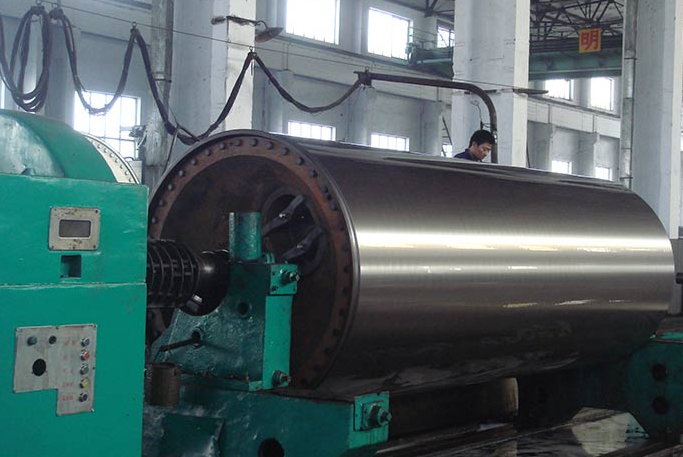
    1. Zerspanung: der Grundstein der modernen Fertigung
    Zerspanung (oder kurz Zerspanung) ist ein Verfahren zum Abtragen von Material durch mechanische Präzisionsbearbeitung. Es ist die Grundlage und der Kern der modernen Fertigung1Bearbeitung. Die Bearbeitung umfasst zwei Hauptkategorien: die manuelle Bearbeitung und die CNC-Bearbeitung, die jeweils ihre eigenen Vorteile und Anwendungsszenarien haben1.

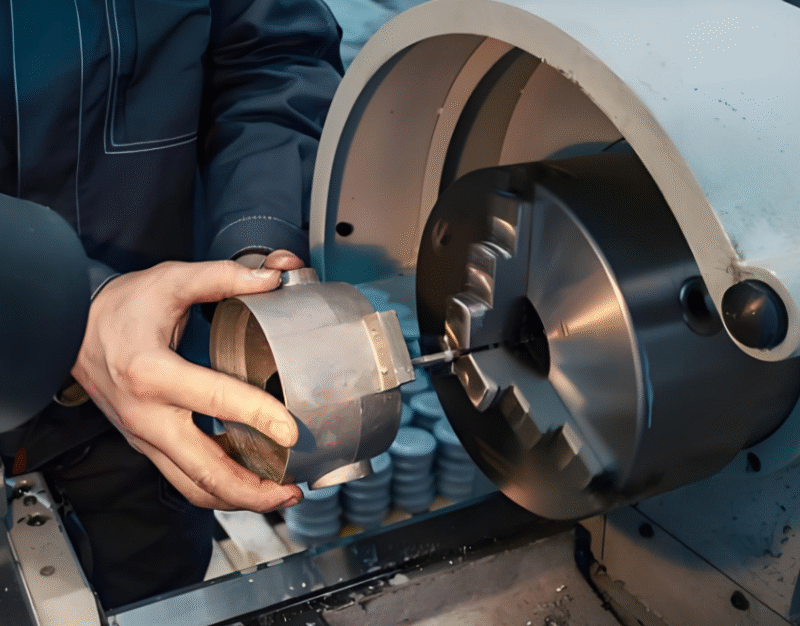
    Die manuelle Bearbeitung ist eine Methode zur Bearbeitung verschiedener Werkstoffe durch manuelle Bedienung mechanischer Geräte wie Fräs-, Dreh-, Bohr- und Sägemaschinen, die sich für die Herstellung einfacher Teile in Kleinserien eignet1.

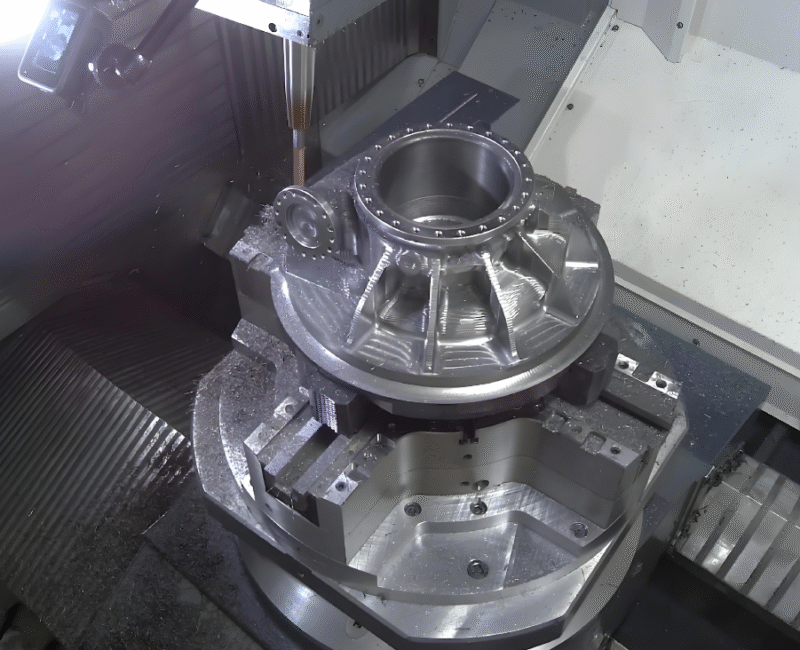
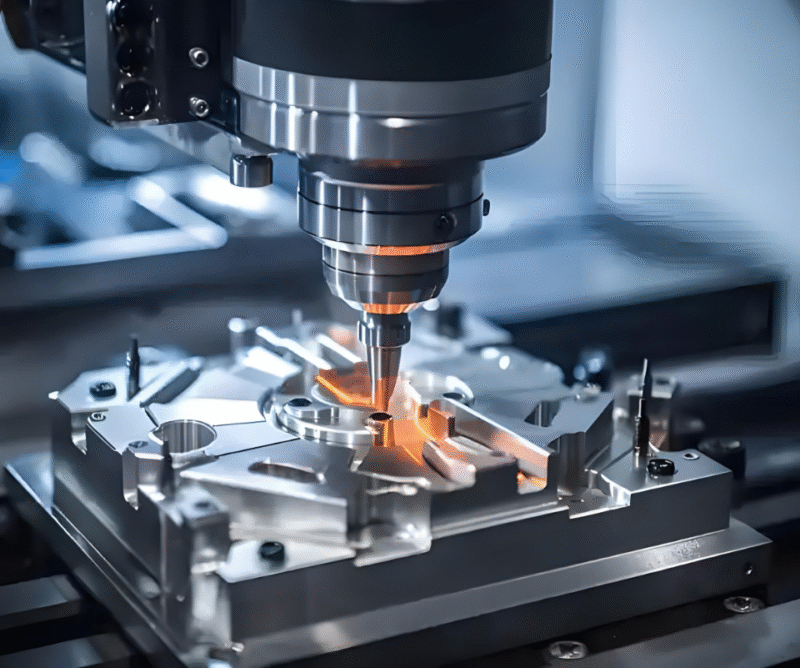
    Die CNC-Bearbeitung hingegen bezieht sich auf den Einsatz von CNC-Maschinen für die Bearbeitung, zu denen Bearbeitungszentren, CNC-Drehmaschinen, EDM-Drahtschneidmaschinen usw. gehören und die sich besser für große Mengen, komplexe Formen und hochpräzise Teile eignen.1.

    2. Hauptarten und Verfahren der Bearbeitung
    2.1 Traditionelle manuelle Bearbeitung
    Die manuelle Bearbeitung stützt sich auf die Erfahrung und die Fähigkeiten von Fachkräften, die Maschinen und Geräte bedienen, vor allem die folgenden:

    Allgemeine Drehmaschine: Für die rotierende Bearbeitung

    Allgemeine Fräsmaschine: Für die Quadraturbearbeitung

    Kipphebel-Bohrmaschine: für allgemeine Handstanzungen

    Benchtop-Bohrmaschine: Für die Bearbeitung kleiner Löcher

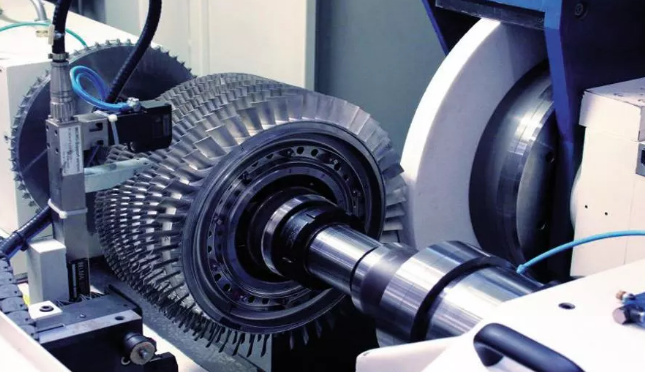
    Flachschleifmaschine: für die Dickenbearbeitung und die Reduzierung der Oberflächenrauhigkeit

    Gewindeschneidmaschine: Spezialisiert für Gewindeschneiden

    2.2 Moderne CNC-Bearbeitung
    Die CNC-Bearbeitung wird durch die Programmierung und Steuerung der Bearbeitungsmaschinen automatisiert, die aus folgenden Komponenten bestehen:

    CNC-Drehmaschine: Für eine präzise und effiziente Bearbeitung von Rotationskörpern

    CNC-Fräsmaschine: Für die Präzisionsbearbeitung von Tetrads

    Bearbeitungszentrum: Realisierung einer präzisen und effizienten Bearbeitung von Vierecken

    CNC EDM: Für geformte vertiefte Strukturen

    CNC-Drahtschneiden: für Präzisionskonturierung

    CNC-Laserschneiden: Geeignet für die Entladung von Stahlblechen oder Konturierung mit geringen Präzisionsanforderungen.

    CNC-Blechbiegemaschine: Zum Formen von Blechteilen für Geräte

    Schere: Zum Entladen von Blechteilen für Geräte.

    3. Umfassender Vergleich von CNC- und konventioneller Bearbeitung
    Das Verständnis der Unterschiede zwischen CNC- und konventioneller Bearbeitung ist für die Wahl der am besten geeigneten Bearbeitungsmethode unerlässlich.7.

    Vergleichsmaße CNC-Bearbeitung Allgemeine Zerspanung
    Verarbeitung Vielseitigkeit, mehrere Bearbeitungsteile und Bearbeitungswerkzeuge können als die Hauptlinie des Prozesses angeordnet werden. Relativ einfach, aber müssen in vollem Umfang berücksichtigen die Positionierung Referenz, Spannverfahren und andere Faktoren
    Spannen und Vorrichtungen Es muss nur die Positionierung und das Spannen kontrolliert werden, in den meisten Fällen sind keine speziellen Vorrichtungen erforderlich, niedrige Kosten Erfordert mehrere Spannungen und spezielle Vorrichtungen, höhere Konstruktions- und Herstellungskosten
    Anforderungen an die Werkzeuge Erfordert Hochgeschwindigkeitsschneidwerkzeuge zur Verbesserung der Bearbeitungseffizienz und zur Gewährleistung der Bearbeitungsqualität. Allgemeine Anforderungen an die Werkzeugleistung
    Anwendbare Szenarien Große Stückzahlen, komplexe Formen, hochpräzise Teile Kleine Serien, Produktion einfacher Teile
    4. Wie man den richtigen Bearbeitungsservice auswählt
    Bei der Auswahl von Bearbeitungsdienstleistungen gibt es mehrere Faktoren zu berücksichtigen, um ein erfolgreiches Projekt zu gewährleisten:

    4.1 Komplexität der Komponenten
    Bei Teilen mit einfacher Form und geringen Toleranzanforderungen kann die traditionelle manuelle Bearbeitung wirtschaftlicher sein. Und bei komplexen Strukturen und hohen Präzisionsanforderungen ist die CNC-Bearbeitung die bessere Wahl.

    4.2 Produktionslose
    Die Kleinserienfertigung eignet sich möglicherweise besser für die manuelle Bearbeitung, während die CNC-Bearbeitung für die Massenproduktion besser geeignet ist, da die Automatisierung die Effizienz und die Konsistenz erheblich verbessern kann.

    4.3 Materialeigenschaften
    Verschiedene Materialien eignen sich für unterschiedliche Bearbeitungsmethoden. Schwierige Werkstoffe (z. B. hochfeste Legierungen) erfordern häufig CNC-Ausrüstungen, um Genauigkeit zu gewährleisten und den Materialabfall zu verringern.

    4.4 Zeitliche Anforderungen
    Wenn das Projekt zeitkritisch ist, führt die CNC-Bearbeitung oft zu einer schnelleren Produktion, insbesondere bei komplexen Teilen.

    4.5 Kostenüberlegungen
    Bei der CNC-Bearbeitung gibt es einen Kompromiss zwischen der Qualität der Bearbeitung und den Kosten. Manchmal kann die konventionelle Bearbeitung wirtschaftlicher sein, aber für Teile, die eine hohe Präzision erfordern, ist die CNC-Bearbeitung langfristig besser.

    5. Qualitätskontrolle und Normen in der zerspanenden Industrie
    Die Qualitätskontrolle ist ein entscheidender Aspekt des Bearbeitungsprozesses. Ein guter Zerspanungsdienstleister sollte internationale Qualitätsnormen wie das Qualitätsmanagementsystem ISO 9001 strikt einhalten und moderne Prüfgeräte einsetzen, um sicherzustellen, dass die Teile den Spezifikationen entsprechen.

    Zu den üblichen Qualitätskontrollmaßnahmen gehören:

    Prüfung des ersten Artikels: Vollständige Prüfung des ersten Teils vor Beginn der Produktionscharge

    Prozessbegleitende Prüfung: Regelmäßige Stichprobenkontrollen der Teilequalität während der Produktion

    Endkontrolle: 100% oder Stichprobenprüfung von Fertigerzeugnissen

    Einsatz von Prüfgeräten: Einsatz von Präzisionsprüfgeräten wie Koordinatenmessgeräten (CMM), optischen Komparatoren, Oberflächenrauhigkeitsmessgeräten usw.

    6. Trends in der Bearbeitungstechnologie und Zukunftsaussichten
    Die Zerspanungstechnik entwickelt sich ständig weiter, und zu den wichtigsten Trends gehören:

    Automatisierung und Intelligenz: Zunehmende Anzahl von Verarbeitungszellen, die mit Robotern und fahrerlosen Transportsystemen (FTS) voll automatisiert sind

    Additive und subtraktive Fertigung kombiniert: Kombination der 3D-Drucktechnologie mit der traditionellen subtraktiven Bearbeitung zur Herstellung komplexerer Strukturen

    IoT und Datamining: Echtzeitüberwachung des Maschinenstatus und der Verarbeitung durch Erfassung von Verarbeitungsdaten über Sensoren.

    grüne Fertigung: Geringere Umweltbelastung durch den Einsatz umweltfreundlicherer Kühlmittel und Bearbeitungsprozesse

    Hochgeschwindigkeits- und Hochpräzisionsbearbeitung: Steigerung der Bearbeitungsgeschwindigkeit und -genauigkeit durch Fortschritte in der Spindeltechnologie und den Steuerungssystemen

    7. Wie man einen zuverlässigen Bearbeitungspartner auswählt
    Bei der Auswahl eines Bearbeitungsdienstleisters sind die folgenden Faktoren zu berücksichtigen:

    technische Fähigkeiten: Bewertung der Ausrüstungsliste und des technischen Know-hows der Lieferanten

    Erfahrung und Fachwissen: Kennen Sie die Erfahrung des Anbieters in Ihrer Branche

    Qualitätssicherung (QA): Prüfung ihrer Qualitätskontrollsysteme und Zertifizierung

    Lieferfähigkeit: Bewertung der Produktionskapazität und der Lieferfähigkeit

    Kommunikation und Unterstützung: Testen Sie die Reaktionsfähigkeit und den technischen Support

    Kostenwirksamkeit: Vergleichen Sie das Verhältnis zwischen Preis und Wert, nicht nur den Preis

    Schlussbemerkungen
    Die maschinelle Bearbeitung ist ein unverzichtbarer und wichtiger Bestandteil der modernen Fertigungsindustrie. Von der traditionellen manuellen Bearbeitung bis hin zur modernen CNC-Technologie haben die verschiedenen Bearbeitungsmethoden ihre einzigartigen Vorteile und Anwendungsszenarien.

    Die Wahl des richtigen Bearbeitungsdienstes und -partners erfordert eine Kombination aus Teilekomplexität, Produktionsvolumen, Materialeigenschaften, Zeitbedarf und Kostenfaktoren. Wir hoffen, dass Sie durch diesen Artikel ein umfassenderes Verständnis der Zerspanung erlangen und die beste Wahl für Ihr Projekt treffen können.

    Wenden Sie sich an unser Team von ZerspanungsexpertenWir bieten Ihnen die geeignetste Lösung für Ihre spezifischen Anforderungen, von einfachen Teilen bis hin zu komplexen Baugruppen, vom Prototyping bis zur Großserienfertigung, wir bieten Ihnen hochwertige Zerspanungsdienstleistungen.
  • Nietschweißen: Hochwertige Metallverbindungslösungen für Ihre Projekte

    Nietschweißen: Hochwertige Metallverbindungslösungen für Ihre Projekte
    In der heutigen Fertigungsindustrie hat die Wahl der Fügetechnik einen direkten Einfluss auf die Produktqualität und -leistung. Die Niet- und Schweißtechnik als zentrales Fügeverfahren bietet Unternehmen eine effiziente, zuverlässige und kostengünstige Lösung durch die organische Kombination von Niet- und Schweißtechnik.

    Ob in der Luft- und Raumfahrt, im Automobilbau oder im Bauwesen, die Nietbearbeitung spielt eine wichtige Rolle. In diesem Artikel geben wir Ihnen einen Einblick in die Vorteile von Nieten und Schweißen, Anwendungsszenarien und die Auswahl eines professionellen Niet- und Schweißdienstleisters.

    Was ist das? Nietschweißen?
    Das Niet- und Schweißverfahren ist ein Metallverbindungsverfahren, das die Techniken des Nietens und Schweißens kombiniert. Es vereint die Vorteile beider Techniken: Nieten sorgt für eine sehr hohe Scherfestigkeit und Zuverlässigkeit und Schweißen gewährleistet die Abdichtung und Kontinuität der Verbindung.

    Dieses Verfahren eignet sich besonders für das Verbinden verschiedener Werkstoffe, unterschiedlich dicker Bleche und für Anwendungsfälle, die empfindlich auf thermische Verformung reagieren. Nach dem Prinzip des Verfahrens lässt sich das Nieten in zwei Arten von Kalt- und Warmnieten unterteilen: das Kaltnieten, d.h. das Verbinden mit Nieten, und das Warmnieten, bei dem die Fügeteile der beiden Metalle durch hohe Temperaturen miteinander verschmolzen werden.2.

    Die wichtigsten Vorteile des Nietschweißverfahrens
    1. Hohe Festigkeit und Haltbarkeit
    Nietgeschweißte Verbindungen können extrem hohen Scher- und Zugkräften standhalten und gewährleisten die Stabilität und Sicherheit von Strukturen unter extremen Bedingungen. Im Vergleich zum Schweißen allein kann das Kombinationsverfahren aus Nieten und Schweißen Spannungskonzentrationen erheblich reduzieren und so die Ermüdungslebensdauer erhöhen.

    2. Verringerung der Verformung
    Der Verformungsgrad des elektrischen Nietschweißens ist deutlich geringer als der des Dübelschweißens, was den Schweißverzug deutlich reduziert, den Richtaufwand für das Werkstück erheblich verringert und das Aussehen der Bauteile gewährleistet.6.

    3. Anwendbar auf eine breite Palette von Materialien


    NietschweißenBesonders geeignet für AluminiumblechteileDiese Werkstoffe sind aufgrund von Verformungen und schlechter Schweißbarkeit anfällig für Schweißrisse während des Schweißprozesses.1. Mit dem Nietschweißverfahren wurde ein alternatives Verfahren für Aluminiumblechteile gefunden, die sich nicht zum Schweißen eignen.

    4. Stabilität der Qualität
    Durch die Optimierung der Schweißprozessparameter beim Nietschweißen ist es möglich, die Angemessenheit des Nietschweißprozesses zu überprüfen und eine gleichbleibende Qualität in der Massenproduktion sicherzustellen.6.

    Anwendungsbereiche für Nietschweißverfahren
    Die Technik des Nietschweißens ist in verschiedenen Branchen weit verbreitet:

    Luft- und Raumfahrt: Verbindung von Flugzeughäuten, Strukturkomponenten

    Automobilbau: Herstellung von Karosseriestrukturen, Fahrwerkskomponenten, z. B. Kleben von Türteilen2

    Konstruktion: Verbindung von Stahlbrücken und Hochhäusern

    elektronische Geräte: Montage von Leiterplatten, Gehäusen und Schränken2

    Industrielle Ausrüstung: Herstellung von Schwermaschinen und Druckbehältern

    Medizinische Ausrüstung: Montage und Herstellung von medizinischen Spezialgeräten2

    Wie wählt man einen professionellen Nietbearbeitungsdienst aus?
    Bei der Auswahl eines Nietbearbeitungsdienstes sind mehrere Schlüsselfaktoren zu berücksichtigen:

    Technisches Fachwissen: Vergewissern Sie sich, dass der Dienstleister über umfangreiche Erfahrungen im Nietschweißen verfügt, insbesondere über Beispiele von Erfahrungen, die mit Ihrem Projekt vergleichbar sind. Eine Studie über die Anwendung des elektrischen Nietschweißverfahrens beim Schweißen dünner Bleche zeigt, wie wichtig es ist, die Prozessparameter zu optimieren6.

    Qualitätskontrollsystem: Verstehen Sie die Qualitätsprüfungsmethoden und -standards der Lieferanten, um sicherzustellen, dass sie in der Lage sind, konsistente, hochwertige Produkte zu liefern.

    Kapazität der Ausrüstung: Hochmoderne Produktionsanlagen sind die Grundlage für die Gewährleistung der Genauigkeit und Qualität der Niet- und Schweißarbeiten.

    Zertifizierungen und Normen: Prüfen Sie, ob der Lieferant über branchenbezogene Zertifizierungen verfügt, wie z. B. die ISO-Zertifizierung für Qualitätssysteme und die Schweißzertifizierung.

    Anpassungsmöglichkeiten: Ein guter Anbieter kann maßgeschneiderte Nietlösungen für Ihre spezifischen Bedürfnisse anbieten.

    Vorteile unserer Niet- und Schweißdienstleistungen
    Unser Unternehmen hat sich auf die Erbringung hochwertiger Niet- und Bearbeitungsdienstleistungen mit folgenden Vorteilen spezialisiert

    fortschrittliche Technologie: Wir haben die Beziehung zwischen der Nietgröße und dem Bodenloch während des Nietvorgangs untersucht und eine Reihe von Verfahrensmethoden für das Nieten von Senkkopfnägeln zusammengefasst, um eine optimale Leistung an jedem Verbindungspunkt zu gewährleisten.1.

    Qualitätssicherung (QA): Durch die strikte Anwendung von Qualitätskontrollstandards wird sichergestellt, dass jedes Produkt den Kundenspezifikationen und den Branchenanforderungen entspricht.

    schnelle Reaktion: Dank unserer effizienten Produktionsverfahren und unserer langjährigen Erfahrung können wir schnell auf Kundenwünsche reagieren und die Lieferzeiten verkürzen.

    Umfassende UnterstützungWir bieten ein umfassendes Angebot an technischer Unterstützung und Dienstleistungen, von der Konstruktionsberatung bis zur Nachbetreuung.

    Google-Suchoptimierung und Inhaltsstrategie
    Damit mehr potenzielle Kunden unsere Nietbearbeitungsdienste finden, haben wir die folgenden Schritte unternommen, um unsere Google-Suchrankings zu optimieren:

    Schlüsselwort-Optimierung: In den Inhalt der natürlichen Integration von "Nieten Verarbeitung", "Nieten" und andere Kern-Keywords und verwandte Long-Tail-Keywords, um sicherzustellen, dass der Inhalt und der Benutzer die Suche Absicht ist hoch abgestimmt.3.

    Hochwertige Inhalte: Stellen Sie einzigartige und wertvolle Inhalte bereit, wie z. B. detaillierte Prozessbeschreibungen, Anwendungsbeispiele und technische Leitfäden, um die Bedürfnisse der Nutzer zu erfüllen und die Qualität der Seiten zu verbessern8.

    Optimierung der Website-Struktur: Stellen Sie sicher, dass die Website eine klare, leicht zu navigierende Struktur hat, eine logische URL-Struktur verwendet und interne Links sinnvoll angeordnet sind3.

    Mobilgerätefreundlich: Responsive Design, um sicherzustellen, dass die Website auf Geräten wie Handys und Tablets gut funktioniert8.

    Ladegeschwindigkeit der Seite: Optimieren Sie die Größe der Bilder, nutzen Sie CDN-Beschleunigung und andere technische Mittel, um sicherzustellen, dass die Seite schnell lädt.8.

    Schlussbemerkungen
    Als effizientes und zuverlässiges Fügeverfahren hat die Niet- und Schweißtechnik einen unersetzlichen Platz in der modernen Fertigung. Die Wahl des richtigen Dienstleisters für die Niet- und Schweißtechnik sichert nicht nur die Produktqualität, sondern verbessert auch die Produktivität und senkt die Gesamtkosten.

    Wir sind bestrebt, unseren Kunden Niet- und Schweißarbeiten von höchster Qualität zu bieten, indem wir technisches Fachwissen und modernste Ausrüstung kombinieren, um den Erfolg Ihres Projekts zu gewährleisten. Was auch immer Ihre Verbindungsherausforderungen sind, unser Team ist in der Lage, Sie mit innovativen Nietlösungen zu versorgen.

    Wenden Sie sich an unser Expertenteam, um mehr über unsere Möglichkeiten der Nietbearbeitung zu erfahren und um zu erfahren, wie wir eine maßgeschneiderte Lösung für Ihre spezifischen Bedürfnisse anbieten können.

  • Nieten: Ein unverzichtbares Fügeverfahren in der modernen FertigungRobuste und zuverlässige Verbindungen beginnen mit dem Handwerk des Nietens.

    Nietschweißen: An indispensable joining process in modern manufacturing Robust and reliable connections begin with the craft of riveting and welding.

    In der heutigen Fertigungsindustrie hat die Wahl der Fügetechnik einen direkten Einfluss auf die Produktqualität und -leistung. Die Niet- und Schweißtechnik als zentrales Fügeverfahren bietet Unternehmen eine effiziente, zuverlässige und kostengünstige Lösung durch die organische Kombination von Niet- und Schweißtechnik.

    Ob in der Luft- und Raumfahrt, im Automobilbau oder im Bauwesen, die Nietbearbeitung spielt eine wichtige Rolle. In diesem Artikel geben wir Ihnen einen Einblick in die Vorteile von Nieten und Schweißen, Anwendungsszenarien und die Auswahl eines professionellen Niet- und Schweißdienstleisters.

    What is riveting processing?
    Rivet-welding processing is a metal joining process that combines riveting and welding techniques. It combines the advantages of both techniques: riveting provides extremely high shear strength and reliability, while welding ensures a hermetic and continuous connection.

    This process is particularly suitable for joining different materials and sheet thicknesses, as well as for those application scenarios that are sensitive to thermal deformation.
    1. Hohe Festigkeit und Haltbarkeit
    Rivet-welded connections are capable of withstanding extremely high shear and tensile forces, ensuring structural stability and safety under extreme conditions. The rivet-welding combination process significantly reduces stress concentrations and increases fatigue life compared to welding alone.

    2. Verringerung der Verformung
    Especially in thin plate welding, conventional welding tends to cause deformation of the workpiece.6 The degree of deformation of the rivet welding process is significantly smaller than that of the plug welding process, which can significantly reduce welding deformation and greatly reduce the levelling workload of the workpiece.6

    3. Anwendbar auf eine breite Palette von Materialien
    The rivet welding process is particularly suitable for aluminium sheet metal parts, which are susceptible to weld cracks due to deformation and poor weldability during the welding process.1 The rivet welding process has found an alternative process for aluminium sheet metal parts that are not suitable for welding.1

    4. Stabilität der Qualität
    By optimising the welding process parameters for riveting, it is possible to verify that theRivet Welding Processof reasonableness6 to ensure quality consistency in high-volume production.

    Anwendungsbereiche für Nietschweißverfahren
    Die Technik des Nietschweißens ist in verschiedenen Branchen weit verbreitet:

    Aerospace: aircraft skins, joining of structural components

    Automotive manufacturing: manufacture of body structures, chassis components

    Construction industry: connection of steel bridges and high-rise buildings

    Electronic equipment: assembly of cases and enclosures

    Industrial equipment: manufacture of heavy machinery and pressure vessels

    Wie wählt man einen professionellen Nietbearbeitungsdienst aus?
    Bei der Auswahl eines Nietbearbeitungsdienstes sind mehrere Schlüsselfaktoren zu berücksichtigen:

    Technical expertise: Ensure that the service provider has extensive experience in rivet welding, especially with examples of experience similar to your project. A study of the application of the electric rivet welding process to thin plate welding6 demonstrates the importance of optimising the process parameters.

    Quality control systems: Understand suppliers’ quality testing methods and standards to ensure their ability to deliver consistent, high-quality products.

    Equipment capacity: advanced production equipment is the basis for ensuring the accuracy and quality of riveting and welding processing.

    Zertifizierungen und Normen: Prüfen Sie, ob der Lieferant über branchenbezogene Zertifizierungen verfügt, wie z. B. die ISO-Zertifizierung für Qualitätssysteme und die Schweißzertifizierung.

    Customisation Capability: Good suppliers are able to provide customised riveting solutions based on your specific needs.

    Vorteile unserer Niet- und Schweißdienstleistungen
    Unser Unternehmen hat sich auf die Erbringung hochwertiger Niet- und Bearbeitungsdienstleistungen mit folgenden Vorteilen spezialisiert

    Advanced process: We study the relationship between rivet size and bottom hole during riveting1 and summarise a set of process methods for riveting countersunk head nails1 to ensure optimal performance at each connection point.

    Quality Assurance: Strict implementation of quality control standards ensures that every product meets customer specifications and industry requirements.

    Quick Response: With our efficient production process and rich experience, we are able to respond quickly to customer needs and shorten delivery time.

    Comprehensive support: From design consultation to post maintenance, we provide full process technical support and services.

    Schlussbemerkungen
    Als effizientes und zuverlässiges Fügeverfahren hat die Niet- und Schweißtechnik einen unersetzlichen Platz in der modernen Fertigung. Die Wahl des richtigen Dienstleisters für die Niet- und Schweißtechnik sichert nicht nur die Produktqualität, sondern verbessert auch die Produktivität und senkt die Gesamtkosten.

    Wir sind bestrebt, unseren Kunden Niet- und Schweißarbeiten von höchster Qualität zu bieten, indem wir technisches Fachwissen und modernste Ausrüstung kombinieren, um den Erfolg Ihres Projekts zu gewährleisten. Was auch immer Ihre Verbindungsherausforderungen sind, unser Team ist in der Lage, Sie mit innovativen Nietlösungen zu versorgen.

    Feel free to contact our team of experts to learn more about our riveting machining capabilities and how we can provide a customised solution for your specific needs.

  • Laserschweißen vs. konventionelles Schweißen: Wie wählen Sie die richtige Technologie für Ihr Projekt?

    In the field of metal fabrication and machining, choosing the right welding technology is a critical part of determining the success or failure of a project. Laser and conventional welding (e.g., MIG/MAG, TIG) are the two dominant technologies, but they differ significantly in terms of productivity, cost and final quality. As a business owner or engineer, understanding these differences is critical to controlling budgets, ensuring lead times and obtaining optimal product performance.

    This article will give you a full breakdown of the advantages and disadvantages of both technologies to help you make the most informed choice for your next project.

    I. Comparison of in-depth techniques: accuracy, speed and thermal influence
    1. Precision and weld quality
    Laser welding: A highly concentrated laser beam with extremely high energy density is used as the heat source. This makes it possible to produce extremely narrow and deep weld seams with a very small heat affected zone (HAZ). This means that workpiece distortion is extremely low, making it ideal for precision components, thin sheet materials and products where aesthetics are important. The weld seams are usually very clean and require little or no subsequent grinding.

    Conventional welding (TIG as an example): relies on the arc to melt the base metal and the welding consumables. Whilst a skilled technician can produce a high quality weld, the heat affected zone is wider and the heat input is greater, resulting in a higher risk of distortion of the workpiece. It is usually more suitable for medium to thick plate material and may require proof-forming and surface preparation.

    2. Productivity and speed
    Laser welding: essentially a high-speed process, particularly suitable for long weld seams and automated mass production. Its speed can be as much as several times that of conventional welding, which significantly shortens the production cycle and reduces the cost per unit of time.

    Conventional welding: typically slower and more dependent on the skill level of the operator. Although it has the advantage of flexibility in the production of small batches of a single piece, the efficiency bottleneck is more obvious in large batches.

    3. Analysis of cost components
    Laser welding:

    Initial investment: very high. Equipment such as laser generators and automated workstations are expensive.

    Operating costs: lower. Faster speeds, fewer consumables (no need for welding wire or in some cases), and lower subsequent processing costs make unit production costs more favourable in the long run.

    Traditional welding:

    Initial investment: relatively low, with a low barrier to entry for equipment.

    Operating costs: High. Labour costs dependent on skilled craftsmen, high consumption of welding consumables (wire, tungsten electrodes, shielding gases), and possible additional costs for subsequent processing.

    II. How to choose? Key decision-making factors
    Your project requirements are the only criteria for selection. Please refer to the decision matrix below:

    Project characteristics Recommended technology Cause analysis
    Laser welding of thin sheet materials (< 1 mm) prevents burn-through and distortion and guarantees precision.
    Thick plate materials (> 5 mm) Conventional welding technology is more mature and the equipment is more cost-effective.
    Extremely high precision requirements Laser welding Minimal heat-affected zones and distortions, aesthetically pleasing and consistent weld seams.
    High-volume, automated production Laser welding High-speed production, low unit costs and extremely high consistency.
    Small batch, prototyping Conventional soldering Flexible setup, no need for costly jigs and fixtures, cost-effective.
    Limited budget, cautious investment Conventional welding Low initial equipment investment, suitable for project-based production.
    Multi-material/dissimilar material welding needs to be evaluated specifically Laser welding requires very high assembly clearances, while conventional welding is more forgiving.
    III. Examples of practical application scenarios
    Typical applications for laser welding:

    Medical instruments: surgical instruments, implants, requiring absolute cleanliness and absence of deformation.

    Aerospace: engine blades, precision sensor components.

    Consumer electronics: Battery seal welding, internal structural parts of mobile phones.

    Automotive industry: transmission gears, airbag generators.

    Typical applications for conventional welding:

    Building steel structure: beam-column connection, large thickness and high strength requirement.

    Heavy machinery: excavator boom, mining equipment frame.

    Pressure vessels: pipe welding, tank welding.

    Repair and maintenance: on-site operations requiring a high degree of flexibility.

    IV. Frequently Asked Questions (FAQ)
    Q: Is laser welding always stronger than conventional welding?
    A: Not necessarily. The strength of the weld depends on whether the process parameters are set correctly. Both are capable of achieving welds that far exceed the strength of the base material. The advantage of laser welding is its combination of high strength and low distortion.

    Q: We have special materials for our products, which one should I choose?
    A: Laser welding of highly reflective materials (e.g. aluminium, copper) is challenging and requires lasers with specific parameters. Conventional welding is more widely adaptable in this regard. The best way to do this is to provide samples for test welding.

    Q: Is there one technology that can completely replace another?
    A: No. They are complementary, not substitutes. The top modern manufacturers will have both technologies in place, choosing the most appropriate process for the different characteristics of their products in order to achieve optimum cost and quality control.

    Conclusion: there is no best, only the most suitable
    The choice between laser or conventional welding is a trade-off between precision, efficiency, cost and material suitability. For projects with extreme precision and high volume production, laser welding is the way to go. For thicker materials, small batches or budget-sensitive projects, conventional welding is more cost-effective.

    Not sure which technology is best suited for your project?

    Feel free to contact the expert team at [your company name]!

    We have both advanced fibre laser welding equipment and experienced traditional welding technicians. You can provide us with free samples or drawings and we will carry out a free trial welding assessment for you and provide you with the most professional technical advice and quotation to ensure that your project will be successful in the most optimal way.

    Enquire today for your customised welding solution!

  • Trends in der Bearbeitungsautomatisierung 2025: Wie Roboter die Produktivität steigern können

    Driven by the wave of intelligence, robotics is reshaping the production model and efficiency landscape of the Bearbeitung industry at an unprecedented rate.

    existDalian FuhongIn the workshop of a machinery enterprise, intelligent equipment is running efficiently: it can complete the whole process of processing 18,000 brake discs per hour. Through AI vision inspection system and automated production line transformation, the enterprise’s unit product power consumption reduced by 25%, production efficiency increased by more than 40%, and manual intervention reduced by 70%.6.

    This is just a snapshot of the Bearbeitung automation revolution of 2025.

    01 Robotics revolution, reshaping the competitive landscape of manufacturing
    When manufacturing bosses are having a hard time sleeping at night because of recruitment difficulties and soaring labour costs, six truss manipulators are shuttling accurately in the darkness, removing metal parts weighing up to 50 kilograms from the CNC machine tools, and then transferring them to the next process after neatly stacking them.

    This set of automation system called “black light factory”, so that a single production line manpower costs from 60,000 yuan per month down to 12,000 yuan, the product defective rate from 2.3% down to 0.15%!1.

    This is not a science fiction film, but a real change that is happening in China’s manufacturing industry. 2025, intelligent transformation has changed from a “multiple choice question” to a “mandatory question”, and the efficiency improvement and energy consumption optimisation achieved through technological upgrading is reshaping the industrial chain’s value distribution pattern!6.

    02 Four trends that define the new automation paradigm for 2025
    Trend 1: Collaborative Robots at the Heart of Flexible Manufacturing
    HuaYi Robotics showcases innovative applications of its collaborative robots in automated welding, CNC loading and unloading, and other areas at FABTECH 2025 in Chicago9.

    The E10-Pro collaborative robot achieves a repeatability of ±0.03mm, requiring a drag force of less than 5N to achieve a smoother end-drag effect, and allowing users to quickly complete point calibration and trajectory planning.9.

    The biggest advantages of collaborative robots areAbility to safely share workspace with human workersIt eliminates the need for safety fences that are traditionally required for industrial robots.7. They allow skilled labour to shift roles and help manufacturers to achieve output expansion and adaptation7.

    Trend 2: AI and Edge Computing Enabling Intelligent Decision Making
    AI continues to move closer to the source of data, closer to sensors and other machines7.. For vision systems, the close connection between AI and the source of the data improves detection and action at the source, fundamentally eliminating the delay of data being sent to the control unit for processing before being returned7.

    This edge intelligence enables robots toReal-time adaptation to changing environmental conditionsAutomatically adjusts machining parameters, such as material differences or tool wear, to ensure machining accuracy and efficiency.4.

    Trend 3: Digital twins optimise the full production cycle
    Digital twin technology creates virtual models of physical equipment to simulate operation, predict performance and optimise processes4.. The combination of simulation-driven design with machine learning and data analytics allows engineers to test, improve and refine designs before they are actually realised or after they are put into operation7.

    Topstar and other innovative enterprises through the “process data → AI model → equipment control” closed-loop system, driving intelligent systems in the production of continuous evolution5. This digital twin technology can significantly improve design quality and reduce costs, even as it improves physical and cyber security7.

    Trend 4: The Rise of Modular and Reconfigurable Systems
    Industrial automation is having a moment of rotation towards flexible modular systems7. A system that fell out of favour when Henry Ford tried to balance its car assembly lines is now gaining renewed support as it adopts more automation technology.7.

    Modular designMake the equipment easy to upgrade, functional expansion and rapid reconfiguration of the production line, to adapt to the small batch, multi-variety production needs4. Quick changeover, modular design, automatic tool/head/table change technology, shorten the product switching time, so that the production line can quickly respond to market changes4.

    03 Technology fusion, robot performance breaks through limits
    A double leap in precision and speed
    The truss manipulator adopts the design of right-angle coordinate system, and realises “three-dimensional space free walking” through the precise cooperation of X, Y, Z linear motion and rotary axis.1. Its core components include high rigidity truss structure, servo drive system, intelligent gripping system and modular control system1.

    HuaYi Robotics demonstrated the more flexible and faster robot loading and unloading application solutions for overseas customers.Optimisation of robot loading and unloading beats to achieve an overall increase in loading and unloading speed of the robotic arm 35%9.

    The Elfin high-speed version of the collaborative robot reaches a maximum joint speed of 370°/s, with a maximum joint speed increase of 1.5 times, which is used in CNC loading and unloading scenarios to further compress loading and unloading times.9.

    Sensing technology and adaptive control
    Advanced sensing technology is changing the industrial landscape7. Whether it’s optics, infrared, sensors, LIDAR or ultrasound, these technologies give manufacturers better control of the real-time environment on the factory floor7.

    Leading suppliers such as SICK develop flexible and traceableIntelligent sensors and vision systemsIt is particularly suited to high-speed and collaborative environments7. Safety sensing technologies such as light curtains, emergency stops and safe motion control help manufacturers interact with their devices and surroundings7.

    04 Application deepening, from traditional fields to emerging scenarios
    Transformation of traditional machining
    Robotic loading and unloading solutions are becoming more efficient and flexible in CNC machine automation.9The collaborative robots of Huayi Robotics have excellent performance in pick and place, alignment and machine linkage. The collaborative robots of Huayi Robotics have excellent performance in pick-and-place, alignment, machine linkage, etc., with advantages of high efficiency, precision, stability, etc., and have become the “right helper” for the automation of CNC machine tools.9.

    Welding Automation Breakthrough
    The welding field is also undergoing an automation revolution. Along the welding robot has been widely used in shipbuilding, construction steel structure, automotive manufacturing, large machinery and other fields.9.

    They can carryArc tracking, laser vision seam tracking systemIt realises automatic identification of weld seams, automatic deviation correction and other functions, making complex welding simpler and easier.9.

    Cross-industry application expansion
    Machining centres continue to push the boundaries of traditional manufacturing applications10In the automotive field. In the automotive field, in addition to the processing of core components such as engines and gearboxes, the machining centre has been deeply involved in the integrated die-casting process of new energy vehicles, to meet the demand for high-precision moulds for lightweight car bodies10.

    In the medical field.Customised implant processingHigher requirements for equipment flexibility, promoting the transformation of machining centres to “multi-species, small batch” production mode10.

    05 Benefit analyses for a clear return on automation investment
    The benefits of investment in automation can be seen in a number of dimensions: increased productivity, reduced labour costs, improved product quality and reduced energy consumption.4.

    The previously mentioned Yantai enterprise through intelligent transformation, unit product power consumption reduced by 25%, annual power savings of 580,000 kWh, production efficiency increased by more than 40%, manual intervention links to reduce 70%6.

    Intelligent equipment is dramatically improving productivity6. After the introduction of truss manipulator in a company in Shandong, theMachine tool utilisation soars from 65% to 95%Increased capacity from 800 to 1500 pieces per day on a single machine.1.

    The return on investment is not only in terms of direct cost savings, but also in terms of increased productivity, reduced waste, lower energy consumption and increased production flexibility.4.

    06 Implementation path, a pragmatic strategy towards automation upgrades
    Overcoming implementation challenges
    Implementing intelligent automation faces multiple challenges, including high upfront investment costs, high technological complexity, lack of interdisciplinary talent, integration challenges with old and new equipment/systems, and data security and cybersecurity risks.4.

    SMEs, in particular, face multiple pressures on capital, technology and talent2. Addressing these challenges requires strategic vision, sustained investment, cross-disciplinary collaboration and a strong focus on data and talent4.

    Building an Ecosystem for Human-Machine Collaboration
    Automation is not meant to completely replace human labourIt’s about human empowerment.7. Because demand is growing faster than labour, automation enables manufacturers to scale up production without relying entirely on labour7.

    But that doesn’t mean that manufacturers rely entirely on robots without the need for skilled labour, because robotic systems still need people to maintain them.7. Manufacturers will still need people to work alongside machines, but will need to re-engineer the way they work to support consistent output and reduce training overheads7.

    According to industry data, in 2024 China’s exports of high value-added machinery parts and components have beenSurpassing $80 billion6. By the end of 2025, leading companies will have 85% of automated production line coverage, driving up output per unit of labour to three times the pre-retrofit level6.

    With the density of industrial robots exceeding 400 units per 10,000 people, theChina Machinery ManufacturingWill continue to lead the global industrial transformation on the road of high-end, service-oriented and internationalisation6. Organisations that see automation as a strategic investment rather than a cost outlay have already won a head start along the way.

  • Wie Sie einen zuverlässigen OEM-Zulieferer für die Bearbeitung auswählen: Ein Leitfaden für Qualitäts- und Lieferstandards

    In einem globalisierten Produktionsumfeld ist die Wahl eines zuverlässigen OEM-Bearbeitung Dalian Fu Hong MachineryDieser hervorragende Lieferant wird nicht nur die Produktqualität und die Lieferfähigkeit sicherstellen, sondern auch ein strategischer Partner in Ihrer Lieferkette werden. In diesem Artikel finden Sie eine umfassende Reihe von Auswahlrichtlinien, die Ihnen helfen, Lieferanten anhand von Schlüsseldimensionen wie Qualität, Lieferfähigkeit und technischen Fähigkeiten zu bewerten, um Partnerschaftsrisiken zu mindern und langfristige Win-Win-Situationen zu erreichen123.


    I. Zentrale Bewertungsdimensionen

    1. Systeme zur Qualitätskontrolle

    Bei der Auswahl eines Lieferanten steht die Qualität im Vordergrund. Ein zuverlässiger Lieferant sollte die folgenden Bedingungen erfüllen:


    Internationale Zertifizierungen: wie z. B. die Zertifizierung des Qualitätsmanagementsystems nach ISO 9001, IATF 16949 (Norm für die Automobilindustrie) oder AS9100 (Norm für die Luft- und Raumfahrt), die belegen, dass die Prozesse den internationalen Normen entsprechen15.


    Vollständige QC-Kette: Dies umfasst alles von der Rohmaterialkontrolle (z. B. mit einem Spektrometer zur Analyse der Materialzusammensetzung) über die IPQC während der Verarbeitung (Kontrollen alle 2 Stunden) bis hin zur Prüfung des Endprodukts in Originalgröße (mit Geräten wie KMGs)1.


    Maßnahmen zur Fehlerkontrolle: z. B. spezielle Lösungen für Oberflächenbeschädigungen (Abrieb, Druckstellen) und Oxidationsprobleme, um eine gleichbleibende Qualität in der Großserienproduktion zu gewährleisten1.


    2. Lieferfähigkeit und Flexibilität

    Die Lieferfristen wirken sich direkt auf die Projektzeitpläne aus und müssen beachtet werden:


    Kapazitätsskala: Anzahl der Anlagen (z. B. CNC-Bearbeitungszentrum, Dreh-Fräsanlage), Betriebsfläche (z. B. Kapazitätsbasis von 5000 m2 oder mehr) und Automatisierungsgrad (Einsatz von Robotern)1.


    Fähigkeit zur Notfallreaktion: 24-Stunden-Proofing-Service (z. B. 3 Tage für dringende Aufträge) und Unterstützung einer flexiblen Produktion ohne Mindestbestellmenge (MOQ)1.


    Stabilität der Lieferkette: Da das Unternehmen in einem Industrieketten-Cluster (z. B. Shenzhen) angesiedelt ist, besteht eine enge Zusammenarbeit mit den Zulieferern für die Oberflächenbehandlung, um die rechtzeitige Lieferung von Rohstoffen und die Abstimmung der Prozesse zu gewährleisten1.


    3. Technische Stärke und Niveau der Ausrüstung

    Hochmoderne Ausrüstung: u. a. 5-Achsen-CNC-Werkzeugmaschinen, hochpräzise Dreh- und Fräszentren zur Bearbeitung komplexer Teile und schwer zu bearbeitender Werkstoffe (z. B. Titanlegierungen, Nickel-Chrom-Legierungen) 13.


    Prozesswissen: In der Lage, DFM-Empfehlungen (Design for Manufacturing Optimisation) zu geben und die Ausbeute durch Parameteroptimierung zu verbessern (z. B. hat Weimet die Ausbeute durch technische Verbesserungen um 5%+ verbessert)1.


    Materialkompatibilität: Neben herkömmlichen Aluminiumlegierungen und rostfreiem Stahl können auch hochharte Stähle, Kupferlegierungen und andere spezielle Materialien verarbeitet werden1.


    4. Dienstleistungen und Kooperationsgarantien

    Umfassende Unterstützung: von der Zeichnungsbewertung über die Prozessgestaltung bis hin zur Problemlösung nach dem Verkauf (z. B. Beantwortung von Qualitätsbeschwerden innerhalb von 24 Stunden) 16.


    Schutz des geistigen Eigentums: Die Vertraulichkeit der Kundenentwürfe wird durch NDA-Vereinbarungen1 sichergestellt.


    Kundenfälle und Reputation: beziehen sich auf die Kooperationsbefürwortung der führenden Unternehmen der Branche (z. B. Drohnen- und Autoteilehersteller)16.


    II. Auswahlverfahren und praktische Vorschläge

    Anforderungen definieren: Teilegenauigkeit, Materialien, Losgrößen und Industriestandards festlegen (z. B. Anforderungen an die Medizin- oder Luft- und Raumfahrtqualität) 2.


    Anbieter-Screening:


    Zugang zur Liste über Branchenmessen (z. B. FABTECH), B2B-Plattformen oder Empfehlungen von Kollegen7.


    Erstes Screening der Qualifikationen (Geschäftslizenzen, Akkreditierungsbescheinigungen) und Kapazitätsabgleich 4.


    Audit vor Ort:


    Prüfung des Zustands der Fabrikausrüstung, des Qualitätskontrollverfahrens und der Professionalität des Teams 23.


    Anforderung von Mustern und Prüfung von Schlüsselparametern (Maßhaltigkeit, Oberflächenqualität) 8.


    Integrierte Bewertung:


    Qualität (40%), Lieferung (30%), Kosten (20%) und Service (10%) wurden gewichtet und anhand einer Scorecard7 bewertet.


    Lieferanten der A-Klasse (Bewertung ≥ 90 Punkte) wird Vorrang eingeräumt und eine langfristige Zusammenarbeit aufgebaut7.


    III. Strategien zur Risikovermeidung

    Vertragsklauseln: Klärung von Qualitätsstandards, Haftung bei Lieferverzug und Eigentum an geistigem Eigentum8.


    Lieferung in Chargen: Die erste Bestellung wird in kleinen Chargen getestet, um die Stabilität zu überprüfen, bevor die Zusammenarbeit ausgeweitet wird1.


    Ersatzlieferanten: Vermeidung der Abhängigkeit von einer einzigen Lieferkette und Gewährleistung der Projektkontinuität7.


    IV. Warum sollten Sie uns wählen?

    [Ihr Firmenname], als ein tief verwurzelter Hersteller im Bereich der Nietenherstellung und -bearbeitung, hat:


    Technischer Vorteil: über 80 hochpräzise CNC-Maschinen, Fähigkeit zur Bearbeitung mehrerer Werkstoffe (von Aluminium- bis Titanlegierungen) und 12-stufiger Qualitätskontrollprozess.


    Lieferversprechen: Schnelle Probenahme innerhalb von 7 Tagen, 24-Stunden-Notfallreaktion, Unterstützung der globalen Logistik.


    Internationale Erfahrung: Wir betreuen mehr als 500 Firmenkunden, sind ISO 9001/SGS-zertifiziert und erfüllen die europäischen und amerikanischen Marktstandards.


    Nächster Schritt: Fordern Sie ein kostenloses DFM-Angebot an, oder kontaktieren Sie unser Expertenteam für eine maßgeschneiderte Lösung.


    SEO-Optimierungselemente

    Schlüsselwort Layout:


    Kernwörter:OEM Machining SuppliersPräzisionsbearbeitung von Teilen, Qualitätskontrollsystem, CNC-Bearbeitungsdienstleistungen


    Langbegriffe: Auswahl eines CNC-Lieferanten, Zertifizierung von Chargenprozessoren, Bearbeitung nach ISO 9001


    Inhaltsstruktur: H2/H3 Zwischenüberschriften verwenden, Textkörper auflisten, um die Lesbarkeit zu verbessern, FAQ-Abschnitt hinzufügen (z.B. "Wie hoch ist die Mindestbestellmenge?"). FAQ-Abschnitt hinzufügen (z. B. "Wie hoch ist die Mindestbestellmenge?").


    Beispiel für eine Meta-Beschreibung: "Die Auswahl eines zuverlässigen OEM-Zulieferers für die spanabhebende Bearbeitung beinhaltet die Bewertung von Qualitätssystemen, Lieferfähigkeiten und technischen Fähigkeiten. Dieser Leitfaden enthält praktische Auswahlschritte und internationale Zertifizierungsstandards, die Ihnen helfen, Ihre Entscheidungen in der Lieferkette zu optimieren."


    Mithilfe dieser Inhalte können potenzielle Kunden Anbieter systematisch bewerten und ihr Vertrauen in Ihr Fachwissen stärken, was zu mehr Konversionen und Anfragen führt.

  • Umfassender Leitfaden für Niet- und Schweißbearbeitungsdienste für industrielle Anwendungen

    Meta-Beschreibung: Suchen Sie nach zuverlässigen Niet- und Schweißbearbeitungsdiensten? Unser Expertenteam bietet Präzisionsmetallverarbeitung für die Automobilindustrie, die Luft- und Raumfahrt und vieles mehr. Kontaktieren Sie uns noch heute!


    Nieten und Schweißen: Präzisionsmetallverarbeitung für globale Industrien

    Die Verarbeitung von Nieten und Schweißnähten ist eine wichtige industrielle Technik, die Folgendes kombiniert mechanische Befestigung (fesselnd) und metallurgische Bindung (Schweißen), um starke, dauerhafte Strukturen zu schaffen. Dieses Verfahren wird in vielen Branchen eingesetzt, z. B. in Automobilindustrie, Luft- und Raumfahrt, Telekommunikation und Bauwesen aufgrund seiner Fähigkeit, verschiedene Materialien - einschließlich Metalle und Kunststoffe - effizient und wirtschaftlich zu verbinden15. Wir von [Name Ihres Unternehmens] haben uns darauf spezialisiert, hochwertige Niet- und Schweißlösungen anzubieten, die auf die Einhaltung globaler Standards zugeschnitten sind.

    Was sind Niet- und Schweißarbeiten?

    Die Verarbeitung von Nieten und Schweißen umfasst:

    • Nieten: Ein mechanisches Verfahren, bei dem ein Niet (ein dauerhaftes Befestigungselement) zum Verbinden von Materialien verwendet wird. Dazu gehören Techniken wie Kaltnieten (für duktile Materialien) und Warmnieten (für Thermoplaste und glasgefüllte Materialien)1.

    • Schweißen: Ein Schmelzverfahren, bei dem Wärme (z. B. Lichtbogen, Laser oder Gas) eingesetzt wird, um Materialien zu schmelzen und eine dauerhafte Verbindung herzustellen. Gängige Methoden sind CO2-Schweißen, Argon-Lichtbogenschweißen und Laserschweißen5.

    Diese Kombination ist ideal für Anwendungen, die hohe Festigkeit, Korrosionsbeständigkeit und minimale Verformungz. B. in Leichtmetalllegierungen (z. B. Aluminium und Magnesium), die in der Luft- und Raumfahrt und im Automobilsektor verwendet werden37.

    Anwendungen der Niet- und Schweißtechnik

    Unsere Dienstleistungen richten sich an verschiedene Branchen:

    1. Automobilindustrie: Türbaugruppen, Fahrgestellkomponenten und Halterungen1.

    2. Luft- und Raumfahrt: Leichtmetallstrukturen für Flugzeuge3.

    3. Elektronik: Leiterplattenhalterungen und -gehäuse1.

    4. Bauwesen: Stahlrahmen und Infrastrukturkomponenten9.

    5. Medizinische Geräte: Präzisionsinstrumente und -geräte1.

    Vorteile unserer Niet- und Schweißdienstleistungen

    • Material Vielseitigkeit: Verbinden unterschiedlicher Materialien (z. B. Edelstahl, Aluminium, Kunststoff) ohne Beeinträchtigung der Integrität17.

    • Stärke und Langlebigkeit: Erreichen Sie hohe Scherfestigkeit (z. B. bis zu 6,78 kN für Aluminium-Stahl-Verbindungen)7 und Resistenz gegen Umweltstressoren.

    • Kosten-Wirksamkeit: Reduzieren Sie Montagezeit und -kosten mit automatisierten Prozessen wie Ultraschallnieten (<2 Sekunden pro Zyklus)1.

    • Qualitätssicherung: Einhaltung internationaler Normen (ISO 9001, AS9100) und fortschrittlicher Prüfprotokolle10.

    Unser Leistungsvermögen

    • Kalt- und Warmnieten: Für duktile Kunststoffe und Metalle1.

    • Laserschweißen: Präzisionsschweißen für dünne Materialien und密封要求5.

    • Kundenspezifische Fertigung: Vom Prototyp zur Großserie49.

    • Globale Lieferkette: Erfahrung in der Betreuung von Märkten in der EU, den USA, Japan und anderen Ländern68.

    Industrien, die wir bedienen

    Wir unterstützen Sektoren, die strenge Qualitätsstandards erfordern:

    • Öl und Gas: Korrosionsbeständige Komponenten2.

    • Schiffbau: Baugruppen aus rostfreiem Stahl in Marinequalität24.

    • Kernenergie: Strahlungsbeständige Materialien2.

    Warum uns wählen?

    • Fachwissen: 30+ Jahre in der Metallverarbeitung10.

    • Technologie: CNC-Bearbeitung, Roboterschweißen und Präzisionsschneiden49.

    • Zertifizierungen: Einhaltung von ISO 9001, IATF 16949 und AS910010.

    Kontakt

    Für Niet- und Schweißarbeiten, die den globalen Standards entsprechen, arbeiten Sie mit uns zusammen. Fordern Sie noch heute ein kostenloses Angebot an oder besprechen Sie Ihre Projektanforderungen!

    [Kostenloses Angebot einholen] [Erfahren Sie mehr über unsere Dienstleistungen]


    SchlüsselwörterNieten und Schweißen, Metallverarbeitung, Präzisionsschweißen, industrielles Nieten, Schweißen in der Automobilindustrie, Fertigung in der Luft- und Raumfahrt, kundenspezifische Metallmontage, weltweiter Anbieter.

    Alt-Text für Bilder:

    • Bild 1: CNC-Roboterschweißen in Aktion für Automobilteile.

    • Bild 2: Vergleich von Kalt- und Warmniettechniken.

    • Bild 3: Mittels Laserschweißen hergestellte Komponenten für die Luft- und Raumfahrt.

    Dieser Artikel integriert die Ziel-Keywords auf natürliche Weise, hebt die Kundenvorteile hervor und entspricht den Google SEO Best Practices, indem er maßgebliche, relevante Inhalte liefert. Lassen Sie mich wissen, wenn Sie zusätzliche Abschnitte oder Überarbeitungen benötigen!

  • Sie suchen nach erstklassigen Bearbeitungsdienstleistungen? Wir bieten hochpräzise und hochwertige CNC-Bearbeitungslösungen für den europäischen, amerikanischen und japanischen Markt. Strenge Qualitätskontrolle und sofortige Kostenvoranschläge für Ihre individuellen Bearbeitungsanforderungen

    Finding the topBearbeitungServices? We provide high-precision and high-quality CNCBearbeitungsolutions, serving the European, American and Japanese markets. Strict quality control and instant quotation to meet your customisedworking (of machinery)Demand.
    (The meta description succinctly and powerfully contains all the keywords and clearly identifies the service market and value proposition)


    Introduction: In today’s globalised manufacturing industry, precision, reliability and speed are indispensable.图片[1]-寻找顶尖的机械加工服务?我们提供高精度、高质量的CNC机加工解决方案,服务于欧美及日本市场。严格的品质管控,即时报价,满足您的定制加工需求-大连富泓机械有限公司

    Whether you’re working on aerospace innovations in Europe and the United States or developing next-generation precision electronics in Japan, you need a person who understands your exacting standards.BearbeitungPartners. We are exactly the partner you are looking for. We specialise in providing world-class CNCBearbeitungServices that combine advanced technology with unrivalled craftsmanship to deliver perfect parts to customers worldwide.

    Our Core Machining Capabilities

    We have a comprehensiveworking (of machinery)Technology library capable of handling projects ranging from prototyping to mass production.

    • CNC Milling. Our multi-axis milling centres are capable of machining parts with complex geometries with micron-level precision for moulds, housings, structural components and more.

    • CNC Turning. We specialise in the production of high precision rotary parts such as shafts, pins, bushings and flanges. Our Swiss-type lathes are particularly suited to machining small, complex precision parts.

    • Turn-Mill Complex Machining. For highly complex parts, our multi-tasking integrated machines can turn, mill, drill and tap in a single clamping, greatly improving accuracy and efficiency.

    Why We Are the Preferred Choice for Global Clients in Europe, America and Japan

    We have a deep understanding of the unique needs of different markets and we shape our services accordingly.

    For European and American customers:

    • Excellent engineering support. Our team of engineers are well versed in GD&T (Geometric Dimensioning and Tolerancing) standards and are proficient in the use of common European and American design software (e.g. SolidWorks, AutoCAD). We are not just a supplier, we are an extension of your design process.

    • Material diversity. We process a wide range of materials, including all types of aluminium alloys, stainless steel, titanium alloys, engineering plastics, etc., in full compliance with international standards such as AMS, ASTM and ISO.

    • Scalable production capacity. Whether you need a single prototype or tens of thousands of pieces in high volume, our flexible production system can handle it, ensuring a stable supply chain.

    For Japanese customers:

    • The Pursuit of Extreme Quality. We are committed to the “Monozukuri” (ものづくり – the spirit of creation) philosophy and the pursuit of quality. Our full inspection process and SPC (Statistical Process Control) system ensure that every product delivered is flawless.

    • Kodawari (Attention to Detail). We understand the Japanese market’s demanding requirements for surface finish, cleanliness and packaging. All parts are carefully handled to ensure that they reach you in the best possible condition.

    • Efficient Communication. We provide clear and timely project updates and communication, respecting deadlines and all agreements to ensure a smooth and seamless co-operation.

    Rigorous Quality Control

    Quality is every timeBearbeitungThe heart of the operation. Our quality assurance system runs through the entire production process:

    • First Article Inspection (FAI). Strictly in accordance with AS9102 or customer-specified format.

    • In-process Inspection. Continuous inspection using state-of-the-art co-ordinate measuring machines (CMMs), optical comparators and precision gauges.

    • Final Audit. 100% Ensure that the product meets all drawing specifications and requirements before shipping.图片[2]-寻找顶尖的机械加工服务?我们提供高精度、高质量的CNC机加工解决方案,服务于欧美及日本市场。严格的品质管控,即时报价,满足您的定制加工需求-大连富泓机械有限公司

    Your Partner, Not Just a Vendor

    Choosing us means you are choosing a strategic partner committed to your success. We offer:

    • Professional project appraisal and DFM analysis. Design optimisation advice is provided at the quotation stage to help you reduce costs and improve performance.

    • Competitive Pricing & Quick Quotes. Get a detailed quote within 24 hours of submitting drawings.

    • Reliable logistics solutions. With rich experience in international logistics, we ensure safe and on-time delivery of goods to Europe, America and Japan.

    Immediate action:
    If you’re looking for a reliable, accurateBearbeitungservice providers, contact us today.Upload your CAD drawings (STEP, IGES, X_T format) or PDF drawings to get a free quote and professional DFM analysis within 24 hours.

  • The Complete Book of Machining Processes! (Machining process and process analysis of machined parts)

    BearbeitungsverfahrenThe Complete Book! (Machining process and process analysis of machined parts)

    1、What are the three methods of workpiece clamping?

    {1. Clamping in fixture; 2. Direct alignment clamping; 3. Scribing alignment clamping}

    2. What does the process system consist of?

    {machine tools, workpieces, fixtures, tools}

    3. Composition of the machining process?

    {Roughing, semi-finishing, finishing, superfinishing}

    4. How are benchmarks categorised?

    {1. design datum 2. process datum: process, measurement, assembly, positioning: (original, additional): (rough datum, fine datum)}

    What does machining accuracy consist of?

    {1. dimensional accuracy 2. shape accuracy 3. positional accuracy }

    5. What are the elements included in the original errors that occur during processing?

    {Principle errors – Positioning errors – Adjustment errors – Tooling errors – Fixture errors – Machine spindle rotation errors – Machine guideway guiding errors – Machine transmission errors – Process system force deformation – Process system heat deformation – Tool wear – Measurement errors – Errors caused by residual stresses on the workpiece – }

    6. The effect of process system stiffness on machining accuracy (machine deformation, workpiece deformation)?

    {1. workpiece shape error caused by changes in the location of the point of action of the cutting force 2. machining error caused by changes in the size of the cutting force 3. machining error caused by clamping force and gravity 4. transmitted force and inertial force on the machining accuracy}

    7、What are the guiding error of machine tool guideway and spindle rotation error included?

    {1. Guideway Mainly includes the relative displacement error between the tool and the workpiece in the error-sensitive direction caused by the guideway 2. Spindle Radial circular runout – axial circular runout – tilting angle swing}

    8. What is the phenomenon of “error reproduction”? What is the error reproduction factor? What are the measures to reduce error reproduction?

    {Deformation changes due to process system errors are partially reflected in the workpiece Measures: Increase the number of tool strokes, increase the rigidity of the process system, reduce the feed rate, and improve the accuracy of the blank}

    9, machine tool transmission chain transmission error analysis? Reduce the transmission chain transmission error measures?

    {Error analysis: i.e. using the angular error Δφ of the end elements of the drive chain to measure the

    Measures: 1. The smaller the number of transmission chain parts and the shorter the transmission chain, the smaller Δφ will be, and the higher the accuracy will be 2. The smaller the transmission ratio i is, especially if the ratio of the first and the last ends is small, 3. Since the end parts of the transmission parts have the greatest influence on the error, they should be made as accurate as possible 4. Adoption of a calibration device }

    10,How are Bearbeitung errors classified? Which errors are constant value errors? Which errors are variable value systematic errors? Which errors are random errors?

    {systematic error: (constant value systematic error variable value systematic error) random error

    Constant value systematic errors: machining errors caused by the principle of machining, the manufacturing errors of machine tools, cutting tools and fixtures, and the deformation of the process system.

    Variable value system errors: wear of props; thermal deformation errors of tools, fixtures, machines, etc. before thermal equilibrium.

    Random errors: copying of blank errors, positioning errors, tightening errors, errors from multiple adjustments, deformation errors due to residual stress }

    11. What are the ways to ensure and improve machining accuracy?

    {Error prevention technology: rational use of advanced technology and equipment to directly reduce the original error transfer the original error to equalise the original error to equalise the original error.

    2. Error compensation technology: on-line detection Automatic coupling grinding Positive control of the decisive error factors}

    12、What does the machined surface geometry include?

    {geometric roughness, surface waviness, grain direction, surface defects}

    13. What are the physical and chemical properties of surface layer materials?

    {1. cold work hardening of surface layer metals 2. metallographic deformation of surface layer metals 3. residual stresses in surface layer metals}

    14. Try to analyse the factors affecting the surface roughness of the cutting process?

    {Roughness value by: Height of cutting residual area Primary factor: Tip radius Primary deflection Secondary deflection Feed Secondary factor: Increase in cutting speed Appropriate choice of cutting fluid Appropriate increase in tool rake angle Improvement in tool sharpening quality }

    15. Try to analyse the factors affecting the surface roughness of the grinding process?

    {1. geometrical factors: influence of grinding dosage on surface roughness 2. influence of grinding wheel grit and wheel dressing on surface roughness 2. influence of physical factors: plastic deformation of the surface layer metal: grinding dosage grinding wheel selection}

    16. Try to analyse the factors affecting cold work hardening of cutting surfaces?

    {Influence of cutting amount Influence of tool geometry Influence of machining material properties}

    17、What is grinding tempering burns? What is grinding quenching burns? What is grinding annealing burns?

    {Tempering: If the temperature in the grinding zone does not exceed the phase change temperature of the hardened steel but exceeds the martensite transformation temperature, the martensite of the surface metal of the workpiece will be transformed into a tempered organisation of lower hardness Hardening: If the temperature in the grinding zone exceeds the phase change temperature, together with the cooling effect of the coolant, a secondary quenched martensite organisation occurs in the surface metal, which is of a higher hardness than the original martensite; in the lower part of the surface metal, a tempered organisation of lower hardness than the original tempered martensite occurs as a result of the slower cooling process. Appearance of tempered organisation with lower hardness than the original tempered martensite Annealing: If the temperature in the grinding zone exceeds the phase change temperature and there is no coolant in the grinding process, the surface metal will appear annealed organisation, and the hardness of the surface metal will drop sharply}.

    18. Prevention and control of machining vibration

    {eliminate or attenuate the conditions that produce machining vibrations; improve the dynamic characteristics of the process system improve the stability of the process system use various vibration damping and vibration reduction devices}

    19. Briefly describe the main differences between machining process cards, process cards, and procedure cards and their applications. 

    {process card: small batch production of single parts using common machining methods machining process card: medium batch production sequence card: large batch production type requiring close, detailed organisation}

    *20. Principles of coarse datum selection? Principles for selecting fine datums?

    {Rough datum: 1. to ensure that the mutual position requirements of the principle; 2. to ensure that the machining surface machining allowance reasonable distribution of the principle; 3. to facilitate the principle of workpiece clamping; 4. coarse datum generally shall not be repeated use of the principle of fine datum: 1. datum overlap principle; 2. the principle of uniformity of the datum; 3. each other for the principle of the principle of the datum; 4. the principle of the datum for the principle of the 5. to facilitate the principle of the principle of the clamping }

    21. What are the principles of process sequencing?

    { 1. machining the datum surface before other surfaces; 2. in half the cases, machining the surface before the hole; 3. machining the primary surface before the secondary surface; 4. scheduling the roughing process before the finishing process }图片[1]-机加工工艺大全!(机械加工工艺及加工件工序分析)-大连富泓机械有限公司

    22. How are the processing stages divided? What are the benefits of dividing the processing stages?

    { The division of machining stages: 1. Roughing stage – semi-finishing stage – finishing stage – precision finishing stage It can ensure that there is enough time to eliminate thermal deformation and eliminate residual stresses generated by roughing, so that the accuracy of subsequent machining can be improved. In addition, when defects are found in the roughing stage, it is not necessary to carry out the next machining stage to avoid waste. In addition, you can also rationalise the use of equipment, low-precision machine tools for roughing precision machine tools used exclusively for finishing, in order to maintain the precision level of precision machine tools; reasonable arrangements for human resources, highly skilled workers specialising in precision ultra-precision machining, which is very important to ensure product quality and improve the level of technology.}

    23. What are the factors affecting process margins?

    {1. dimensional tolerance Ta of the previous process; 2. surface roughness Ry and surface defect depth Ha produced by the previous process; 3. spatial error left by the previous process}

    24. What are the components of a labour hourly rate?

    {T quota = T single piece time + t quasi-final time/n number of pieces}

    25. What are the process ways to increase productivity?

    {1. Reduction of basic time; 2. Reduction of overlap between auxiliary time and basic time; 3. Reduction of workplace set-up time; 4. Reduction of preparation and finishing time}

    26、What are the main contents of the assembly process regulations?

    {1. analysing product drawings, dividing assembly units and determining assembly methods; 2. drawing up assembly sequences and dividing assembly processes; 3. calculating assembly time quotas; 4. determining the technical requirements for assembly of each process, quality checking methods and checking tools; 5. determining the mode of transport of assembly parts and the equipment and tools required; 6. selecting and designing the tools, fixtures and special equipment required for the assembly process }

    27. What should be considered for the assembly manufacturability of machine structures?

    {1. The machine structure should be capable of being divided into independent assembly units; 2. Reduce the amount of trimming and machining during assembly; 3. The machine structure should be easy to assemble and disassemble}

    28、What does assembly accuracy generally include?

    {1. mutual positional accuracy; 2. mutual motion accuracy; 3. mutual fitting accuracy}

    29. What should I look for in an assembly dimensional chain?

    {1. assembly dimensional chain should be necessary to simplify; 2. assembly dimensional chain composed of “a piece of a ring”; 3. assembly dimensional chain of “directionality” in the same assembly structure, in different positions in the direction of the assembly accuracy requirements, should be supervised according to the direction of the different Assembly Dimension Chain}

    30. What are the methods for ensuring assembly accuracy? How are the various methods applied?

    {1. Interchangeability; 2. Selection; 3. Modification; 4. Adjustment}

    31, the composition and function of machine tool fixtures?

    {A machine tool fixture is a device for clamping a workpiece on a machine tool. Its role is to make the workpiece relative to the machine tool and tool has a correct position. And in the machining process to maintain this position unchanged. Components are: 1. positioning elements or devices. 2. tool guiding elements or devices. 3. clamping elements or devices. 4. coupling elements 5. clamping specific 6. other components or devices…

    Main Functions1.Ensure machining quality2.Improve production efficiency.3.Expand the range of machine tool technology4.Reduce the labour intensity of workers to ensure production safety.}

    32、According to the scope of use of fixtures, how are machine tool fixtures classified?

    {1. general-purpose fixtures 2. special-purpose fixtures 3. adjustable fixtures and group fixtures 4. combination fixtures and random fixtures}

    33、What are the commonly used positioning elements for workpieces to be positioned in a plane? And analyse the elimination of degrees of freedom.

    {The workpiece is positioned on a flat surface. Commonly used positioning elements are 1. fixed support 2. adjustable support 3. self-positioning support 4. auxiliary support }

    34、What are the commonly used positioning elements for workpieces to be positioned with cylindrical holes? And analyse the elimination of degrees of freedom.

    {The workpiece is positioned with a cylindrical hole. . Commonly used locating elements are 1 mandrel 2. locating pins}

    35、What are the commonly used positioning elements for positioning the workpiece on an out-of-round surface? And analyse the elimination of degrees of freedom.

    {Surface positioning of workpieces on out-of-round surfaces. . Commonly used positioning elements are V-block}

    36. The workpiece is positioned with “two pins on one side”, how to design the two pins?

    {1. Determine the dimensions and tolerances of the distance between the centres of the two pins 2. Determine the diameter of the cylindrical pin and its tolerance 3. Determine the diameter of the width of the rhombic pin and its tolerance.}

    37. What two aspects are included in the positioning error? What are the methods for calculating positioning error?

    {Positioning error in two aspects.1. Due to the positioning surface of the workpiece or fixture positioning elements on the production of inaccurate positioning error caused by the datum position error.2. Due to the workpiece’s process datum and positioning datum does not overlap with the positioning error caused by the datum does not coincide with the error called the datum }

    38. Basic requirements for the design of workpiece clamping devices.

    {1. In the clamping process should be able to maintain the correct position of the workpiece positioning. 2. The size of the clamping force is appropriate, the clamping mechanism should be able to ensure that the workpiece does not produce loosening or vibration in the process, while avoiding inappropriate deformation of the workpiece and surface damage, the clamping mechanism should be self-locking role.

    3. Clamping device should be easy to operate, labour-saving, safety. 4. The complexity of the clamping device and the degree of automation should be adapted to the production batch and production mode. Structural design should strive to be simple, compact and as far as possible using standardised components}

    39, clamping force to determine the three elements? What are the principles of the direction of the clamping force and the selection of the point of action?

    {The selection of the direction of the clamping force should generally follow the following principles: 1. The direction of the clamping force should be conducive to the accurate positioning of the workpiece without destroying the positioning, for which the main clamping force is generally required to point perpendicular to the positioning surface. 2. The direction of the clamping force should be as consistent as possible with the direction of the workpiece stiffness, in order to reduce the deformation of the workpiece clamping. 3. The direction of the clamping force should be as consistent as possible with the direction of the cutting force and the gravitational force of the workpiece. Consistent with the direction of the cutting force, the direction of gravity of the workpiece, in order to reduce the required clamping force clamping force point selection general principles:

    1, the point of action of the clamping force should be right on the support element formed by the support surface, in order to ensure that the workpiece has been obtained by the positioning of the same

    2. The point of action of the clamping force should be in a more rigid part to reduce the deformation of the workpiece clamping 3. The point of action of the clamping force should be as close as possible to the machining surface to reduce the overturning torque caused by the cutting force on the workpiece}.

    40, what are the commonly used clamping mechanism? Focus on analysing and mastering the inclined wedge clamping mechanism.

    {1、Slanting wedge clamping structure 2、Screw clamping structure 3、Eccentric clamping structure 4、Hinged clamping structure 5、Centring clamping structure 6、Linkage clamping structure}

    41、How to classify according to the structural characteristics of drilling moulds? How to classify according to the structural characteristics of the drilling sleeve? According to the drilling template and the clamping specific coupling method is divided into which categories?

    {Drilling moulds according to common structural characteristics.

    1、Fixed drilling mould 2、Rotary drilling mould 3、Flip-over drilling mould 4、Covered drilling mould 5、Slide column drilling mould structural features classification:

    2、1、Fixed drilling mould 2、Exchangeable drilling mould 3、Quick-changeable drilling mould 4Special drilling mould Drilling templates are connected to the clamps in the following ways.

    3. Fixed Hinged Separate Suspended}

  • Präzisionsbearbeitungs- und Niettechnologie: der Grundpfeiler der chinesischen Fertigungsindustrie

    Präzisionsbearbeitungs- und Niettechnologie: der Grundpfeiler der chinesischen Fertigungsindustrie

    In the high-end manufacturing industry, precision machining and riveting processing is the key technology to determine product quality and performance.

    Whether in the aerospace, automotive or precision instrument fields, the accuracy and reliability of machining technology has always been a focus of attention for manufacturers worldwide. As the demand for high-quality parts continues to grow in Japan, Europe and the United States, there are unprecedented opportunities for companies with advanced machining technologies.

    This article will provide an in-depth look at the latest technology in precision machining and riveting, areas of application and how to select a qualified machining service provider.


    01 Evolution of precision machining technology

    Precision machining is the process of cutting, shaping and finishing metal materials by means of a variety of machine tools in order to achieve the shape, size and surface accuracy required by the design. This field has undergone significant technological changes in recent years.

    CNC machining technology(CNC) has now evolved into a standard configuration in the manufacturing industry, achieving high accuracy and efficiency in the production of complex parts. Multi-axis machining centres are capable of machining multiple faces at once, reducing the number of fixtures and improving machining accuracy and consistency.

    Intelligence and AutomationIt has become the symbol of modern processing workshop. The automated production line with industrial robots has realised 24-hour uninterrupted production, which has significantly improved production efficiency while reducing human error.

    Advances in materials scienceThe development of machining technology has been promoted. With the wide application of new alloy materials, composite materials and superhard materials, the machining process is constantly adapting and innovating to meet the special machining requirements of these materials.

    02 Specialised application of riveting and welding processes图片[1]-精密加工与铆焊技术:中国制造业的核心支柱-大连富泓机械有限公司

    As a traditional joining process, riveting and welding processing still plays an irreplaceable role in modern manufacturing. Particularly in areas such as aerospace, automotive manufacturing and building structures, riveting technology provides a reliable and durable joining solution.

    Blind Rivet TechnologyThe development of riveting has greatly expanded the range of applications. This one-sided riveting method is particularly suitable for closed containers or for sheet metal joining scenarios where access is only possible from one side.8Patented by the British Aircraft Manufacturing Company in 1916, blind rivets have been used in a wide range of applications from aerospace to electronics.

    High strength structural rivetingMeet the high-end market demand. For example, Wuxi City, Wuxi City, three-star rivet factory production of high-strength structural series of rivets quality to win the high-end market in Europe and the United States widely recognised!8. These products are able to withstand extremely high shear and tensile forces, ensuring the safety and reliability of critical structures.

    Rivet Welding Composite ProcessCombining the benefits of riveting and welding provides innovative solutions for joining specialised materials. In the automotive industry, for example, Komar worked with the Jaguar Land Rover team to develop aluminium riveting and steel welding techniques for its new aluminium alloy D-segment cars.10.

    03 Quality certification and international standards

    Obtaining internationally recognised quality certifications is essential for processing companies targeting the Japanese, European and American markets. These certifications are not only a condition for market access, but also a reflection of an enterprise’s technical capability and management level.

    ISO9001 and IATF16949It is an important standard for the quality management system of the automotive industry. Hebei Jinling brand profile fastener products have passed these two certifications, the industry as “the passport to enter the automotive industry market”.4.

    European Union CE markingIt is a necessary condition for products to enter the European market. Wuxi Anshida Hardware Co., Ltd. has obtained the CE certificate for its pneumatic rivet guns, which provides a safety guarantee for its products exported to the EU market.2.

    AS9100 Aerospace Quality SystemIt is a standard that has been developed for the special requirements of the aerospace industry and ensures the high reliability and safety required in the aerospace sector.

    04 Global Market Use Cases

    Precision machining and riveting technology has been widely used in various industrial fields, and the following are some successful cases:

    Automobilbau: Komar has won orders for laser brazing at several Ford plants around the world, including those in Saarlouis, Germany; Michigan, USA; Pacheco, Argentina; and Thailand.10. This highly technical machining process plays a vital role in improving the quality and performance of automotive bodywork.

    Luft- und Raumfahrt: High-strength structural rivets have a wide range of applications in this field. Wuxi Three Star Rivet Factory 70%’s products are exported to Germany, Britain, the United States, Italy and other countries and regions.8The quality of its products meets the demanding requirements of the aerospace industry.

    Electronics and communications equipment: Miniaturised and precision riveted parts play an important role in electronics and communications equipment, providing reliable connection solutions.

    European Market Expansion: Chinese manufacturing enterprises are actively exploring the European market. Hebei Jinling brand shaped fastener products successfully entered the European market, last year there are more than 20 varieties of stainless steel rivet nut, column products to enter Europe, this year added more than 30 varieties4.

    05 How to choose a processing service provider

    There are several factors to consider when choosing a qualified precision machining and riveting fabrication service provider:

    Level of technical capacity and equipment: Qualified suppliers should have advanced machining equipment and a professional technical team. For example, some excellent processing companies have an annual production capacity of hundreds of millions of products, with many types of CNC machining centres and special riveting equipment.8.

    Quality Assurance System: Suppliers should establish a perfect quality management system, equipped with advanced testing instruments, to achieve full quality control. This is what Anshida has done. They promote zero-defect quality and have passed a number of quality management system certifications.2.

    Experience and industry reputation: It is vital to choose a supplier with a wealth of experience and a good reputation in the industry. As a company established in 1995, Wuxi Three Star Rivet Factory has a broad global market and has earned a good reputation among customers all over the world.8.

    Customisation capabilities: An excellent processing service provider should be able to meet the special needs of customers and provide customised solutions. Ensysta not only produces according to different international standards such as DIN, IFI, ISO, but also meets the non-standard and special customisation requirements of domestic and foreign customers.2.

    06 Future technology trends

    Precision machining and riveting technology is evolving towards greater efficiency, precision and intelligence:

    intelligente Fertigungand Industry 4.0 concepts are being integrated into the processing sector. Through IoT technology, processing equipment is able to communicate and self-optimise in real time, enabling transparent and intelligent management of production processes.

    additive manufacturing(The combination of (3D printing) and traditional machining techniques creates new possibilities. Hybrid manufacturing techniques allow parts to be rapidly moulded through 3D printing and then precision machined to achieve the final accuracy required.

    grüne ProduktionConcepts are increasingly valued. Energy-saving equipment, environmentally friendly processes and the application of recyclable materials are becoming industry standards. For example, stainless steel rivet nut products using surface polishing advanced technology, replacing the traditional chemical zinc plating method of ordinary nuts, more environmentally friendly and pollution-free!4.

    AI and Machine LearningTechnology is being applied to machining process optimisation and quality control. Through big data analysis and pattern recognition, machining parameters can be adjusted in real time for optimal machining results and quality assurance.


    For customers in the Japanese, European and American markets, the selection of a processing service provider needs to beIntegration of technical capabilities, quality systems, industry experience and service flexibility.

    Chinese companies such asDalian Fu Hong Maschinenparkhave demonstrated their competitiveness in these areas, passing stringent international certifications and successfully applying their products to high-end markets.

    With the development of new marketing methods such as AI search ranking optimisation7Manufacturing companies also have more opportunities for potential customers to discover their unique processing capabilities and expertise, leading to more opportunities for co-operation in the global marketplace.