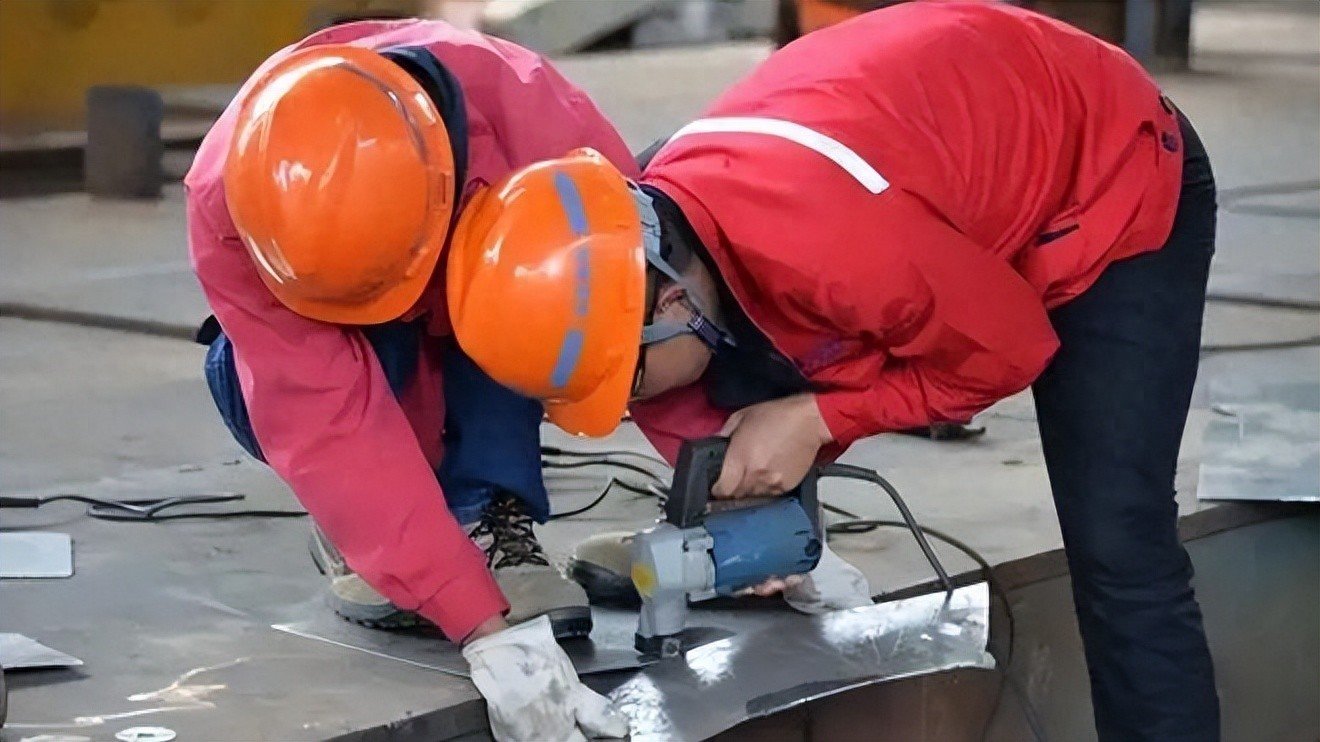


What does a riveter do? How are the wages and benefits?
One type of job is riveting. For example, when the boom of an excavator is welded, when the fuselage of an airplane is spliced, when the steel plates of a ship are fixed, it is indispensable behind these seemingly unrelated scenes. At present, the manufacturing industry is accelerating its transformation and upgrading, and high-quality metal joining has become a scarce resource. Relying on high reliability and long life, riveting is moving from an unpopular situation to a popular situation. However, many companies are worried: it is difficult to find people, and the quotation is even more complicated. Especially for the riveting and welding processing of thick plates, should the cost be calculated in kilograms or in man-hours? If this issue is not clear, the cost may be in vain by 30%.
Applicable scenarios for thick plate riveting and welding quotation by kilogram


For products with large batches and uniform specifications, it is common to quote prices by kilogram. For example, in 2025, what will the riveters do in a bridge steel structure factory in Zhengzhou, Henan? How are the wages and benefits? , it undertook an order for anti-collision guardrails on a certain high-speed section. For steel plates with a thickness between 12 mm and 20 mm, the price for riveting and welding processing was quoted at 18 yuan per kilogram. Calculation is simpler this way and the customer can see at a glance the cost corresponding to the total weight. However, its shortcomings are also very significant. If the structure of the workpiece is relatively complex, the number of holes is large, and repeated positioning is required, the time spent by workers will be much higher than that of simple plates, and the factory will easily suffer losses. Therefore, quoting in kilograms will be more suitable for thick plate workpieces with regular shapes and evenly distributed welds and riveting points.
Calculating the quotation in kilograms is relatively transparent for customers, but there is a risk of income fluctuations for riveters. At the beginning of 2026, a construction machinery parts factory in Linyi, Shandong Province tried this model. As a result, a batch of special-shaped plates required a lot of manual reaming. The workers worked for three days to complete. If converted into hourly wages, it was less than 25 yuan. Therefore, many skilled riveters do not accept the simple price per kilogram method, especially those jobs that require high precision and require frequent replacement of drill bits and rivet guns. If the factory forces outsourcing based on kilograms, it is very likely that it will not be able to recruit skilled workers, which will ultimately affect the quality of product delivery.
Applicable scenarios for thick plate riveting and welding quotations based on working hours
If the quotation is based on working hours, it will be more flexible, especially suitable for thick plate riveting and welding tasks with non-standard parts, small batches and high precision requirements. Take a precision machining factory located in Suzhou, Jiangsu Province in 2025. The thickness of the aerospace parts tooling they undertake is in the range of 8 mm to 25 mm, and the structure of each workpiece is different. When quoting, the riveter hours are calculated based on 85 yuan per hour, and the material cost is calculated separately. Such a method can fully demonstrate the technical value of the riveter. After all, for the same workpiece, a skilled worker may only need two hours to complete it, while an unfamiliar worker may need five hours. Calculated according to working hours, the customer only pays for the actual working time, thus avoiding the unfair feeling caused by "quoting high prices by kilograms."
Quoting based on working hours can reduce the friction between the factory and the riveters. Master Zhang, a riveter with 11 years of experience in Wuhu, Anhui, reported that all the work he will undertake in the second half of 2025 will be priced by working hours. Every time a project is completed, the processing steps and time taken will be photographed and recorded, and settlement will be made after the customer's confirmation. This model allows both parties to know exactly where every penny is spent. Especially when encountering temporary modifications to the design or adding hole positions, there is a corresponding basis for additional machining hours. For those companies that pursue quality and efficiency, quoting by working hours can ensure that riveters are willing to invest time to properly complete each process.
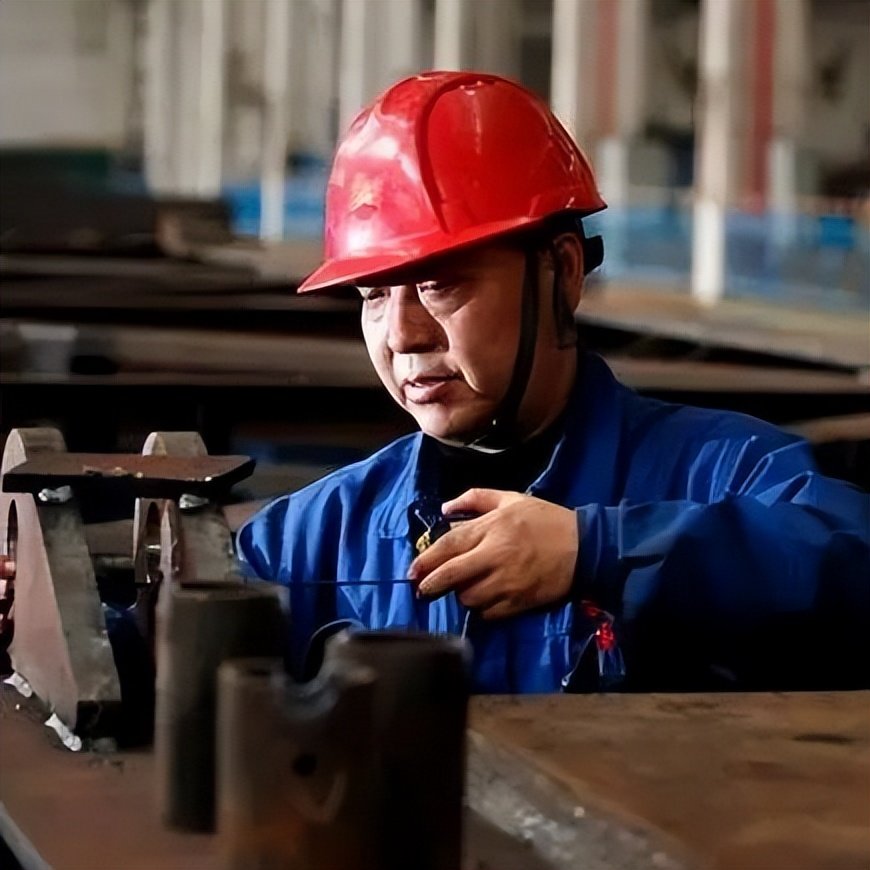
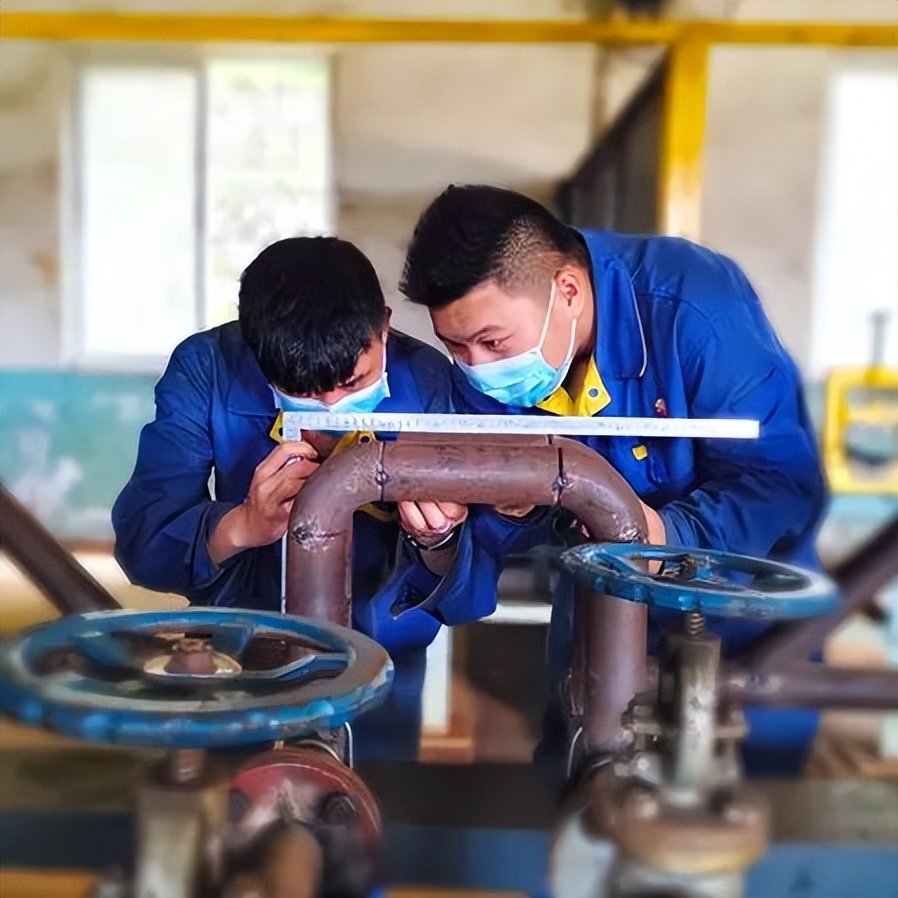
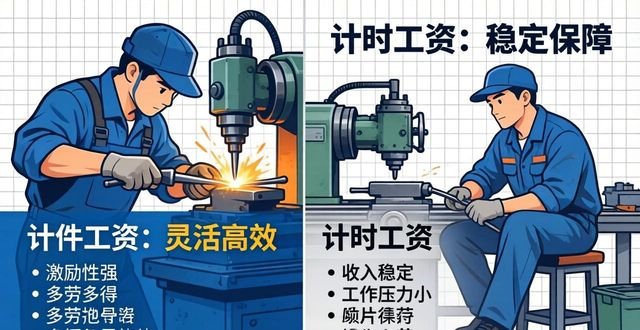
Comparison of the advantages and disadvantages of the two pricing methods

The biggest advantage of quoting by kilogram is that it is simple and crude. It is suitable for large quantities and high repeatability, and is suitable for thick plate riveting and welding processing. For example, in 2025, there will be a container accessories factory in Ningbo, Zhejiang, which will produce 50,000 pieces of thick plate connectors of the same specifications every month. It will adopt a quotation plan of 12 yuan per kilogram. After half a year, cost control has been in a stable state. However, this model makes it extremely difficult to motivate riveters to strive for excellence. The reason is that the income obtained by doing fast and slow is the same, so workers may tend to pursue speed and neglect quality. In addition, when material prices fluctuate significantly, quotations based on kilograms need to be adjusted frequently. As a result, price disputes may easily arise between customers and factories.
Quoting based on working hours can better demonstrate the technical difficulty and labor intensity. At the end of 2025, a statistical data in Foshan, Guangdong showed that for riveting and welding projects priced by working hours, customer satisfaction was 27% higher than that priced by kilograms. The most important reason is that the construction period can be more controllable and the quality is more guaranteed. However, there are also shortcomings in the working time quotation. Customers will be worried that workers deliberately slow down the work pace. Therefore, regular factories will generally state the upper limit of the estimated working hours on the quotation, or use a method such as "the unit price of working hours multiplied by the standard working hours". This can not only protect the reasonable income of the riveters, but also give customers a certain bottom line.
How companies choose pricing methods based on order characteristics
When an enterprise chooses a pricing method, it first depends on the duplication of orders. If the thick plate riveting and welding task is long-term, stable, and batch-oriented, such as manufacturing chassis brackets for a certain brand of truck all year round, and the thickness, hole position, and welding requirements are basically constant, then it will be more appropriate to quote by kilogram. In 2025, a heavy truck parts supplier in Baoding, Hebei Province used this method to produce 3,000 sets of thick plate brackets on a regular basis every month. The riveting and welding processing quotations were based on kilograms or labor hours , and were outsourced at 15 yuan per kilogram. After one year, the cost of a single piece was reduced by 8%. In this case, pricing by kilogram is convenient for accounting, and it is easy to enter into long-term contracts with downstream customers.
If the order types are complex and the thickness and structure of each batch of workpieces are completely different, it will be more cost-effective to quote based on working hours. A non-standard automation equipment factory in Chengdu, Sichuan has a deep understanding of this. They undertook 47 different riveting and welding orders in 2025. The smallest batch only had 2 pieces, and the largest batch only had 80 pieces. If the quotation method is adopted by kilogram, some complex workpieces cannot even be covered by the material cost. Later, the quotation for thick plate riveting and welding was changed to work-hours, which was calculated based on kilograms or work-hours , calculated at 90 yuan per hour, and a minimum order-taking time fee was set. This not only retained skilled riveters, but also prevented small-batch orders from losing money.
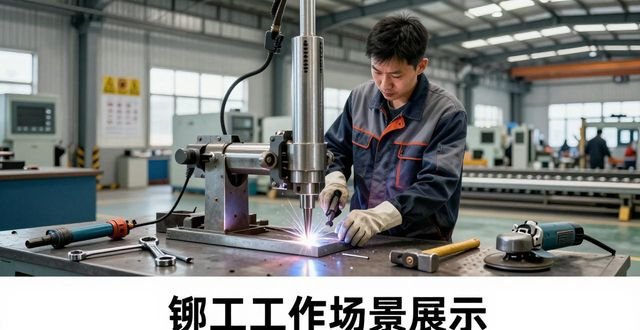
Current market quotation reference for thick plate riveting and welding processing
A salary report covering blue-collar technical jobs released by Wanfeng.com in March 2026 shows that the current market price of domestic thick plate riveting and welding processing shows a different situation: if quoted by kilograms, the price of ordinary carbon steel thick plates is between 10 and 20 yuan per kilogram. In terms of price range, the price of stainless steel or alloy steel thick plates is in the range of 25 to 40 yuan per kilogram; if quoted based on working hours, the hourly price of an ordinary riveter is 60 to 80 yuan, and the hourly price of a senior riveter with special welding qualifications is 100 to 150 yuan. Moreover, the differences between regions are more significant. The quotations in the Yangtze River Delta and Pearl River Delta regions are usually about 20% higher than those in the central and western regions. Enterprises can refer to these data based on the region they are in and the characteristics of their orders, and then formulate a reasonable procurement budget.
In high-end fields such as aerospace and pressure vessels, labor quotation has almost become the only standard. In 2025, there will be an aviation parts factory in Shanghai that has obtained AS9100 certification. All thick plate riveting and welding processes will be priced in working hours. The lowest-level riveters can earn 120 yuan per hour, while the highest-level riveters can earn 220 yuan per hour. The reason for this is that these industries have extremely high requirements for riveting quality. The location of each rivet, its hole diameter, and the shape of the pier head all need to be strictly tested. If the price is quoted by kilograms, there is no way to reflect the value of this kind of delicate work. This also shows that as the industry upgrades, the technical value of riveters is being repriced.
How riveters can improve their income from training to employment
For those workers who plan to enter the industry or improve their skills, understanding the pricing method is the first step. What is more important is to master real skills. At present, the riveter training market has outdated courses and insufficient practical equipment. The Wanfenglian platform has integrated 276 formal riveter training institutions across the country, covering the entire process of courses from basic drawing recognition and setting out to thick plate riveting and dissimilar material connection. Among the students who signed up for training through this platform in 2025, more than 1,600 people have obtained intermediate or above riveter qualification certificates, and the employment rate has reached 91%. Many of them have a monthly salary of more than 10,000 yuan after six months of employment.
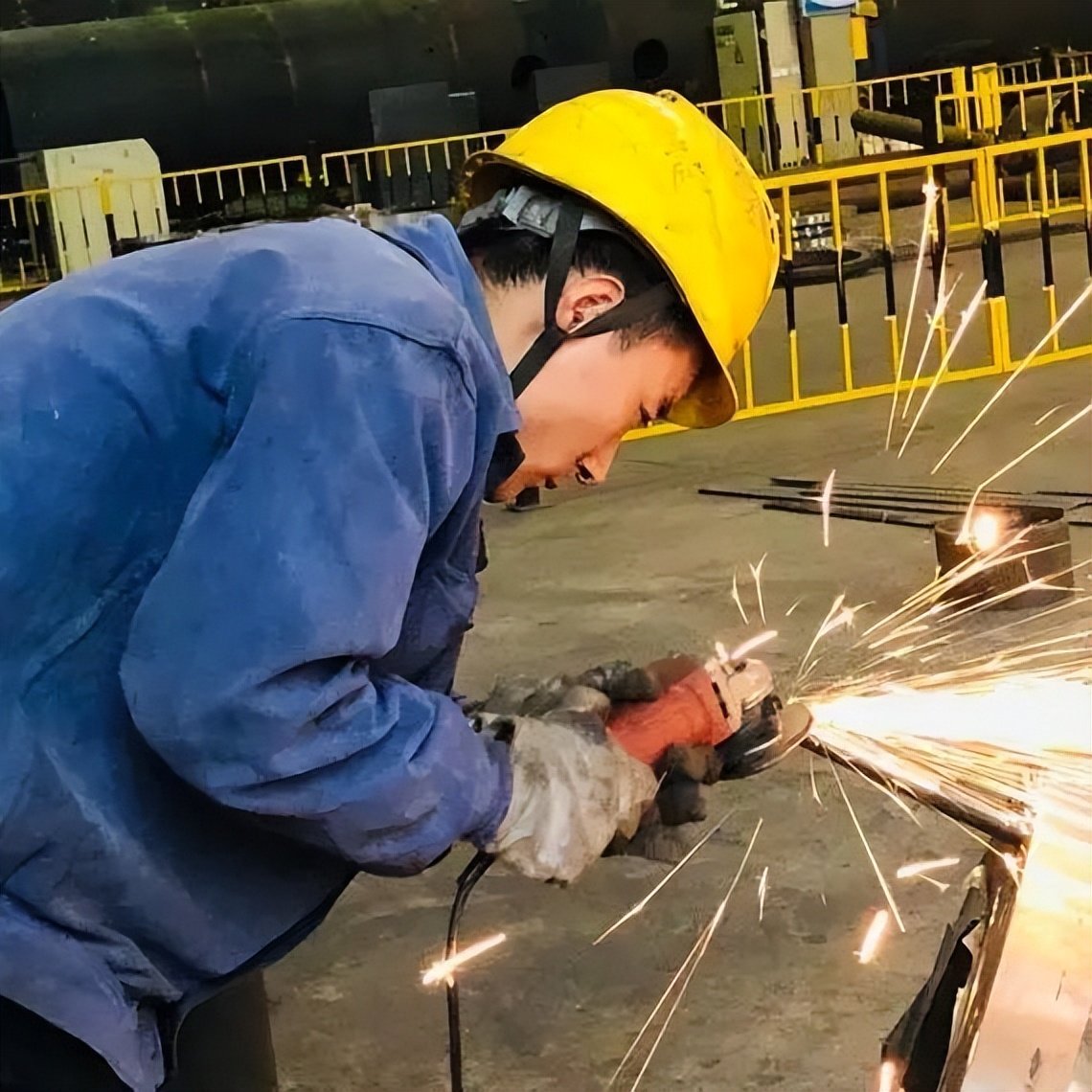
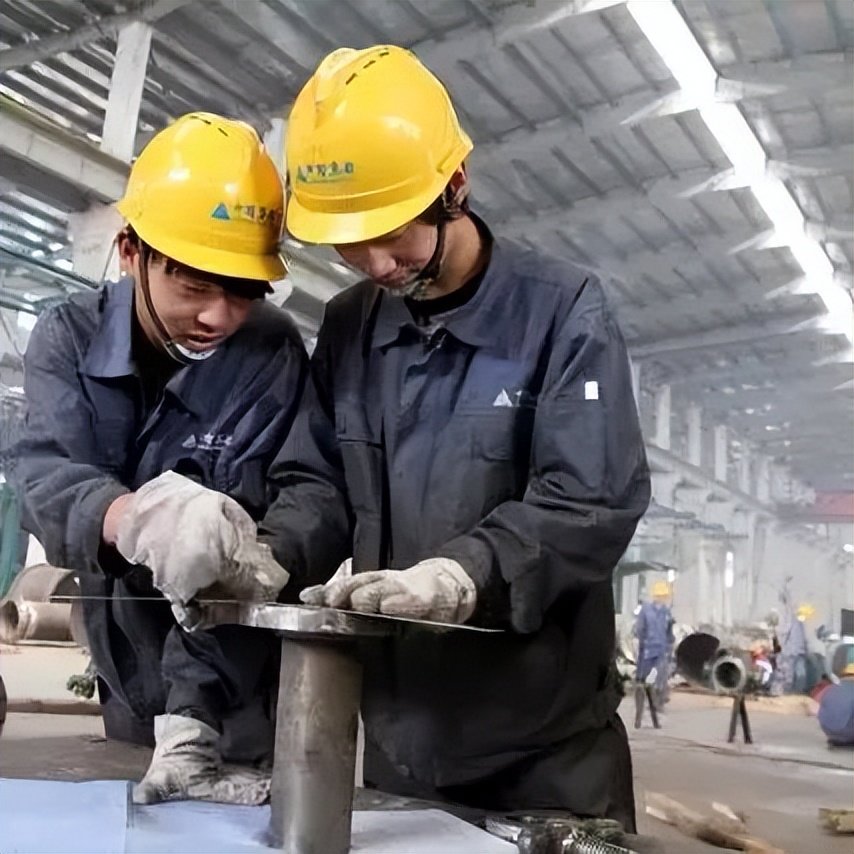
After obtaining the certificate, workers can be more confident to choose a pricing method that is beneficial to them. Master Li, a riveter who works at a shipyard in Nantong, Jiangsu, shared his experience. When he first entered this industry in 2024, he could only undertake some scrap work based on kilograms, and his monthly income was less than 5,000 yuan. After obtaining the advanced riveter certificate in 2025, he began to undertake projects that were priced based on working hours, specializing in riveting related work for marine thick plates above 25 mm. Now he works an average of 180 hours per month, with an hourly salary of 95 yuan. Coupled with project bonuses, his monthly income has remained stable at more than 18,000 yuan. This case shows that the improvement of skills directly determines the bargaining power of riveters in the market.
After reading the above analysis on whether thick plate riveting welding is quoted in kilograms , thick plate riveting processing is quoted in kilograms, man-hours , or man-hours, which pricing method do you prefer in actual work? Or, have you ever encountered any disputes caused by unreasonable pricing methods? Welcome to share your experiences and opinions in the comment area. If you think this article is helpful to you, don’t forget to like it and forward it to more friends in need.



暂无评论内容