


8 major surface treatment techniques for prototype models
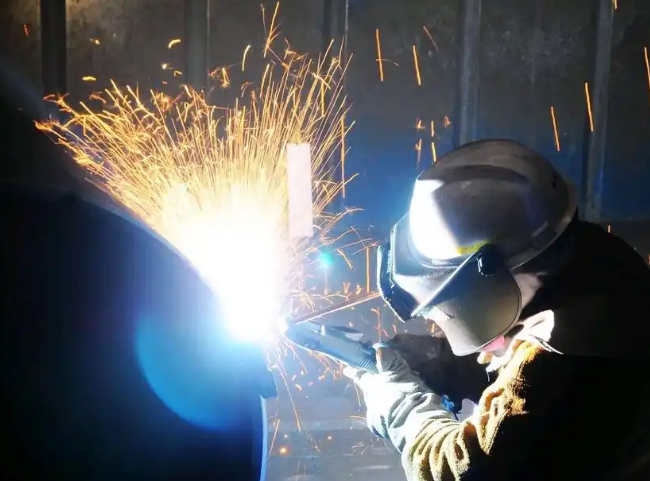
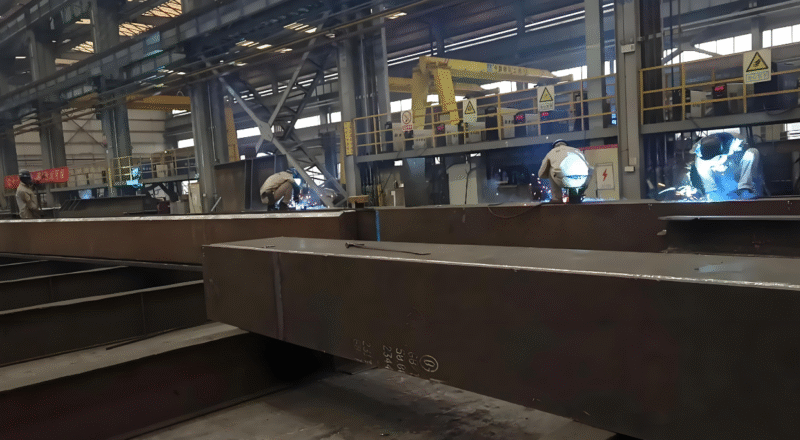
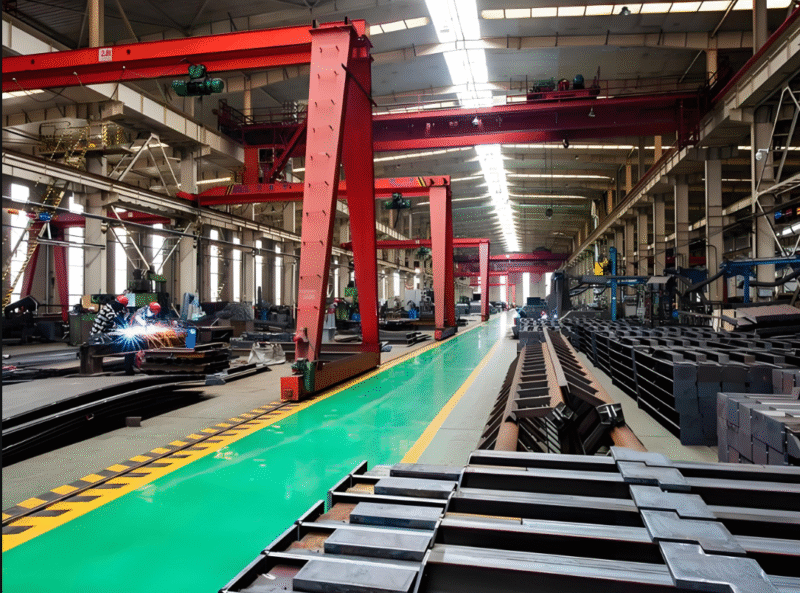
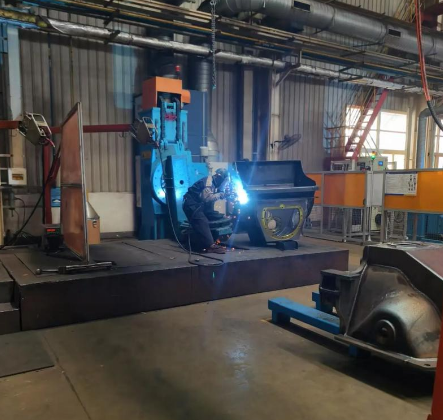
If you get a prototype model, you will find that after CNC processing, it often has to go through a series of complicated surface treatments. These processes directly play a decisive role in the final texture and performance of the model . Prototype model production includes metal riveting and welding , which is a key link in determining the first impression of the product.
Oil injection process
![图片[1]-8 Major Surface Treatment Techniques For Prototype Models-Dalian Fuhong Machinery Co., Ltd](/wp-content/uploads/2026/01/1769882657742_0.jpg)
In the surface treatment of prototypes, the most basic and commonly used process is oil spraying. The core is to spray the prepared paint evenly on the surface of the model to form a protective layer and give color. For prototypes of digital electronic products, the color requirements are particularly strict, and plastic paint with metallic luster is often used to simulate the texture of the real product.
When operating, the first thing to do is to clean the surface of the model to ensure that there is no oil or dust. Then adjust the color and consistency of the paint according to the needs, and use a spray gun to spray evenly in a special spray room. Each layer of paint film must undergo baking and curing, and each process has clear requirements for the cleanliness of the environment as well as temperature and humidity.
Oxidation treatment
The main target of the oxidation treatment is the prototype model made of aluminum alloy. This process uses electrochemical methods to produce a dense aluminum oxide film on the aluminum surface. This film can effectively prevent the metal from corrosion in the natural environment. After the oxidation treatment, the hardness and wear resistance of the model will be significantly improved.
Depending on the requirements, the thickness of the oxide film can be accurately controlled within the range of a few microns to tens of microns. This film itself has a porous structure and can be dyed later to achieve black, gold and other color effects, while maintaining the luster and texture of the original metal.
Brushed effect
A decorative method called wire drawing process is to rub fine lines on the metal surface. It can eliminate slight scratches on the surface of the material. The 8 major surface treatment processes of the prototype model, thereby forming a unique matte silk texture. This kind of processing relies mostly on the manual operation of skilled workers in prototype production. It is achieved by repeated rubbing in a fixed direction with a special brushed cloth or machine.
The thickness and direction of the grain can be adjusted according to the design requirements. Straight grain is an uninterrupted grain from top to bottom, thread is a circular grain, and random grain is an irregular free grain. Each grain can bring different visual and tactile feelings, thereby enhancing the sophistication of the product.
Electroplating technology
The following is the rewritten content: The process of depositing a thin metal layer on the surface of the model through the principle of electrolysis is called electroplating. Common types in this process include water plating, vacuum plating, and ion plating. Among them, water plating is suitable for a variety of materials, and vacuum plating can accurately control the thickness of the coating. As for ion plating, it is specially used for metal substrates, and its bonding force is stronger.
Plating materials include chromium, nickel, gold, silver, etc., which can not only change the appearance of the product and give it a metallic luster, but also improve the hardness, corrosion resistance, and conductivity of the surface . Prototype production includes metal riveting and welding . For those plastic prototypes that require a metallic texture but are cost-limited, electroplating is an ideal choice.
Biting flower craft
![图片[2]-8 Major Surface Treatment Techniques For Prototype Models-Dalian Fuhong Machinery Co., Ltd](/wp-content/uploads/2026/01/1769882657742_2.png)
Plastic prototypes often use bite patterns, and chemical etching is used to create various texture patterns on the surface. Leather grain, orange peel grain, wood grain, etc. are common textures, which can effectively cover the defects caused by injection molding and at the same time provide a non-slip touch feeling. The main colors are black, white and gray, which facilitates subsequent color matching.
During production, prototype model making includes metal riveting and welding processes . First, a resist is applied to the surface of the model, and then a pattern is carved. Then chemicals are used to corrode the exposed parts to form a concave texture. The depth of etching and the thickness of the texture can be controlled with the concentration of the potion and time. This process can greatly improve the appearance of the plastic model.
surface decoration
Silk screen printing is an important surface graphics and text processing process. The silk screen process uses a silk screen to transfer ink to the surface of the product. This process is suitable for batch printing of simple patterns and text. The silk screen printing process is relatively simple and fast, and can be applied to products of various shapes and materials. Laser engraving is also an important surface graphics processing process. The laser engraving process uses laser to carve permanent marks on the surface of the material. The process is highly precise and will not cause damage to the material body. The surface of the product treated by laser engraving has a unique texture and the marks are clear and lasting.
These two processes are commonly used to add brand logos, operating instructions or decorative patterns. Silk screen printing is relatively low-cost, and laser engraving is more durable and fine. Sandblasting is a process that uses high-speed sand particles to impact the metal surface to form a uniform roughness. It is often used as a pretreatment process before oxidation or electroplating.
Which prototype surface treatment process do you often come into contact with at work? In actual application, which process do you think results in the most significant improvement in texture? Welcome to share your experience and insights in the comment area.





暂无评论内容