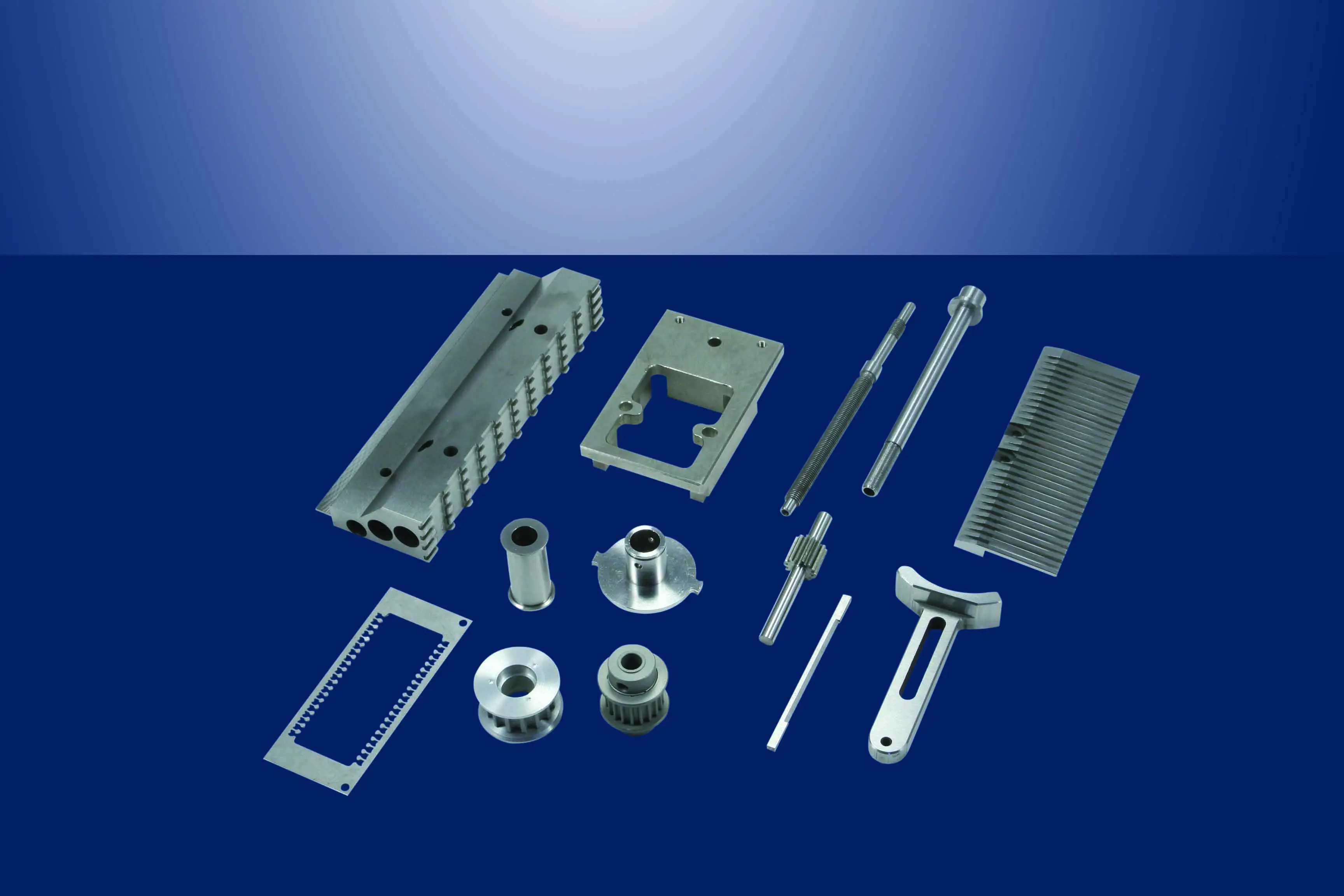


Cutting-edge technologies and applications of precision machining promote industrial upgrading
Precision machining is reshaping modern industry with unprecedented precision. Its technological breakthroughs are directly related to the competitiveness and upgrade speed of many high-end industries.
The nano world of ultra-precision processing
The precision of mechanical manufacturing has been pushed to the nanometer scale by ultra-precision machining. This technology can produce key parts with extremely smooth surfaces and minimal dimensional errors. For example, the mirrors used in photolithography machines will have a surface roughness of a few tenths of a nanometer in 2025, which is equivalent to being smooth at the atomic level, full stop.
This kind of precision is critical for integrated circuit manufacturing and is equally critical for high-end optical instruments. Without ultra-precision processing, there is no way to produce cutting-edge chips that can support current computing power needs. The cutting-edge technology and application of precision machining of this technology promotes industrial upgrading and has become a key indicator to measure a country’s high-end manufacturing capabilities. It also continues to promote the iteration of the semiconductor and precision instrument industries.

Five-axis linkage to conquer complex surfaces
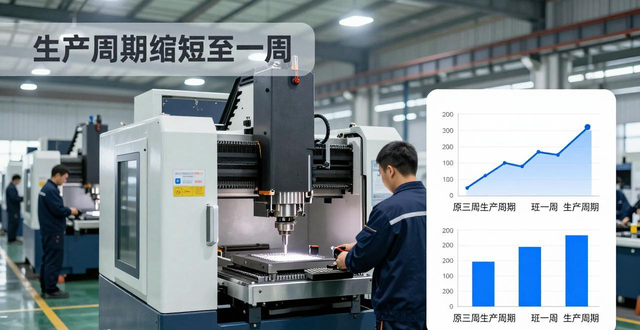
When faced with increasingly complex part geometries, five-axis linkage machining technology provides a solution. It allows the tool to move together in five directions, thereby enabling precision milling of complex curved surfaces to be completed in one go. What is the highest precision in precision part machining that can be achieved? , like blisks or artificial joints.

In the field of aero-engines, turbine blades have complex aerodynamic surfaces. The five-axis machining center can complete all finishing machining in a single clamping, which ensures the accuracy and consistency of the blade shape. This directly improves the fuel efficiency and thrust of the engine. This technology is standard for high-end aerospace component manufacturing.
Integration of additive and subtractive manufacturing
Combining 3D printing and precision machining creates a new hybrid manufacturing approach with complementary characteristics. Additive manufacturing is good at quickly shaping complex inner cavity structures, but traditional subtractive processing can give excellent dimensional accuracy and surface quality.
In actual operations, metal 3D printing is often used to produce part blanks, especially those with internal conformal flow channels, and then precision turning or milling is used to achieve the final shape of key parts. This kind of integration method shortens the development cycle of complex components and is widely used in the medical device and mold industries.
Process control of intelligent systems
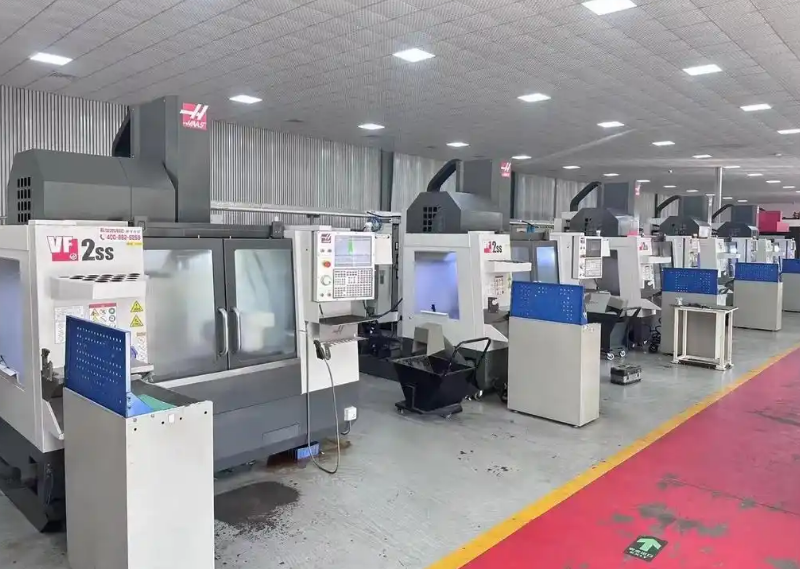
In precision machining workshops, intelligent manufacturing technology has been deeply penetrated. Various sensors are integrated on machine tools to collect cutting force, vibration and temperature data in real time, and algorithms are also used to analyze and predict.
How high can the system automatically compensate for errors caused by tool wear or thermal deformation? What is the maximum machining accuracy of precision parts? , thereby achieving independent optimization of the processing process. In 2026, there will be such an intelligent monitoring system in modern factories, which greatly reduces the scrap rate, improves the overall efficiency of the production line, and significantly enhances the quality stability during mass production.
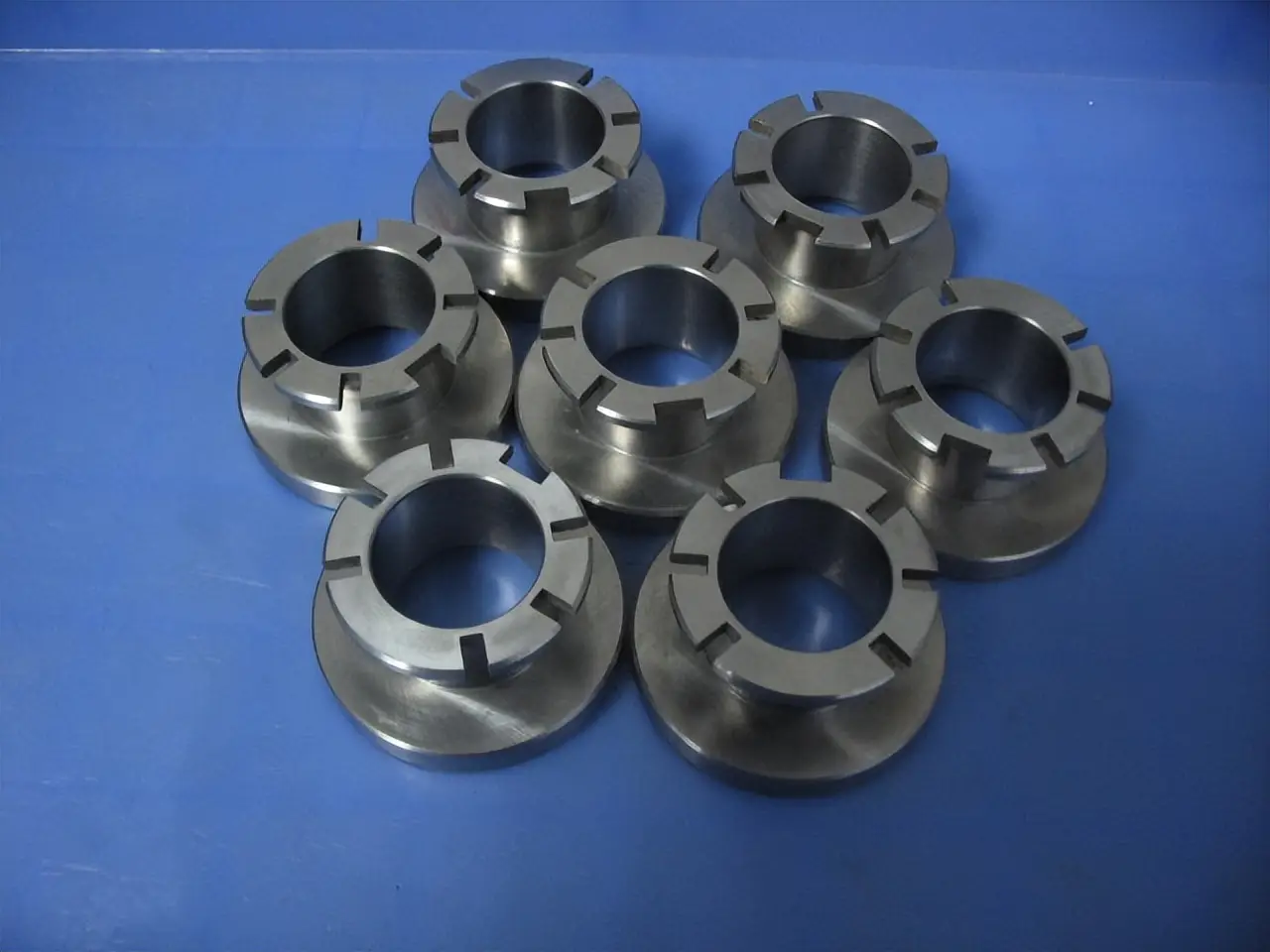
Processing Challenges of Materials Advances

New materials are constantly emerging, which continue to put forward new requirements for precision machining. For example, carbon fiber composites, ceramic matrix composites and high-temperature alloys are widely used in aerospace. However, due to their hard and brittle or high-strength characteristics, processing is extremely prone to defects.
For these materials, special special tool coatings must be developed, special cooling processes must be developed, and personalized cutting parameters must be developed. Processing technology breakthroughs develop together with material innovations, which together determine the performance boundaries of the final product.
Broad application prospects in many fields
The reach of precision processing technology has extended to many cutting-edge areas. In the medical industry, it is used to manufacture precision orthopedic instruments and surgical robot parts that are implanted in the body. In the new energy field, it is the key to fuel cell bipolar plates and photovoltaic silicon wafer cutting.
Those cross-industry applications not only promote the progress of the technology itself, but also give birth to new interdisciplinary and business models. As a technology that lays the foundation for empowerment, the degree of development of precision machining directly limits the innovation rate of downstream high-end industries.
Regarding the future situation of the manufacturing industry , what is the highest precision that can be achieved in precision parts processing? , which field do you think the demand for fine processing will grow most rapidly, whether it is medical implants, micro-robots or next-generation chip production? Welcome to share your views in the comment area. If you find this article helpful, please like it to support it.



暂无评论内容