


Analysis of CNC machine tool processing technology: from three-axis to five-axis
The technical path of CNC machining is moving towards complexity through basics. However, which machining method to choose , the five-axis machining accuracy and repetitive positioning accuracy can be said to be directly related to production efficiency and part accuracy.
Basic applications of three-axis machining
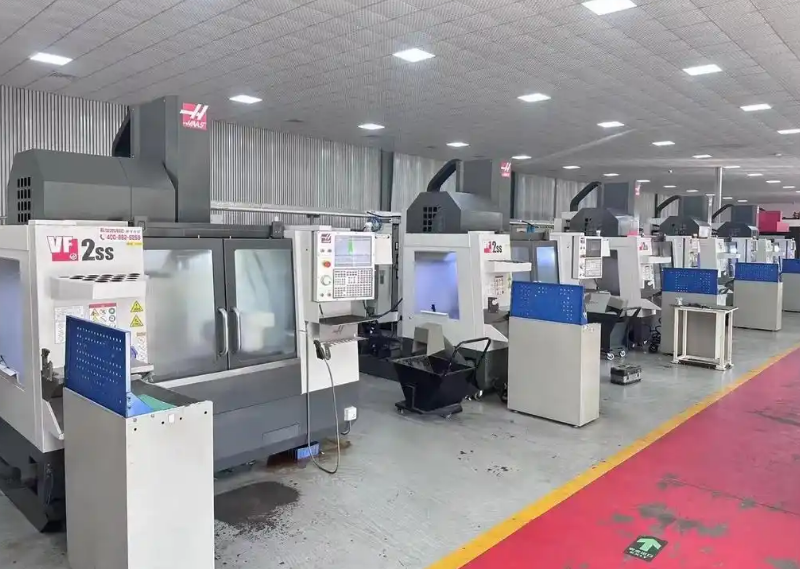
The three-axis machine tool moves in three straight directions to complete cutting. Its structural principle is intuitive and the operating threshold is relatively low. It is very suitable for processing plate parts, simple cavities and two-dimensional contours, such as common aluminum shells, plastic mold bottom plates and other simple structural products.
Three-axis machining has become a mainstream choice for many small processing workshops and entry-level fields due to its relatively straightforward programming and operation. In the production of woodworking furniture, advertising signs, and small batches of metal accessories, three-axis equipment meets most basic processing needs with its high economy.

Limitations of three-axis machining

When there are specific parts that need to be processed on multiple sides or have complex curved surfaces, the shortcomings of using a three-axis machine tool will be exposed. In order to complete the part, workers engaged in processing had to manually adjust the position of the workpiece over and over again. However, this operation process was quite time-consuming. CNC machine tool processing technology analysis: from three axes to five axes, and it was easy to introduce new errors.
Every time the clamping is re-clamped, it is very likely that slight deviations will occur. Once these errors accumulate, they will have a direct impact on the final assembly and performance of the parts. For those deep cavity parts or box parts with strict geometric tolerance requirements, the three-axis machining method often seems to be insufficient.
Efficiency innovation brought by four-axis
Adding a rotary axis in addition to the three linear axes for five-axis machining accuracy and repeatable positioning accuracy constitutes four-axis machining capabilities. This rotary axis usually allows the workpiece to be indexed or continuously rotated, allowing the tool to touch multiple sides of the part.
This shows that some parts that originally had to be clamped multiple times can now be processed on multiple sides in one clamping. This not only saves auxiliary time, but more importantly, eliminates reference errors caused by repeated positioning, significantly improving processing consistency.
Advantages of four-axis machining
Parts that have circumferential shape characteristics or require lateral grooving operations are typical beneficiaries of four-axis machining. For example, four-axis machine tools can efficiently mill spiral oil grooves on the surface of a cylinder, process cam profiles, or make certain types of gears.
The hole system in multiple sides is processed, or the contour on the rectangular parallelepiped workpiece is processed. For this situation, the four-axis indexing function has great advantages. It avoids the complexity of turning over multiple times. While improving accuracy, it also increases processing efficiency by more than 30%.

Complex surface solutions with five-axis technology
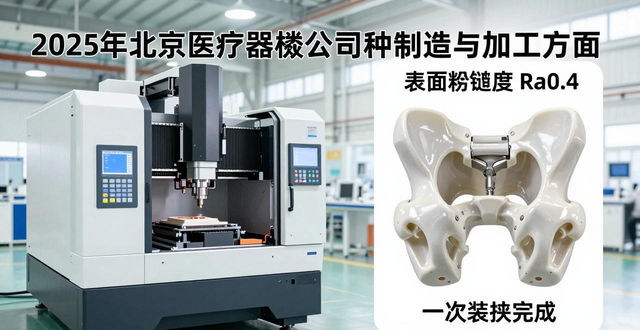
Since the two rotating axes have been joined for five-axis linkage machining, the tool can be positioned relative to the workpiece in any direction in space. This results in the cutting posture of the tool being always in an optimized state even when facing the most complex five-axis machining accuracy and repetitive positioning accuracy of free-form surfaces.
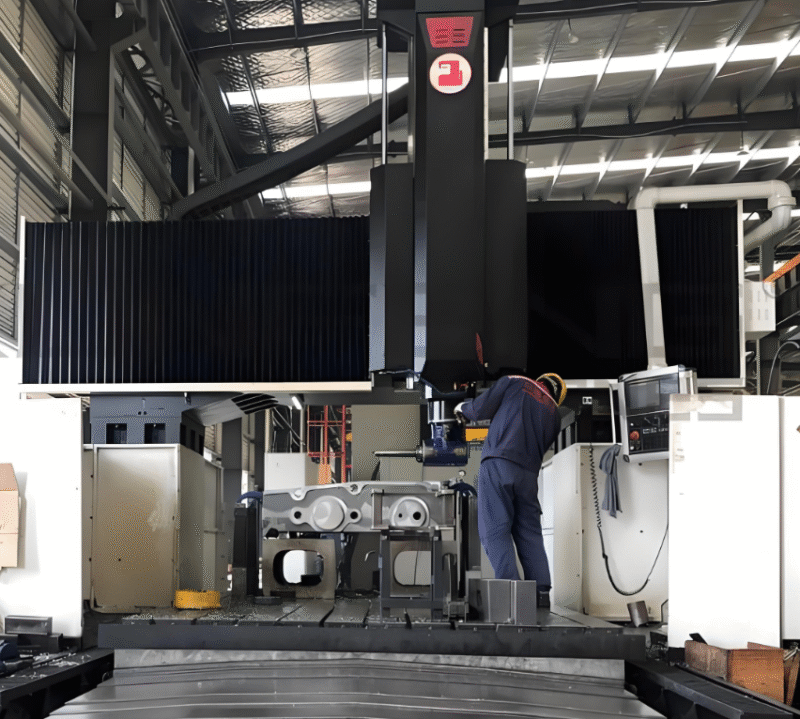
This ability allows parts with complex spatially complex surfaces, such as impellers, turbines, and engine cylinder heads, to be processed and formed in one go. It avoids the cutter marks produced by segmented processing, thereby obtaining better surface quality and higher overall geometric accuracy.
The core and challenges of five-axis machining
The key to achieving efficient five-axis machining lies in the complex tool path planning technology and the dynamic precision compensation function of the machine tool. As for programmers, they must comprehensively consider tool interference, cutting load, and machining efficiency to generate safe and reliable tool trajectories.
At the same time, the RTCP function of the machine tool can ensure that the position of the tool tip point is always accurately and controllable when the rotating axis is running. This puts forward much higher requirements for the machine tool’s mechanical structural rigidity, servo drive performance and CNC system computing power than three-axis equipment.
In the process of gradually advancing from three-axis to five-axis, where do you think the biggest technical or financial bottleneck usually occurs for a small and medium-sized machining company? You are welcome to share your insights. If you feel that this article is helpful, please give it a like and support.



暂无评论内容