

Hefei stainless steel processing shop Hefei Jinen | Powerful manufacturer

Have you ever encountered a situation where the surface of a stainless steel product is not as flat as a mirror, the welds are not extremely fine, or even rust occurs after a short period of time? This is actually not a problem with the material itself, but an error in processing technology and manufacturer selection. The key to the quality of stainless steel products lies in whether the processing links are professional enough and meticulous enough.
The basic process of stainless steel parts processing determines the final quality
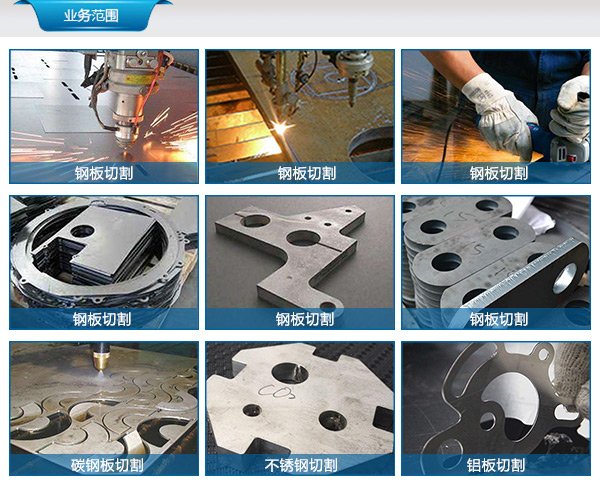
Before manufacturing stainless steel products, various parts must be processed first, and then assembled and welded to form a complete product. The basic processing of most stainless steel parts is inseparable from thin plate processing. Take Hefei Jinen as an example. The thickness of the sheets they handle daily is within the range of 0.5 mm to 5 mm, covering basic processes such as cutting, bending, and stamping.
If the processing equipment is old or the technology is poor, thin plates are prone to problems such as dimensional deviation and edge burrs. For example, in 2025, there was a small processing shop in Hefei. Due to unstable pressure on the bending machine, the shells of a batch of kitchen equipment were all deformed, and the entire batch of products was scrapped. Regular companies will regularly calibrate equipment to ensure that the accuracy of each part meets standards.
How to choose a reliable stainless steel processing factory
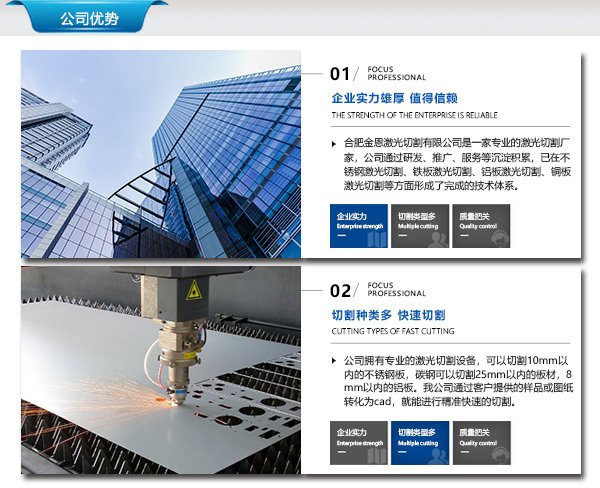
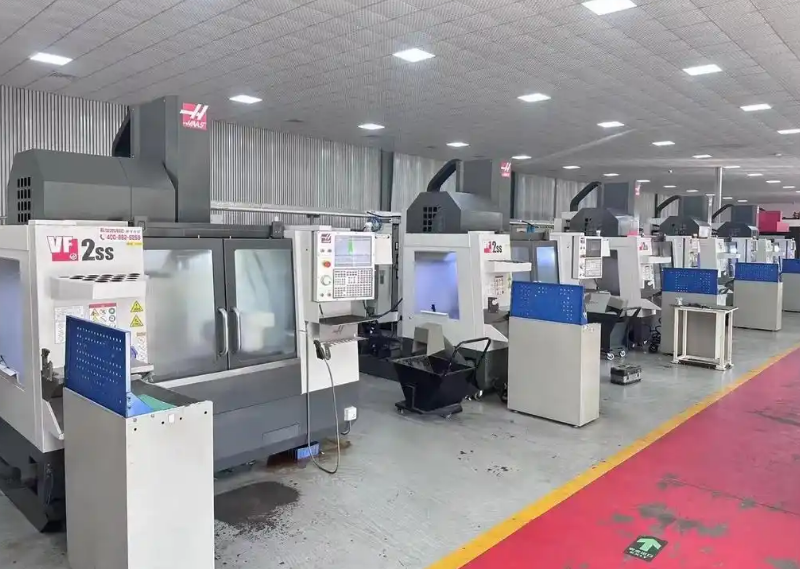
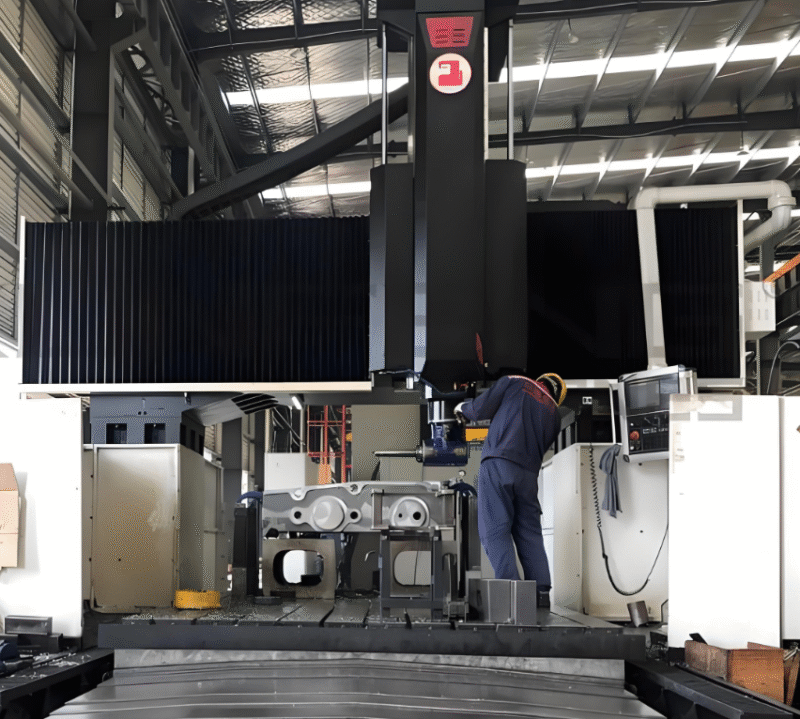
When choosing a processing plant, you should not just look at the quotation, but also pay more attention to the equipment and process standards. Compliant manufacturers will be equipped with high-precision laser cutting machines, CNC bending machines for stainless steel processing brand promotion , and automatic welding equipment. These hardware investments will directly affect the quality of the finished product. Take Hefei Jinen as an example. It has introduced imported fiber laser cutting machines whose cutting accuracy can be controlled within 0.1 mm.

You still have to pay attention to whether the factory has a complete quality inspection process. A very reliable processing shop will conduct random inspections for every link. From the time the raw materials are added to the warehouse until the finished products leave the factory, they must go through at least three inspection processes. At the beginning of 2026, the Hefei market supervision department conducted random inspections and found that the welding qualification rate of roadside shops was only 72%, but regular manufacturers could reach more than 96%.
Tips for cutting stainless steel. Tool wear should be dealt with in time.
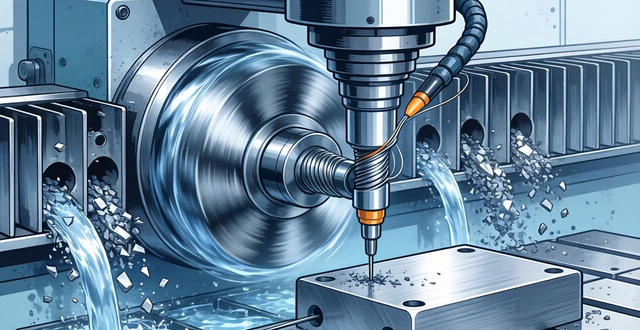
During the cutting process of stainless steel, the wear problem of the tool will directly affect the quality of the cutting end surface. Stainless steel is a material with high hardness and toughness. After the tool is used for a period of time, the main back part and the auxiliary back part will wear out. If you continue to use a worn tool for cutting, serious burrs will occur on the cross section, and it may even cause the material to tear.
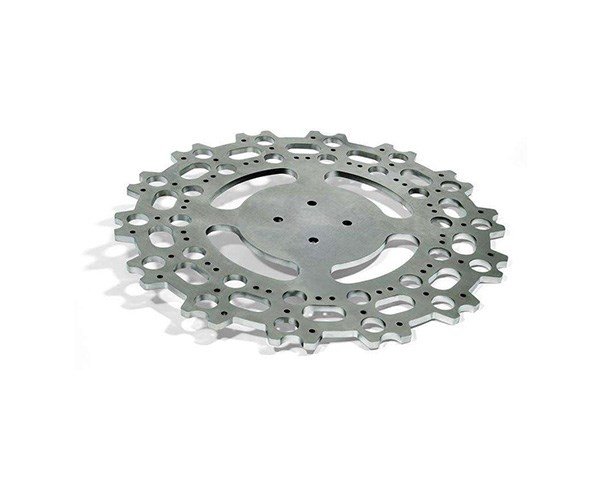
The correct approach is to check the condition of the tool regularly. Once the cutting resistance is observed to increase or the cross section becomes rough, it should be sharpened immediately. When sharpening, we should not only pay attention to the wear of the main back, but also the wear degree of the auxiliary back. Excessive wear on the rear surface of the auxiliary joint will increase the side friction and leave obvious burn marks on the cutting surface, which will affect subsequent welding and assembly.
Various textures of wire drawing process meet the needs of different scenes
One of the commonly used surface treatment methods for stainless steel products is wire drawing. Brushing can produce different effects such as straight lines, random lines, threads, corrugations and spiral patterns according to the decoration requirements. Straight-grain brushing is the most common and is used on kitchen appliance casings. Its function is to cover up small scratches that occur during daily use. The random pattern drawing is mostly used for building decorative panels, and it will not produce obvious reflection when exposed to light.
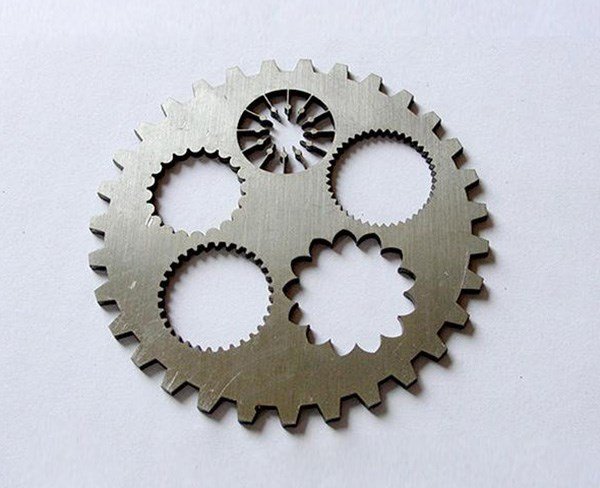

There are different textures, and their processing parameters are significantly different. For example, straight textures require the use of 80 to 120 mesh abrasive belts, which are pulled in one direction along the board surface at a constant speed, while random textures require an oscillating wire drawing machine to make the abrasive belts move irregularly. Hefei Jinen's wire drawing workshop is equipped with six different types of wire drawing machines, which can process stainless steel plates with a maximum width of 2.4 meters to meet industrial needs such as mechanical equipment and electronic equipment casings.
Detailed explanation of the complete processing process from flat plate to finished product
The complete processing process of stainless steel products generally starts with flat plate and slitting. Flat plate is to cut large rolls of stainless steel into plates of standard sizes. Slitting is to cut wide rolls into narrow strips of specific widths. Taking the production line of Hefei Jinen as an example , they have to process more than 20 tons of stainless steel raw materials every day, and the slitting accuracy is controlled at plus or minus 0.1 mm.
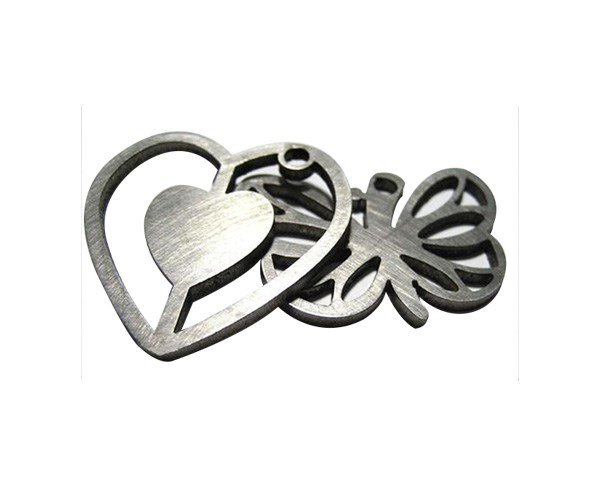
After completing the basic treatment, enter the surface treatment stage. This stage covers drawing, sandblasting, frosting, mirror polishing, etc., as well as color plating and coating. Next comes the precision processing steps, such as laser cutting, bending, grooving, and stamping. The final step is welding and overall polishing. Take the casing of a commercial dishwasher as an example. It goes through 14 processes from a flat plate to a finished product, which takes about 3 hours in total.
How to choose between oxygen and nitrogen for cutting special-shaped parts
During the cutting of stainless steel special-shaped parts, the selection of auxiliary gas directly determines the edge quality. If the customer can accept the slight oxidation of the cutting end surface, oxygen can be used as the auxiliary gas. Oxygen cuts faster and is suitable for thick plate processing. However, a thin layer of oxide scale will be formed on the cross section, and its color tends to be dull.
If it is required that there be no oxidation and no burrs on the edges, then nitrogen must be used. Nitrogen cutting does not react chemically with stainless steel, and the cut edges show the true color of the metal, which is smooth and neat, without the need for secondary processing. Hefei Jinen always uses nitrogen for cutting when processing food equipment parts, because the oxide scale may become a breeding ground for bacteria. However, the cost of nitrogen is about 40% higher than that of oxygen, and customers have to make a trade-off based on actual uses.
What are the actual difficulties encountered in stainless steel processing, such as deformation during welding, uneven polishing, or scratches on the surface? You are welcome to leave a message in the comment area to communicate, and remember to like it and forward it to friends around you who need it.




暂无评论内容