

CNC parts processing industry trend analysis (machine parts CNC processing)
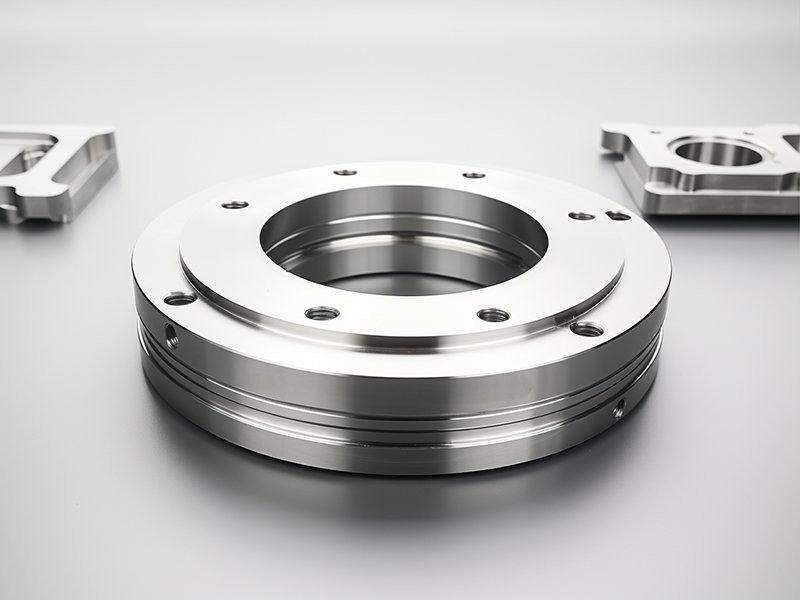
Nowadays, mobile phones are being updated faster, cars are being updated faster, and medical equipment is being updated faster. Behind this, high-precision CNC parts processing is extremely effective and indispensable. This industry that specializes in processing is currently undergoing an extremely profound and far-reaching change. In this change, CNC parts processing industry trend analysis (mechanical parts CNC processing), factories that cannot keep up with the pace of progress will be eliminated and abandoned by the industry. For customers who are in urgent need of non-standard parts, under this situation, finding a processing plant that not only understands the technology and has professional technical capabilities, but can also customize to meet individual needs, ensure stable quality, and pay attention to environmental protection and meet relevant requirements has become a crucial factor in the successful implementation of the product.
Technological innovation is reshaping processing processes
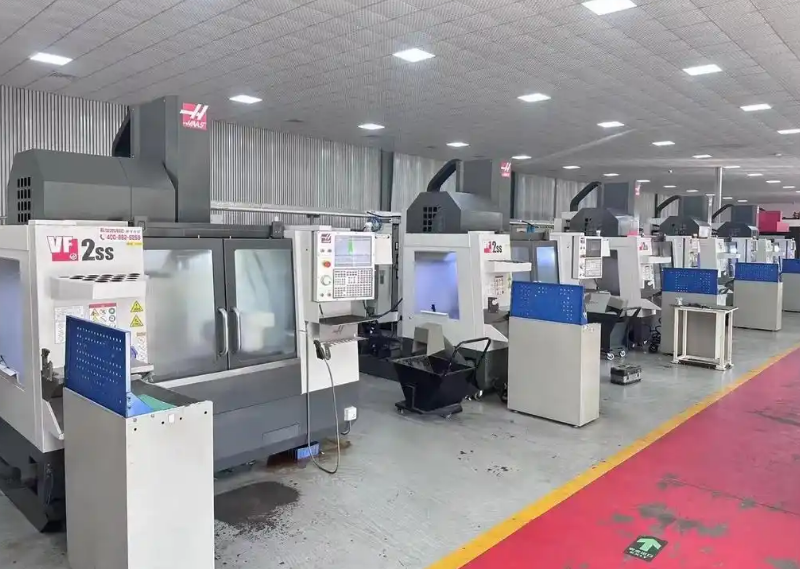
![图片[1]-CNC Parts Processing Industry Trend Analysis (machine Parts CNC Processing)-Dalian Fuhong Machinery Co., Ltd](/wp-content/uploads/2026/04/1775160505464_0.jpg)
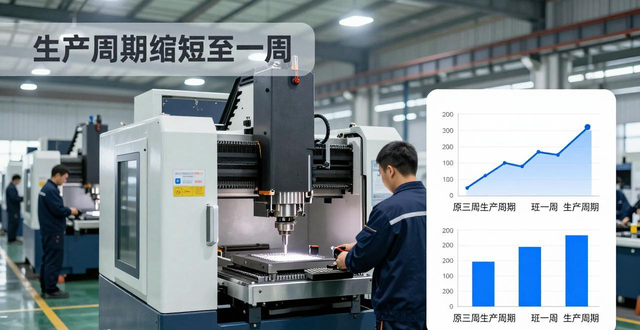
In the past, manual programming and machine operation took up a lot of time . The development trend of the non-standard parts processing industry is now that artificial intelligence and big data technology are beginning to be integrated into CNC processing. In 2025, many domestic precision processing plants have introduced intelligent process optimization systems, such as a factory in Dongguan, Guangdong. By collecting tool wear data in real time and automatically adjusting cutting parameters, the processing efficiency of aluminum alloy parts has increased by 22%. This system can also predict equipment failures and reduce unplanned downtime.
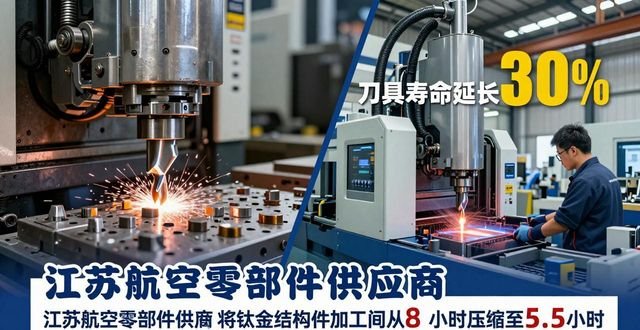
In the past, difficult-to-process materials such as titanium alloys and high-temperature alloys caused headaches for many manufacturers, and processing new materials was a difficult problem. Today, with high-performance coated tools and adaptive control technology, machining efficiency has been improved and yield rates have been significantly improved. At the beginning of 2026, an aviation parts supplier in Jiangsu successfully reduced the processing time of titanium alloy structural parts from 8 hours to 5.5 hours, and extended the tool life by 30%. New material processing is no longer a problem.
Customized production replaces mass-volume model
In the past, factories preferred to undertake long-term batch orders, but now the market trend has completely changed. Customers in industries such as medical equipment, robots, and drones often only need dozens or even just a few non-standard parts, but they have high precision and fast delivery requirements. This kind of small batch and multi-variety orders prompted factories to adjust their production organization methods, and flexible manufacturing systems became standard.
In the fourth quarter of 2025, there was a precision parts processing factory in Shanghai. Among the orders it received, the number of single batches was less than 50 pieces, accounting for 67%. This factory uses modular tooling and rapid mold change technology to shorten the line changeover time from the original 2 hours to 15 minutes. When the customer requests modifications to the drawings, it can reschedule production on the same day, ensuring its foothold in the highly competitive market for non-standard parts processing.
Quality control is no longer just the last inspection
Many buyers have encountered this situation: the sample is qualified, but the size is out of tolerance during batch delivery. The traditional post-inspection model cannot avoid the risk of batch scrapping. Today's leading processing plants are beginning to implement online testing and full-process traceability. During the processing process, key dimensions are automatically measured with the help of a probe, and the data is uploaded to the quality management system in real time.
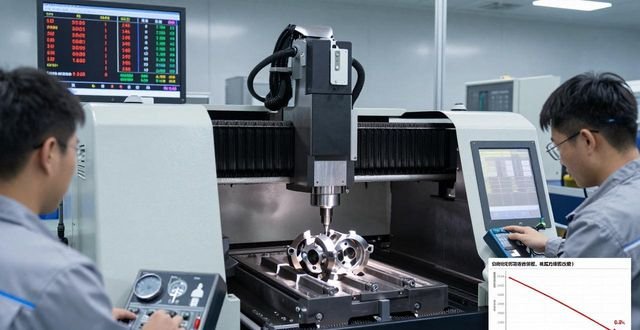
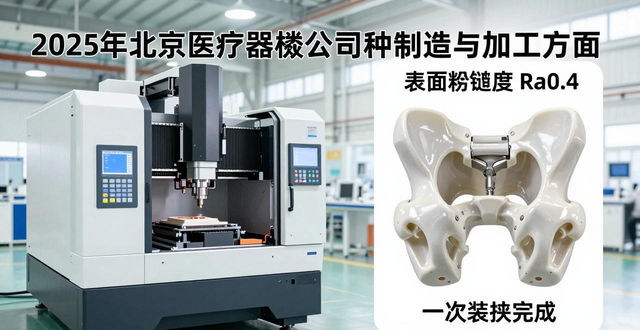
Take a precision parts processing factory in Shenzhen as an example. This factory produces surgical instrument parts for a medical company, and it is stipulated that all dimensional tolerances must be controlled within ±0.005 mm. Since the processing data of each product can be automatically recorded, customers can view the actual measured values of each process by scanning the QR code. After the implementation of this system, the factory's customer complaint rate dropped from 3.8% in 2024 to 0.6% in 2025, and the customer repurchase rate has increased significantly.
Environmental protection requirements force factories to upgrade processes
In the past, the impression given to people in the field of machining was that oil stains were all over the ground and cutting fluid was discharged randomly. Nowadays, environmental protection policies have become increasingly strict. In 2025, environmental protection departments in many places launched special rectification actions against the metal processing industry. Workshop-style factories that did not meet environmental protection requirements were ordered to stop production or even close. However, regular factories took the initiative to upgrade their processes. For example, the development trend of the non-standard parts processing industry is to use minimum quantity lubrication technology to replace large amounts of cutting fluid, and the amount of waste fluid production has been reduced by more than 90%.
There is a factory in Zhejiang that provides non-standard parts processing for the automotive industry. The factory invested 1.5 million yuan in building a cutting fluid circulation treatment system. In the whole year of 2025, waste liquid emissions will be reduced from the original 80 tons to 5 tons, and the annual cutting fluid procurement cost will be saved by nearly 300,000 yuan. More importantly, their environmental compliance record has become a bonus in bidding, and they have successfully entered the supplier list of many automobile manufacturers.
Think about it, which trend will have the most significant impact on your purchasing decisions in the next three years? Welcome to the comment area to share your personal opinions. At the same time, don’t forget to like it and forward it to your colleagues who also care about non-standard parts processing.



暂无评论内容