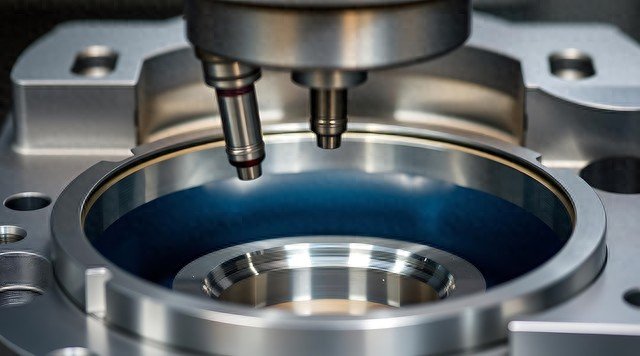


What is the price of CNC processing 5 commonly used machineable aluminum alloys? Suitable for aviation, automobiles, etc.
In the field of precision machining, choosing the right aluminum alloy is only the first step, but the key to the processing efficiency and part quality is often hidden in the parameter settings of CNC milling. It is also made of 6061 aluminum. If there is an error in the speed and feed settings, the tool will suffer wear in the lighter case, and the workpiece will be directly judged to be scrapped in the more serious case. Just today, we will start with the material properties of the five most common aluminum alloys and directly give specific milling parameters for reference, so as to make your machining process smoother.

2024 aluminum and copper elements determine cutting strategy
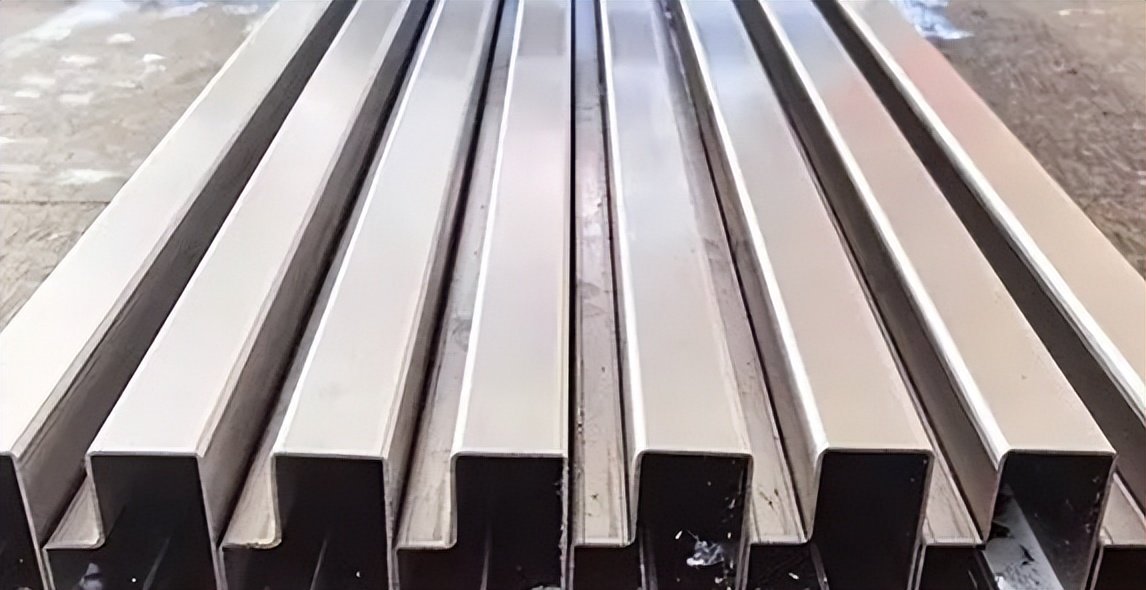
2024 aluminum belongs to the 2xxx series, and copper is its key alloy element, which gives it high strength and excellent fatigue resistance. However, it also causes an obvious shortcoming, namely poor corrosion resistance. In the fields of aerospace and automotive parts processing, 2024 aluminum is often used to manufacture structural parts and connectors. Due to the presence of copper, this material is prone to sticking when cutting. What are the prices of 5 commonly used machinable aluminum alloys in CNC machining? It is suitable for aviation, automobiles, etc., so it is necessary to maintain a high cutting speed during processing to shorten the contact time between the tool and the material. Using coated carbide cutting tools is advisable advice yet. The spindle speed needs to be controlled within the range of 8,000 to 12,000 rpm. The feed rate per tooth should be in the range of 0.05 to 0.1 mm.
Since 2024 aluminum is prone to deformation due to residual stress after processing, roughing and finishing are best carried out separately. During rough machining, it is recommended to use the down milling method and leave a finishing allowance of 0.3 to 0.5 mm to allow the material to release stress during its natural aging process. In terms of cooling, high-pressure emulsion or mist cooling must be used, which can not only take away a lot of cutting heat, but also prevent copper elements from forming built-up edges on the tool surface. In actual production, many engineers will disassemble the workpiece and let it stand for more than 12 hours before finishing. This practice is extremely common in the supplier system of aircraft parts manufacturing companies such as XAC and Chengdu Aircraft.
Feed Optimization of 6061 Aluminum General Material
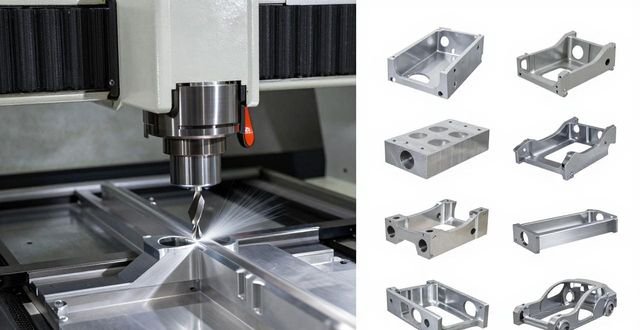
There is a material called 6061 aluminum, which is said to be the most widely used in the 6xxx series. The combination of magnesium and silicon gives it good weldability and corrosion resistance, and when it comes to its processing performance, it is also quite excellent. It can be seen everywhere, starting from the casing of consumer electronics, to the component level of truck bodies, to the structural parts used in buildings. Since the plasticity of 6061 aluminum is relatively good for CNC milling aluminum parts , edge chipping is not easy to occur during milling. However, the requirements for the sharpness of the tool are relatively high. For a normal three-axis machining center, it is recommended to use an uncoated or DLC-coated carbide end mill. The spindle speed can be set in the range of 10,000 to 15,000 rpm, and the feed speed is controlled at 0.08 to 0.12 mm per tooth.
When processing thin-walled parts or deep-cavity structures, special attention should be paid to the vibration problem of 6061 aluminum. It is recommended to use variable helix angle tools to suppress cutting resonance and CNC milling aluminum parts parameter settings , but the cutting depth should be controlled within 0.5 times of the tool diameter. In terms of cooling methods, since 6061 aluminum is moderately sensitive to heat, water-soluble cutting fluid can meet most working conditions. When processing large-volume orders of 6061 aluminum, precision processing plants in Dongguan and Shenzhen often use high-pressure central water discharge technology. This solution can increase tool life by more than 30% and ensure that the surface roughness of the workpiece is stable within Ra1.6 microns.
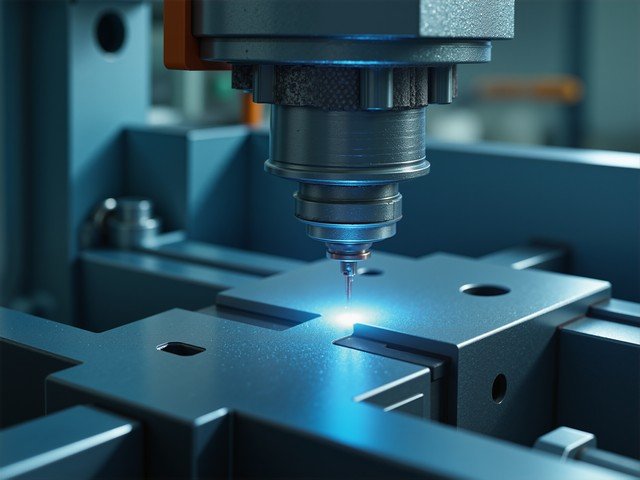
Low speed heavy cutting of 7075 aluminum high hardness material
7075 aluminum belongs to the 7xxx series, in which zinc is the main strengthening element. It has a tensile strength of up to 83,000 psi and a hardness similar to that of some steels. It is often used in scenes that are subject to high stress, such as aircraft landing gear, bicycle frames, and golf club heads. The biggest difficulty in processing this material is that it has high hardness and sufficient toughness. It generates a lot of heat during cutting, which can easily cause rapid wear of the tool. For aluminum made of 7075, it is recommended to use a carbide tool that uses a physical coating (PVD) process, moderately reduce the spindle speed to a range of 6,000 to 10,000 rpm, and control the feed speed within a range of 0.03 to 0.07 mm per tooth.
When processing 7075 aluminum, the overhang of the tool must be strictly controlled. Generally speaking, it is recommended that it not exceed 4 times the diameter of the tool. Otherwise, it is extremely easy to cause the tool to give way, resulting in out-of-tolerance dimensions. Since the internal stress of the material is large after heat treatment, the roughing removal rate is not suitable. It is too high. It is recommended that the single radial cutting width should not exceed 20% of the tool diameter. In aerospace parts outsourcing factories in Suzhou, Ningbo and other places, engineers usually add a stress relief annealing process after rough machining and then perform finishing machining. This can effectively avoid excessive deformation of the parts during final inspection. In terms of coolant, it is necessary to use a high-concentration emulsion and ensure that the cutting area is fully flushed, so that the accumulated heat can be quickly taken away.
Anti-stick knife tips for 3003 aluminum soft materials
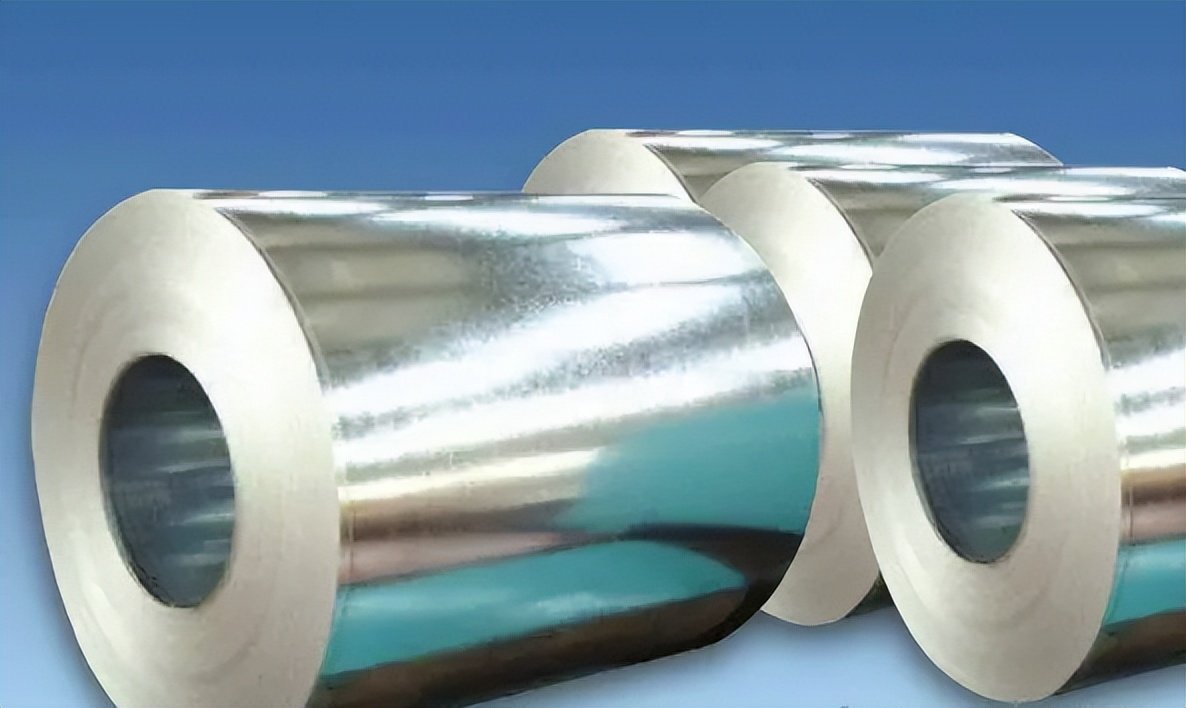
3003 aluminum is the representative of the 3xxx series. It is a non-heat-treatable strengthened aluminum alloy and mainly contains manganese. It has low strength but excellent ductility. It is mostly used for components such as cookware, chemical equipment and water tanks that require deep drawing or bending. In milling processing, the biggest challenge of 3003 aluminum is that its texture is soft and it is easy to adhere to the cutting edge of the tool to form built-up edge, thereby damaging the machined surface. When processing this kind of material, you must use extremely sharp tools. It is recommended to choose a carbide milling cutter with a polished edge. The spindle speed can be increased to 12,000 to 18,000 rpm. CNC milling aluminum parts parameter settings , the feed speed should be increased accordingly, controlled at 0.1 to 0.15 mm per tooth.
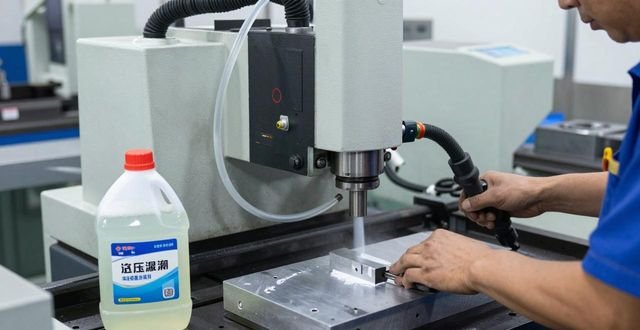
When processing 3003 aluminum, down milling is still the preferred strategy, but care must be taken to prevent repeated friction of the tool in the cutting area. The selection of cooling lubricant is more critical than the parameters. It is recommended to use microemulsion containing extreme pressure additives and ensure sufficient flow. In the field of processing small household appliance parts in Jiangsu, Zhejiang and Shanghai, many companies use air cooling combined with minimum quantity lubrication to process 3003 aluminum. This can not only effectively prevent tool sticking, but also avoid residual cutting fluid on the surface of the workpiece, which may cause subsequent cleaning difficulties. At the same time, due to the low hardness of the material, care should be taken when clamping that the clamping force should not be too large, otherwise indentations will easily be left on the surface of the workpiece.
Cutting heat control of 5052 aluminum corrosion-resistant materials
5052 aluminum is also a non-heat treatable strengthened aluminum alloy. The addition of magnesium and chromium gives it excellent seawater corrosion resistance. Therefore, it is widely used in fields such as marine engineering, ship parts, and fuel pipelines. It also has the highest tensile strength among non-heat-treated aluminum alloys, reaching 33,000 psi. The biggest problem when milling 5052 aluminum is its relatively poor thermal conductivity. Cutting heat tends to accumulate at the tip of the tool. This results in work hardening of the edges of the workpiece. It is recommended to use diamond-coated tools or nano-coated tools, set the spindle speed to 10,000 to 14,000 rpm, and maintain the feed speed within the range of 0.06 to 0.1 mm per tooth.
5052 aluminum is often used for welding and assembly after processing. The milling surface must ensure good cleanliness, and no residual coolant or oil is allowed to exist. Therefore, when processing such parts, many manufacturers have begun to try to use liquid nitrogen cooling or cold air cooling technology, especially when processing thin plate parts, the results are quite remarkable. In marine equipment manufacturing bases in Tianjin, Qingdao and other places in my country, engineers have summarized a set of experiences for processing 5052 aluminum: formulating a strategy of using small depth of cut and fast feed, and using the cutting heat to be taken away by the chips to achieve the purpose of effectively controlling the temperature rise of the workpiece body. At the same time, it is best to choose a value of 35 degrees or more for the helix angle in the tool. This will help squeeze chips out and reduce the risk of repeated cutting.
Returning to the starting question again, the parameter settings for aluminum alloy CNC milling have never been absolutely fixed values. They have to be dynamically adjusted based on the specific material grade, tool status, machine tool performance and part requirements. Most of the data given above are derived from actual production accumulation in the fields of aerospace, automotive parts, and high-end consumer goods processing. We hope to provide you with a reliable reference for your actual processing. Finally, I would like to ask you, in the normal precision machining process of aluminum alloys, are you more worried about the excessive wear speed of the tool, or are you more worried about the deformation of thin-walled parts that is difficult to control? Please share your personal and practical experience in the comment area, and don’t forget to like and collect it. The purpose is to enable more friends who are engaged in machining to view this content that is of practical value and concise.




暂无评论内容