

Brief description of storage tank rust removal spray construction process
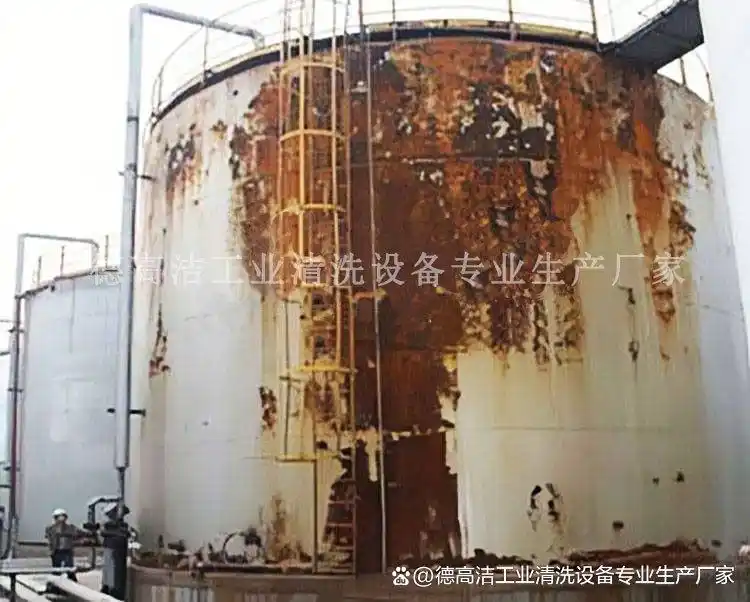
Large outdoor oil storage tanks are exposed to wind and rain all year round, causing corrosion and scale accumulation on the tank walls. This is a key hidden danger that affects their safe operation. If it is not dealt with in time, it will not only shorten the service life of the equipment, but also very likely cause a series of safety accidents such as leakage. What we are going to explain this time is the rust removal spraying construction on the outer walls of large oil storage tanks. Let’s see how the professional team will use new technologies to solve old problems.

Why do we need to anti-corrosion the outer walls of storage tanks?
In the outdoor environment, oil storage tanks are exposed for a long time. Oxygen and moisture in the atmosphere, as well as corrosive gases in industrial areas, will continue to corrode the metal surface. Once the protective layer fails, the tank wall will start with spot corrosion and then develop into large-scale peeling. In severe cases, it may even cause the tank to be perforated and leak. Anti-corrosion construction on the outer wall can effectively isolate corrosion factors in the environment and extend the service life of the storage tank by more than ten years.
In addition to its protective function, the exterior wall coating also shoulders the responsibility of corporate image display. There is a storage tank with a neat appearance and bright colors. It not only complies with the relevant requirements of safety marking standards, but also demonstrates the management level of the company. Especially for the storage tanks located at the entrance of the factory or near the main traffic line, the good appearance itself is a kind of silent brand promotion.
How to choose a reliable anti-corrosion coating
The basis for anti-corrosion projects is to choose the appropriate coating. Currently on the market, common industrial anti-corrosion coatings include epoxy, polyurethane and acrylic. Epoxy coatings have very good adhesion and good chemical corrosion resistance, making them suitable for use as primers. Polyurethane coatings have outstanding weather resistance and color retention and are often used as topcoats. Acrylic paint dries quickly and is convenient to apply, making it suitable for projects with tight construction deadlines.
When choosing a paint, you should not just focus on the price, but also pay more attention to its performance indicators. Coatings with excellent salt spray resistance, impact strength and flexibility are high-quality anti-corrosion coatings. They can adapt to the thermal expansion and contraction of the tank due to temperature changes. At the same time, the coating needs to pass the aging resistance test conducted by an authoritative organization to ensure that the coating will not powder or fade in an environment with strong ultraviolet rays and temperature changes.
Surface treatment is the first step that determines success or failure
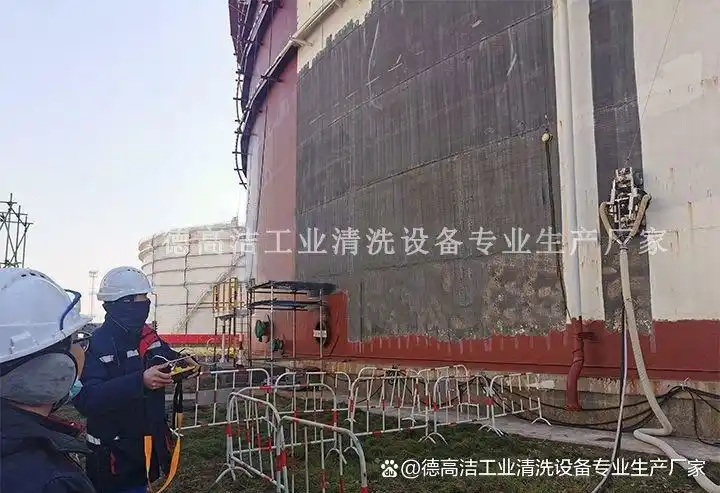
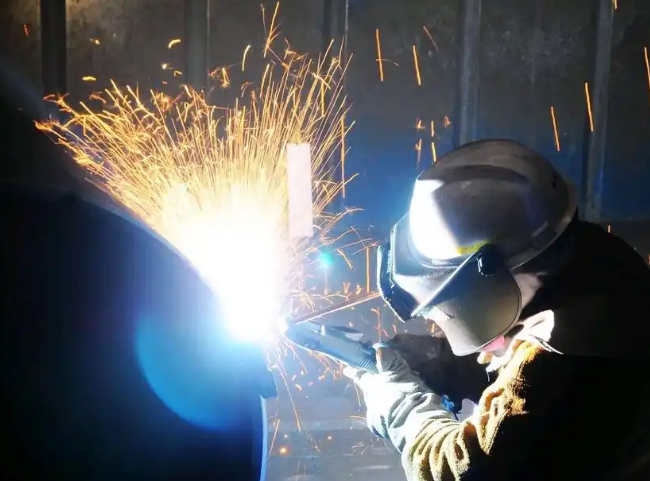
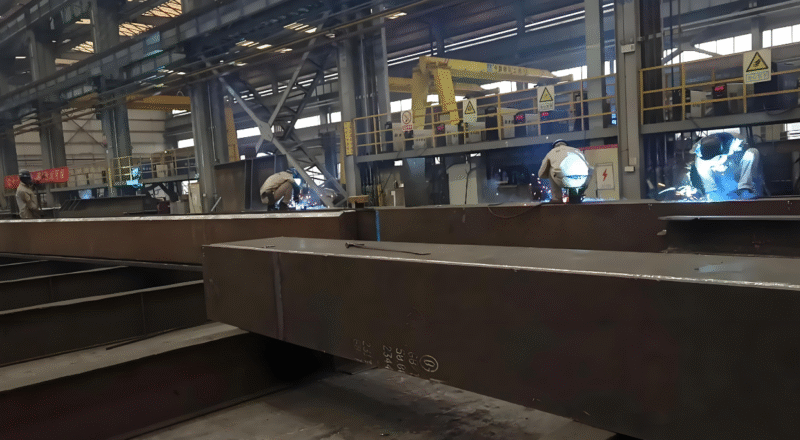
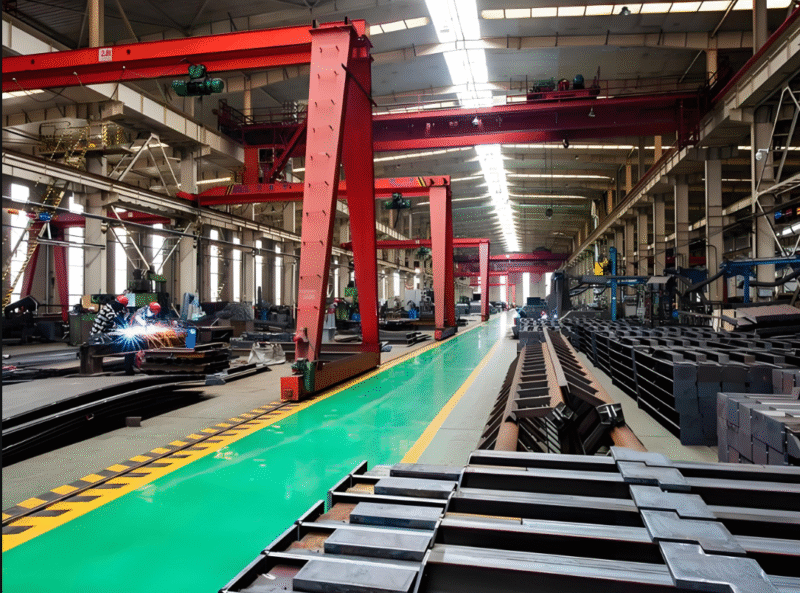
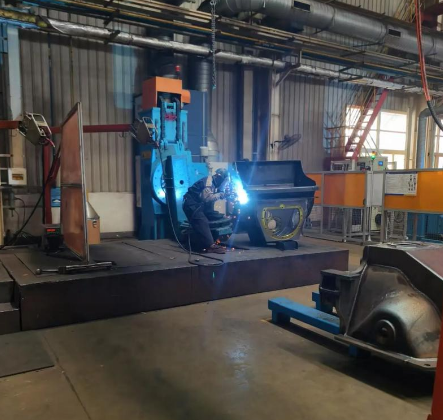
Before coating construction, of course, the rust layer must be completely removed from the tank wall, the old paint must also be completely removed, and the oil stain must be completely removed. For large storage tanks, traditional manual high-altitude operations are inefficient and pose safety risks. This project adopts a method, which method is a wall-climbing robot equipped with high-pressure water jet technology to remove rust. There is a set of equipment that integrates three major functions: rust removal function, recycling function and separation function . After the large tank is riveted and welded, the inner and outer walls are spray-painted for anti-corrosion , achieving a mechanized operation.
On the wall of the tank, a robot with magnetic force adheres to it tightly through magnetic force, and uses high-pressure water flow to remove the rust layer and old paint film. At the same time, it is equipped with a vacuum recovery system that will quickly discharge the wastewater and waste residue to the ground for treatment by direct extraction. Equipment, this process, the rust removal efficiency can reach 50 square meters to 70 square meters per hour, the rust removal level can reach the Sa2.5 level standard, and no dust pollution is generated during the operation. After treatment, the tank wall will be in a dry state and will not rust again.
How to ensure uniform quality in spraying construction
The wall-climbing robot is responsible for spraying paint and anti-corrosion on the inner and outer walls of large tanks after riveting and welding during the coating construction process. A brief description of the tank rust removal spray construction process when the robot is traveling on the tank wall. The spray gun it carries can automatically adjust the forward tilt angle according to the curved surface of the tank to ensure uniform spray coverage. Compared with traditional manual spraying, robot operations are not restricted by height and position, and can perform continuous and stable construction, avoiding spray leakage and uneven thickness caused by human factors.
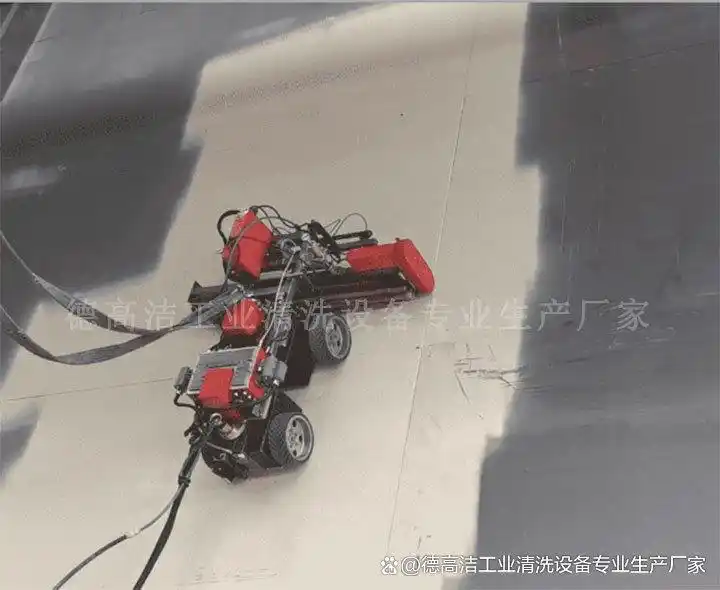
To ensure that the coating thickness meets the requirements, the robot integrates a paint film thickness gauge and a real-time monitoring system. During the construction process, the thickness gauge will provide real-time feedback on paint film-related data, allowing operators to control the spraying situation at every location while on the ground. Surveillance cameras will record the entire spraying process, allowing managers to randomly check the construction quality at any time to ensure that every inch of the tank wall is effectively protected.
Post-construction maintenance and acceptance cannot be careless
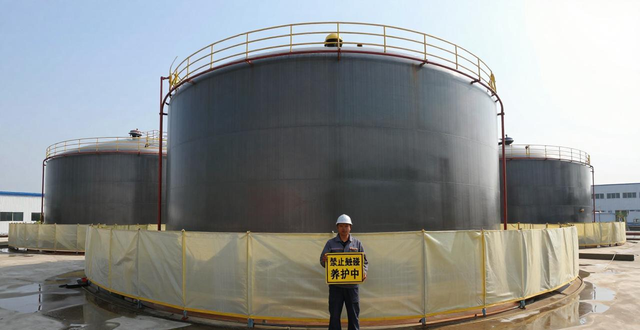
After the coating is applied, sufficient curing time must be given to allow the coating to fully cure. Various types of coatings have different curing conditions. Some need to be dried at room temperature, while others need to be heated and baked. Avoid touching the coating during this period to avoid rain or sand and dust contamination. At the end of the general curing period, the coating can achieve optimal physical and chemical properties.
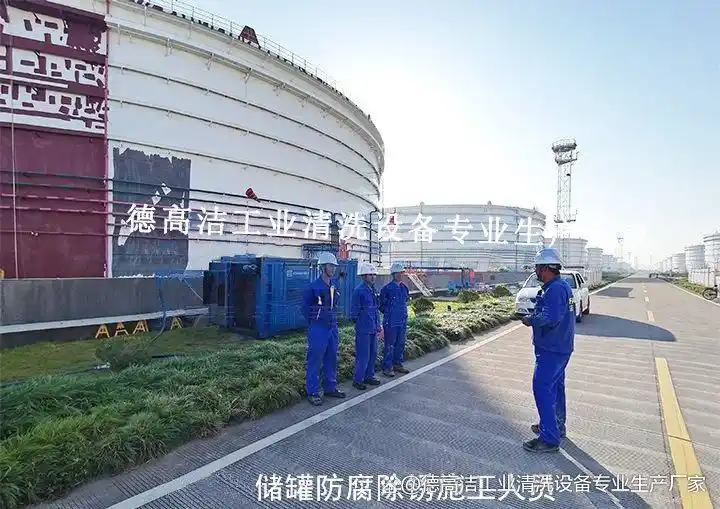
In the acceptance process, three indicators are mainly inspected: the thickness of the coating to see if it is uniform and meets the standards required by the design, the adhesion to see if it is firm, and the appearance to see if there are any defects such as sagging or orange peel. Professional acceptance personnel will use electronic thickness gauges, cross-hatch gauges and other related tools to carry out sampling inspections. At the same time, it is also necessary to establish complete construction files and record the construction time and inspection data of each process to provide corresponding basis for future maintenance and repairs.
On-site cleaning and finishing touches reflect professional details
After the construction is completed, it is also very important to clean up the site. All the equipment used during construction, as well as scaffolding, safety ropes and a series of other items, need to be evacuated in time to restore and ensure the normal traffic conditions around the tank area. Abandoned and used paint buckets generated during work, as well as waste water after cleaning, old paint residues that have been stripped off, and other items must be sorted, collected, and organized in accordance with the actual requirements of environmental protection, and then delivered to a unit with corresponding qualifications for proper and compliant disposal.
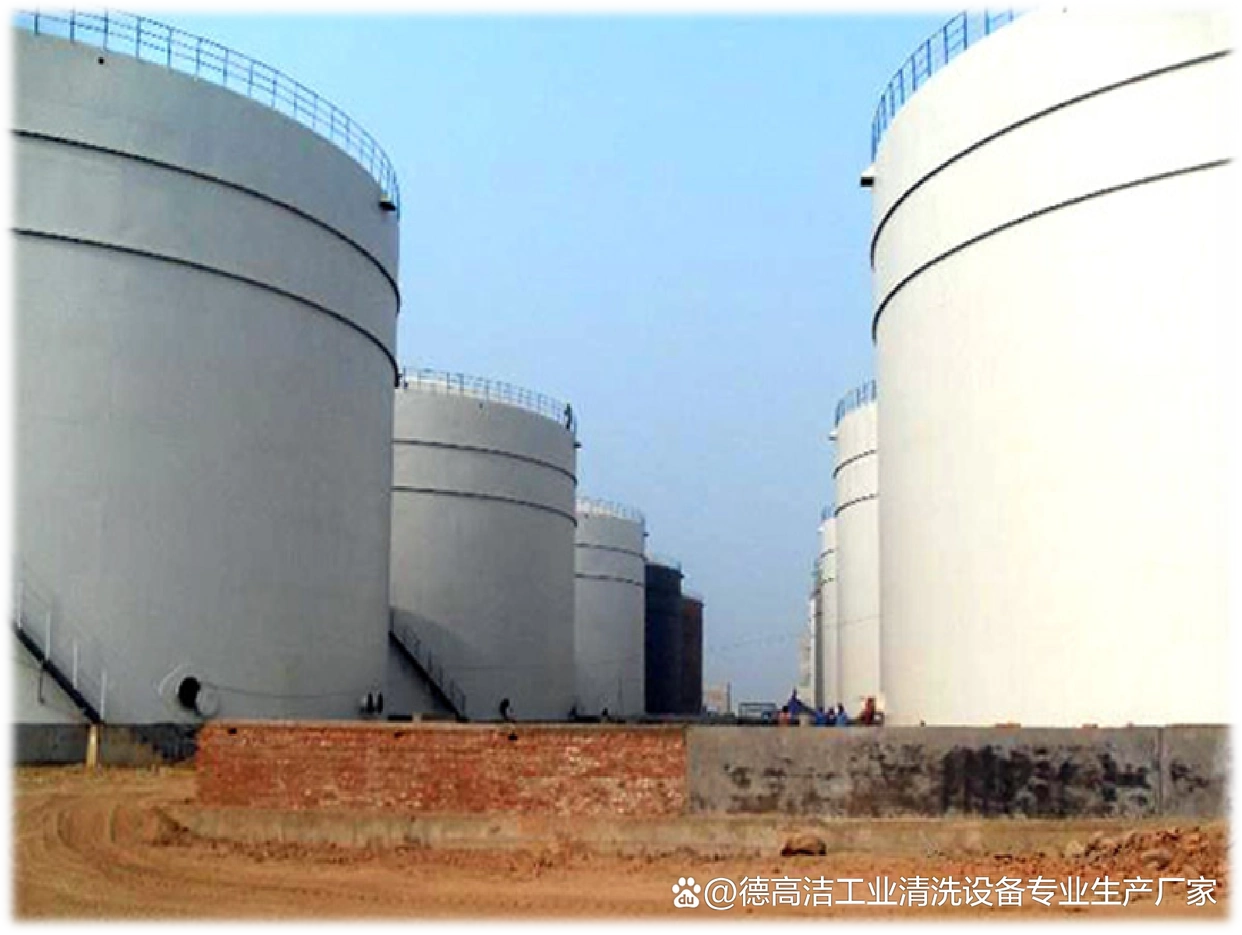
The cleanliness of the construction site is not simply related to the corporate image, it is also the last but extremely critical link in safety management. Whether it is any leftover oil stains or the inner and outer walls of large waste tanks that have been riveted and welded and sprayed with paint to prevent corrosion , they are very likely to turn into safety hazards or become the source of environmental pollution. Therefore, when the project progresses to the final stage, special personnel must be assigned to be responsible for the two tasks of cleaning and acceptance. It is necessary to achieve the goal of completing the project, cleaning up the materials, and keeping the site tidy, and absolutely not leave even a little trouble for the subsequent operation and maintenance work.
The anti-corrosion project for storage tanks seems to be just an operation of "clothing" the equipment. However, in fact, it is a comprehensive project involving materials science, mechanical automation and safety management. After seeing the situation here, what safety issues has your company or project encountered due to corrosion when maintaining storage tanks? Welcome to share your own experiences in the comment area.






暂无评论内容