


What is the difference between P355GH and Q345R pressure vessel steel plates?
When selecting materials for pressure vessels, this is directly related to equipment safety and service life. European standard container plates and national standard Q345R steel plates have significant differences in chemical composition and mechanical properties. Once the wrong material is selected, the equipment will be scrapped early and cause safety accidents.
Chemical composition of European standard container plates

The chemical composition design of European standard container plates focuses on high temperature resistance and corrosion resistance. According to PED The 2014/68/EU directive also has relevant product standards. In this type of steel plate, the chromium content is generally between 0.80% and 1.20%, while the molybdenum content is between 0.45% and 0.65%. Chromium can form a dense oxide film on the surface of the steel plate to prevent further oxidation at high temperatures. Molybdenum can improve the high-temperature strength and hydrogen corrosion resistance of the steel.
European standard container plates, in addition to chromium and molybdenum, have stricter controls on harmful impurities such as sulfur and phosphorus. The standard stipulates that the sulfur content must not exceed 0.010% and the phosphorus content must not exceed 0.020%, which is far lower than the allowable values of ordinary steel plates. Such low impurity content ensures the long-term stability of the steel plate in high temperature and high pressure environments and reduces the risk of intergranular corrosion and stress corrosion cracking.
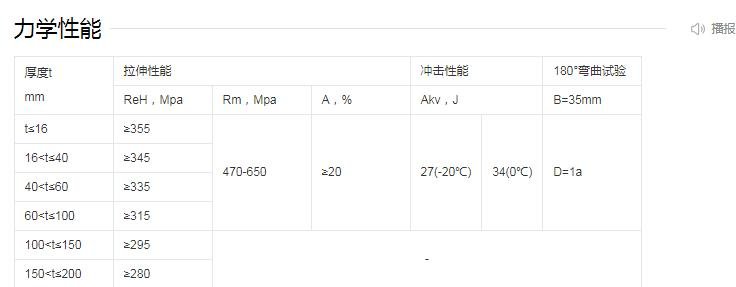
Mechanical properties of European standard container plates
European standard container plates have clear grades in terms of mechanical properties. How to detect the quality of riveting welding of Q345 steel plates with the common grade P355GH. Its yield strength is above 355 MPa, and its tensile strength range is between 510 and 650 MPa. This strength level enables it to withstand high working pressures and is suitable for use in pressure vessels with design pressures exceeding 10 MPa.
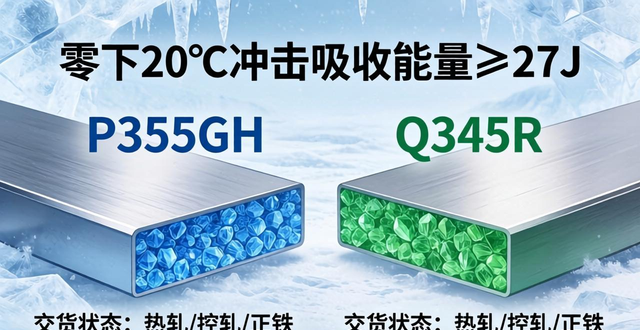
This type of steel plate has very strict requirements for impact toughness. Under the condition of minus 20 degrees Celsius, its impact absorption energy is generally required to be above 27 joules. Some grades even have requirements for low-temperature impact properties of minus 40 degrees Celsius. This ensures that the equipment will not experience brittle fracture in cold areas or low-temperature conditions. The delivery state can be hot rolling, controlled rolling or normalizing. Different states correspond to different grain structures and comprehensive properties.

Chemical composition of Q345R steel plate
The national standard boiler vessel plate Q345R implements the GB/T 713 standard. Its chemical composition is based on carbon, silicon, and manganese. The carbon content is controlled below 0.20%, the silicon content is between 0.15% and 0.55%, and the manganese content is between 1.20% and 1.60%. The manganese element can improve the strength and toughness of the steel plate, and at the same time plays a deoxidizing role.
Compared with European standard container plates, the contents of chromium and molybdenum in Q345R are relatively low, with chromium generally below 0.30% and molybdenum below 0.10%. The allowable contents of sulfur and phosphorus are relatively loose, not exceeding 0.015% and 0.025% respectively. This composition design reduces production costs and meets the basic needs of most domestic pressure vessels for corrosion resistance and processing performance. However, its performance under extreme working conditions is not as good as that of European standard materials.
Mechanical properties of Q345R steel plate
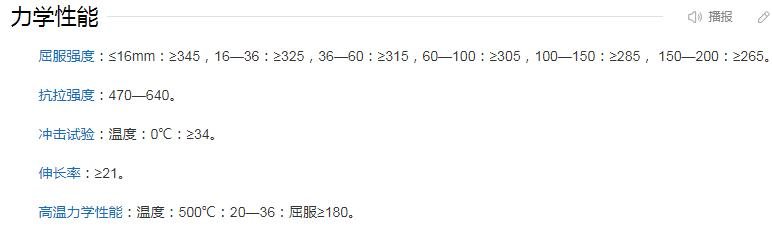
345 MPa is the yield strength of Q345R, and its tensile strength is in the range of 510 to 640 MPa, which is at the same level as the European standard P355GH. However, there are differences in the safety factors between the two, and the calculation methods of the allowable stress are also different. When designing, they must be implemented in accordance with their respective standards. Under normal circumstances, the elongation after break of Q345R is more than 21%, and its plasticity is good, making it convenient for cold working and molding.
The impact toughness index of this steel plate will be determined according to the thickness and use temperature. The normal temperature impact energy absorption is required to be no less than 31 Joules. The temperature of the low-temperature impact test is generally minus 20 degrees Celsius. The delivery state can be normalized, normalized plus tempering or controlled rolling. The normalizing plus tempering state can obtain a more uniform structure and better overall performance, and is often used for steel plates with a thickness of more than 50 mm.
Differences in uses of the two steel plates
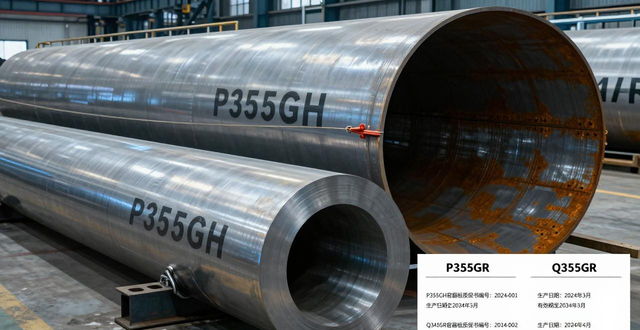
European standard container plates are mainly used in pressure vessel equipment exported to the European market. These equipment include power station boilers, heat exchangers, reactors and LNG storage tanks. Their operating temperature range is from minus 40 degrees Celsius to over 400 degrees Celsius. Because European standards have strict requirements for material traceability, each steel plate needs to have a complete warranty and heat number identification.
Q345R steel plates are widely used in China, from storage tanks and reactors in chemical plants, to pressure regulating station-related equipment in urban gas transmission pipe networks, to fermentation tanks in the pharmaceutical industry . How to detect the quality of Q345 steel plate riveting and welding , you can see signs of its existence. Domestic engineering companies will give priority to Q345R when designing pressure vessels. This is because it has mature design data and rich engineering application experience, its material procurement cycle is relatively short, and the welding process assessment has also been standardized.
How to correctly choose these two steel plates
When selecting the type of steel plate, the primary basis is the design standard. If the pressure vessel is designed for export in accordance with ASME or PED standards, it must use European standard materials and pass the corresponding certification. If the equipment is used domestically and the design pressure and temperature are within the normal range, Q345R can fully meet the requirements and the overall cost is lower.
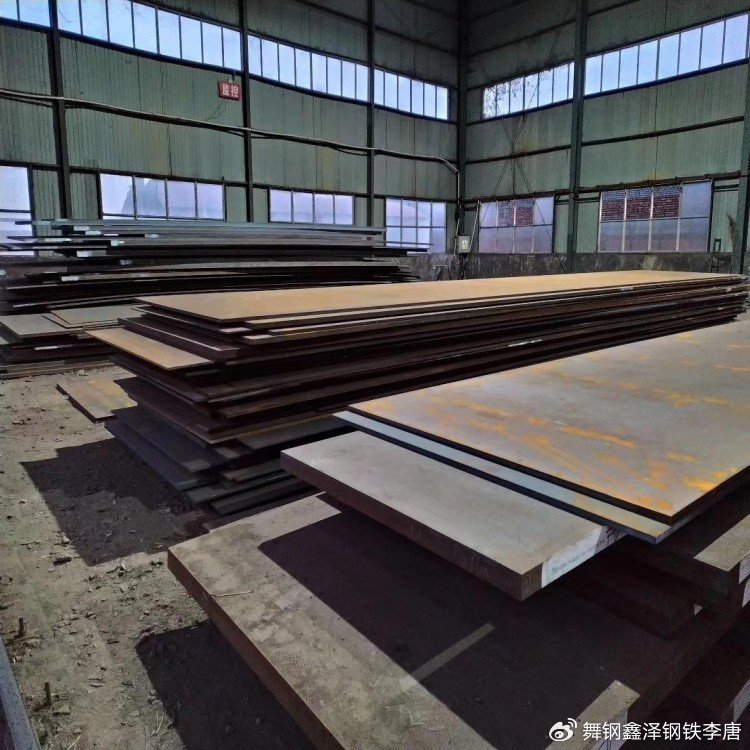
The specific details depend on the conditions of use and how to detect the quality of Q345 steel plate riveting welding . For example, when the operating temperature exceeds 350 degrees Celsius for boiler components, or when the medium contains corrosive components such as hydrogen sulfide and chloride ions, the higher chromium and molybdenum content in European standard container plates can provide better protection. However, when it comes to Q345R, it will show better and better toughness under low temperature conditions, and its welding performance is stable, so it is suitable for use in medium and low temperature pressure vessels and storage and transportation equipment.
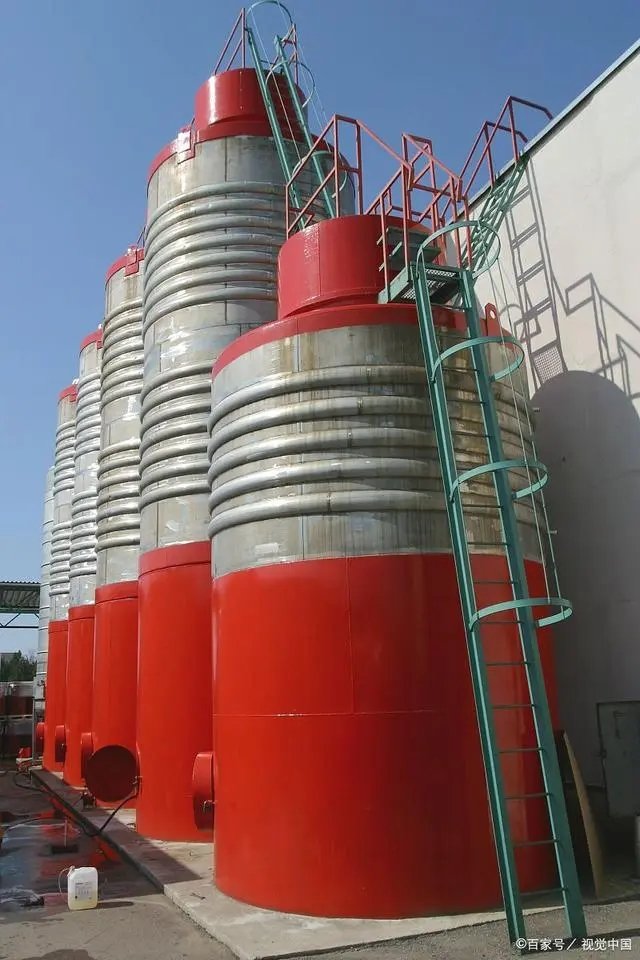
Have you ever encountered cracks or leaks in equipment due to improper material selection in actual projects? What are the differences between P355GH and Q345R pressure vessel steel plates? You are welcome to share your experiences and lessons learned in the comment area.



暂无评论内容