

The importance of titanium alloy rods in the aerospace field
The rules of the aerospace industry are being rewritten by titanium alloy bars. The titanium content of the Boeing 787 fuselage accounts for 15%, and the Airbus A350 accounts for more than 14%. For passenger aircraft in this range, this figure was less than 5% ten years ago. Behind the material changes is the pursuit of fuel efficiency, maintenance costs and flight safety by airlines. Titanium alloy bars have therefore become a key piece in this game.
The path of transformation from ore to bar
Titanium is not scarce in the earth's crust, but its extraction process is extremely complicated. The Claure process converts titanium ore into titanium tetrachloride and then uses magnesium to reduce it. The energy consumption of the entire process is quite high. The titanium resource reserves in Panzhihua, Sichuan account for more than 90% of the country's titanium alloy rods. Titanium alloy rods are important in the aerospace field, but there are very few companies that can actually produce aerospace grade titanium alloy rods. From titanium sponge to ingot casting, to forging and processing into bars, each step requires precise control of ingredients and process parameters.
China's domestic enterprises mainly engaged in titanium alloy production are concentrated in Baoji, Shaanxi and Shenyang, Liaoning. Baoji is known as China's Titanium Valley. In 2023, its titanium material output will exceed 70,000 tons, and the proportion of titanium alloys used in the aerospace field has increased year by year. The titanium alloy rods produced by those factories must undergo multiple passes of forging and heat treatment before they can finally reach aviation-grade standards. Each batch of materials must undergo chemical composition analysis, mechanical property testing and non-destructive testing before they can be shipped out of the factory.
Core material selection for aero engines
In the field of aerospace engines, fan blades and compressor discs are the main applications of titanium alloy rods. Take a turbofan engine as an example. The operating temperature of the first few stages of compressor blades is in the range of 400 to 500 degrees Celsius. Titanium alloys can maintain strength in this temperature range, but their density is only half that of nickel-based high-temperature alloys. CFM International's LEAP engine uses titanium alloys for more than one-third of the engine. This engine is installed on the C919 and Boeing 737MAX.
The final blades of the high-pressure compressor encounter higher temperatures, which makes the titanium alloy unbearable, so it is necessary to switch to nickel-based alloys. However, the status of titanium alloy rods in engine cold-end components is irreplaceable. During the development process of the domestic CJ1000A engine, titanium alloy material suppliers have passed extremely stringent process certifications. From the beginning of material smelting until the final product is delivered for titanium alloy processing and aerospace applications , each batch must be accompanied by complete quality traceability documents. As long as there is a problem in any link, the entire batch will be scrapped.
The key to reducing the weight of the fuselage structure
Aircraft structural designers have encountered the eternal contradiction, that is, to be strong, they cannot be too heavy. This contradictory situation has always existed. The specific strength of titanium alloy rods is more advantageous than steel and aluminum alloys, so it can play a role in key load-bearing parts. The fuselage connectors of the Boeing 787 use a large number of related components, and the landing gear support beams are also used extensively. A large number of titanium alloy forgings and bar processing parts are also used in the joint between the wing and the fuselage. The amount of titanium used in each Boeing 787 is about 14 tons. Calculated based on the current price of titanium alloy rods of 300,000 to 500,000 yuan per ton, the material cost alone is worthy of attention and is quite considerable.
The titanium alloy usage of COMAC C919 accounts for 9.3%, which is two to three percentage points higher than that of Boeing 737 and Airbus A320 of the same level. The COMAC design team has explained this choice: the composite fuselage needs to be connected to the metal structure, because the linear expansion coefficient of titanium alloy can match that of carbon fiber composite materials, and it can also avoid galvanic corrosion with composite materials. A large number of special fasteners and joints processed from titanium alloy rods are used in these connection parts, and a single aircraft requires tens of thousands of such parts.
Spacecraft protection in the face of extreme environments
Certain Long March series rocket models have more stringent material requirements for the engine turbine pump housing and tank structure. The engine turbine pump housing is forged from titanium alloy bars and then machined. These components need to withstand the alternating hot and cold impacts of ultra-low-temperature liquid oxygen and liquid hydrogen. They also have to deal with the huge centrifugal force generated by high-speed rotation. Titanium alloys not only do not become brittle at low temperatures, but also have increased strength. This feature makes them popular in the aerospace field.
The manned aerospace engineering has extremely high requirements for material reliability. The key load-bearing parts in the docking mechanism of the space station are made of high-strength titanium alloy rods through precision processing. These parts cannot be repaired or replaced while they are working in orbit. The materials must be guaranteed to last There will be no problems during the fifteen-year life span. Aerospace materials need to go through a more stringent inspection process than aviation grade from bar to finished product. Titanium alloy processing for aerospace applications . Each process is signed by a dedicated person for confirmation, and all data must be archived and saved for at least thirty years.
Processing problems and cost dilemmas

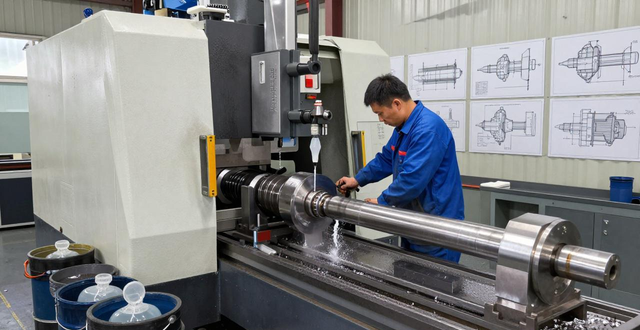
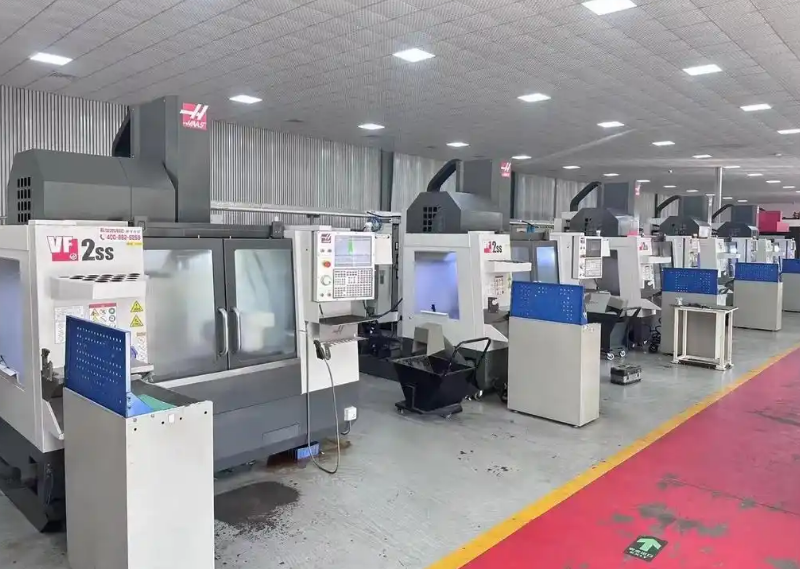
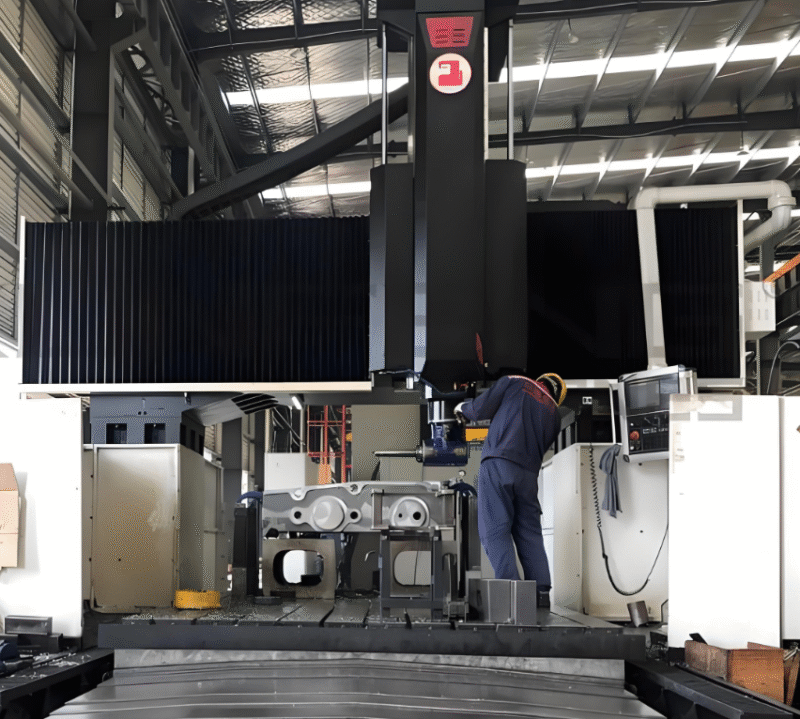
Titanium alloys are known as difficult-to-machine materials because of their poor thermal conductivity, low elastic modulus, and high chemical reactivity. When processing titanium alloy bars in a machine shop, the tool wear rate is more than ten times that of processing aluminum alloys. Workers need to control the cutting speed and pour a large amount of cutting fluid to cool down. If they are not careful, work hardening will occur and the parts will be scrapped. According to statistics from an aviation manufacturing company, when a titanium alloy joint part is transformed from a bar into a finished product, the material utilization rate is less than 20%, and most of the material becomes chips during the processing.
The main obstacle that limits the wider application of titanium alloys is cost. The price of aerospace-grade titanium alloy rods per kilogram is between 300 and 500 yuan, but structural steel of the same strength only costs more than ten yuan. When the American GE Company is developing a new generation of engines, it is trying to use ceramic matrix composite materials to replace some titanium alloy parts. Although the temperature resistance is better, the cost and processing difficulty are higher. Titanium alloy manufacturers are conducting research on short-process processes, trying to go straight from titanium sponge to finished products and reduce energy consumption and losses in intermediate links.
New paths opened up by additive manufacturing
3D printing technology has opened up new ideas in the application of titanium alloy rods. Traditional manufacturing methods require parts to be cut from large-diameter rods, resulting in significant material waste. Additive manufacturing is directly formed by titanium alloy powder, and its material utilization rate can reach more than 90%. An institute within the Aerospace Science and Technology Group uses laser selective melting technology to print complex flow channel structural parts of rocket engines using titanium alloy powder. The weight of this part is reduced by 40% compared with traditional designs.
However, for aerospace applications in titanium alloy processing , additive manufacturing cannot completely replace rods. Large-size structural parts are limited by the processing range of the equipment, and they still have to use forged bars for machining. Moreover, the structural uniformity and batch stability of 3D printed titanium alloys are still being improved, and the aerospace field’s acceptance of this new process requires a long-term verification phase. The annual output of domestic additive manufacturing titanium alloy powder has exceeded 1,000 tons, but the proportion that can actually be used in key aerospace parts is still not high.
Titanium alloy rods have been firmly established in the aerospace field for more than half a century. In the future, with the development of new titanium alloy materials and the reduction of manufacturing costs, its application scope will continue to expand. Which new fields do you think are likely to use titanium alloy materials in large quantities in the next twenty years? Welcome to share your opinions in the comment area.





暂无评论内容