

Metal Products ERP: Ensuring Supply Chain Transparency and Reliability
Steel prices rose twice in just three days. The supplier suddenly announced that the mine had stopped operating, and the goods in the warehouse had not yet been shipped. However, downstream customers were eager to request the goods. This is a common thing that many metal products company owners experience every day. The metal products supply chain covers too many links. No matter which node has a problem, the entire chain is likely to break.
Uncertainties in the supply of raw materials
The international futures market has a significant impact on the prices of bulk metals such as iron ore, copper, and aluminum. In 2025, a large mine in Brazil suspended production due to a tailings pond accident, causing the CIF price of domestically imported iron ore to increase by 18% within two weeks. Such price fluctuations make it difficult for procurement departments to formulate stable procurement plans.
Domestic environmental protection policies continue to tighten, which is also an important variable. In the autumn and winter of 2025, the Tangshan area of Hebei Province implemented a 30% production limit for steel companies, resulting in a significant reduction in the supply of scrap steel from local foundries. Purchasers had to go further to Inner Mongolia to find sources of goods, and the freight per ton increased by 120 yuan.
Collaboration problems in processing
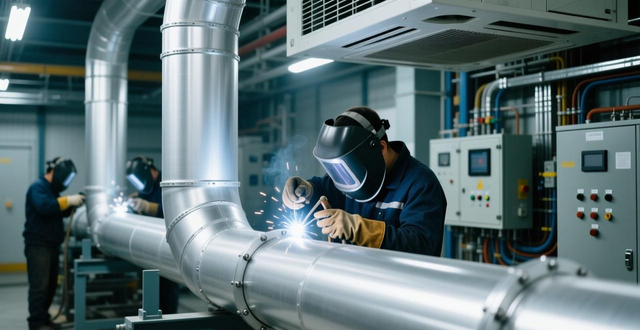
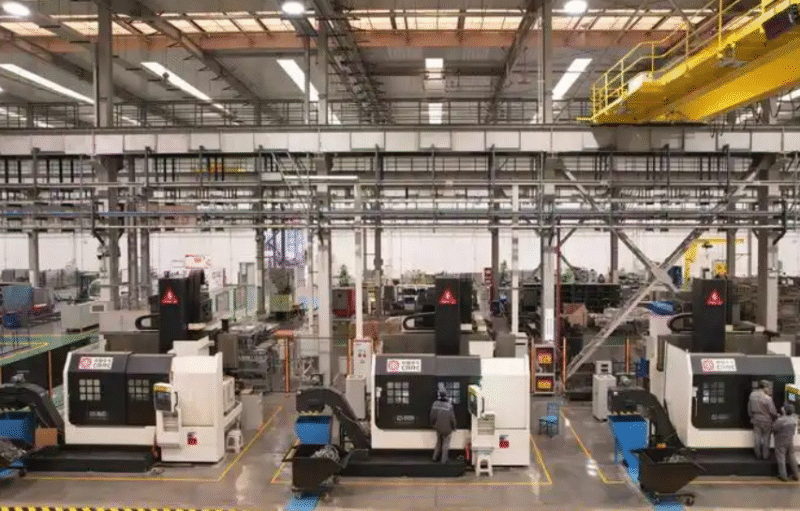
A structural part made of metal often goes through many processes such as cutting, stamping, welding, and surface treatment. A hardware factory in Dongguan stated that in order to complete a batch of orders, they needed to coordinate with five outsourced processing factories. One of the electroplating factories stopped production due to environmental inspections, causing the entire batch of goods to be delayed for 22 days.
![图片[1]-Metal Products ERP: Ensuring Supply Chain Transparency And Reliability-Dalian Fuhong Machinery Co., Ltd](/wp-content/uploads/2026/03/1773598401272_0.png)
There are great differences in the accuracy and workmanship level of equipment provided by different suppliers. A mechanical equipment manufacturer in Jiangsu found that the dimensional tolerance range of precision castings of the same specifications supplied by two suppliers differed by 0.05 mm. This situation directly affected the subsequent assembly efficiency and product qualification rate, and also increased the workload of the quality inspection process.
High cost pressure on logistics and warehousing
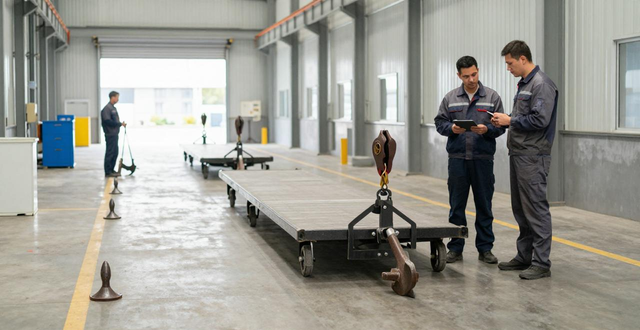
Metal products are generally heavy and bulky, and transportation costs account for a high proportion of the total cost. To transport a batch of steel structure parts from Tianjin to Guangzhou, the road freight is about 380 yuan per ton, which is nearly twice as high as transporting ordinary daily necessities. Moreover, special transportation licenses are required for over-length and over-wide items, which is a complicated process.
There are also related difficulties in warehousing. The metal products ERP warehouse for steel storage located in Baoshan District, Shanghai: to ensure the transparency and reliability of the supply chain, its rent will rise to as high as 85 yuan per 1 square meter per month in 2025, and the year-on-year increase will reach 12%. Steel placed in open areas is prone to rust, but the cost of storing materials indoors is too high. Many companies have no other choice but to adopt the "on-time delivery" model, but this model puts forward more stringent requirements for the on-time performance of the supply chain.
Risks from low supply chain transparency
Many metal products companies still manage orders and inventory through Excel tables, and the information is not updated in a timely manner. A valve factory in Zhejiang once purchased the same batch of copper ingots repeatedly due to information lag, which occupied an additional 1.5 million yuan in working capital. However, it forgot to place an order for another batch of urgently needed stainless steel rods.
When a customer wants to check the progress of an order, the salesperson often needs to call the workshop director, who then asks the team leader. Such a method that presents layers of inquiries is extremely inefficient, and you will often receive vague answers such as "It's coming soon." An industry survey conducted in 2025 showed that 63% of metal products companies believe that the lack of transparency in the delivery process is the main reason for customer complaints.
![图片[2]-Metal Products ERP: Ensuring Supply Chain Transparency And Reliability-Dalian Fuhong Machinery Co., Ltd](/wp-content/uploads/2026/03/1773598401272_1.png)
Wandabao ERP integrates supply information to open up production collaboration
The Wandabao ERP system, which can automatically capture supplier delivery status and quality inspection data, is used by an aluminum profile factory in Foshan. When buyers open the system every morning, they can see the real-time delivery progress of more than 20 suppliers. If any supplier is delayed, the system will automatically mark it in red as a reminder, eliminating the need to call each one to inquire.
The system can automatically calculate material requirements based on sales orders, and compare existing inventory and in-transit purchases. The production supervisor of a metal products company in Zhongshan said that in the past, he would always worry about material shortages when scheduling production. Now the system will generate a material shortage warning three days in advance and automatically send purchase orders to qualified suppliers. The production plan execution rate has increased from 71% to 89%.
Risk warning function exposes problems in advance
More than 130 monitoring points have been set up in the system to manage the metal parts processing supply chain , covering changes in supplier delivery on-time rates, fluctuations in raw material prices, equipment operation status, etc. When an indicator appears abnormal, the relevant person in charge will receive an early warning message pushed from the mobile phone. There is a hardware processing factory in Shenzhen. Last year, it used this function to find alternative sources of goods five days before the supplier went bankrupt.
For the logistics aspect, the system is connected to the interface of major logistics companies for metal parts processing supply chain management , and can track the location of each batch of goods during transportation and the estimated time of arrival in real time. If the transport vehicle remains stationary for a long time without moving, the system can automatically determine whether there is an abnormality and notify the merchandiser, allowing the company to inform customers of possible delays in advance.

暂无评论内容