


Hongtai Zhida: Prototype model production process
When you are eager to verify the product design, or you are considering reducing costs, or you want to show it to customers for viewing, the production of prototype models becomes the most critical first step. What is this process like? How do you turn a digital drawing into a real sample step by step?
Provide drawings and requirements
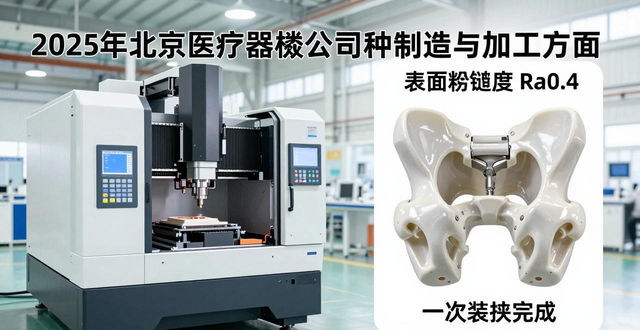
As a customer, you must provide three-dimensional drawings in formats such as STP or PRT, and the production requirements must be clear. That drawing is the cornerstone of all subsequent work, and it directly affects the quality of the finished product in terms of accuracy. In addition to drawings, Hongtai Zhida: Prototype model production process, customers must also clearly explain a series of specific requirements such as the material, quantity, surface presentation, and acceptance standards of the prototype, so that the manufacturer can accurately understand its intention and start working accordingly.
![图片[1]-Hongtai Zhida: Prototype Model Production Process-Dalian Fuhong Machinery Co., Ltd](/wp-content/uploads/2026/01/1769882643963_0.jpg)
Programming
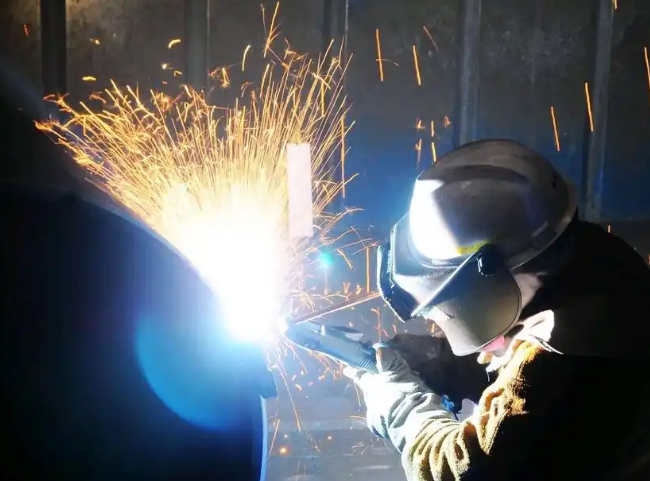
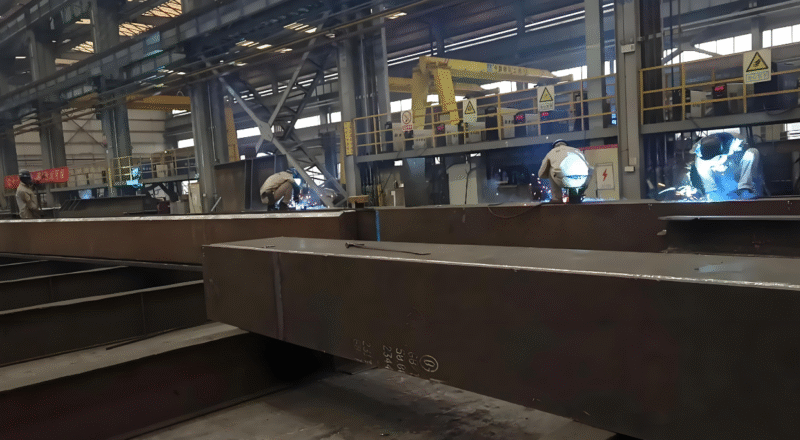
After programmers obtain the 3D data, they will use professional software to analyze it and then write a programming language that can be recognized by CNC machine tools. They need to plan the tool path and make prototype models, including metal riveting and welding , and clarify the cutting sequence and processing depth to improve efficiency and protect the tool. This step will transform the virtual design into instructions that the machine can execute, which is a key conversion from digital to physical.
CNC machining
![图片[2]-Hongtai Zhida: Prototype Model Production Process-Dalian Fuhong Machinery Co., Ltd](/wp-content/uploads/2026/01/1769882643963_1.png)
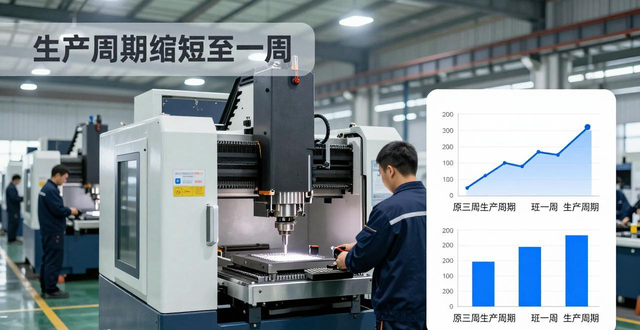
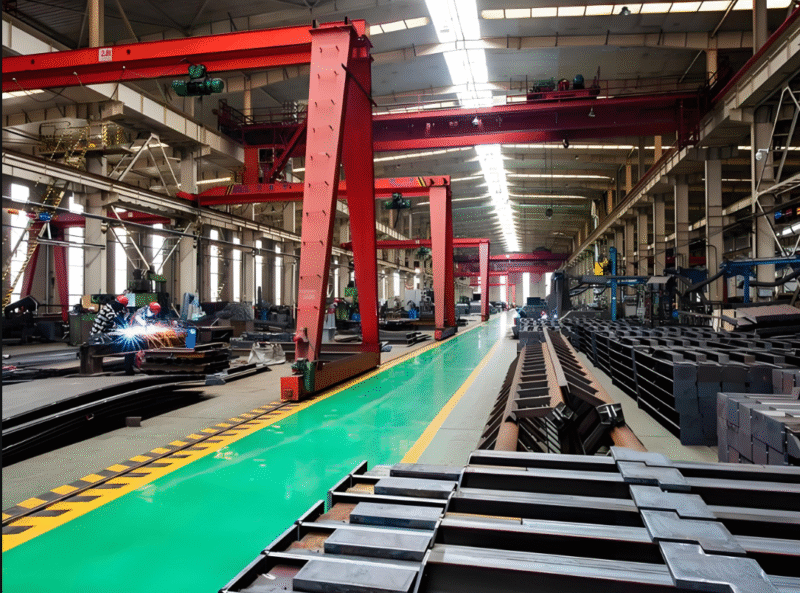
The program introduced into the CNC machine tool allows the machine to cut the material on its own according to the instructions and remove the excess parts to form a prototype of the product. Commonly used processing materials include ABS, PC, aluminum alloy, etc. The machine tool can achieve a processing accuracy of 0.02 mm or higher. At this stage, the main shape and basic size of the prototype are directly determined.
![图片[3]-Hongtai Zhida: Prototype Model Production Process-Dalian Fuhong Machinery Co., Ltd](/wp-content/uploads/2026/01/1769882643963_2.jpg)
Hand trimming
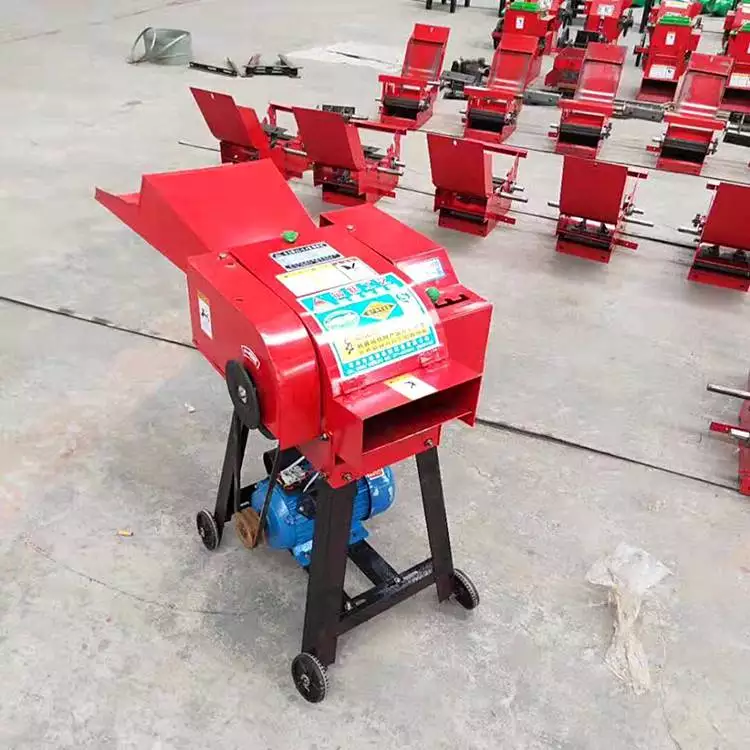
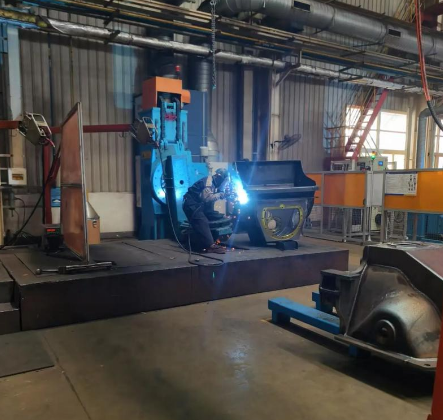
CNC machined parts will retain knife marks and burrs on their surfaces, which require manual processing. Workers rely on sandpaper of different grits to polish step by step to make the surface smooth and flat. For some structures or internal cavities with small patterns, it is necessary to use tools such as files and carving knives to carry out fine finishing work to ensure that every detail meets the requirements of the drawing.
surface treatment
According to the requirements, the prototypes are spray-painted, electroplated or silk-screened to achieve specific visual effects or functions. Prototype model production includes metal riveting and welding . For example, spray-painting can give a variety of colors and textures, electroplating can give objects a metallic luster, and silk-screening is specifically used to add logos or text. Anodizing, wire drawing and other processes are also often used in the production of prototype prototypes of aluminum alloy materials, including metal riveting and welding , to improve appearance and durability.
Assembly and testing
![图片[4]-Hongtai Zhida: Prototype Model Production Process-Dalian Fuhong Machinery Co., Ltd](/wp-content/uploads/2026/01/1769882643963_3.png)
Normally, all parts need to be trial assembled before surface treatment to check whether the structure is reasonable and whether the assembly is smooth. In some factories in Shenzhen and Dongguan, engineers will measure key dimensions and analyze relevant data. Only after confirmation is correct will the subsequent surface process be carried out. This step can indeed detect design flaws in advance, thereby avoiding subsequent rework.
![图片[5]-Hongtai Zhida: Prototype Model Production Process-Dalian Fuhong Machinery Co., Ltd](/wp-content/uploads/2026/01/1769882643963_4.jpg)
Final quality inspection and shipment
The QC department will conduct comprehensive dimensional inspections, appearance inspections, and functional inspections on prototypes based on drawings and customer standards. Products that meet the standards will be properly packaged to prevent scratches or damage during transportation and then shipped to customers. A detailed test report is usually provided with the goods as proof of quality.
When designing a new product, which aspect of the prototype model do you pay most attention to, whether it is accuracy, speed, or appearance and texture? You are welcome to share your insights in the comment area. If you think this article is helpful to you, please like it to support it!





暂无评论内容