


Introduction to single-sided surface grinding machine technology
Within the scope of precision manufacturing, the processing of many parts only requires the processing of one plane, which has led to the widespread use of single-sided surface grinding machines.
Brief description of working principle
![图片[1]-Introduction To Single-sided Surface Grinding Machine Technology-Dalian Fuhong Machinery Co., Ltd](/wp-content/uploads/2026/01/1768853471390_0.webp)
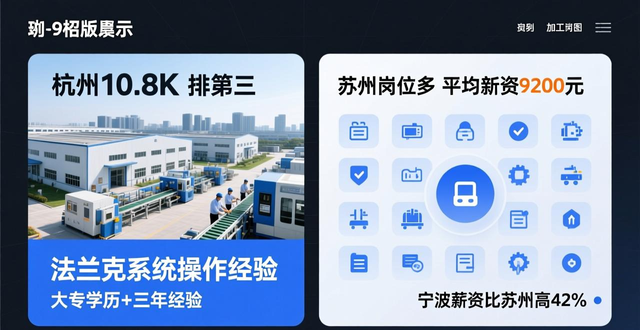
The core is a single-sided surface grinder that uses a rotating grinding wheel to grind a single surface of a workpiece. When the equipment is started, the grinding wheel will rotate at high speed and apply a preset pressure to the workpiece in the vertical direction. This process uses mechanical friction to remove the microscopic material layer on the surface of the workpiece.
The ability to accurately control the rotational speed of the grinding wheel, as well as the feed amount and pressure, is key to this technology. Modern equipment achieves digital calibration of these parameters through servo systems. The grinding process generates heat, so the equipment is generally equipped with a coolant circulation system to ensure that the workpiece maintains stable physical properties during processing and avoids deformation due to overheating.
Characteristics of single-sided grinding
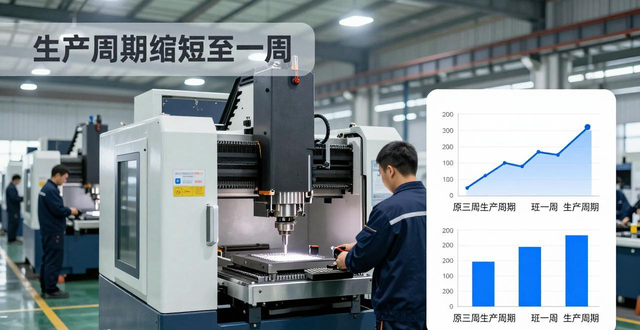
Processing in one direction means that only one surface of the workpiece is processed each time an operation is performed. This method is particularly suitable for parts that are not symmetrical, or components that only require one side to meet high-precision requirements, such as the part of the mold that serves as the template, and the part of the sealing ring that serves as the end face. It avoids complicated clamping and stress balance problems that may arise when two surfaces are processed at the same time.
![图片[2]-Introduction To Single-sided Surface Grinding Machine Technology-Dalian Fuhong Machinery Co., Ltd](/wp-content/uploads/2026/01/1768853471390_1.webp)
![图片[3]-Introduction To Single-sided Surface Grinding Machine Technology-Dalian Fuhong Machinery Co., Ltd](/wp-content/uploads/2026/01/1768853471390_2.png)
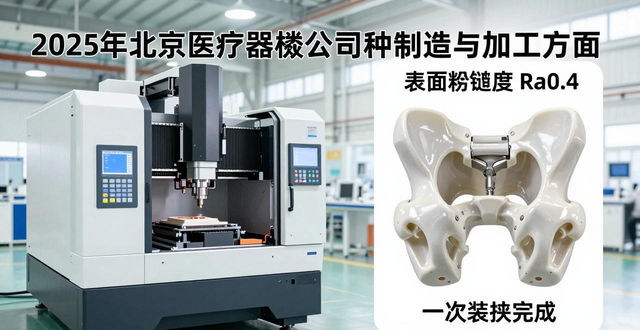
For some long or thin plate-shaped workpieces, single-sided grinding can effectively reduce the risk of bending deformation caused by processing both sides at the same time. When processing materials such as optical lens blanks, processing only one side allows the operator to centrally control the flatness and roughness of that side without having to consider the corresponding effects on the other side.
Guarantee of accuracy and stability
Because force is only applied in one direction, the mechanical structure of the single-sided grinder can be designed to be more stable. The radial runout and axial movement of the spindle are controlled at the micron or even sub-micron level. This is the basis for achieving high precision. Most machine tool beds are made of cast iron or polymer concrete, which can effectively absorb vibration.
In terms of machining accuracy, another layer of guarantee comes from the precision measurement feedback system. Many equipment integrates online measurement probes, which can monitor the size of the workpiece in real time during the grinding process. Once the set value is reached, the grinding wheel automatically interrupts the feed. Such closed-loop control of the grinding process and automatic loading and unloading ensures the consistency of each product during mass production.
Automation and intelligence trends
Nowadays, single-sided surface grinding machines, which occupy the mainstream position in automated loading and unloading of grinding processes , are usually equipped with automatic loading and unloading manipulators. At the Shanghai International Machine Tool Exhibition in 2025, many manufacturers demonstrated grinding units with the ability to seamlessly connect production line silos. For operators, as long as they input the program for grinding and automatic loading and unloading on the control panel, the equipment can continuously process dozens of workpieces.
The intelligent system can automatically compensate for the offset based on grinding wheel wear, or call a preset process parameter package when grinding different materials. Some high-end models also have machine learning capabilities, which can automatically optimize grinding paths and parameters by analyzing historical processing data, thereby further improving efficiency and yield.
Broad material adaptability
![图片[4]-Introduction To Single-sided Surface Grinding Machine Technology-Dalian Fuhong Machinery Co., Ltd](/wp-content/uploads/2026/01/1768853471390_3.png)
A grinding machine that can only perform surface grinding operations on a single surface can process a wide range of materials. This not only covers various common steel materials, but also aluminum alloys and copper alloys. It can also process carbide, engineering ceramics and special plastics. For different materials, you only need to replace the grinding wheel of the corresponding material and adjust the process parameters.
The flexibility of the equipment is reflected in its tolerance for the shape of the workpiece. Whether it is a round workpiece, a square workpiece, or a special-shaped workpiece, as long as there is one side that needs to be processed, it can be fixed with the help of customized magnetic methods, customized vacuum suction cups, or the path of a special fixture. This situation gives it considerable advantages in small batch and multi-variety production modes.
Diverse application scenarios
In the mold manufacturing industry, single-sided surface grinding machines are used to finish the joint surfaces of the mold core and slider to ensure that the mold can be closed tightly and tightly. In the optical industry, it provides a highly flat reference surface for lens and prism blanks. Flatness requirements for these applications are typically within one micron.
In the field of semiconductors, this equipment is used to grind the end faces of silicon wafer carrier rings and ceramic insulators. In the manufacturing process of key components of automobile engines such as cylinder heads and valve plates, single-sided precision grinding is also indispensable to ensure sealing. Its applications are widely distributed in almost all branches of industry that have strict requirements for plane quality.
In the industry you are in, have you ever been troubled by problems with the plane accuracy of a certain part? In the end, how was it solved? Please feel free to share your own experience in the comment area. If you feel that this article is helpful, please like it and share it with more peers.




暂无评论内容