


What are the processing classifications of precision mechanical parts?
When it comes to machining parts, many people may think that this is only an internal matter within the factory. However, in fact, it covers a complete system from manual polishing to precise computer control, and its technical requirements are more stringent than people imagine.
Applicable scenarios for manual processing
Relying on the experience and skills of operators for manual processing, what is the processing classification of precision mechanical parts that they use traditional equipment such as milling machines and lathes? , which performs cutting and grinding of metal materials, and has the characteristics of high flexibility, so that it can quickly respond to design changes or repair work.
But its efficiency is at a low level, and quality stability is closely related to the status of workers. Therefore, manual processing is mainly used for product development and trial production, for the production of maintenance parts, or for the production process of small batch orders . What kind of precision machining equipment is there ? It is not suitable for large-scale standardized manufacturing.
The core advantages of CNC machining
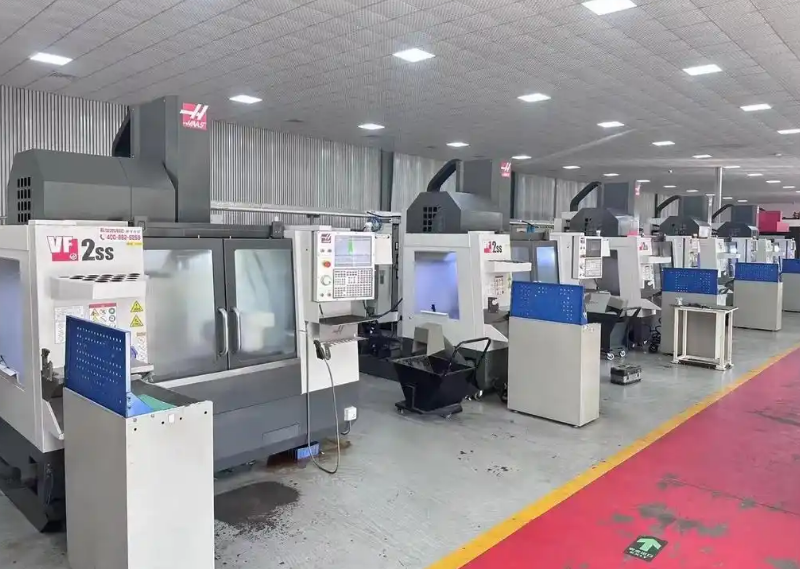
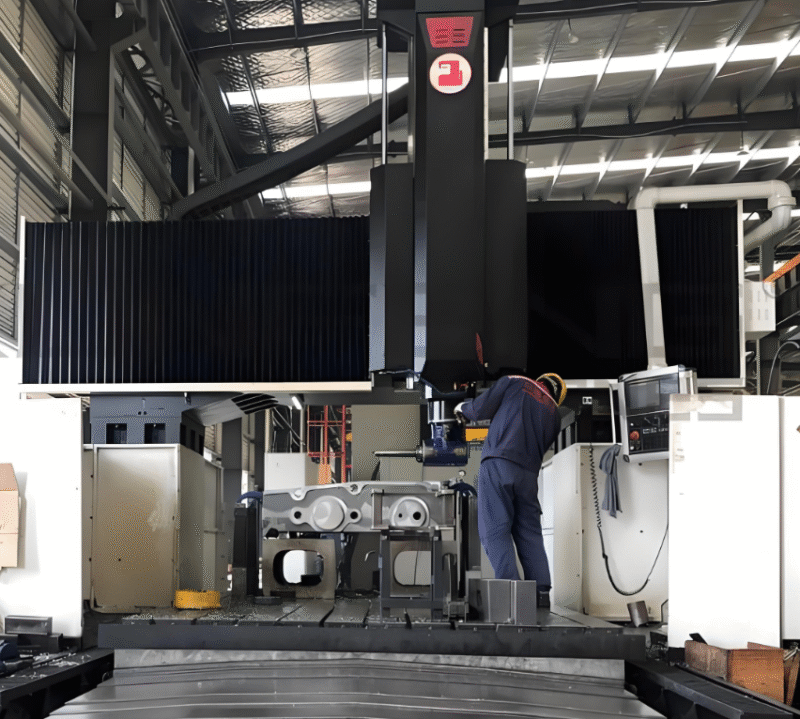
CNC machining uses pre-programmed programs to control the movement of machine tools and achieve automated production. Common CNC equipment includes machining centers, wire cutting machine tools, etc., which can perform processing tasks of complex curved surfaces and precise hole positions.
This method greatly improves production efficiency and consistency, and is particularly suitable for the manufacturing of a large number of complex parts in automobiles, aerospace and other fields. The widespread application of CNC technology is a key step for modern manufacturing to move towards intelligence.
The specific connotation of tolerance requirements
The range within which the size and shape of a part can vary is the tolerance. For example, when there is no length dimension marked on the drawing, the allowable deviation is generally within plus or minus 0.5 mm. This ensures that the parts are interchangeable during assembly.
For casting blanks, its tolerance zones are symmetrically distributed on the left and right sides of the basic size. This means that not only a precise casting process but also a fine subsequent processing process must be comprehensively considered to prevent material waste and ensure that the final product meets the standards expected by the design.
The importance of process inspection
For mechanical processing, the process inspection system is strictly implemented. After each process is completed, it must be qualified through quality inspection before the parts can flow into the next process. This forms a whole-process quality control chain.
This approach can eliminate unqualified semi-finished products in a timely manner, thereby preventing defects from accumulating in subsequent links and causing greater losses. It is not only a means of quality control, but also an effective method to optimize the process and reduce costs.
Part appearance and surface treatment
![图片[1]-What Are The Processing Classifications Of Precision Mechanical Parts?-Dalian Fuhong Machinery Co., Ltd](/wp-content/uploads/2026/01/1768839372687_2.png)
Precision machining equipment has very strict appearance requirements for the finished parts. There must be no burrs, scratches or rust on the surface, because these defects are very likely to affect the strength or assembly of the parts. And for the mating surfaces after finishing, they need to always be smooth and clean, and there must be no traces of annealing.
For those critical surfaces obtained by rolling or heat treatment, the standards are more stringent. For example, the scale needs to be removed after heat treatment , and the thread surface must be complete and clear. These details are directly related to the service life and reliability of the parts.
Processing environment and finished product protection
During the entire processing process, the protection of parts is continuous. The finished products after finishing cannot be placed directly on the ground. Instead, special workstation equipment needs to be used for support to prevent bumps and deformations. The processing workshop must maintain a certain degree of cleanliness.
It is also crucial to have a reasonable process layout and logistics design. It can not only reduce transportation damage between processes, but also improve the overall production efficiency. This is an indispensable link in modern factory management.
In the work or projects you are engaged in, have you ever had careless negligence in a certain processing detail, which caused problems in the entire component? Feel free to share your experiences and insights in the comment area.




暂无评论内容