


A brief discussion on safety protection and measures for riveting and welding machinery
Working on riveting and welding machinery may seem ordinary on the surface. However, there are multiple dangerous factors such as high temperature, high pressure, and radiation hidden behind it, which pose a threat to the life safety of operators at all times.
Comprehensive protection against heat hazards
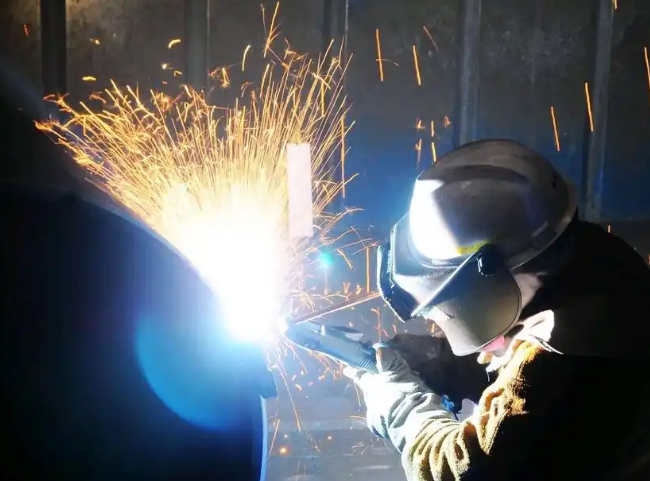
The temperature of the arc, or flame, generated by riveting welding operations is extremely high and can reach thousands of degrees Celsius in an instant. The splashed metal droplets and the hot workpiece surface can easily cause severe burns to the skin, or the clothing can catch fire. Operators must wear special overalls, gloves, and protective shoes and socks made of flame-retardant materials.
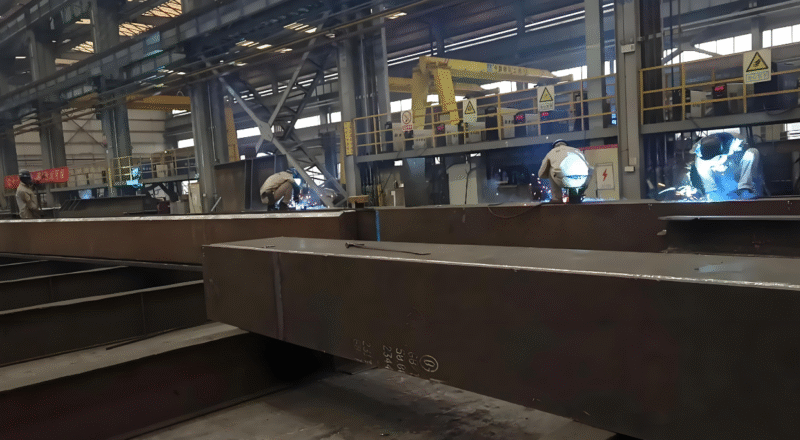
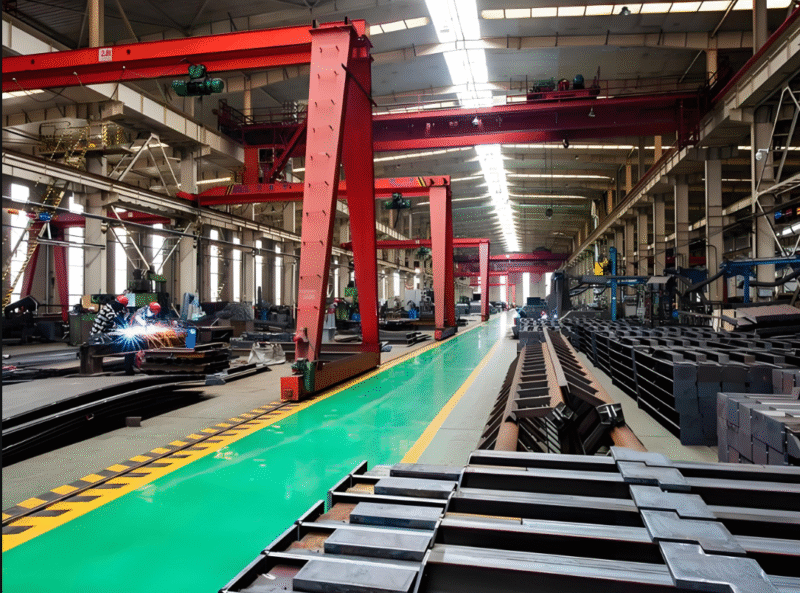
In addition to basic protection, emergency facilities such as fire sand, fire extinguishers, etc. should be equipped near the work site. High-temperature environments can easily lead to heat stroke and fatigue . What equipment does a large-scale riveting and welding processing plant need? The work site needs to ensure good ventilation, and the work and rest time must be reasonably arranged. Tools that come into contact with hot parts should be placed properly to prevent injury from accidental contact.
Strict management and control of high-pressure risks
The gas cylinders and pipelines used in riveting and welding, as well as some equipment, contain high-pressure gas or liquid. Once there is a leak or rupture, it may cause a physical explosion or cause high-speed impact damage. All high-pressure devices must be clearly marked with the working pressure, medium, and inspection date.

Pressure vessels that are defective or have exceeded the inspection period are strictly prohibited from use. The connected pipelines need to be regularly inspected for air tightness. The valves should be able to open and close flexibly. Operators are not allowed to enter the high-pressure operating area. Thorough pressure relief must be carried out before equipment maintenance to ensure complete energy isolation.
Effective isolation of radiation damage
The riveting arc can produce strong ultraviolet rays, strong infrared rays, and strong visible light radiation. If unprotected eyes are exposed for a short period of time, there is a possibility of causing electro-optical ophthalmia. A brief discussion of the safety protection and measures for riveting and welding machinery work. If the eyes are exposed for a long time, it may lead to cataracts. If the skin is exposed to radiation for a long time, it will also cause burns and even risk canceration.
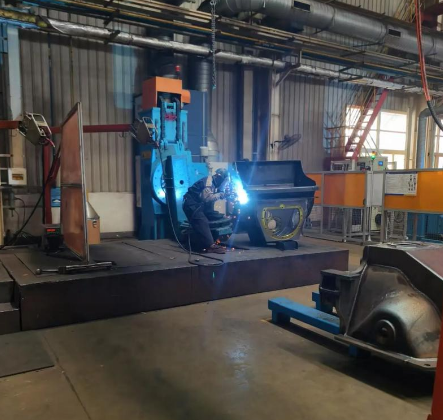
The most effective measures are to set up separate welding cubicles or use movable screens for physical isolation. Operators must wear professional welding masks with corresponding shading numbers or goggles. Others working nearby should also be equipped with radiation protection glasses to protect themselves from damage caused by scattered arc light.
Prevention of Noise and Mechanical Injury
In the process of riveting and welding, there are tapping, grinding and equipment operation, which will produce continuous high-intensity noise. If you are exposed to an environment exceeding 85 decibels for a long time, it will lead to irreversible hearing loss. Priority should be given to the use of low-noise equipment on site, and sound insulation packages should be provided to target noise sources.
Mechanical injuries are mainly caused by rotating rollers, moving parts and vibrating tools. The protective covers of all moving parts must be intact and firmly fixed. Before the equipment is started, a sound must be sounded as a warning. During maintenance, the tagout and lockout procedures must be followed to prevent others from misoperation.
Safety regulations for work processes

Before officially commencing work, the work area must be thoroughly cleaned and all flammable and explosive items must be removed. Check the power cord and the gas pipeline to ensure that the grounding is reliable. Operators need to confirm with each other whether the protective equipment is complete, and clarify their respective responsibilities and emergency contact information.
When performing work, you must strictly follow the process procedures. You must not simplify the steps just to save trouble, or use the equipment excessively beyond the specified load. Keep yourself focused at all times and never work while tired. After the operation is completed, all energy switches should be turned off one by one, tools should be neatly arranged and secure, and a safety inspection should be carried out on site to ensure that there is no fire left behind.
Security Awareness and Emergency Management
To cultivate safety awareness, we cannot rely solely on system constraints, but must internalize it into behavioral habits. Enterprises should organize regular accident case analysis meetings so that employees can intuitively understand the consequences of illegal operations, promote safety behavior observation and communication, and encourage colleagues to remind and supervise each other.
The site must be equipped with a conspicuous emergency evacuation plan, and the passage must be unobstructed and smooth. The items in the first aid kit should be checked and updated regularly, and personnel in key positions need to master first aid skills such as cardiopulmonary resuscitation. At least one targeted fire or injury accident emergency drill must be organized every six months to test the operability of the plan.
In your riveting and welding work experience, which safety measure do you think is easily overlooked, but is extremely critical? If you find this article valuable , please give it a thumbs up and support it.





暂无评论内容